Sheboygan resident Kayla Guelig says she has struggled with depression, anxiety and suicide ideation her whole life. She’s sought mental health services from the local Advocate Aurora hospital in her community three times.
Around April of last year, she sought care for postpartum depression after having a miscarriage. In July, she went back to the hospital for inpatient mental health care.
During the recent inpatient stay, Guelig said doctors were able help her get on the right medication.
News with a little more humanity
WPR’s “Wisconsin Today” newsletter keeps you connected to the state you love without feeling overwhelmed. No paywall. No agenda. No corporate filter.
“They gave me tools that I needed … Since then, it’s been life changing,” she said. “I’m not sure I would be here right now without Aurora inpatient.”
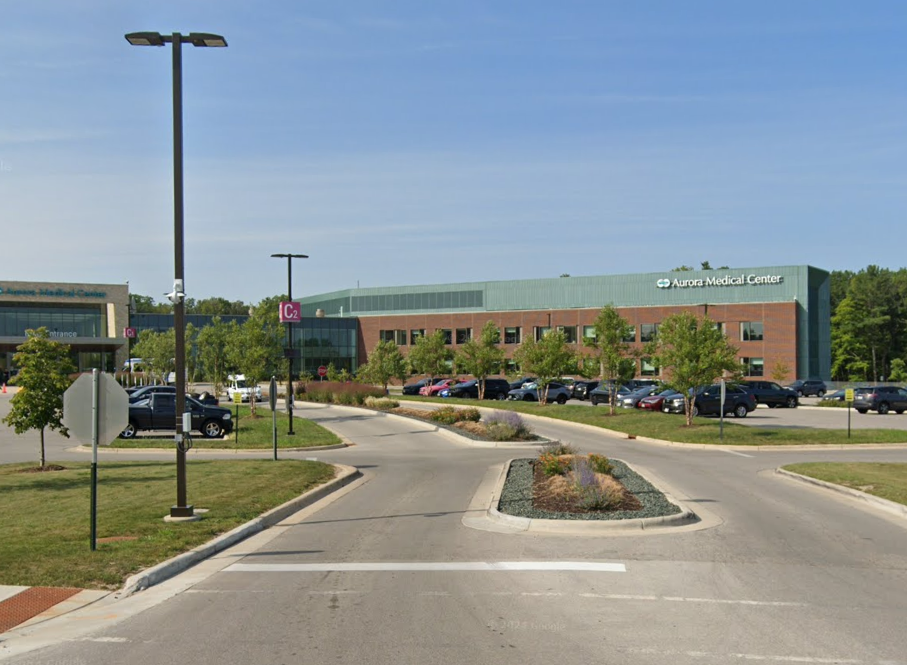
But now those inpatient services are set to go away at Aurora Medical Center Sheboygan County. The hospital is planning to stop offering inpatient psychiatric care at Aurora Sheboygan and use the space to create additional inpatient medical surgical bed capacity beginning on Sept. 19.
“It’s such a loss for our community,” Gueling said. “And I think that people are going to really struggle with not wanting to get help because there is not a place in Sheboygan” offering those inpatient services.
There are mental health services available in the Sheboygan area through the county, Prevea Health, Rogers Behavioral Health and Mental Health America Lakeshore. But Aurora has had the only inpatient treatment available in the county, according to the Sheboygan County Health & Human Services Department.
Aurora Health Care is making the change because the Sheboygan hospital has experienced high demand for medical and surgical inpatient beds, with an occupancy rate nearing 100 percent, the health system said.
At the same time, according to Aurora, the hospital has seen a 67 percent decrease in psychiatric inpatients.
In a statement, the health system said it remains “committed to supporting the comprehensive behavioral health needs of the Sheboygan community.”
The statement said the Sheboygan hospital will continue offering intensive outpatient programs, outpatient behavioral health services and virtual options.
“These services and programs allow individuals to receive care without an overnight stay,” the statement reads. “Our plan to create additional medical surgical beds reflects our ongoing commitment to aligning resources with community needs and ensuring access to the right care, in the right setting, at the right time.”
According to Aurora Health Care, acute inpatient psychiatric care at the hospital will transition to the Aurora Psychiatric Hospital in Wauwatosa — about an hour drive away from Sheboygan.
But had Gueling received inpatient services in Wauwatosa instead of Sheboygan, she said her husband and two young children would not have been able to visit her.
“I probably wouldn’t have gotten any visitors, which is hard because then my husband doesn’t really get to see my progress or talk to my therapist to get progress notes,” she said. “It’s very nice to be able to get visitors because it helps you get a little bit of the outside world while you’re inside.”
Mary Kay Battaglia, executive director for the National Alliance on Mental Illness Wisconsin, said psychiatry is “the stepchild” of a hospital, meaning it doesn’t generate a lot of income for hospitals.
That’s because psychiatric care generally requires fewer tests and procedures than treating someone for cardiac or respiratory issues would, for example, she said.
“It’s not a huge moneymaker for hospitals, so there’s frequently less investment in psychiatric care in the hospitals,” Battaglia said. “If there’s a need for surgical beds, usually the first place they’re going to take those from is going to be the psychiatric beds.”
Battaglia also said moving inpatient mental health services further away from patients homes can make those services feel more “isolating” because it can mean less engagement between a patient and their family.

Wisconsin Public Radio, © Copyright 2026, Board of Regents of the University of Wisconsin System and Wisconsin Educational Communications Board.