Wisconsin is infamous for its alcohol consumption, but a newer type of intoxicating beverage is gaining popularity from producers, distributors and retailers in the state.
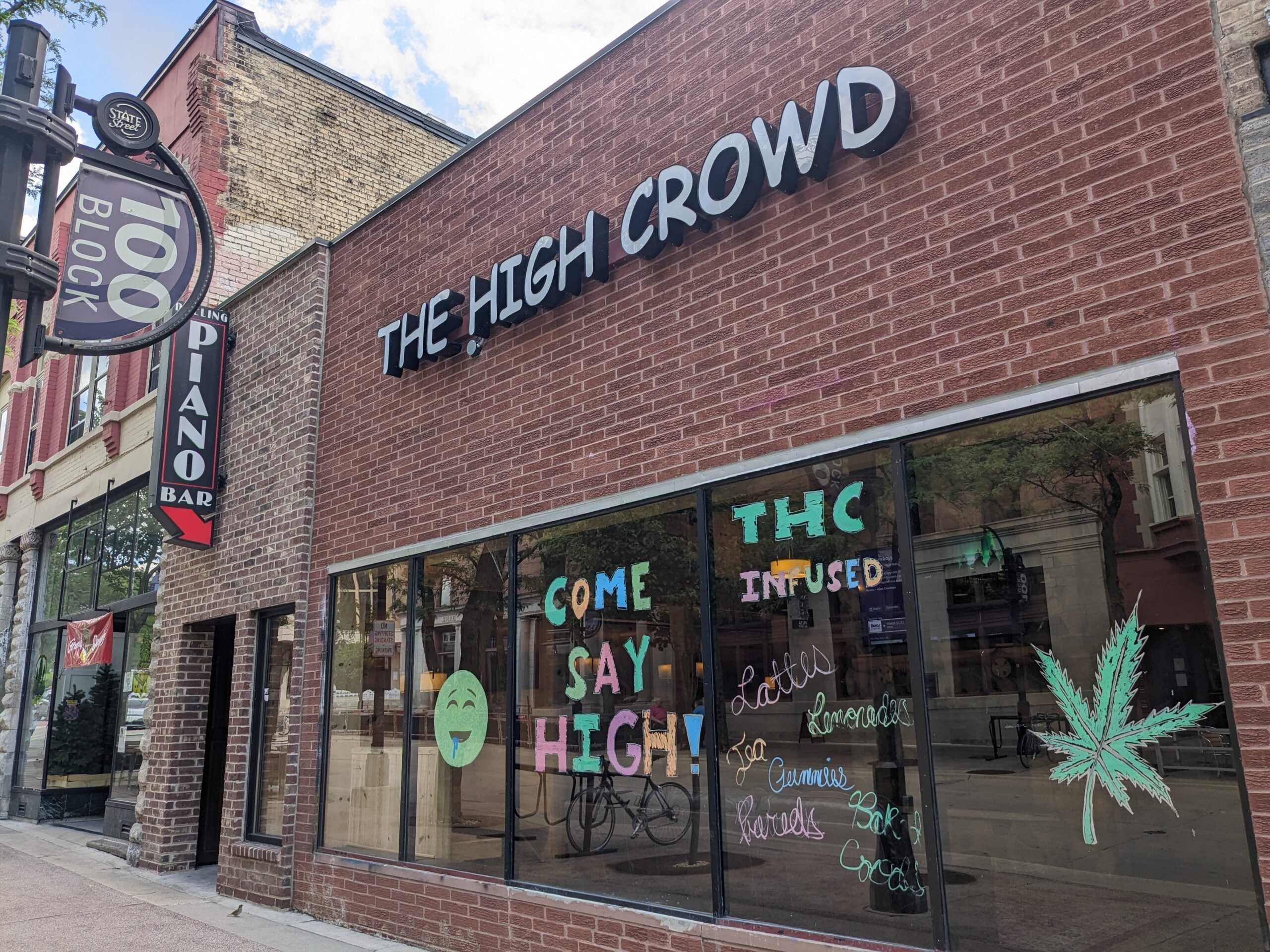
Liquor stores and bars across Wisconsin are offering drinks containing THC and CBD, often in a canned seltzer form, and some are finding new ways to get creative with their beverage offerings.
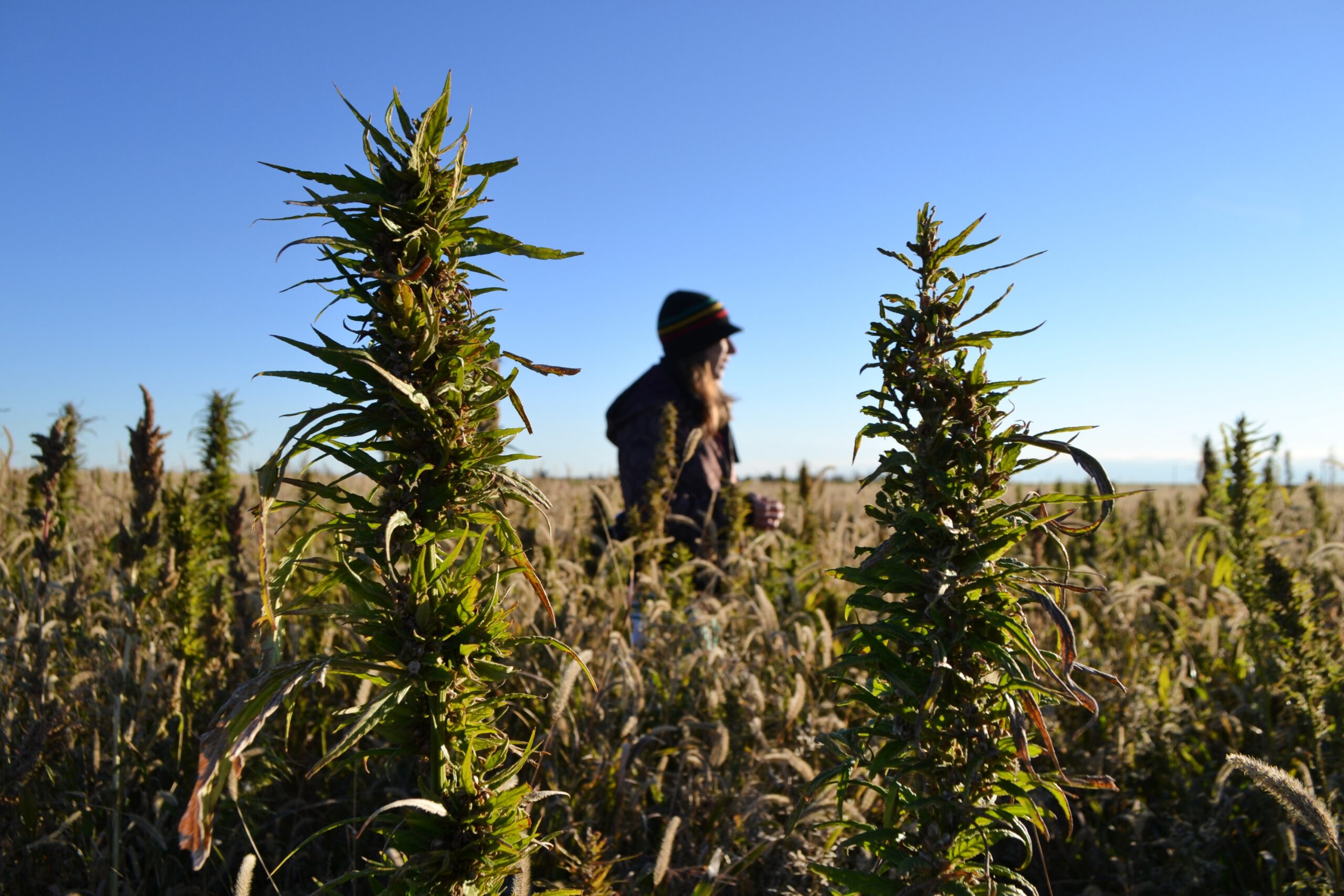
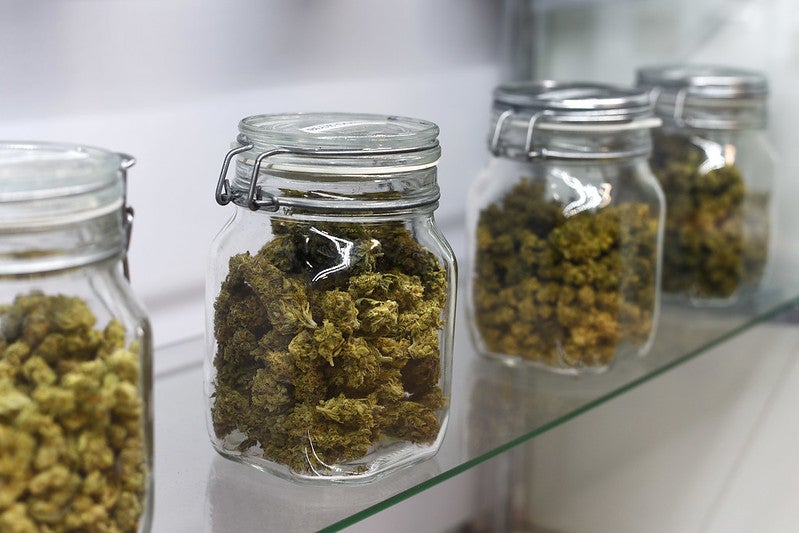
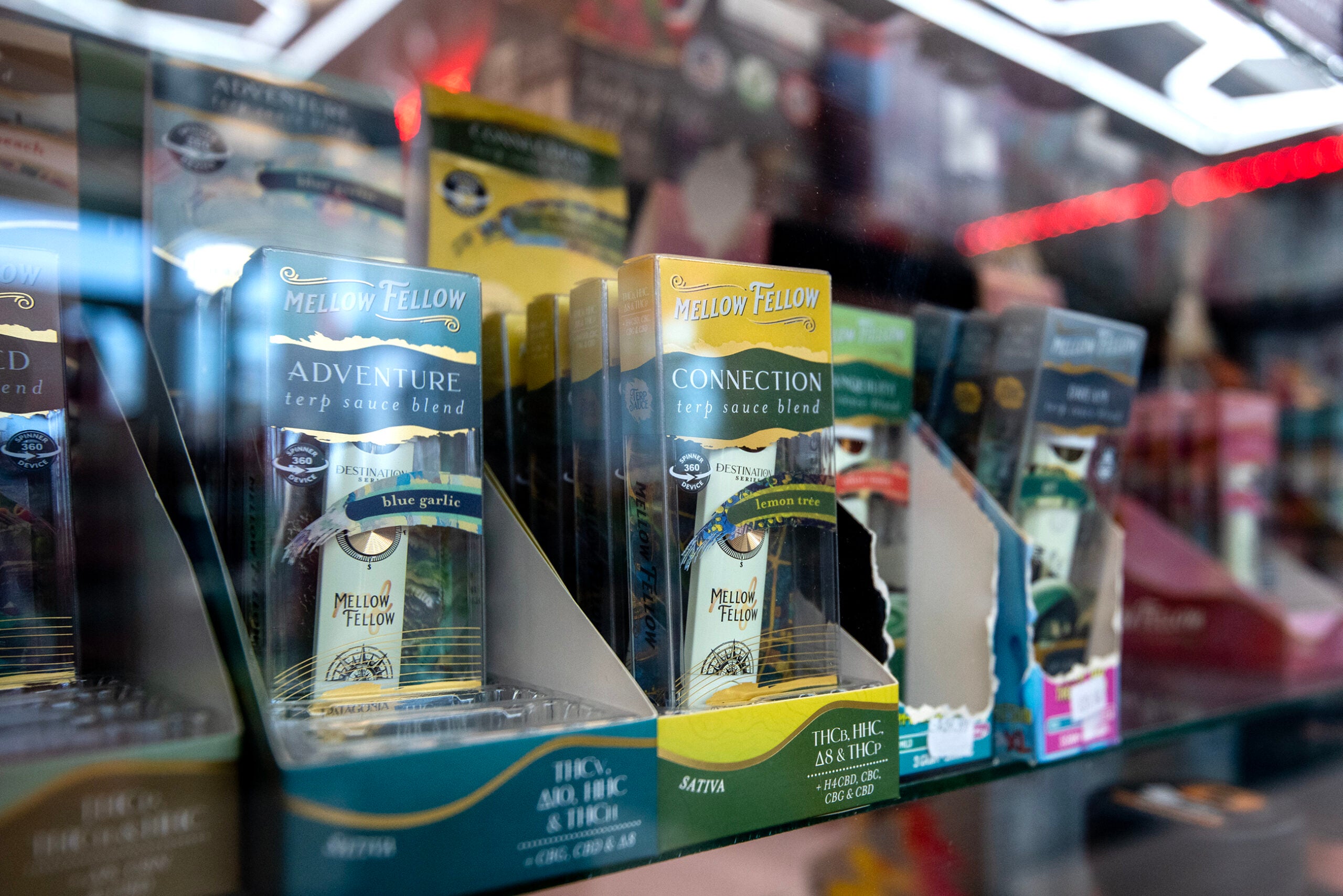
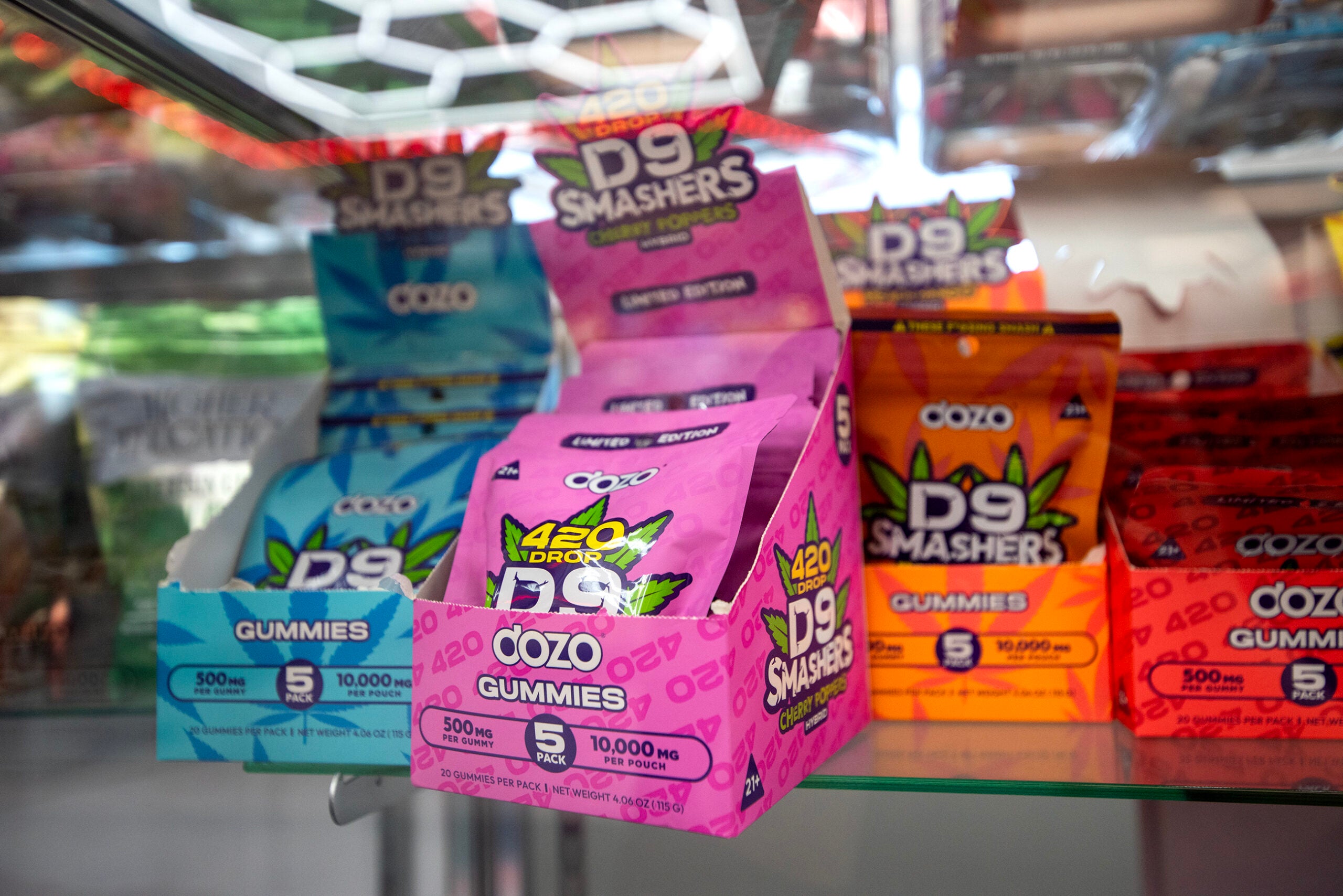
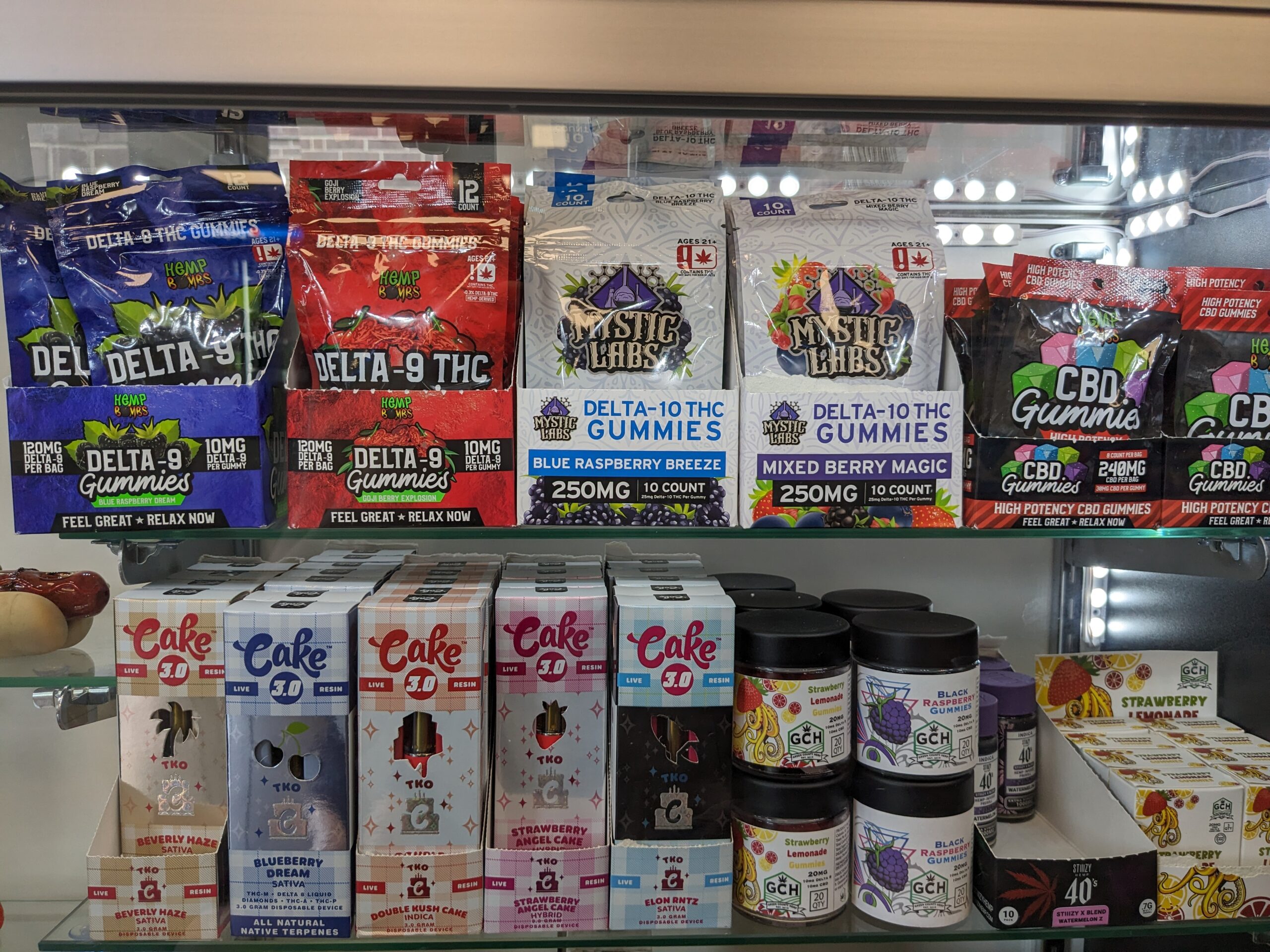
Marijuana is not legal in Wisconsin, but producers say these and other THC and CBD products are legal because they are derived from hemp plants in levels allowed under the 2018 U.S. farm bill.
News with a little more humanity
WPR’s “Wisconsin Today” newsletter keeps you connected to the state you love without feeling overwhelmed. No paywall. No agenda. No corporate filter.
That rationale opened up opportunities for brewers like Will Glass from The Brewing Projekt in Eau Claire to expand his operation and start producing THC seltzers.
He told WPR’s “Wisconsin Today” that he saw the market growing in surrounding states where marijuana is legal and started production on the hemp version in Wisconsin.
“We actually contacted the Department of Revenue to just ask questions about whether or not they viewed this as being currently regulated or currently prohibited in the state of Wisconsin,” Glass said. “We wanted to make sure that we had all of our i’s dotted and t’s crossed, and at the end of the day, I felt comfortable with where we were at.”
Glass, who is the president of the Wisconsin Brewers Guild, said he had to help educate some distributors about the legality of the product, and now he has more and more bars and stores stocking his products.
Other THC and CBD producers have had more trouble working with businesses outside of their industry.
Colin Gazinski opened Milwaukee’s first specialty hemp store in 2018, but he found that the retail business of hemp products wasn’t sustainable on its own.
He transitioned the business to its current form, an infusion bar and cafe called Canni. In addition to prepackaged products, it offers nonalcoholic drinks that the customer can then choose to add an infusion to, including alcohol, THC, kava, or adaptogens.
One of the challenges Gazinski faced was financial institutions refusing to work with him because of concerns over marijuana still being a federally regulated substance.
“We’ve been removed from five banks. We’ve had four different payment processors over the seven years of our existence,” Gazinski told “Wisconsin Today.” “The difference is, a grocery store or liquor store that’s selling these types of products … it may not be their primary product. Our business is rooted in the name of cannabis, so it’s a little hard for us to disguise that to a payment processor.”
His staff is carefully trained to not let customers mix different types of intoxicating infusions with their drinks, and they help walk customers through their dosage and experience.
Both Gazinski and Glass see the market for their products continuing to grow, with some consumers seeing THC drinks as a healthier alternative to alcohol, in moderation.
They don’t think the potential legalization of marijuana in Wisconsin would derail that, if regulations are implemented effectively.
“At the end of the day, prohibition doesn’t work,” Glass said. “It didn’t work with alcohol. It’s not working with marijuana. And while this may work around the marijuana laws by going through hemp-derived THC, the consumer is going to get what they want. And ultimately, the market should decide where things go.”
As alcohol consumption has started declining nationwide, particularly among younger generations, these types of THC beverages are providing an alternative option at Wisconsin bars and liquor stores.