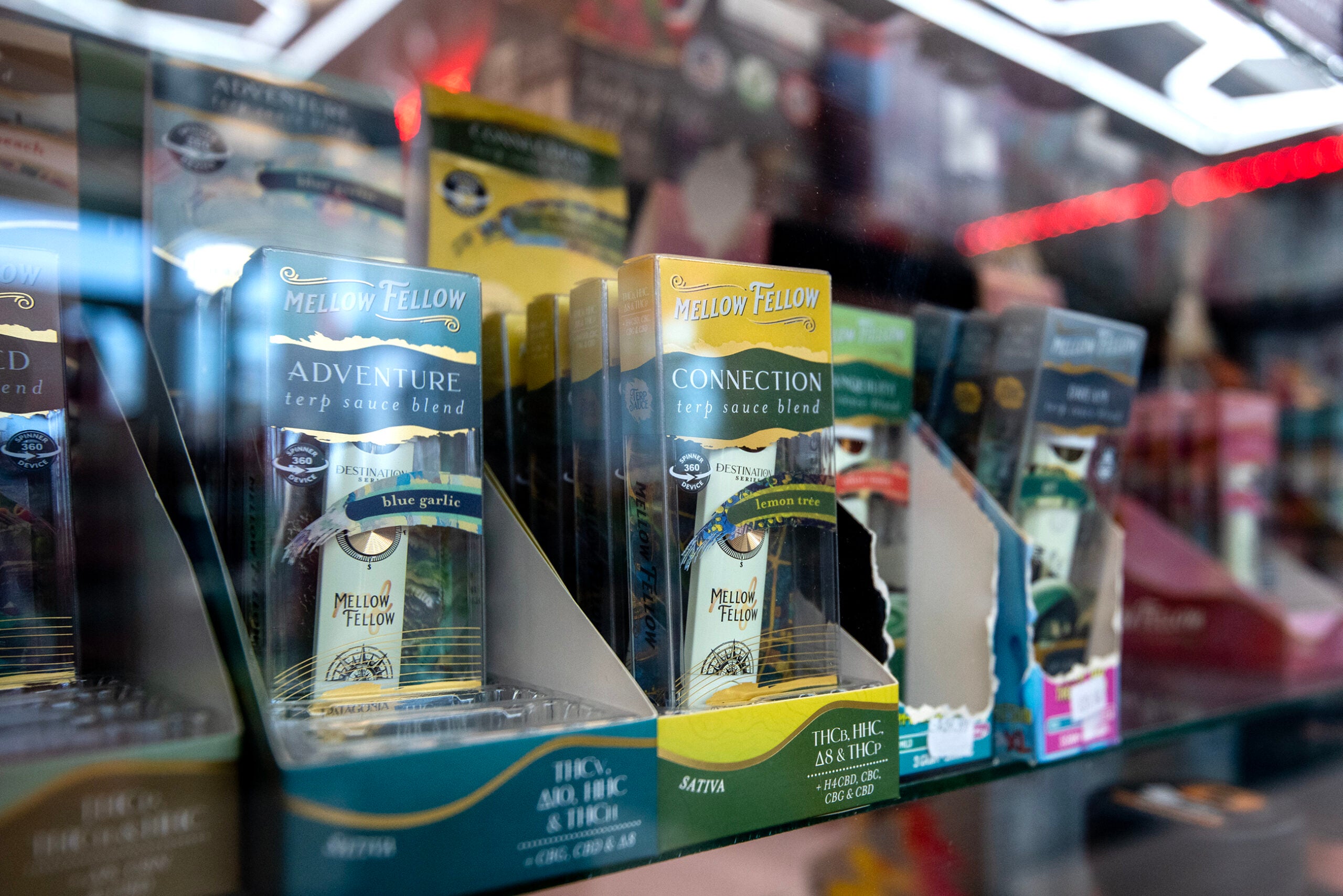
Marijuana isn’t legal in Wisconsin, but a person driving down any number of city streets or past strip malls might be forgiven for not realizing that.
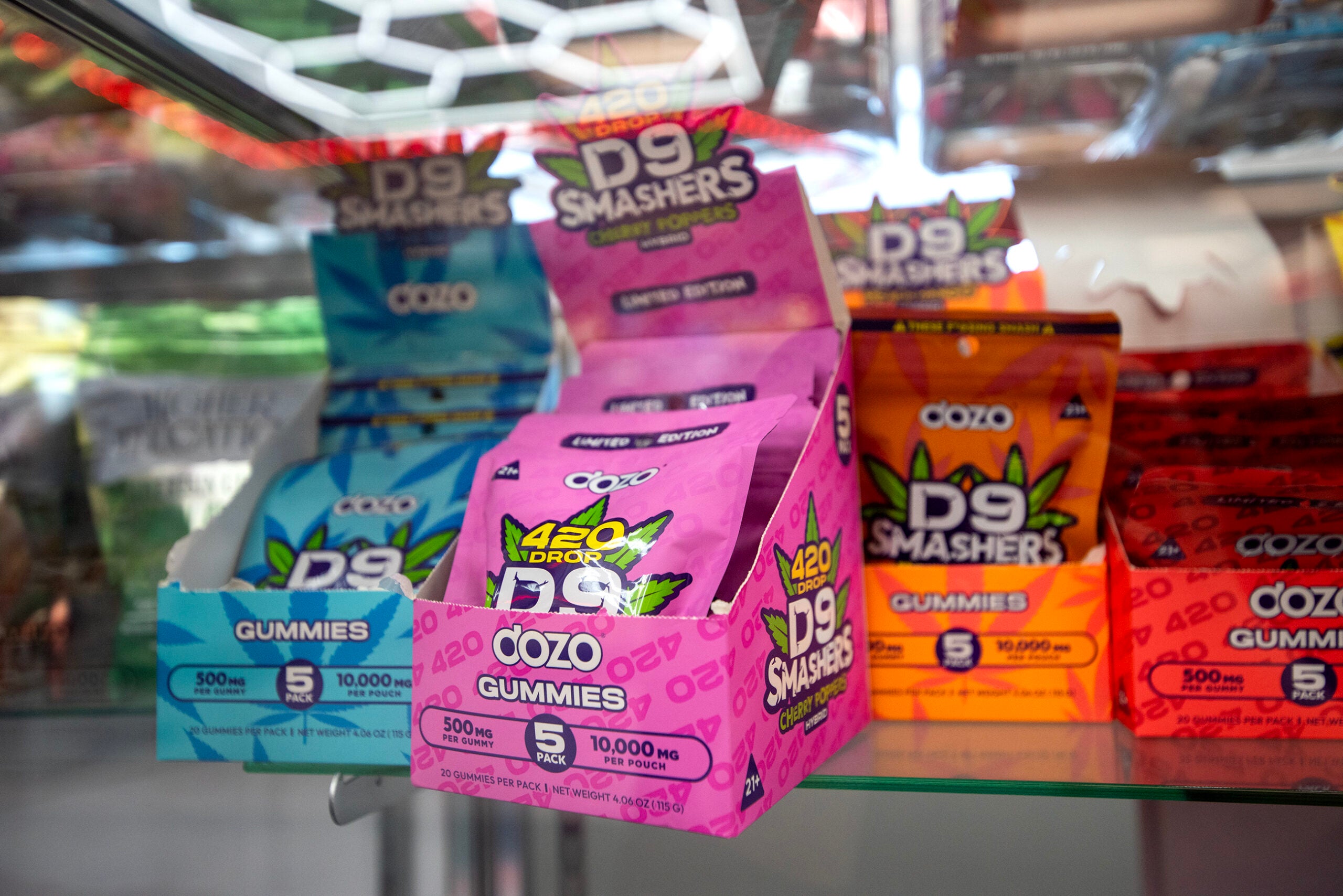
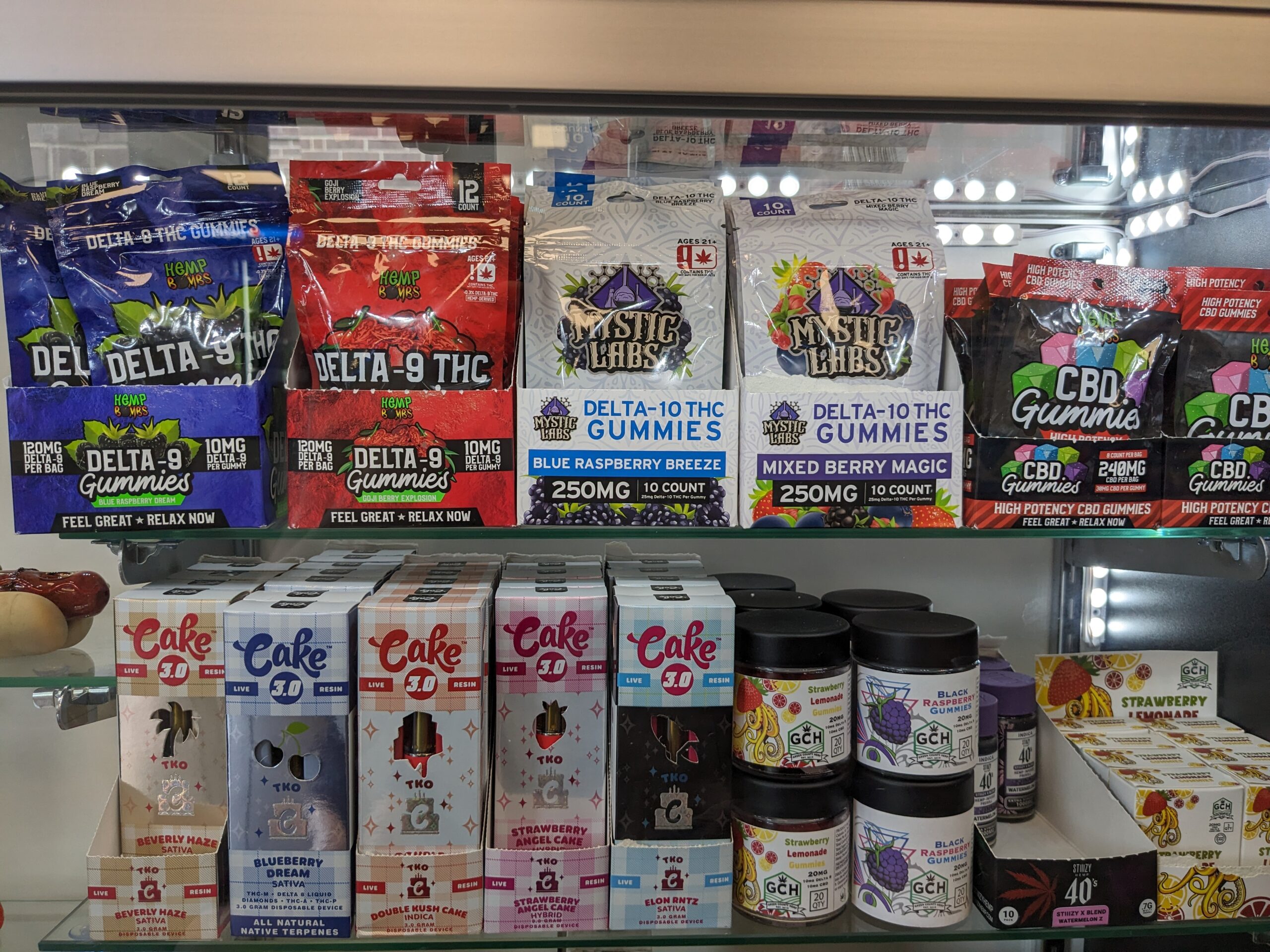
Storefronts selling THC and CBD products, all derived from the same cannabis plant as marijuana, have flourished in Wisconsin. Those stores — along with the vapes, gummies, drinks and creams available for purchase at grocery stores and gas stations — are there because of a federal loophole.
And that loophole is suddenly about to close.
News with a little more humanity
WPR’s “Wisconsin Today” newsletter keeps you connected to the state you love without feeling overwhelmed. No paywall. No agenda. No corporate filter.
A 2018 change to agriculture policy that removed hemp from the list of controlled substances opened the door to all kinds of products that contain the psychoactive ingredient THC — just so long as they’re derived from hemp and contain no more than 0.3 percent delta-9 THC by dry weight.
With the stroke of a pen on Wednesday, however, President Donald Trump dealt a blow to that industry, which is estimated to be worth about $28 billion nationwide, according to a hemp advocacy group. A provision tucked into the bill to end the federal shutdown would ban hemp products with more than 0.4mg of THC — the vast majority of products on the shelves today. The change will take effect in one year.
Immediately, members of Wisconsin’s hemp industry began sounding the alarm. But Robert Mikos, a drug law and policy expert at Vanderbilt University School of Law, said their concern may be overblown.
“I think there is a lot of doom and gloom that’s unwarranted at this point,” he said. “Because really … when it comes to policy governing cannabis — whether it’s marijuana or hemp — it’s really the states calling the shots.”
Mikos said federal regulators don’t have the resources to go after the vast network of people and businesses who make and distribute THC products. Instead, he said, the issue functionally heads to the states to figure out.
In Wisconsin, where hemp is defined in the same way as it was federally until this week, there’s not much room for state enforcement.
“Really, the ball is on state Legislatures’ side of the court right now, and it’s really up to them to determine what happens to this hemp industry,” Mikos said.
Attempts to regulate the state hemp industry are making their way through the Legislature. On Wednesday, as the U.S. House was poised to take up the shutdown bill, replete with its hemp products ban, the Assembly Committee on State Affairs debated a bipartisan proposal that would establish a broad regulatory framework for the largely unregulated industry.
The proposal would require hemp-derived products to go through a testing and certification process, and be subject to taxes and municipal regulations like those imposed on alcohol. It would add a clear legal age of purchase and use, a licensing structure for makers and sellers, and have certain label and packaging requirements.
A separate GOP bill would redefine hemp at the state level in a way that more clearly mirrors the new federal ban — but that’s unlikely to survive Democratic Gov. Tony Evers’ veto pen.
In the meantime, the industry isn’t likely to see a crackdown under the existing political and legal landscape, said Mikos, even when the federal ban goes into effect in just under 365 days.
That doesn’t mean there won’t be consequences for small businesses, who may see changes to things like federal tax obligations and licensures.
“But the companies that are making this stuff and selling it, they can rest assured that, ‘Hey, there’s a one-in-a-million chance that anybody’s gonna come here and arrest us,’” said Mikos.

Wisconsin Public Radio, © Copyright 2026, Board of Regents of the University of Wisconsin System and Wisconsin Educational Communications Board.