Dillon Beyer woke up Monday morning to a flurry of text messages.
A co-owner of Tree Huggers Cannabis, which is based in La Crosse with locations in Wisconsin and Minnesota, Beyer and his colleagues in Wisconsin’s hemp industry were beginning to learn that, tucked into the U.S. Senate bill to reopen the federal government, was a provision that could outlaw much of their industry.
That clause, inside the continuing resolution pushed forward Sunday and now continuing to the U.S. House, would ban the “unregulated sale of intoxicating hemp-based or hemp derived products.”
News with a little more humanity
WPR’s “Wisconsin Today” newsletter keeps you connected to the state you love without feeling overwhelmed. No paywall. No agenda. No corporate filter.
That left Beyer “freaking out a little bit.” His company employs 25 people, developing and distributing drinks and other products that contain the psychoactive ingredient THC.
“It would force us to close our doors, because it would make all of the products that we sell noncompliant,” said Beyer.

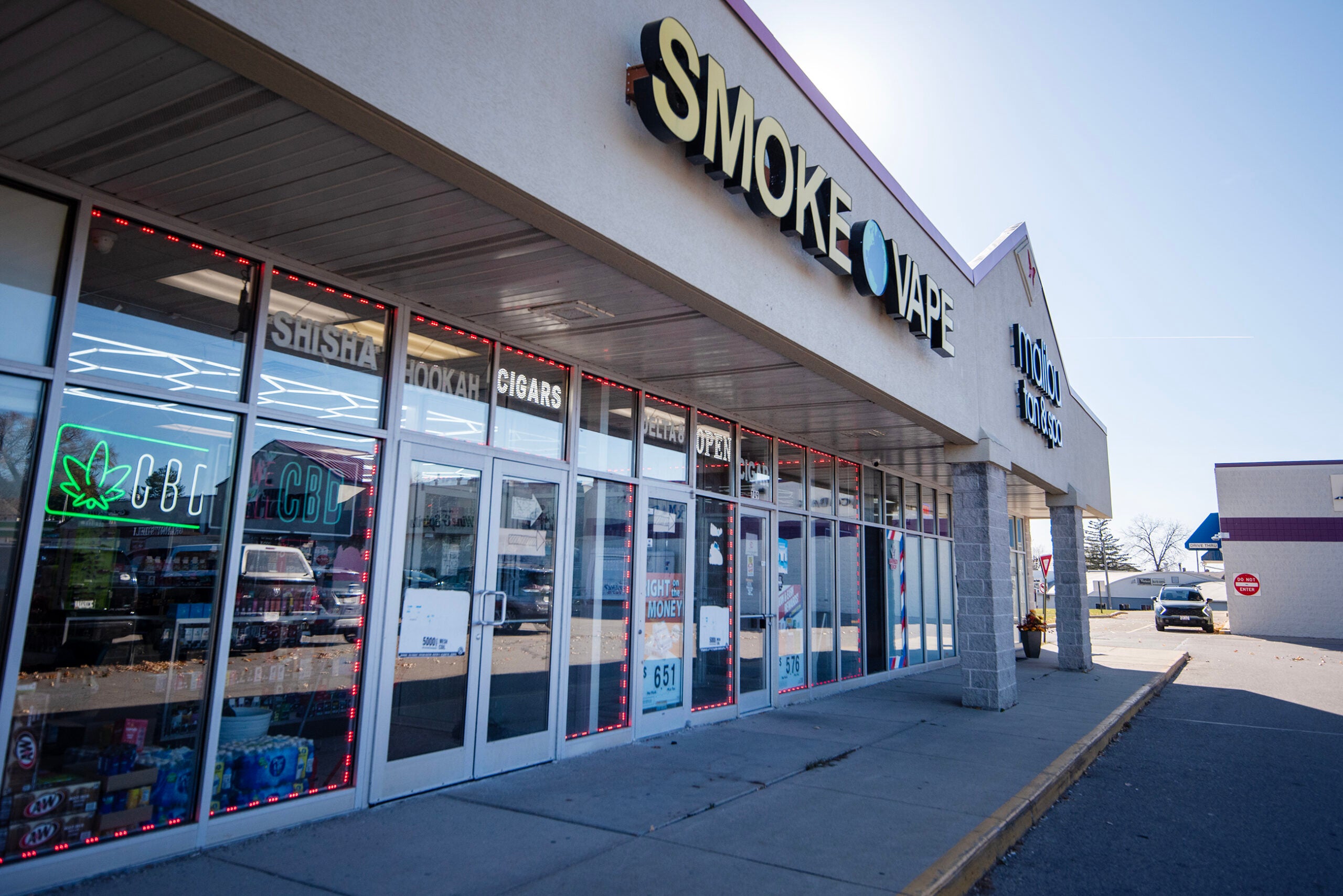
In Wisconsin, where medical and recreational marijuana are illegal, a longstanding federal loophole has allowed one related industry to flourish.
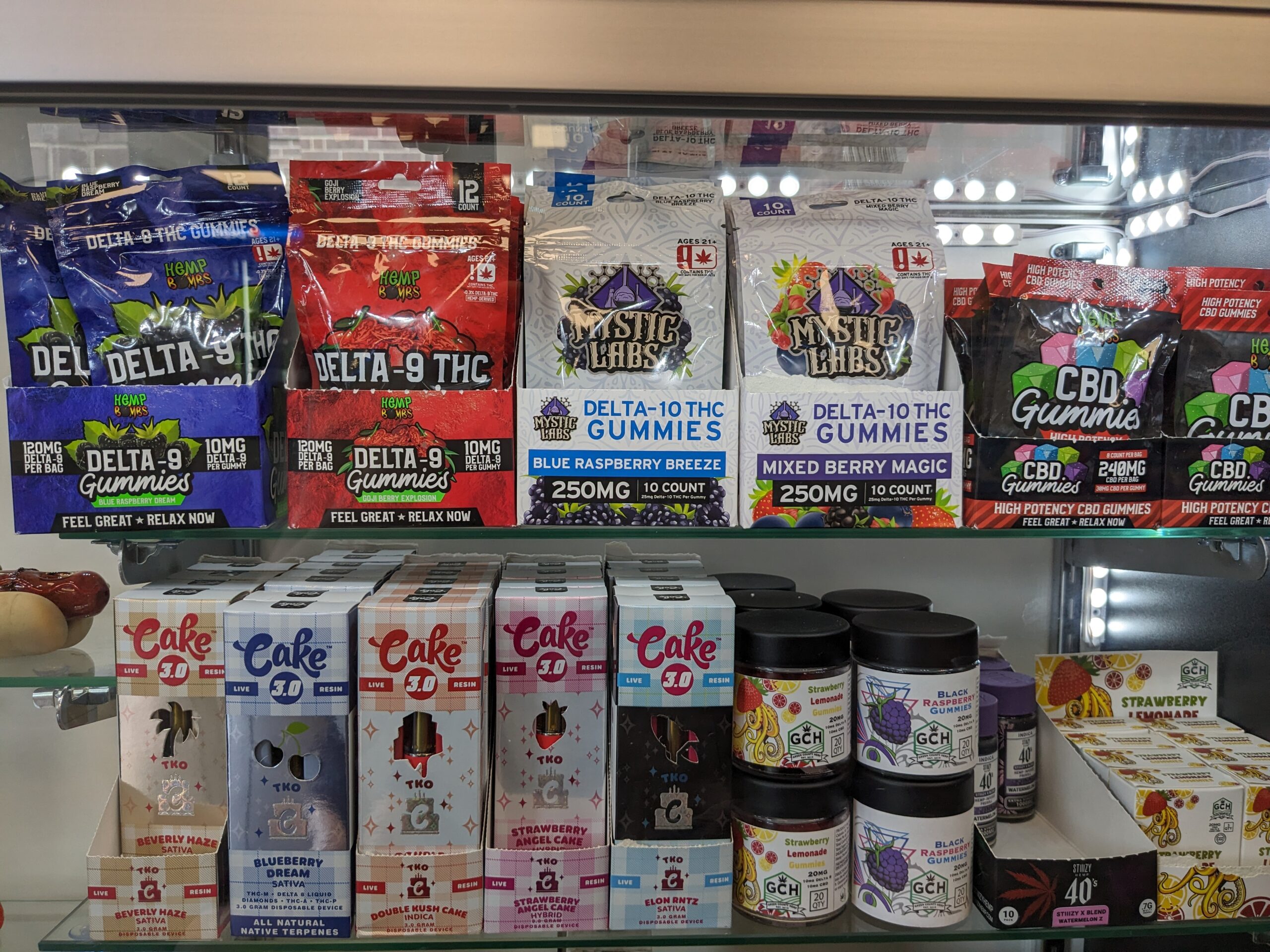
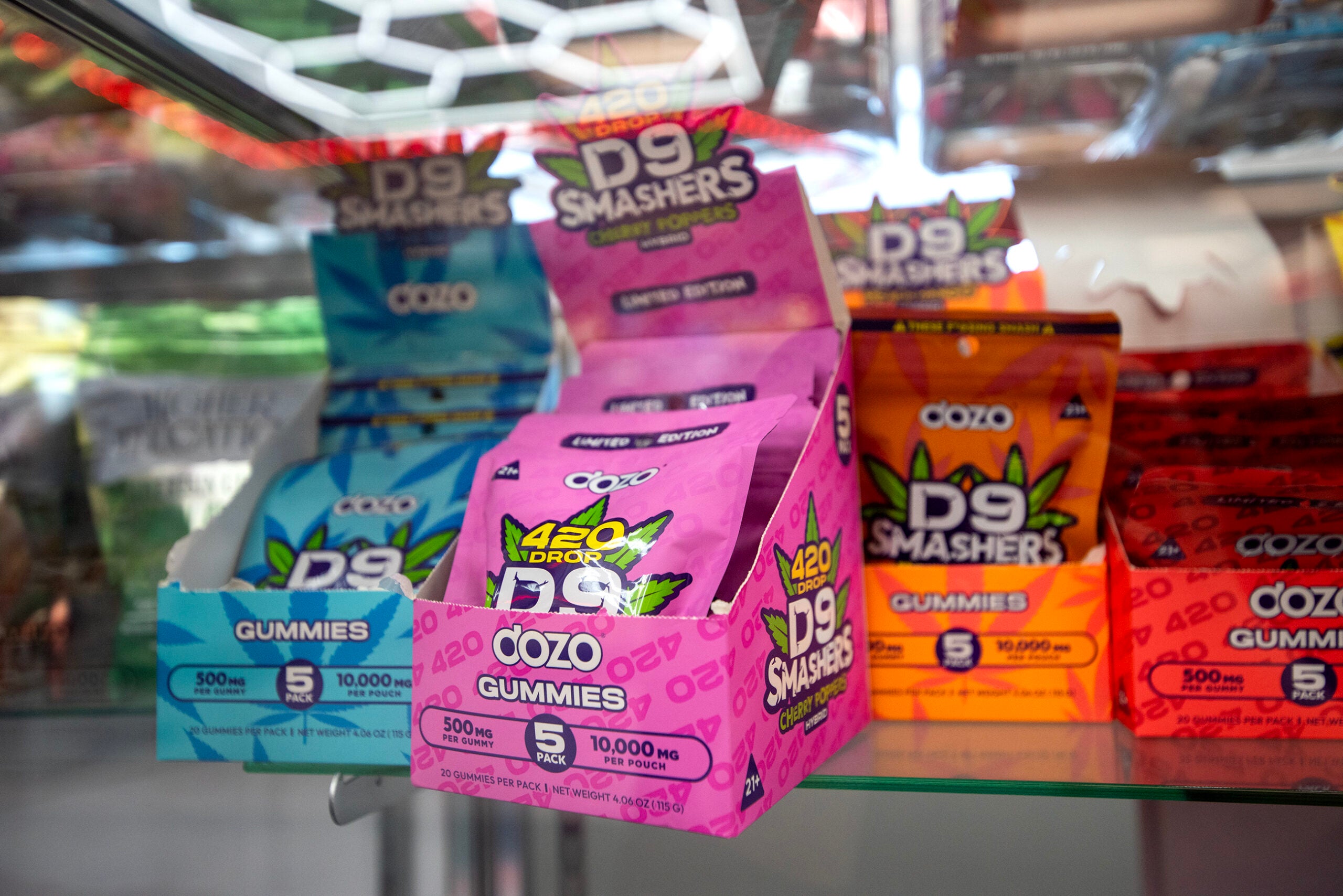
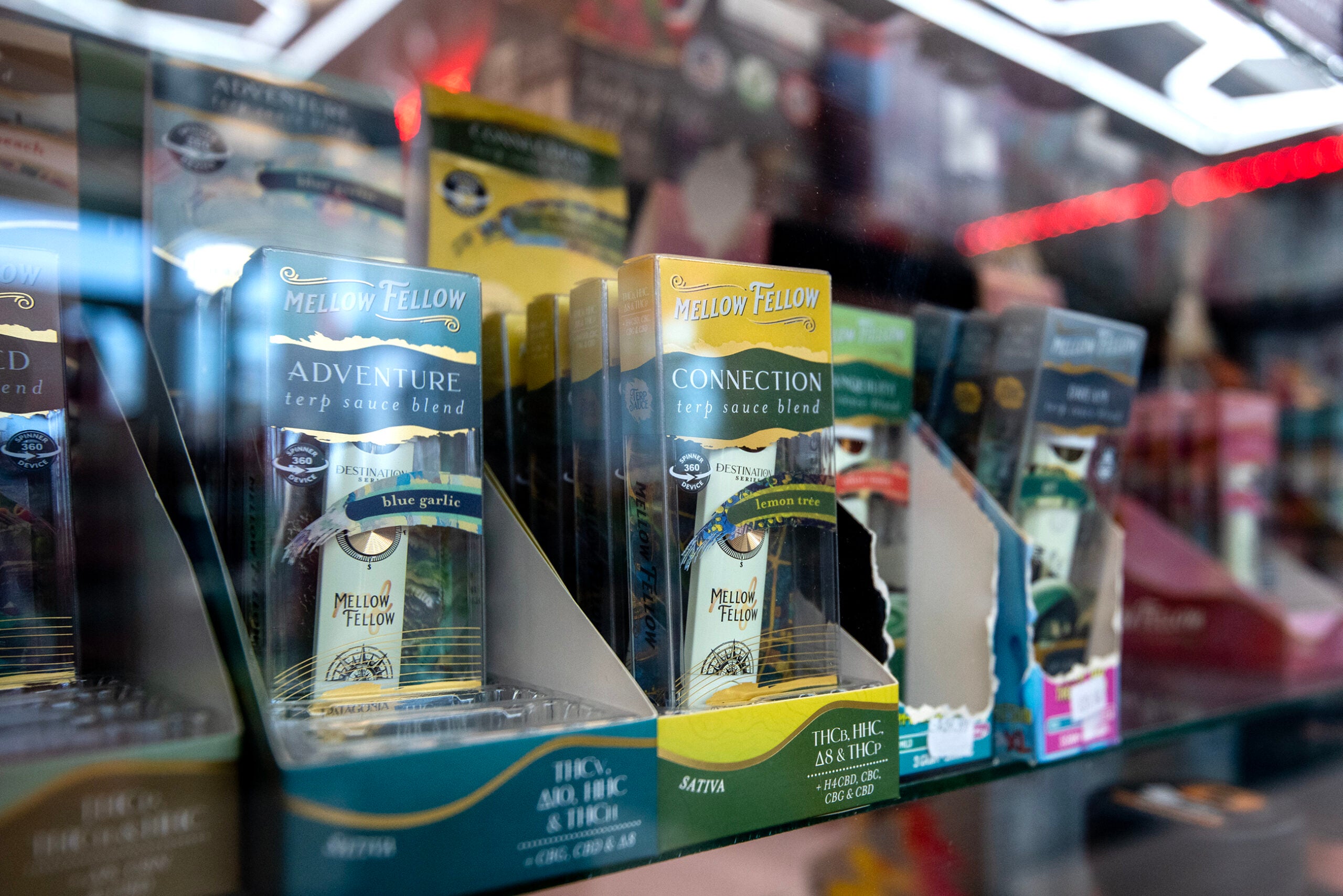
The 2018 federal Farm Bill removed hemp from the list of controlled substances. As a result, products containing low doses of the psychoactive ingredient THC — like vapes, oils, gummies and beverages — are legal.
That’s true even in states like Wisconsin that don’t otherwise allow for other forms of marijuana production or sales.
Phillip Alberti is a research program manager specializing in hemp at an alternative crops lab at the University of Wisconsin-Madison. He said hemp has wide uses beyond its connections to marijuana — for example, as an agricultural and fiber product.
But he said it’s unclear exactly how big the Wisconsin hemp industry is.
“I’ve been looking forever to find those numbers … because I really think it’s important at the university to understand the impacts. Then we can see where there might be a need,” said Alberti. “All I know is that I cannot go anywhere without seeing those products. I can’t go to breweries. I can’t go to gas stations.”
Overall nationwide, it’s a booming, multibillion-dollar industry — one that critics say is insufficiently regulated. They say it’s too easy for kids to get their hands on the products, which are sometimes packaged to look like fun snacks or candy, and that it should be treated the same as other forms of marijuana.
Supporters, including those in the industry, say these products offer an alternative to alcohol, or provide benefits like stress relief.
Alla Tsypin and Richard Bowman co-own RA! Wellness, a THC beverage company based in Madison. Tsypin said they welcome more regulation for their products, but they shouldn’t be banned.
“We should all be held to the same standard, as far as our ingredients, our (lab testing), our transparency, things like that,” she said. “But to take it away as a whole as an option for millions of people is pretty crappy.”
With Congress now poised to vote on the government funding bill, Wisconsin business owners say they’re figuring out next steps. If the bill passes with the provision intact, those companies will have 365 days to find themselves in compliance.
For Tsypin and Bowman, that’s a year to get over the “shock” and potentially pivot their business. They also hope that this sudden move will spark a conversation that will draw more public support for their industry — and potentially lead to changes in state or federal law.
“The biggest takeaway from all of this is, really, how much this has affected not only us, but also the families, the growers, the consumers, the people … that rely on this as medicine,” said Tsypin.
Beyer, of La Crosse, said he thought bad actors in an underregulated field have given his products a bad name. His company checks customers’ IDs, and packages their products in dark colors that make it clear they’re not for kids.
He said he thinks the next year gives both industry workers and consumers time to push for bigger changes to the law — a vaster opportunity than the loophole they’ve worked within for years.
“We are confident, and we are hoping to work with our supply chain of distributors, retailers, our consumers to really raise awareness and sound the alarm,” he said.

Wisconsin Public Radio, © Copyright 2026, Board of Regents of the University of Wisconsin System and Wisconsin Educational Communications Board.