A peace rally celebrating the life, legacy and lasting impact of Superior artist and activist Kym Young will be held at Superior’s government center complex on July 19 at 1 p.m.
Young, who was known as one of the strongest voices for racial justice and women’s empowerment in the Twin Ports, died May 21 at age 59 after a long struggle with complications from Crohn’s disease.
In one of her last public conversations, Young spoke with WPR’s Robin Washington on “Morning Edition” from hospice care in April, touching just briefly on her very full life.
News with a little more humanity
WPR’s “Wisconsin Today” newsletter keeps you connected to the state you love without feeling overwhelmed. No paywall. No agenda. No corporate filter.
She offered advice to young activists and artists coming behind her: “Don’t give up. Learn everything you can and use what you’ve learned to turn the tables on injustice.”
Here’s their conversation from last spring.
This conversation has been edited for clarity and brevity.
Robin Washington: Before anything else, how are you doing?
Kym Young: Right now, I’m getting over a case of the mumps. I had not known that people could get it again later in life, so it’s been a lot of self discovery.
RW: That’s on top of your primary ailment.
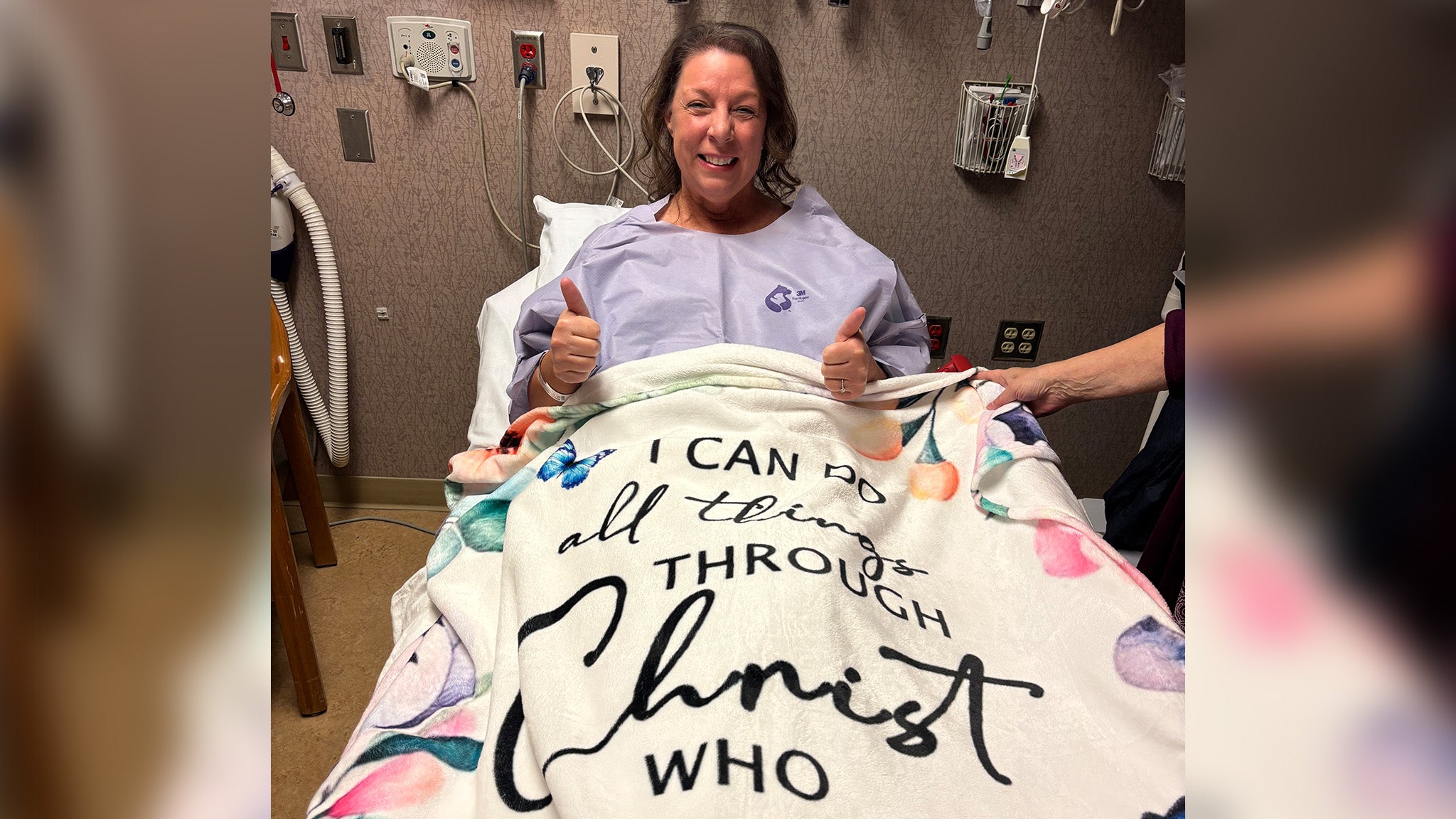
KY: Yes, it’s Crohn’s. My digestive system is basically unworking. Part of my digestive system has been cut away, which we thought was going to help, but it didn’t. The Crohn’s came back more aggressively and at this point has started to destroy my body’s systems.
This is something strange to be proud of, but I’m one of the first people that’s going to be dying from something that normally isn’t fatal. It’s slowly killing me and it came to a point that I can’t take any more medication. And my doctor sat me down and said, “We’re just basically keeping you alive right now.”
RW: There’s so much to your life. I often ask people to share something that others may not know about them. I don’t know how many people who know you from your activism are familiar with your art studies. What brought you to the Unviersity of Wisconsin-Superior to study art?
KY: I’d been an artist since I was young. I wanted to go to art school, but my mother said no, you should go to Duke University to study law or medicine. I didn’t want to do either of those, so I got my high school diploma and went to work.
Later, I went to Lake Superior College to get my associates degree because I wanted to move up at a job I had.
RW: Then you went all the way through to a master’s program at UW-Superior. Did you study under the late art professor Pope Wright?
KY: Yes, I did. He was not only my mentor, he was my friend. He was my colleague. He mentored a lot of students on the legacy of the Civil Rights Movement. He not only gave me an art history background, he gave me a Black background.
I was able to use my art to help women who were experiencing domestic violence. It helped present them as members of the community, not just something to hide away. We were able to communicate those messages through art. What I learned from Pope was how to express my art in a way that helped other women.
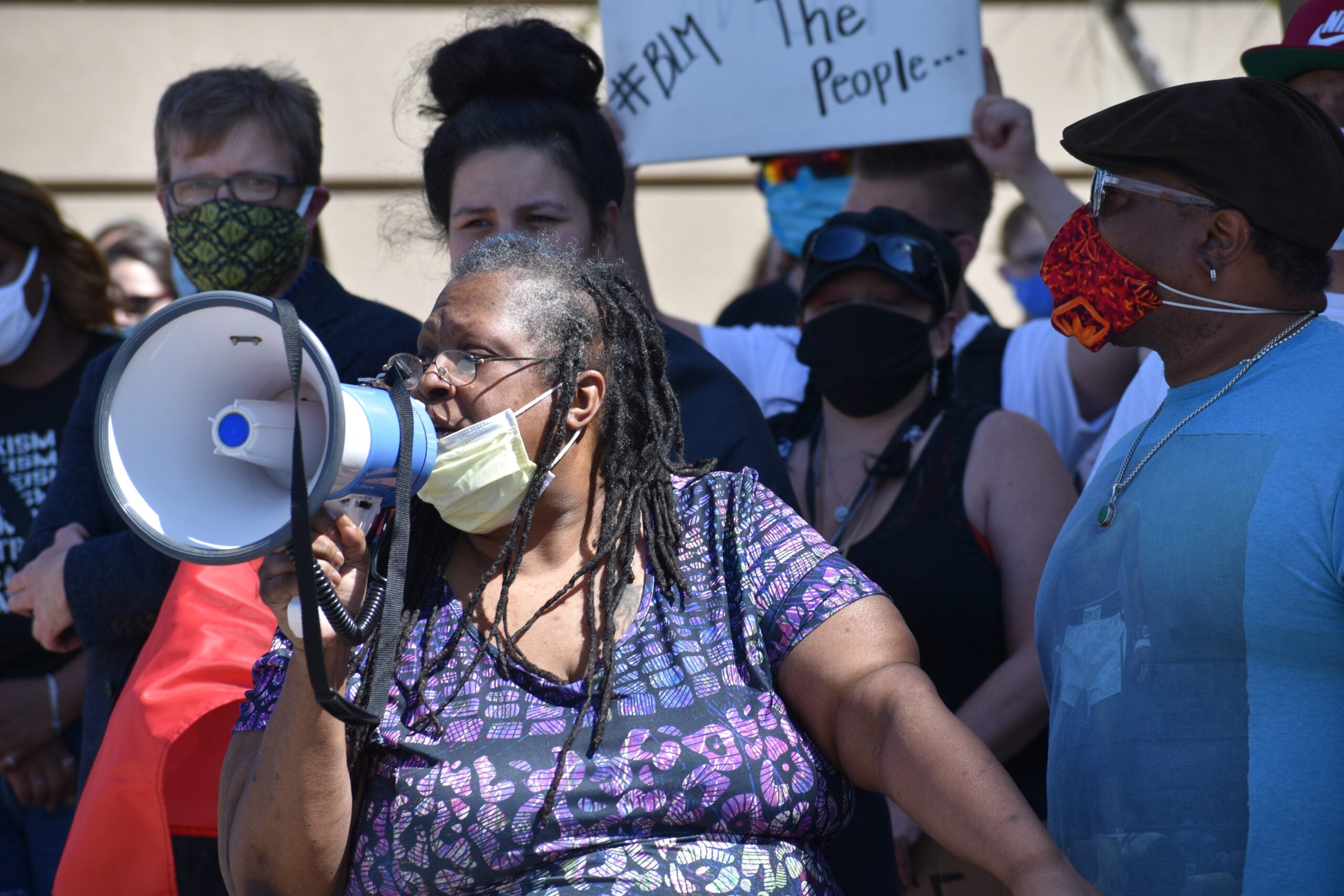
RW: There’s also your racial justice work. I remember right after the murder of George Floyd, there was a huge rally in Duluth where you were asked to speak. You were already feeling the effects of your illness, but said being there was so important that — in your words — “I put my bra on! My righteous armor!” — and made it there. People are still talking about that.
KY: Yes, I remember.
RW: What’s the legacy of your work, even as today, we have rollbacks on DEI (diversity, equity and inclusion) and almost a complete reversal from how the country responded to George Floyd’s murder.
KY: We did get some good for Duluth and Superior. Superior now has its Commission on Communities of Color, which gives us an opportunity to work on racial justice with the local criminal justice system. We moved a few mountains.
If you have an idea about something in northern Wisconsin you think we should talk about on “Morning Edition,” send it to us at northern@wpr.org.