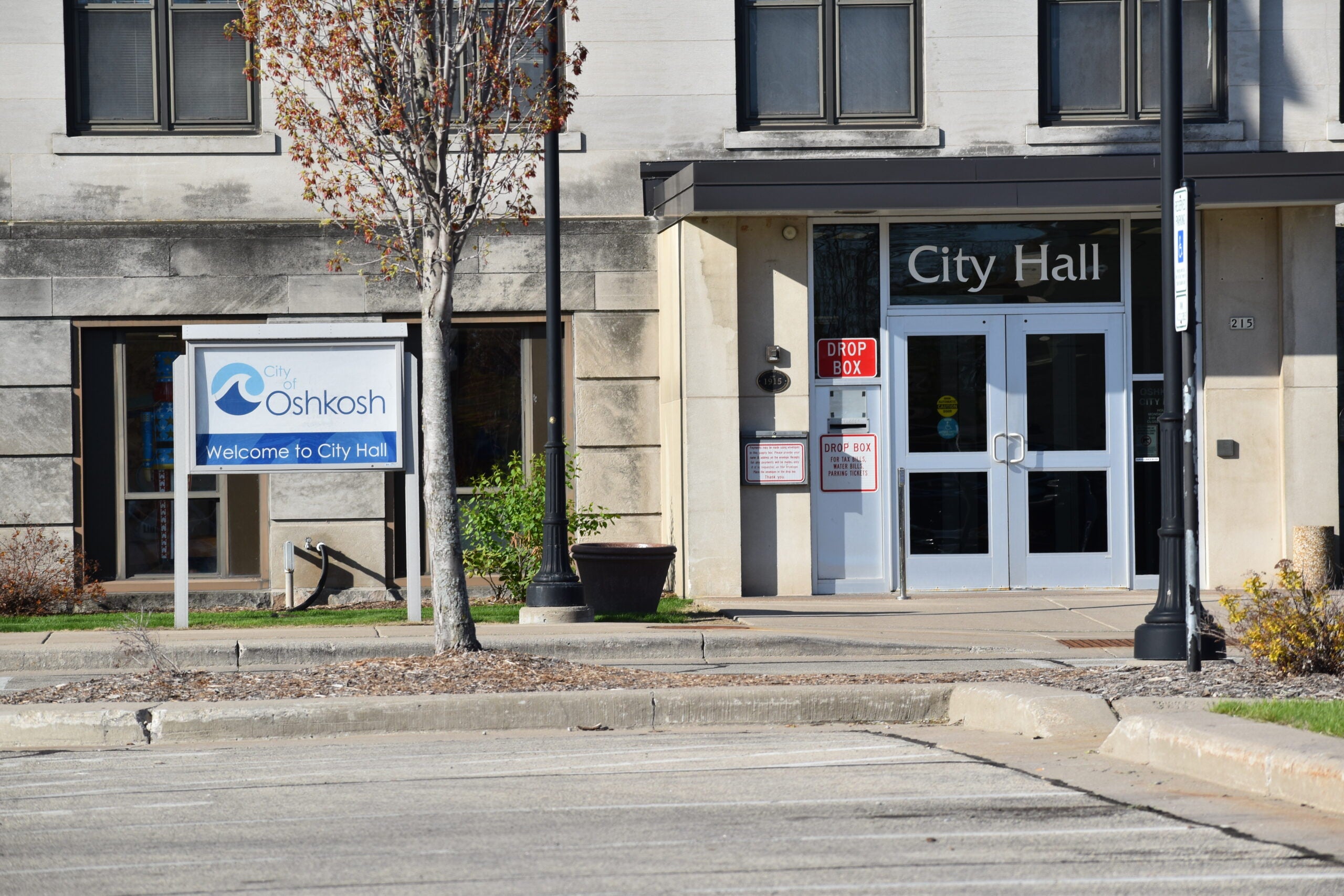
Oshkosh city leaders are calling on the state to increase funding to a program that reimburses communities for costs associated with hosting state properties, saying more than a decade of stagnating state support has shifted costs to local property tax payers.
The Oshkosh City Council recently unanimously approved a resolution urging the state Legislature’s budget committee to fully fund the Municipal Services Payments Program in the next two-year state budget.
The program was established in 1973 to reimburse local municipalities where state-owned properties like parks or offices are located. Instead of paying property taxes, the state gives cities a municipal services payment.
News with a little more humanity
WPR’s “Wisconsin Today” newsletter keeps you connected to the state you love without feeling overwhelmed. No paywall. No agenda. No corporate filter.
The payments cover things like fire, police and ambulance services, as well as on-site solid waste hauling that would typically be covered by property taxes, according to the state Department of Administration. The state uses a funding formula to calculate an estimated cost for those services.
In 1981, the program was funded to cover 100 percent of that estimated cost, according to Oshkosh’s resolution. But the resolution says funding has remained stagnant since 2011 at roughly $18.6 million.
That was enough to cover only 37 percent of the costs the state estimates it created for municipalities hosting its properties based on 2023 data, according to a 2024 spreadsheet from the Department of Administration for estimated payments going out this year.
It’s an issue that affects more than 300 communities across the state that house state facilities, leaving some municipalities on the hook for millions of dollars.
Oshkosh deputy mayor: ‘The state isn’t paying its bills’
During the council meeting last month, Oshkosh City Manager Rebecca Grill said the lack of funding has created a “significant challenge for municipalities” with larger numbers of state facilities. She said Oshkosh has the third-most state facilities in Wisconsin, behind only Madison and Milwaukee.
Those properties include the University of Wisconsin-Oshkosh campus, the Oshkosh Correctional Institution, Winnebago Mental Health Institute and Wisconsin Army National Guard facilities.
“Those are actually contributing nothing to the property tax levy for the city, and it’s having to be picked up by the Oshkosh taxpayers,” said Oshkosh Alder DJ Nichols.
The state facilities in Oshkosh have a property value of more than $900 million, and they account for more than $940,000 in police and $1.76 million in fire costs, according to the spreadsheet from the Department of Administration.
Of that approximately $2.7 million in costs, a little more than $1 million is reimbursed to the city from the state, leaving city taxpayers to cover $1.7 million in costs for state facilities, according to Oshkosh’s resolution.
Grill also said Gov. Tony Evers’ state budget proposal called for increasing funding to the program, and the resolution was meant to get it on the Legislature’s radar as lawmakers work to craft the next budget.
Oshkosh Mayor Matt Mugerauer said it would cost between $35 million to $40 million “out of a multi-billion dollar state budget” to fully fund the Municipal Services Payments program.
During the meeting, city leaders also encouraged residents to contact their representatives in the state Legislature about the problem.
“The state isn’t paying its bills,” Deputy Mayor Joseph Stephenson said. “To me, this is one of the top things you fund. You pay your obligations. You make the municipalities whole.”
Milwaukee, Madison say state funding doesn’t keep up with municipal services
In an email, Jeff Fleming, a spokesperson for the city of Milwaukee, said Milwaukee hosts a variety of state facilities ranging from a university to office buildings.
“The city is appreciative that state facilities are located here,” he said. “That said, locally financed support for those facilities, including infrastructure and emergency services, certainly exceeds the municipal service payments Milwaukee receives from Madison.”
According to the DOA spreadsheet, the property value of state facilities in Milwaukee was $1.3 billion. The facilities account for $3.5 million in police and $2.7 million in fire services, but Milwaukee’s total reimbursement is only $2.3 million.
“While our elected leaders have not explicitly called for more municipal service payments, Milwaukee does support efforts to secure our appropriate share of intergovernmental funding,” Fleming said.
State facilities in Madison, home to the state Capitol and UW-Madison, have a property value of more than $8.3 billion, according to the DOA spreadsheet. State facilities account for roughly $10.7 million in police and $10.7 million in fire costs to the city. But the city of Madison’s reimbursement is a little less than $8.1 million.
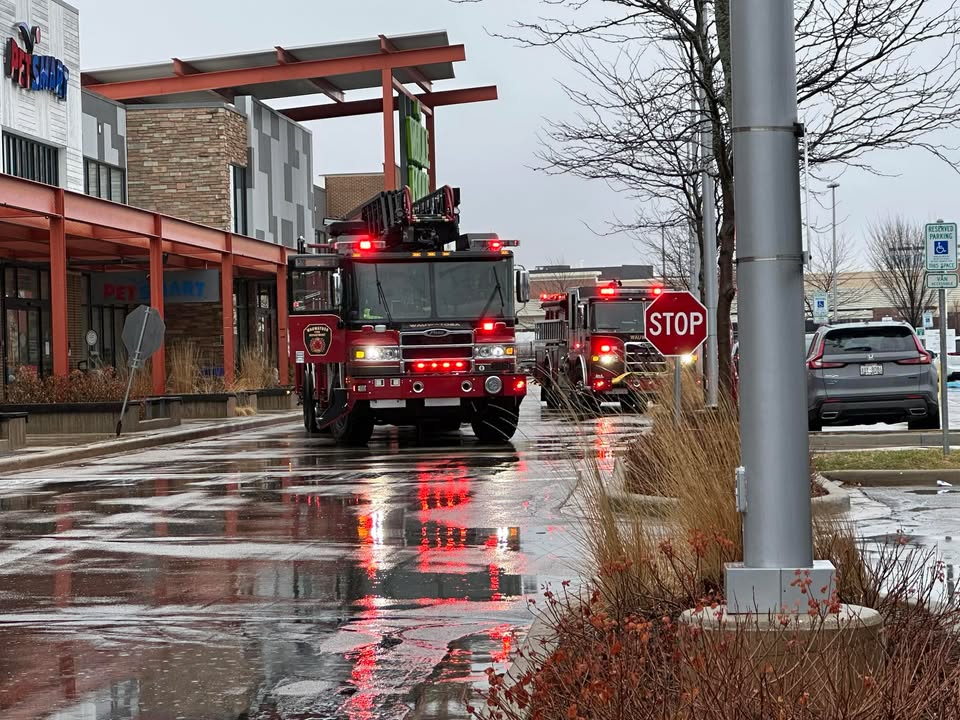
In a statement, Dylan Brogan, a spokesperson for the city of Madison, said the city’s fire department responded last summer to a large fire at UW-Madison’s Agricultural Research Station, which required firefighters to work “through the night to contain the threat.”
He said the municipal services payment is meant to help compensate local governments for services to state facilities, like fire protection.
“The Madison Fire Department always puts out 100 percent of the fire,” he said. “However, the state pays less than 40 percent of the cost. The result is local property taxpayers pay the difference, making it even more difficult for local governments to balance their budgets.”

Wisconsin Public Radio, © Copyright 2026, Board of Regents of the University of Wisconsin System and Wisconsin Educational Communications Board.