Even after 20 years of performing kidney transplants, Dr. Nikole Neidlinger is still awestruck and humbled by the role she plays between the donors and recipients of these organs.
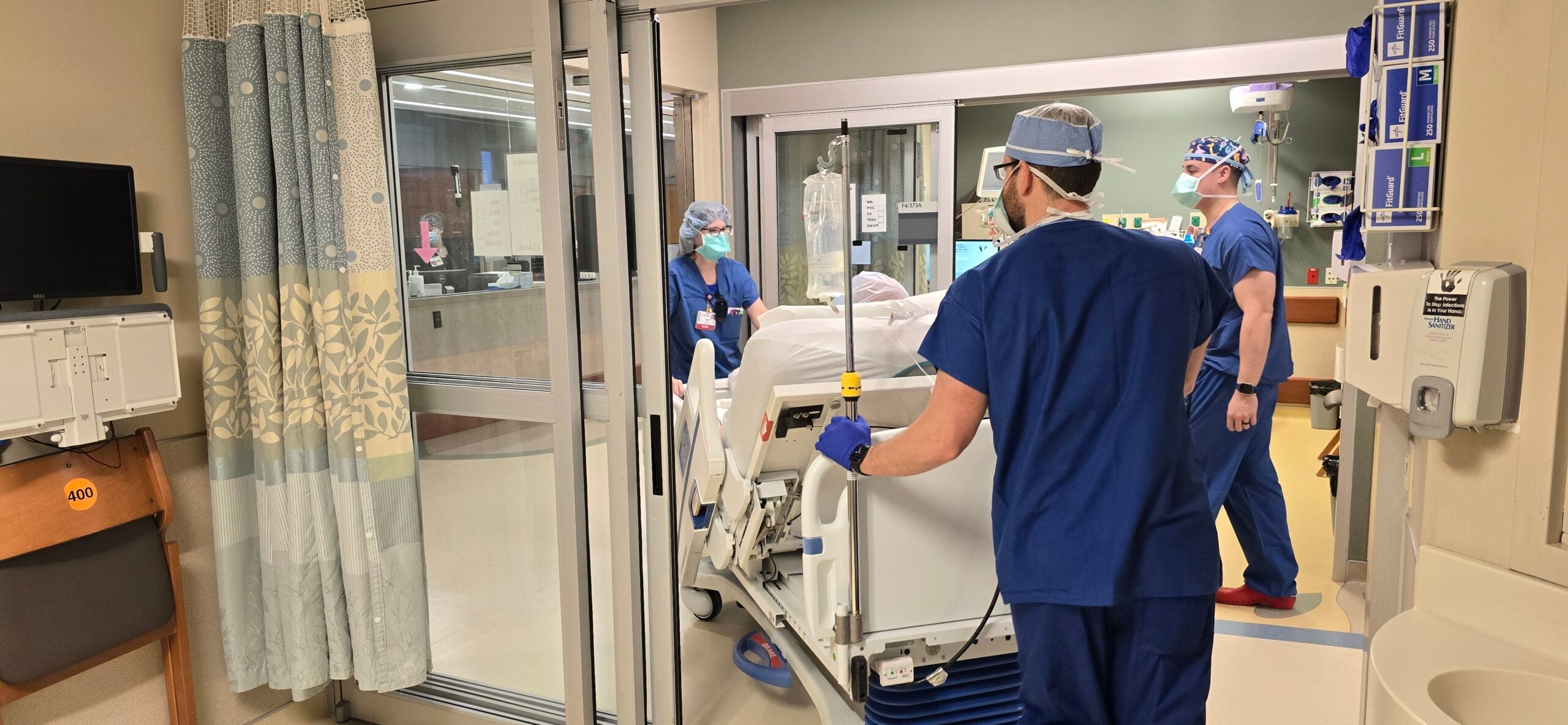
“The operation takes two to three hours,” she said. “When we attach a kidney and open it up to blood flow, it just starts functioning. I’ve seen it thousands of times now, but every time I’m like, ‘This is a miracle. This is amazing.’”
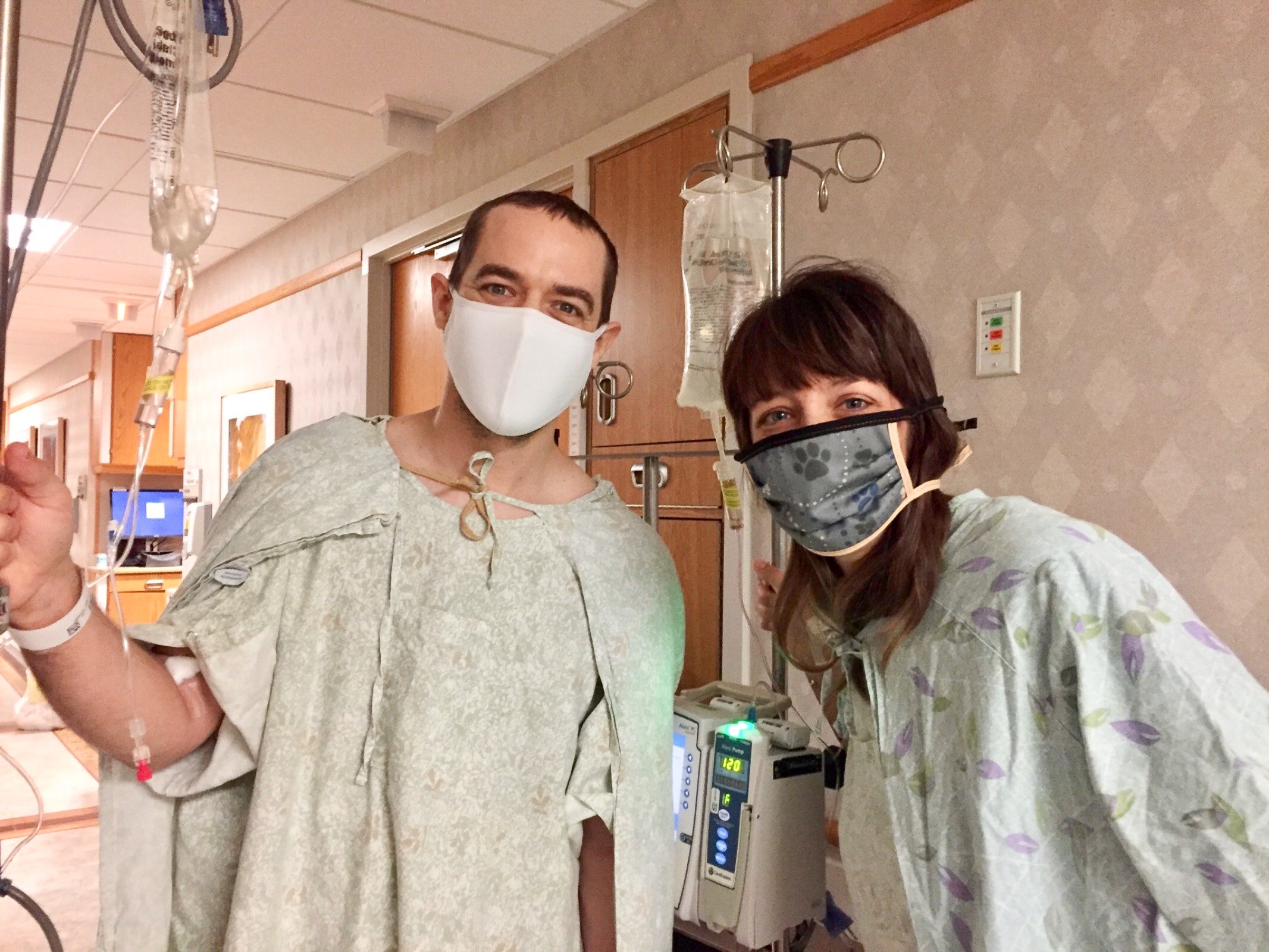
The waiting list for kidneys is long. And those in need of one often are undergoing dialysis three or four times a week “and unable to travel or do a lot of things that bring them joy,” Neidlinger said recently on WPR’s “The Larry Meiller Show.”
News with a little more humanity
WPR’s “Wisconsin Today” newsletter keeps you connected to the state you love without feeling overwhelmed. No paywall. No agenda. No corporate filter.
After a transplant, “I see the look on the patients faces knowing their life is completely changed. Often they’re out of the hospital in three or four days with a whole new lease on life,” said Neidlinger, director of Organ and Tissue Donation at the UW School of Medicine and Public Health.
On his show, Meiller shared that he is a two-time organ recipient — of a cornea and bone marrow — from two different donors.
“There’s nobody who feels more close to those folks who anonymously contributed their organs than I am,” Meiller said. “It’s a humbling experience, and I feel very, very grateful.”
Joining Meiller and Neidlinger to talk about organ donation was Dr. Toby Campbell, chief of palliative care for UW Health and a medical oncologist for UW Health’s Carbone Cancer Center.
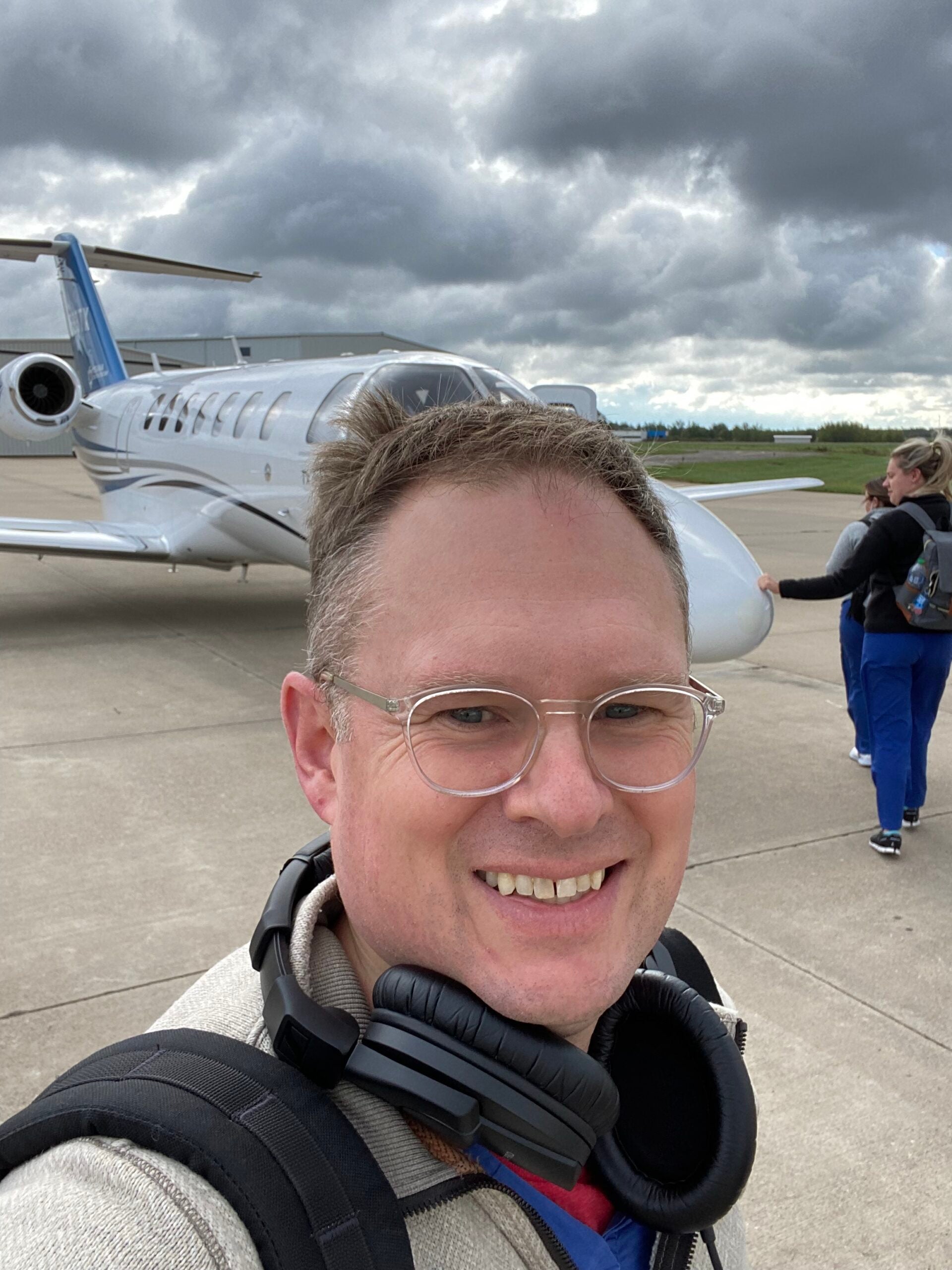
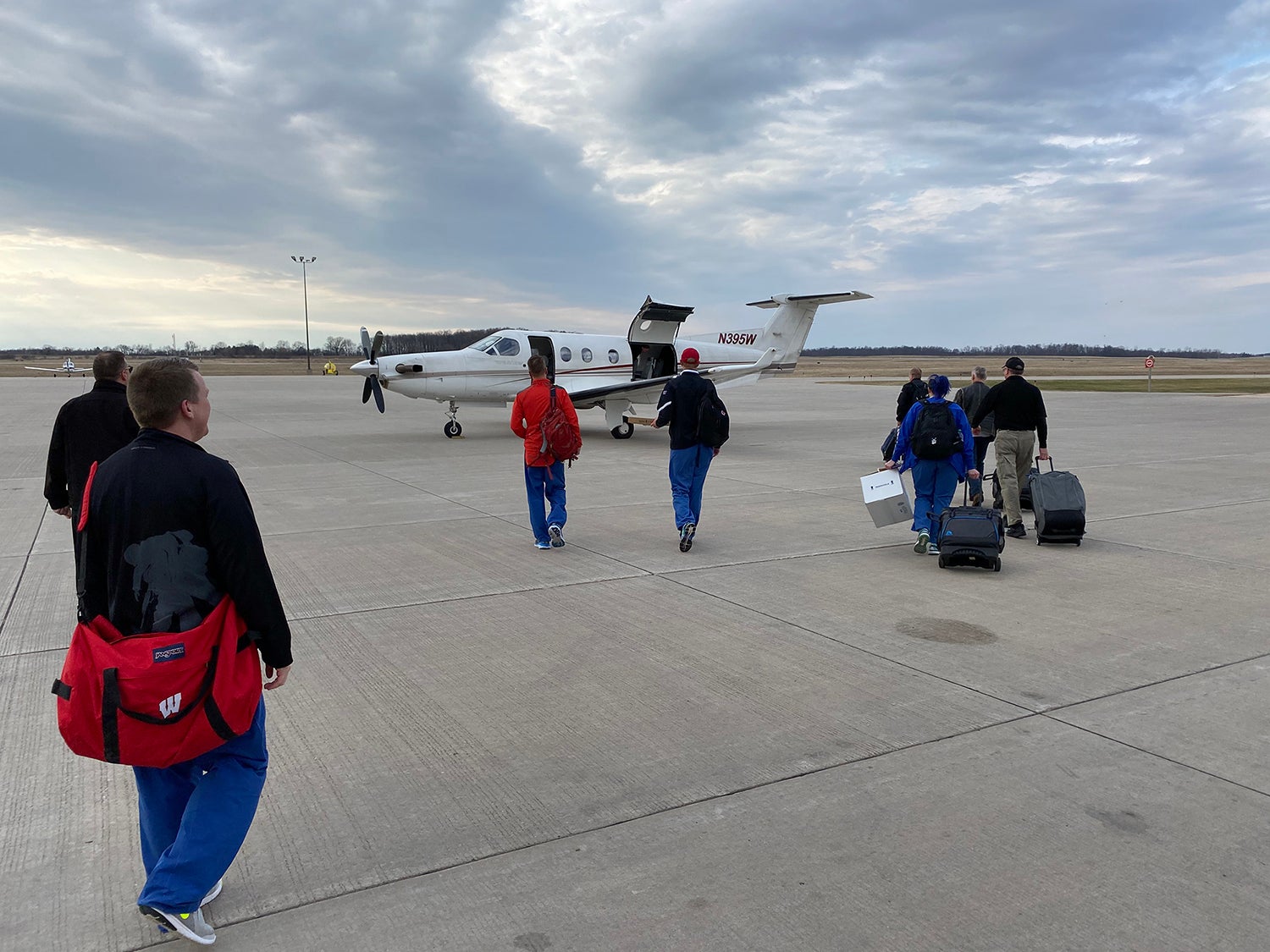
“I got to join a team an organ recovery trip and I can attest that this is an almost unbelievable experience, from start to finish, with the energy and enthusiasm and amazing coordination it entails,” Campbell said.
Campbell hosts the podcast “Extraordinary Conversations,” the first season of which is focused on organ donation.
The following interview has been edited for brevity and clarity.
Larry Meiller: How important is it to have people willing to donate organs?
Dr. Nikole Neidlinger: In Wisconsin, several thousand people are on the waiting list. This is a state that has been very generous toward organ donation. More than 60 percent of Wisconsin drivers have signed up to be organ donors.
Despite that, there’s a shortage of donors. So the list continues to grow at a rate that is quicker than we can do transplants. The biggest limiting factor is availability of organs. So there’s still quite a few people who have the opportunity to donate and just aren’t. We aren’t reaching those folks.
LM: I’ve read that one organ donor can help as many as 75 people.
NN: That’s true. One potential donor typically can donate their solid organs — things like lungs, hearts, kidneys. People can donate up to eight organs. And then additionally, people donate tissues. These are things like corneas, ligaments for knee replacements or ACL reconstructions, skin for burn victims or cancer reconstruction victims. We do have organ donors that are newborn infants up to those into their 90s.
But in order to donate your solid organs, you have to essentially die in a hospital. Your organs have to be getting blood and oxygen up until it’s recovered. You can still donate tissues — ligaments, heart valves, corneas — within about 24 hours of your death. Tissues are recovered and then quarantined until the donor can be tested for infections and cancers that may exclude a tissue donor.
LM: Dr. Campbell, you’ve dealt with transplant patients and donor families. How difficult are those conversations with potential donors?
Dr. Toby Campbell: Imagine it. You go to meet with a family on their worst day when they’re loved one is in an ICU. This is the circumstance in which you meet a family and have to walk them through this potential possibility. I don’t think there are situations that are more difficult.
LM: If somebody dies and hasn’t made known their wishes about organ donation, is it possible for a family member to make that decision for them?
TC: Yes, we call that surrogate decision making. In medicine, we do this all the time — meet with people who are unable to make decisions for themselves. They’re too sick or they’re in the ICU on a breathing machine, for example.
If we feel someone needs an urgent decision and they aren’t going to be able to make it for themselves, then we turn in many cases to people who have predetermined health care power of attorney; someone designated by the patient who they want to speak on their behalf. If you don’t have a health care power of attorney, we have a process. We go to a spouse first and then adult children.
I strongly encourage people to talk to those in your life who love and care about you and who would be in a position to make decisions for you, if you ever needed that. I’ve met with families who are struggling with this, and the knowledge that their loved ones signed up to be an organ donor … is so helpful to those families in the moment. I have had families say that the decision to donate powerfully influenced their grief experience for years to come in a positive way.
NN: The vast majority of people are (designating themselves as organ donors) at the DMV, and that is a legal and binding process. You can also do it through heroicdeed.com. But designating someone with health care power of attorney is going to be the best way to make more broad, end-of-life decisions for yourself beyond just organ donation.
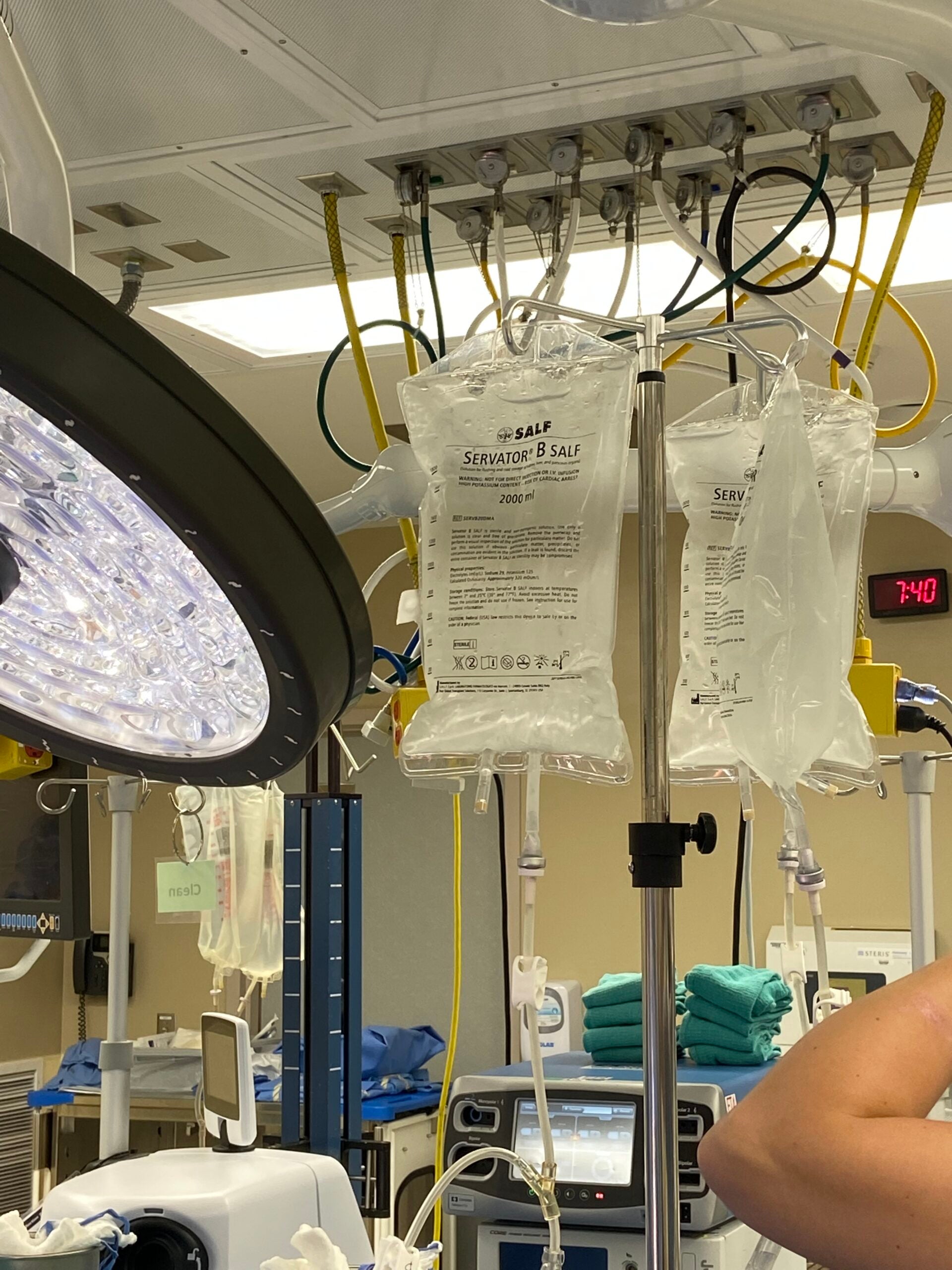
Typically when an organ donor is going from the ICU to the operating room, where you actually perform the organ procurement, there’s often a line of hospital employees, nurses, respiratory technicians and physicians honoring the person; standing in silence, shoulder to shoulder, the whole way to the operating room. And then before we start the procurement, we also have a moment of silence. We often offer some reflections that the family has given us about their person. So that we pay homage to the fact that this is a person who has given such a tremendous thing. It’s a really incredible and profound experience and probably the biggest privilege of my life.