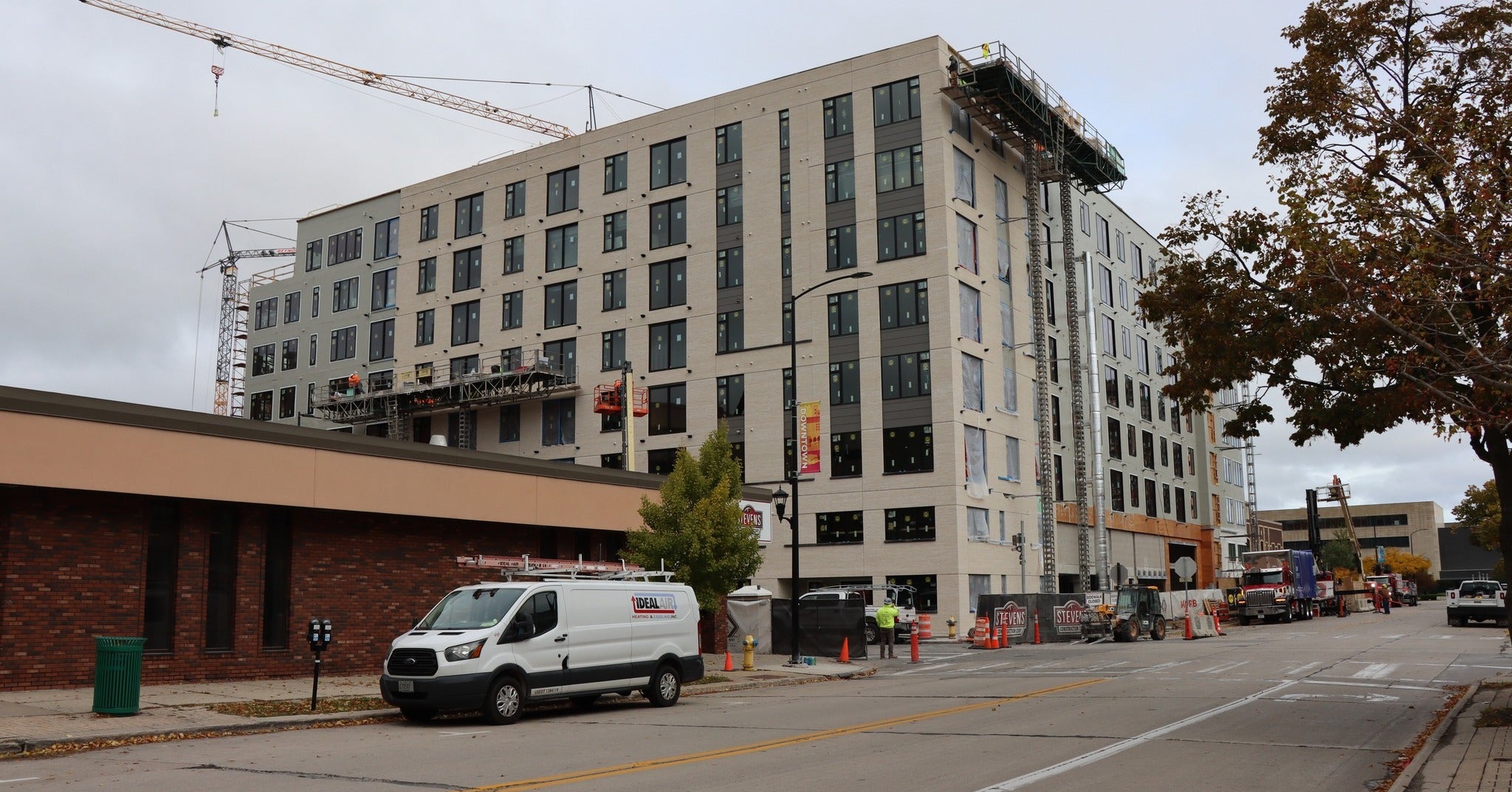
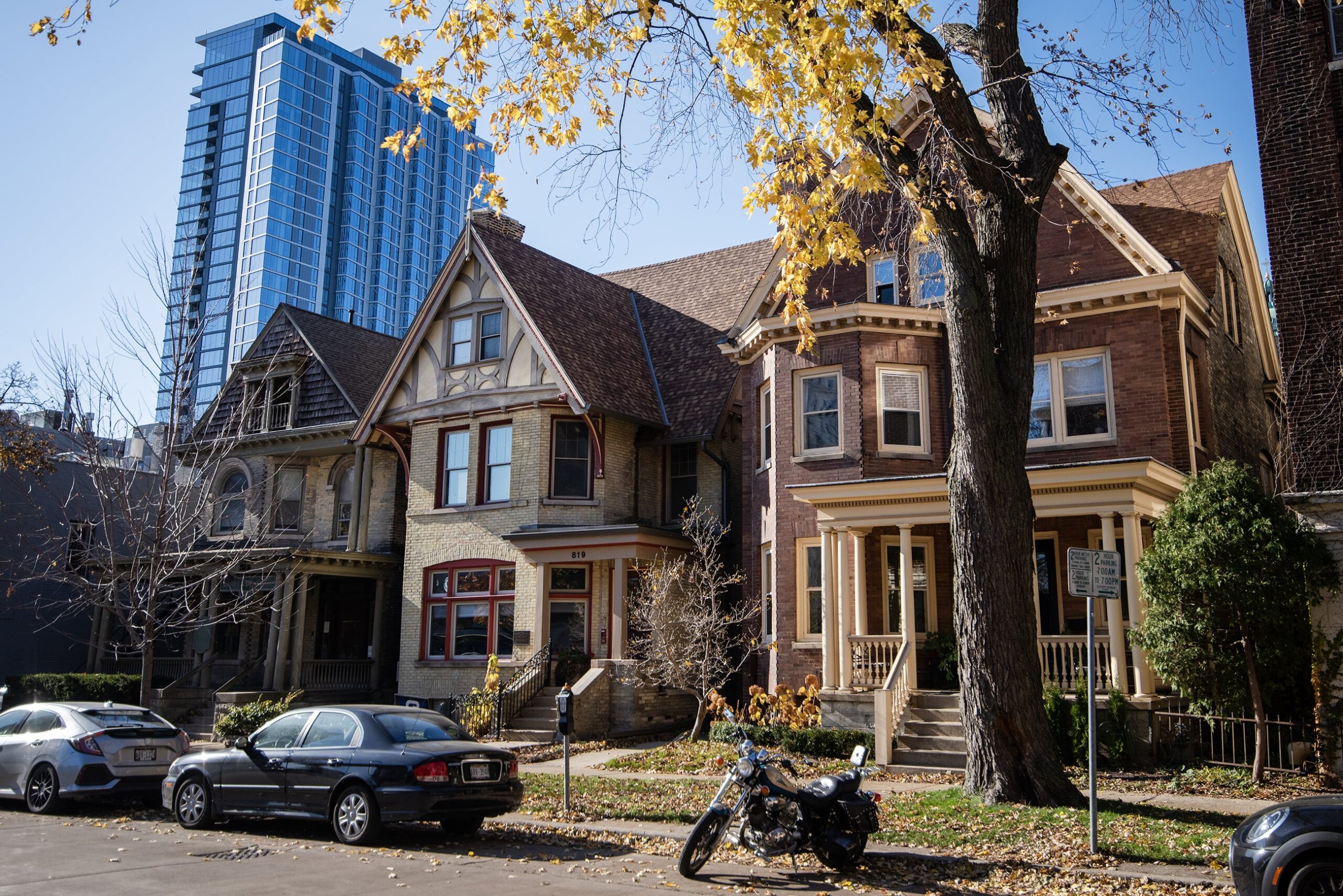
In early 2023, Milwaukee Mayor Cavalier Johnson announced an ambitious goal: growing his city’s flagging population to 1 million people.
That fall, Johnson unveiled Growing MKE. The zoning overhaul was meant to boost Milwaukee’s housing supply. It included a proposal to allow multifamily buildings in single-family districts.
But an initial vote on the plan in July 2024 got heated when some residents and lawmakers from Milwaukee’s majority-Black north side said the plan could cause displacement. The vote was delayed, sending the plan into a lengthy public engagement process.
News with a little more humanity
WPR’s “Wisconsin Today” newsletter keeps you connected to the state you love without feeling overwhelmed. No paywall. No agenda. No corporate filter.
Over the last year, a wide range of neighborhood groups, alders and citizens weighed in on the proposed changes.
That debate ended Tuesday as Milwaukee’s Common Council passed the revised plan, now known as the Housing Element of the City of Milwaukee Comprehensive Plan.
It no longer calls for allowing duplexes and triplexes in areas zoned for single-family houses.
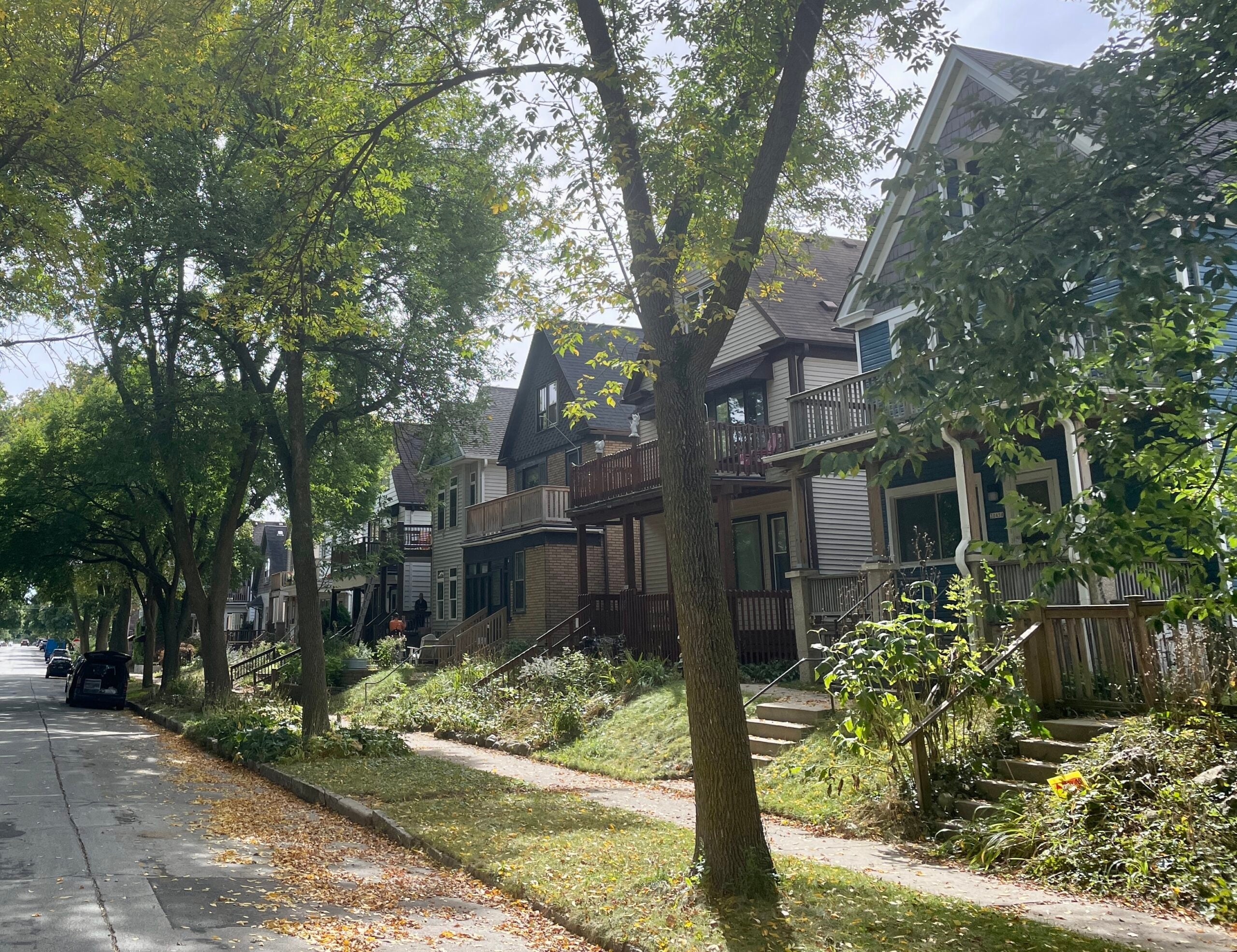
But many proposed changes weathered the engagement process.
Some new types of housing — townhouses, cottage courts and accessory dwelling units, known as ADUs — are still recommended for single-family districts, which cover 40 percent of Milwaukee’s total footprint. The plan recommends new formulas to boost allowable apartments in commercial corridors.
As for the Growing MKE name, the final draft plan says it was scrapped “to better reflect the plan’s goals of meeting the housing needs for existing residents, as well as the needs of those who will call Milwaukee home in the future.”
Twelve of the city’s 15 alders voted for the final, revised plan.
Initial critics questioned lack of input from disadvantaged communities
To Melody McCurtis, Growing MKE’s original problem was its lack of input from majority-Black neighborhoods like her own Metcalfe Park and Spanish-speaking neighborhoods on the city’s south side.
She’s a director at Metcalfe Park Community Bridges, an organization that helped delay the plan’s initial vote.
“We were never against changing the zoning policy,” she said. “But we were always against not being at the table in the beginning, middle and the end.”

In Metcalfe Park, 42 percent of households fall below the poverty line. That comes with its own housing priorities. McCurtis said her group is working on prisoner re-entry housing and rehabbing vacant homes.
The area’s alder, Russell Stamper, lambasted Growing MKE, comparing its planning process to 1960s highway construction that demolished Black neighborhoods.
But by successfully pressing for more public engagement, McCurtis said, she believes her community learned “that they actually have power.” The new plan adds a list of priorities including repairing existing neighborhoods and growing home ownership.
Plan raises concerns about future of single-family neighborhoods
After a year of engagement, the plan emerged without its duplex and triplex proposal.
Alder Robert Bauman, who chairs the Milwaukee Common Council’s zoning committee, said he thought the initial plan was “extremely critical” of single-family houses.
“And I guess I’m not yet ready to declare single-family residential dwellings somehow morally corrupt,” he said.
He said he believes most alders who opposed the original plan did so for that reason.
That sentiment was echoed by Sam Leichtling, the deputy commissioner of city development, whose office wrote the original and revised plans.
“We are a city that still has portions of the city where home ownership remains accessible and attainable to middle-class families, and there were certainly concerns that some of the changes recommended by the Housing Element might impact that,” he said.
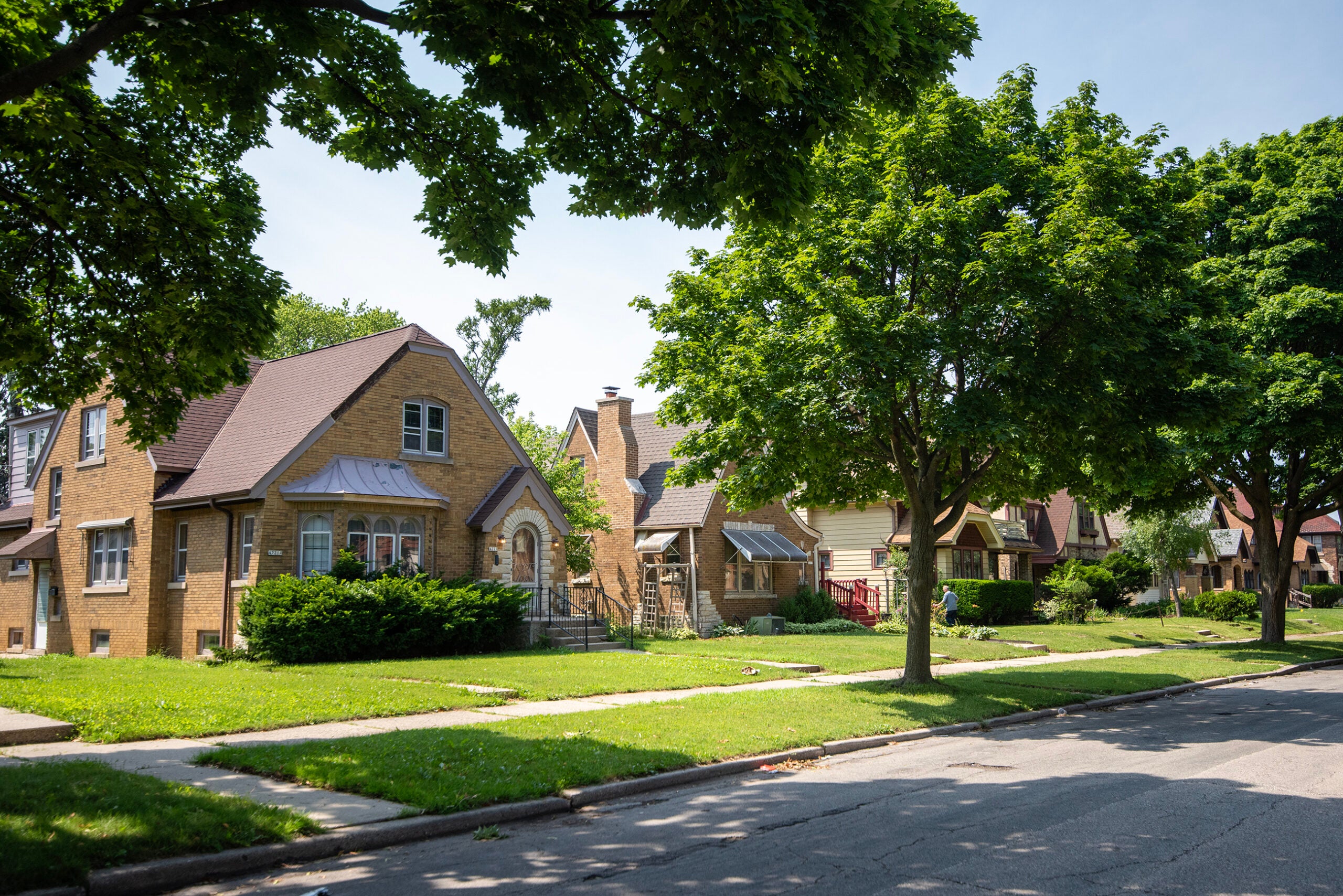
City plans usually don’t change the zoning codes directly. Instead, they make recommendations. It’s up to city lawmakers to turn those into real legislation.
Bauman has already done that with one of the plan’s recommendations: allowing ADUs, also called “granny flats” or “in-law units,” to be built on single-family properties.
That ordinance passed Common Council by a narrow 8-7 vote Tuesday.
Alder Scott Spiker, who represents the south Milwaukee Garden District, voted against the ordinance. He argued Monday that adding an ADU to a house would effectively make it a duplex without neighbors’ input.
Some in Milwaukee’s wealthy lakefront neighborhoods also opposed allowing ADUs. Over a dozen residents of the Lake Drive area sent letters opposing the Housing Element plan over its ADU recommendation and asking the city to create a special permit for ADUs instead.
Plan will still grow housing supply, city official says
Even after changes, Leichtling’s department believes the zoning plan will grow Milwaukee’s housing supply, he said.
“The changes recommended by the Housing Element will have real and positive impacts on the ability to continue to develop the types of housing choices that Milwaukeeans want within the city,” Leichtling said, citing his office’s analysis of similar changes in other cities.
He singled out allowing ADUs citywide and changing formulas for allowable developments in commercial areas as the potentially most impactful changes.
Alders reflect on what could’ve been done differently
To alder Marina Dimitrijevic, the revised plan could go further.
“I wish it would do a little bit more, but it’s the first step,” she said.
She represents Bay View, an area of Milwaukee that already has a mix of single and multi-family housing. She wasn’t sure, she said, how “holding onto” single-family zoning helps address Milwaukee’s “great need” for affordable housing.

Her ideal housing plan, she said, would “dig a little deeper” and identify funding sources for the city’s down payment assistance program and Housing Trust Fund, which is helping build over 500 senior and workforce apartments in her district.
Meanwhile, Alder Bauman claimed that, in its scaled-down version, the new Housing Element plan doesn’t actually open the door to any zoning legislation beyond the purview of Milwaukee’s existing comprehensive plan.
He said specific legislation recommended by the new plan — like his ADU ordinance and a new zoning category for five-to-eight-unit apartments — would pass muster with Milwaukee’s existing Citywide Policy Plan, adopted in 2010.
“All that could’ve been accomplished without this long, protracted fight over the language in a document which didn’t really change anything,” he said.
The office of Milwaukee Mayor Cavalier Johnson declined an interview request, directing questions to its Department of City Development.

Wisconsin Public Radio, © Copyright 2026, Board of Regents of the University of Wisconsin System and Wisconsin Educational Communications Board.