Last month, Wisconsin’s Office of Violence Prevention officially began operations to spend $10 million in grants that will go to organizations and local governments across the state working to combat violence.
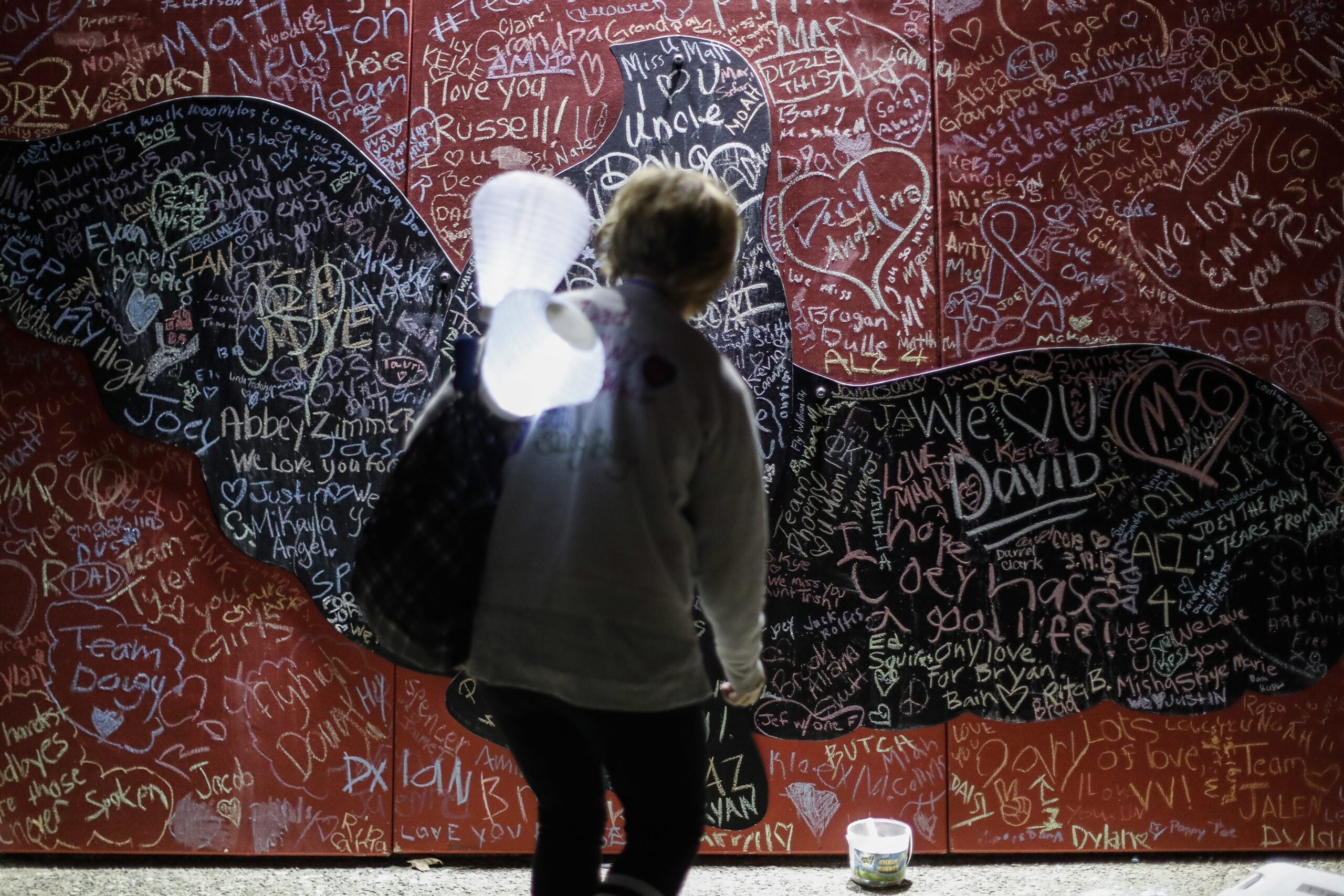
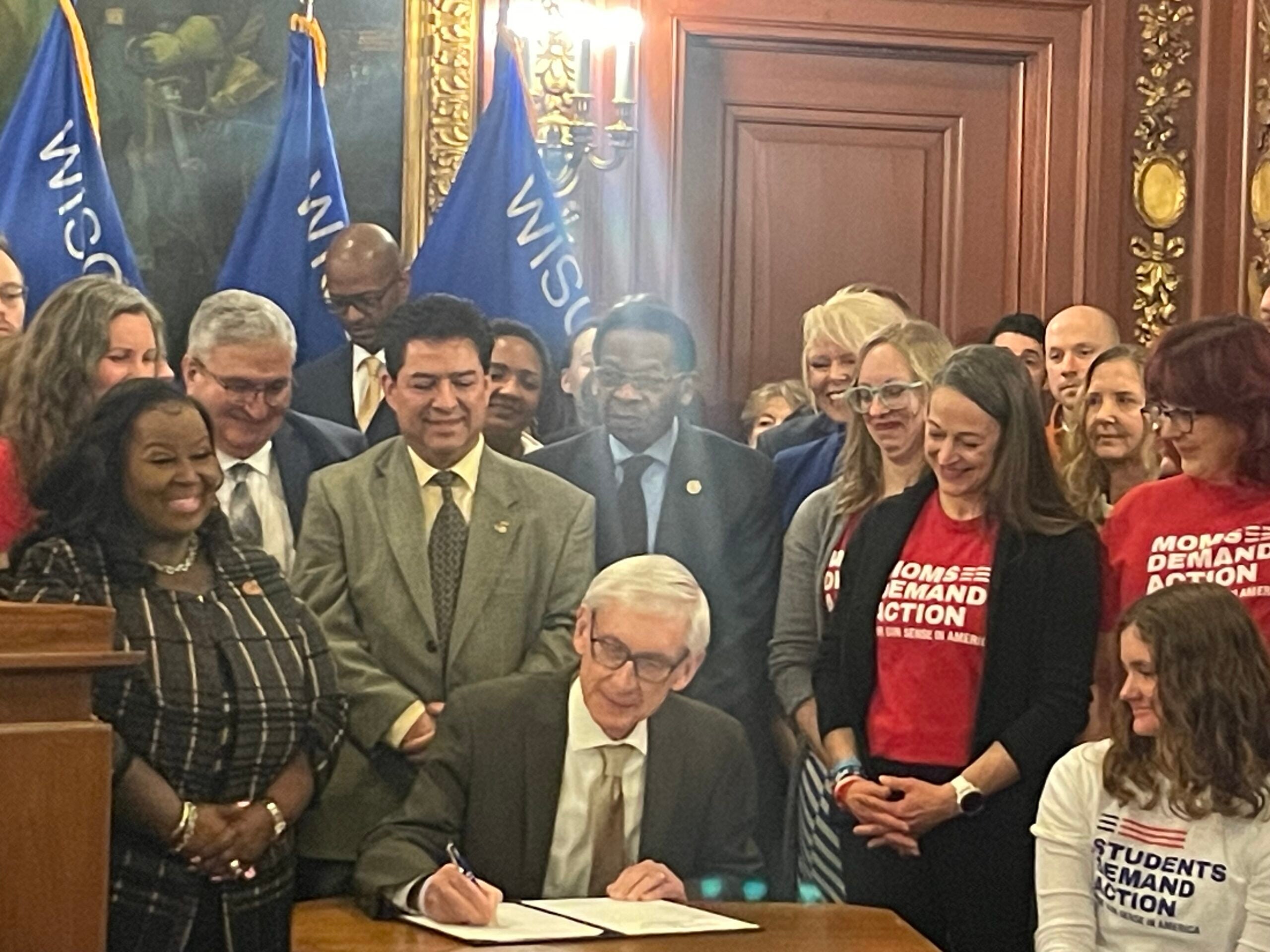
Wisconsin’s office — first established by executive order days after the fatal school shooting at Abundant Life Christian School on Dec. 16, 2024 — is now among at least a dozen such offices that have launched across the country.
The grants will support work being done in specific areas such as suicide prevention and firearm storage, school-based programming and criminal justice-based initiatives. The funds came from the 2021 American Rescue Plan and must be expended by Dec. 31, 2026, director Amanda Powers told WPR’s “Wisconsin Today.”
News with a little more humanity
WPR’s “Wisconsin Today” newsletter keeps you connected to the state you love without feeling overwhelmed. No paywall. No agenda. No corporate filter.
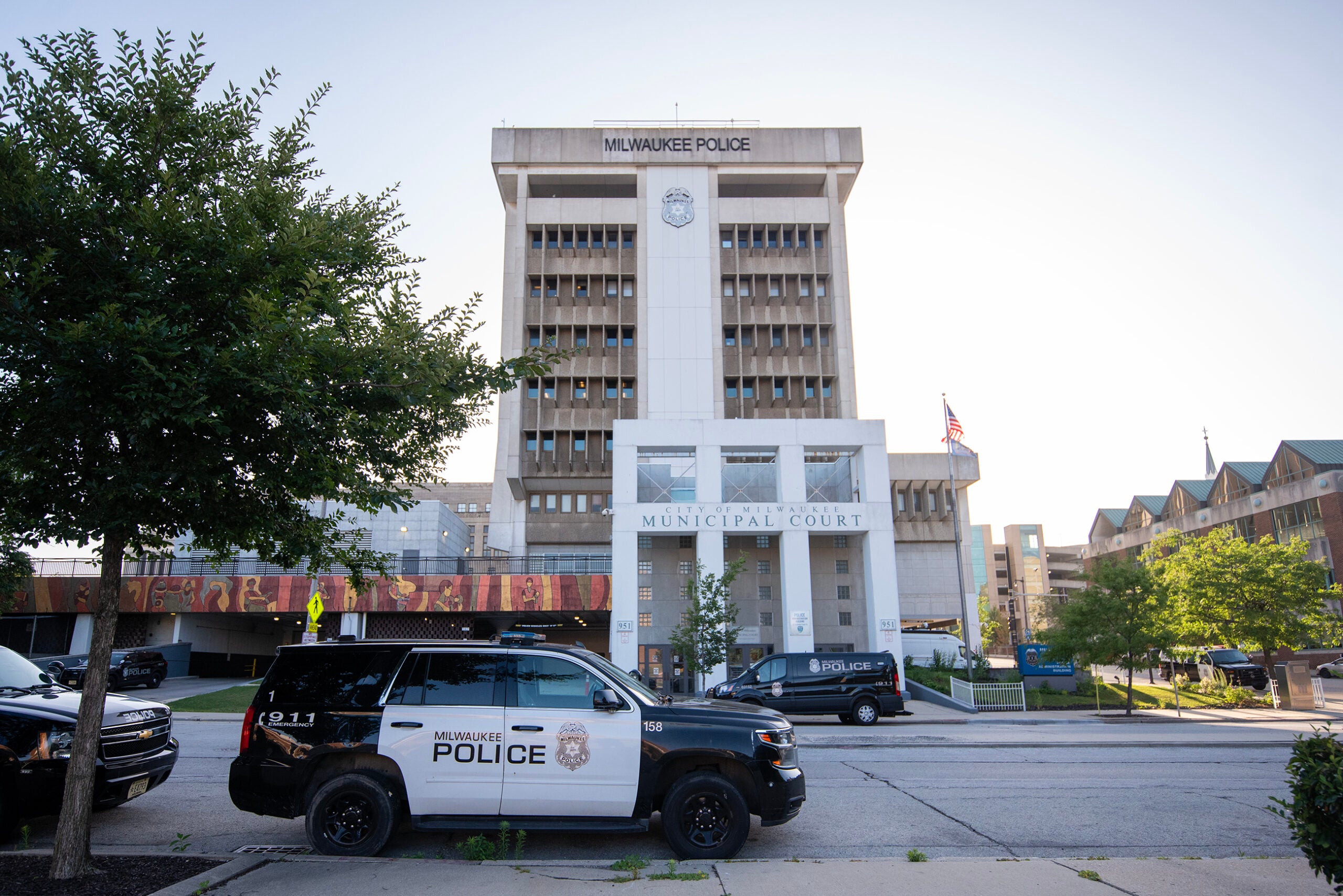
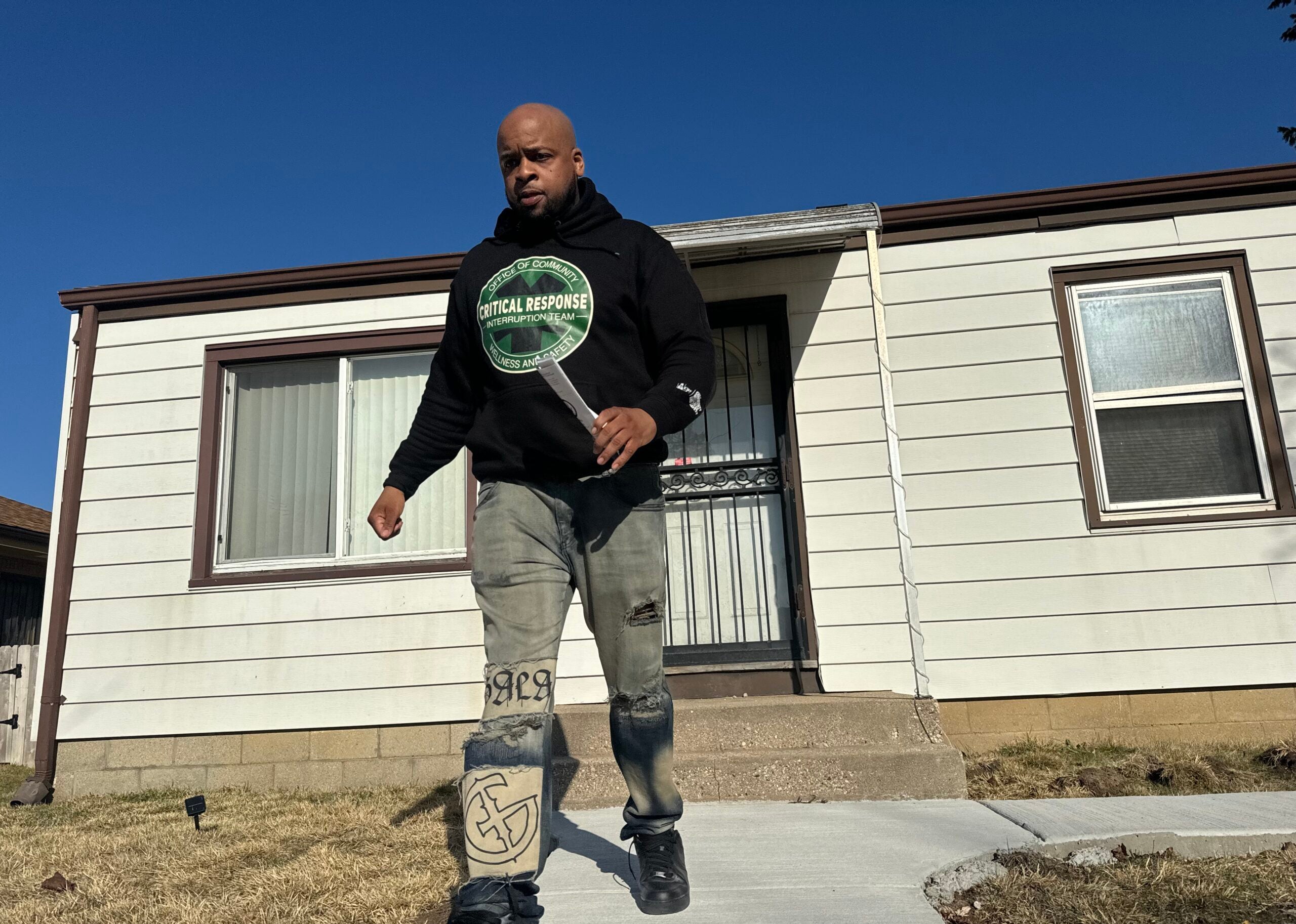
The history of violence prevention offices dates back decades, to the first in Chicago in 1994, when the city experienced 930 murders that year. Milwaukee opened its own city-based office, now the Office of Community Wellness and Safety, in 2008.
Mike McLively, a senior staff attorney at GIFFORDS Law Center and the policy director of the organization’s Center for Violence Intervention, said his organization meets monthly with a group of Office of Violence Prevention leaders to learn what’s working and what’s not.
He said Wisconsin’s pattern of violence is similar to other states in that the denser urban areas experience community or interpersonal violence, while in rural areas, suicide is a more common form of violence.
“These offices, where they’re effective, have been helping localities gather data and understand, ‘Are you facing a suicide problem? Are you facing a homicide problem?’ Because those (issues) have very, very different solutions,” he told WPR’s “Wisconsin Today.”
McLively discussed the work of other statewide Offices of Violence Prevention.
The following interview has been edited for brevity and clarity.
Kate Archer Kent: What are best practices from these statewide offices of violence prevention?
Mike McLively: A few years ago, there were no statewide Offices of Violence Prevention and now there’s more than a dozen across the country.
Where we’re seeing success is offices that are looking at gun violence and violence in general as a very multifaceted issue: It’s not just suicide, it’s not just mass shootings and it’s not just criminal justice or gun policy. It’s housing policy, it’s economics, it’s education.
KAK: How do these offices ensure they have enough funding for the long haul?
ML: One of the main sources of funding has been state governments that stepped up under the Biden Administration.
Before this current administration, there was actually a White House Office of Gun Violence Prevention that was created for the first time in history that’s since been disbanded.
Under the Trump administration, we’ve seen lots of different funding streams for violence prevention cut, unfortunately. So that’s the bad news.
The good news is that states have stepped up to try to fill that gap, and it’s really on these agencies to be creative about how they’re leveraging what is available.
KAK: In Wisconsin we now have a statewide Office of Violence Prevention but we also have these local offices at the city level and at the county level. How do you see other states with multiple offices interacting with these different programs and the different initiatives?
ML: This is one of the areas of improvement for the whole country, but I think Illinois actually offers a really effective model. In the last few years they’ve built a very robust partnership between the state level and other offices that work on violence like Cook County, where Chicago is located, and the city of Chicago.
The city, the county and state government have all come together to coordinate on their violence prevention grant making, data collection and evaluation of the programs. And you really don’t see that in many parts of the country. You need that kind of coordination to move the needle on this.
KAK: I imagine some people feel that the level of violence across the globe is insurmountable — is it?
ML: What keeps me going is looking at the big picture.
In the United States, we had a giant spike in gun violence in the wake of Covid, but we’re also seeing historic reductions in a lot of cities around the country. I could point out a dozen different cities, from Baltimore to Chicago to Los Angeles, that are having decades-low levels of homicides. And California — the data is still being finalized— but 2024 will have been the lowest gun homicide rate on record.
Those kinds of headlines are not really breaking through, but it gives me hope that we actually are making a lot of progress.