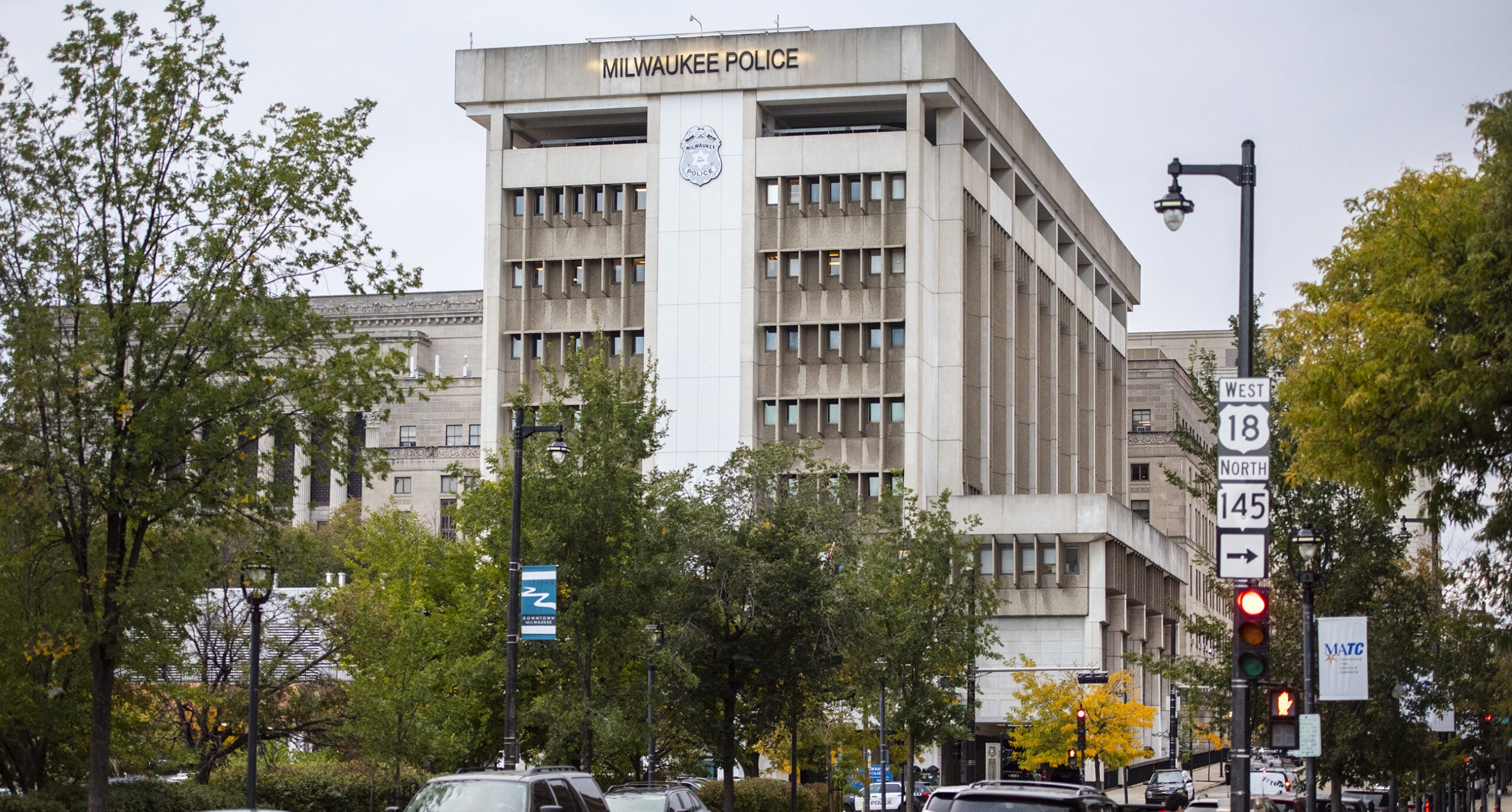
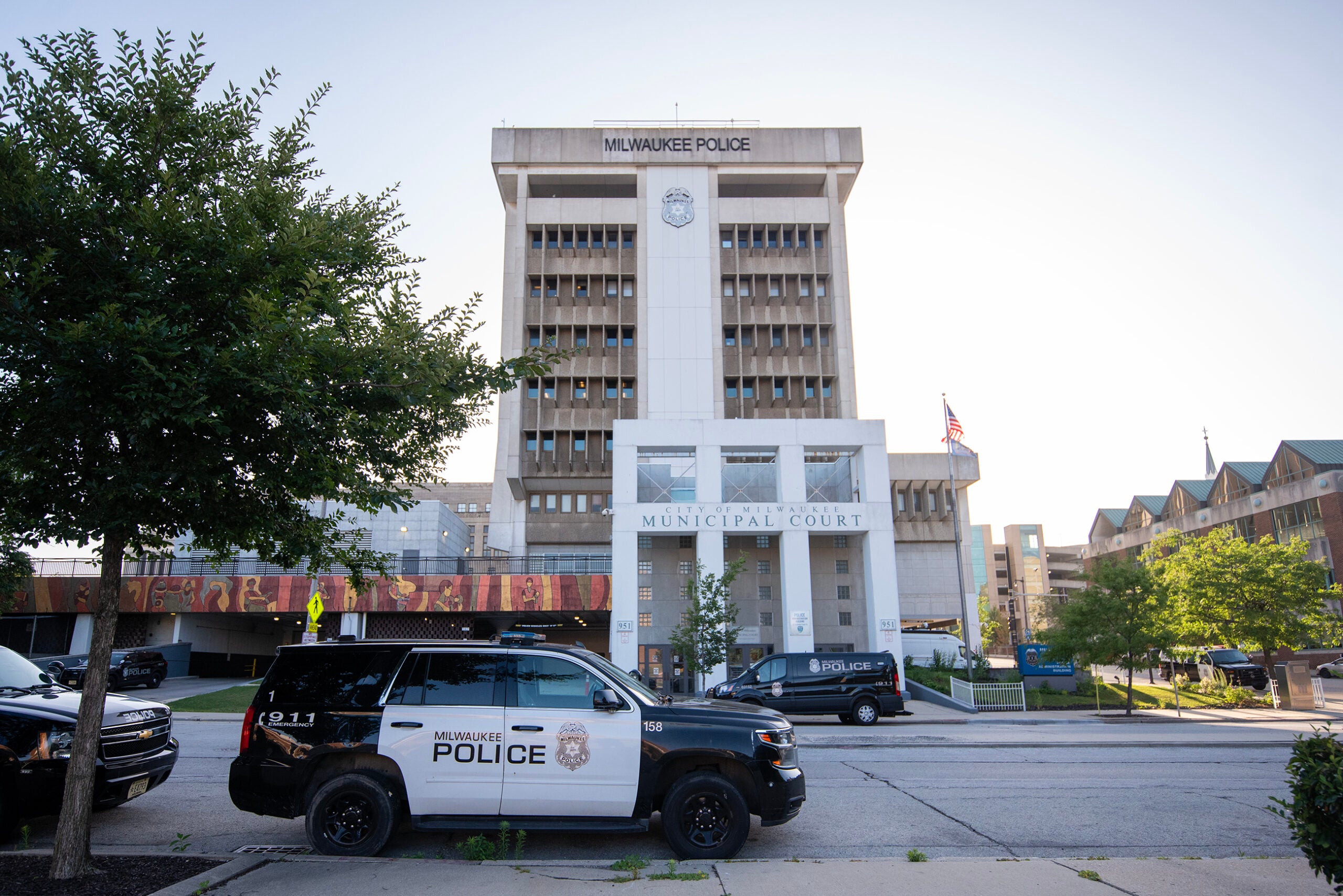
Homicides increased by 8 percent in Milwaukee last year, even as murder rates fell by double-digits in large cities around the country.
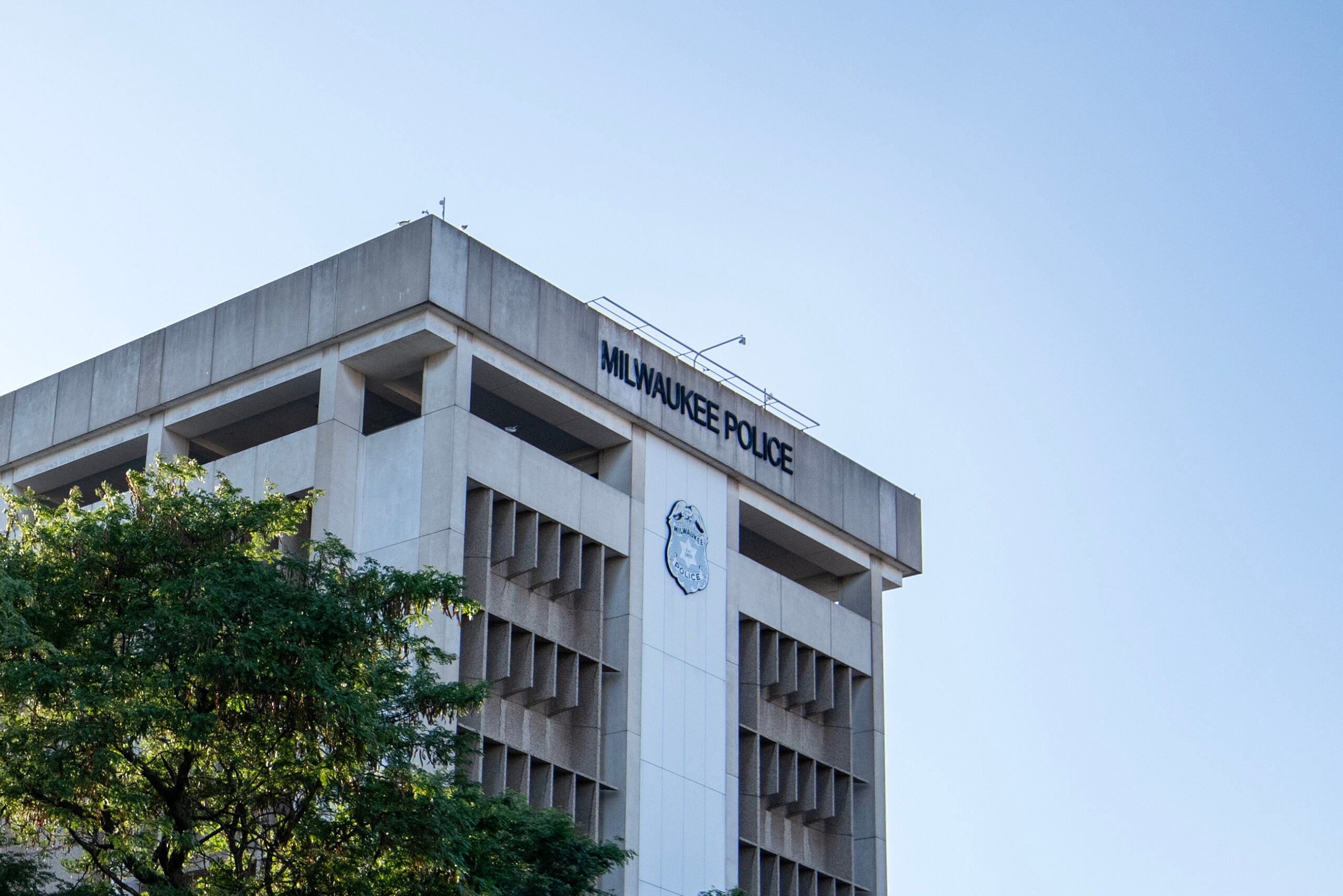
There were 142 homicides in Milwaukee in 2025, up from 132 in 2024, according to crime data from the Milwaukee Police Department. The jump in killings came after the city experienced two straight years of declines.
The increase in violent deaths happened while the national murder rate was on the decline. Data from the Federal Bureau of Investigation shows homicides fell 18.1 percent in the United States from September 2024 to August 2025.
News with a little more humanity
WPR’s “Wisconsin Today” newsletter keeps you connected to the state you love without feeling overwhelmed. No paywall. No agenda. No corporate filter.
A University of Chicago Crime Lab report found that through mid-December, cities such as Baltimore, Chicago, Philadelphia, Detroit and St. Louis all experienced double-digit percent decreases in homicides from 2024 to 2025.
Chicago recorded the fewest killings in the city since 1965, according to the Chicago Sun-Times.
Homicides were down nearly 32 percent in Baltimore last year, the fewest in 50 years.
“The rest of the nation is showing a downward trend — to me, that means we have to look at ourselves in the mirror, and we have to do better,” said Adam Procell, the director of the Milwaukee’s office of community wellness and safety.
Before 2025, homicides were on the decline for two straight years after Milwaukee broke its homicide record three years in a row from 2020 to 2022.
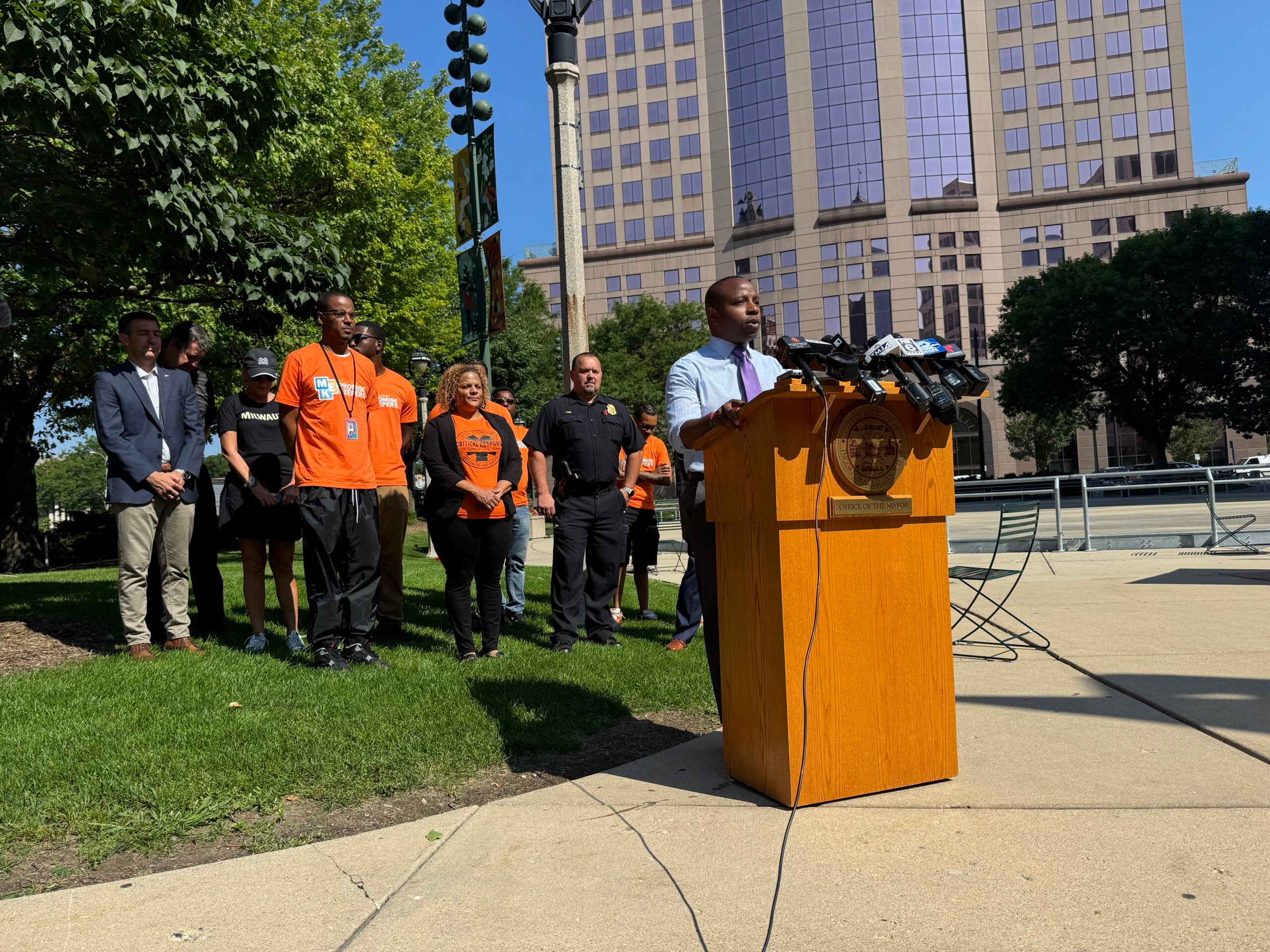
“Obviously, that means that there’s work to do,” Milwaukee Mayor Cavalier Johnson said. “We’re committed to doing that work.”
City leaders sounded the alarm about the increase last year during a special city committee meeting in July in response to gun violence and shootings in downtown Milwaukee. Those incidents prompted police to increase the number of officers patrolling downtown.
Milwaukee Alder Scott Spiker said the increase was “disappointing.” Spiker, the chair of the city’s public safety and health committee, plans to have researchers with the Medical College of Wisconsin come to the committee soon and share more details about the rise.
“I want to see what the researchers can identify,” Spiker said. “I mean, we have some pretty familiar stories of arguments gone bad, people with guns who shouldn’t have them, things of that nature.”
“It’s super easy to get caught up in the analysis, to forget that these are real people, these are real lives, these are sons and daughters of grieving parents, these are spouses,” Spiker added.
However, Johnson said it is encouraging that nonfatal shootings and other serious crimes like robberies, assaults and motor vehicle thefts saw declines last year. Nonfatal shootings were down 19 percent in 2025 compared to 2024, according to police department data.
“I fully acknowledge, and we’ll continue to work at the issue around homicides, and the 8 percent uptick — but crime overall in Milwaukee, including nonfatal shootings and other areas, have continued to drop, and that’s a good thing, too,” Johnson said.
Reggie Moore, the director of community safety policy and engagement at the Medical College of Wisconsin, said he plans to look more into the data and the “factors that contributed to that increase.”
“Not just looking at this year (2025) in comparison to last year (2024) in Milwaukee, but also looking at that data in comparison to other similar sized cities,” Moore said.
There were some encouraging numbers from 2025, Moore said. Data through mid-December from the Violence Response Public Health and Safety Team found there was a 15 percent decrease in youth victims of homicides and nonfatal shootings last year compared to 2024. That data also found there was a 46 percent reduction in victims of retaliatory violence.
Violence prevention teams in the city and county focus on preventing retaliatory shootings. Procell said members of the their teams go into “hot spots” of higher crime areas provided to them by the Milwaukee Police Department. This year, Procell wants to see more collaboration with law enforcement and community groups.
“I think the more we can coordinate and understand that we each have our role, they’re not the same — I think that’s better for us in the long run,” Procell said.
Going into 2026, Johnson said it will take a “collaborative, community-focused effort” to keep homicides down. He also said he’d like stricter gun laws passed by state and federal lawmakers.
“Because the people who are killed or hurt by gun violence are not just Milwaukee residents or residents of other cities around the state — these are people who live in the state of Wisconsin,” Johnson said. “These are Wisconsinites, too, and their families are impacted when somebody is hurt or killed by gun violence.”

Wisconsin Public Radio, © Copyright 2026, Board of Regents of the University of Wisconsin System and Wisconsin Educational Communications Board.