A new state grant program will hand out $10 million for violence prevention work across Wisconsin.
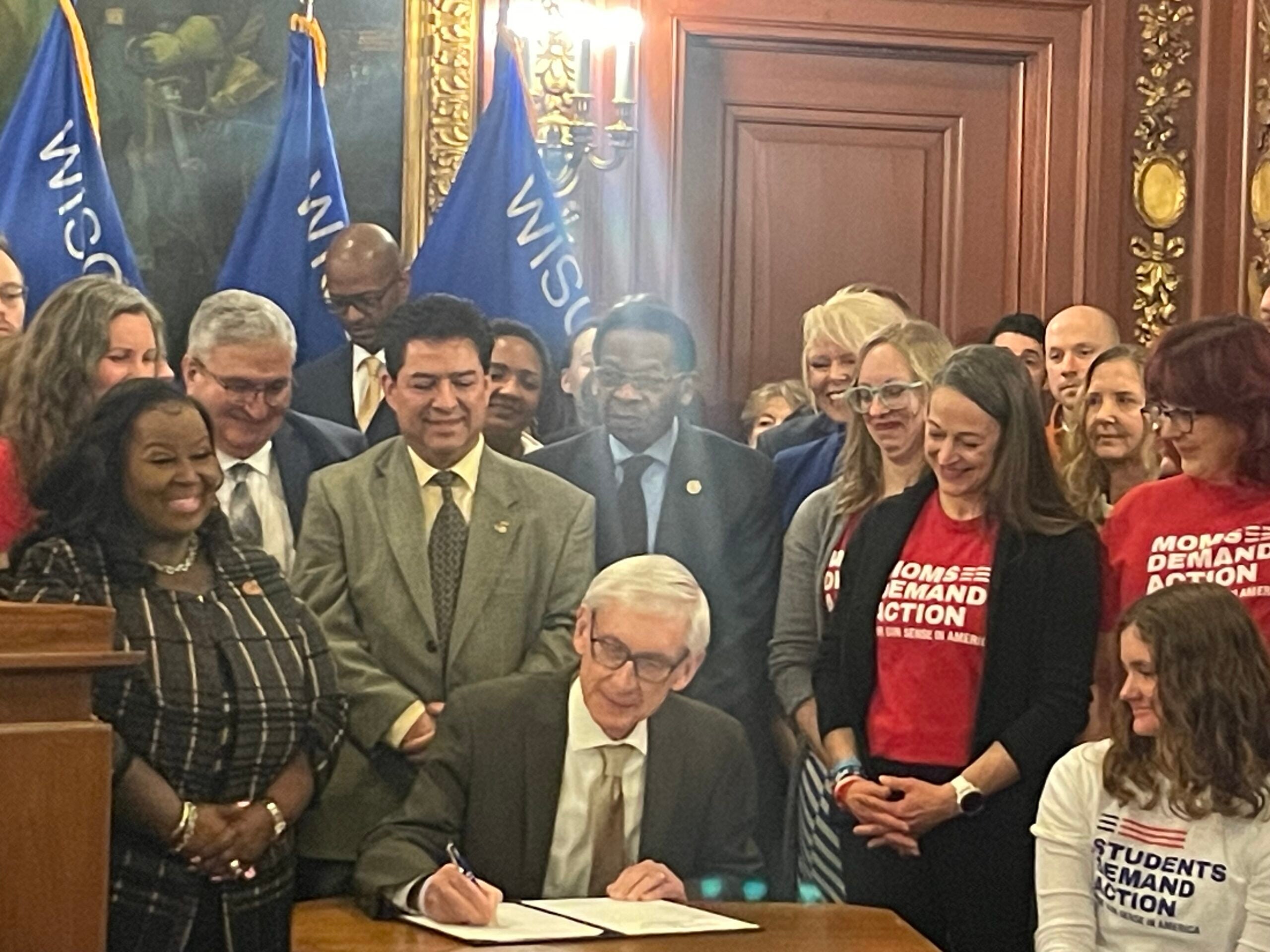
The grants are available through the recently created Wisconsin Office of Violence Prevention. The grant program aims to “invest in key efforts across the state to reduce crime and violence and keep kids, families, and communities safe,” according to a Friday statement from Gov. Tony Evers.
Grants will likely support the work of local governments, school districts, law enforcement agencies and domestic violence groups, according to the statement. Evers directed $10 million in federal funds for the program earlier this year.
News with a little more humanity
WPR’s “Wisconsin Today” newsletter keeps you connected to the state you love without feeling overwhelmed. No paywall. No agenda. No corporate filter.
“These funds will have an impact across the state and ensure that we are focused on interrupting violence, preventing suicide, and reducing harm,” Amanda Powers, director of the Wisconsin Office of Violence Prevention, wrote in a statement.
Powers said she hopes the grant program will see a “broad range of applicants that can make meaningful change in their communities over the next year.” She was unavailable for an interview Friday.
There are five different categories for applicants, according to the program website:
- Suicide prevention and firearm storage grants
- Evidence-based violence intervention and outreach programs
- Criminal justice-based initiatives
- Domestic violence prevention initiatives
- School-based programming
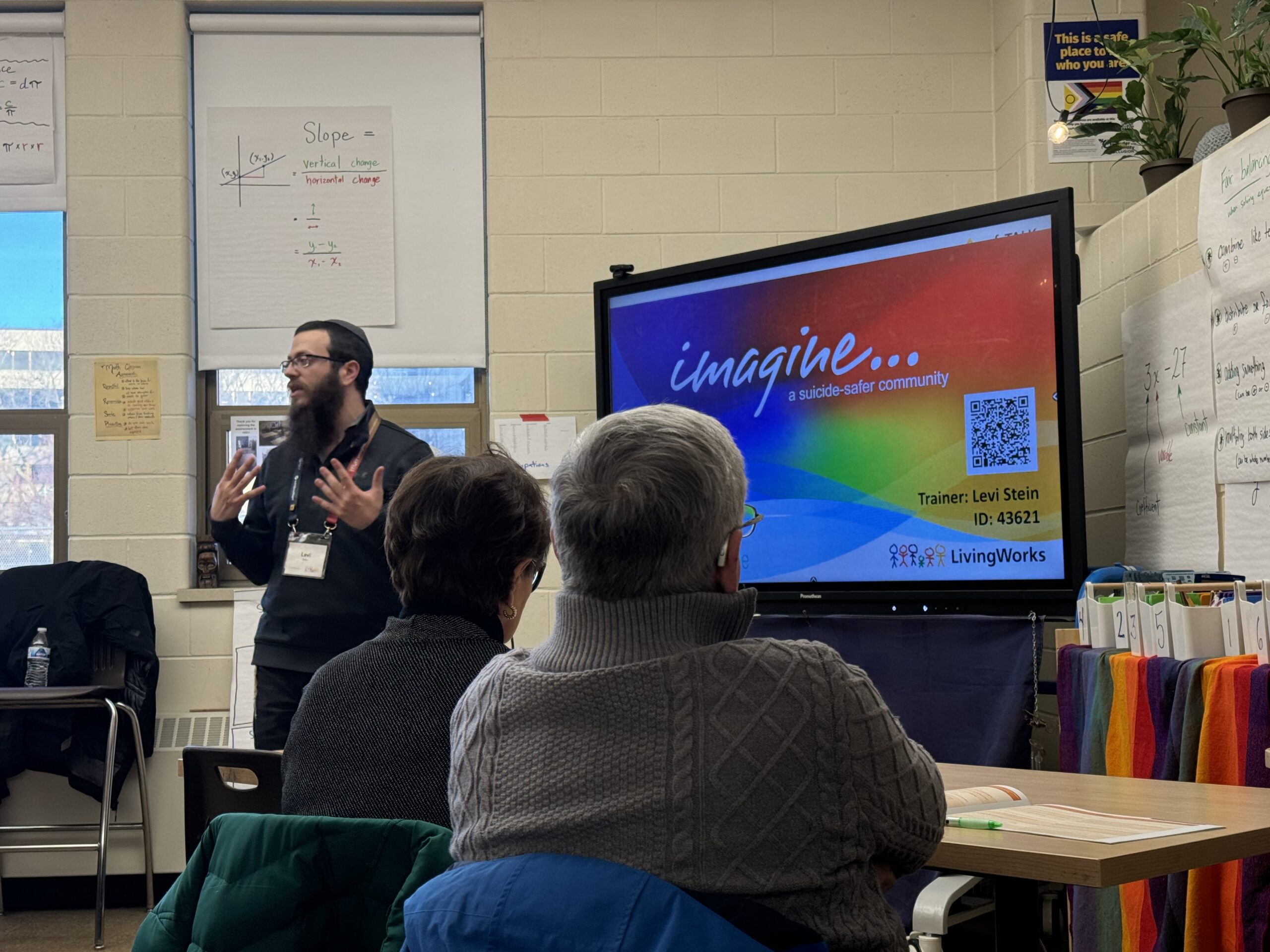
Levi Stein, the executive director of The Friendship Circle of Wisconsin, has hosted over 100 suicide prevention trainings throughout the state. The four-hour SafeTALK training is focused on showing people how to recognize and talk to someone who is considering suicide.
Stein, who said he plans to apply for the grant, said he would use the money to bring on a full-time staff member to do more trainings.
“We want to structure it a little bit more that we can reach more people, reach farther and really make a difference,” Stein said.
According to data from the Wisconsin Department of Health Services, 932 people died by suicide in the state in 2022. Meanwhile, a report from End Domestic Abuse Wisconsin found that there were 99 domestic violence related deaths in Wisconsin in 2024.
Rainbow House Domestic Abuse Service Inc. helps around 500 survivors of domestic violence and their children every year in Marinette, Oconto and Florence counties. Courtney Olson is the executive director of the organization and also serves as the chair for a state fatality review initiative for domestic abuse victims.
Rainbow House, which has been around since 1978, is the statewide coordinator for a domestic violence training program. Olson said she plans to apply for the grant to help fund the training program and the fatality review.
“Every year, it is a best guess whether we’ll be able to secure adequate funding to maintain these programs,” Olson said.
Olson said she believes the grant program as a whole will “make a huge impact on our friends and neighbors across Wisconsin.”
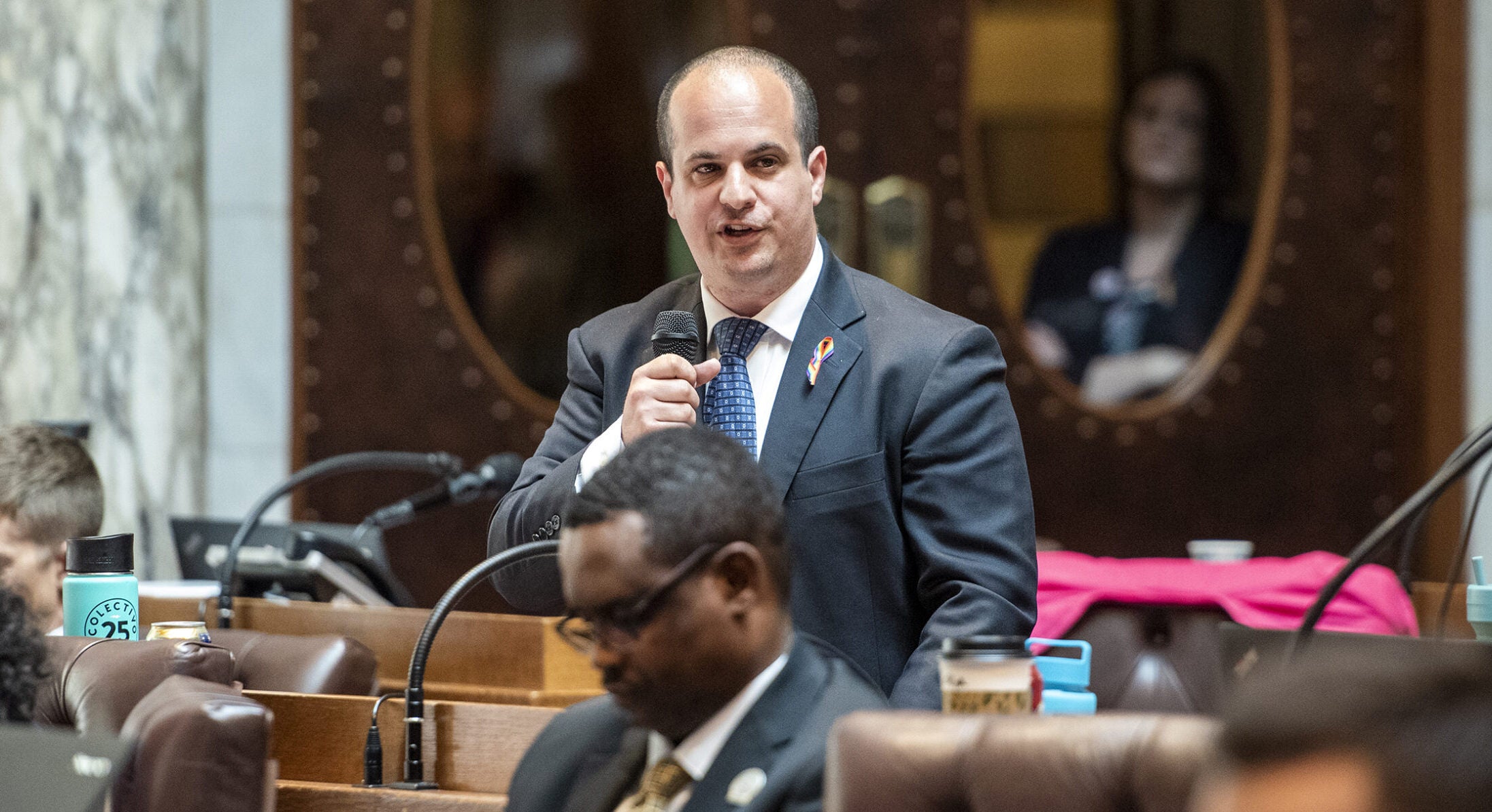
Kenosha Mayor David Bogdala said the city is planning to apply for the grant to use toward the Kenosha Emerging Leaders Academy, a city-led initiative that includes mentorship and pre-collage advising.
“It’s really geared for middle school and high school students who are pursuing looking at college, entrepreneurship, technical careers,” Bogdala said.
Bogdala said the academy helps empower young people, “giving them resources and skills and opportunities that … some of them don’t have an opportunity or don’t have access to.”
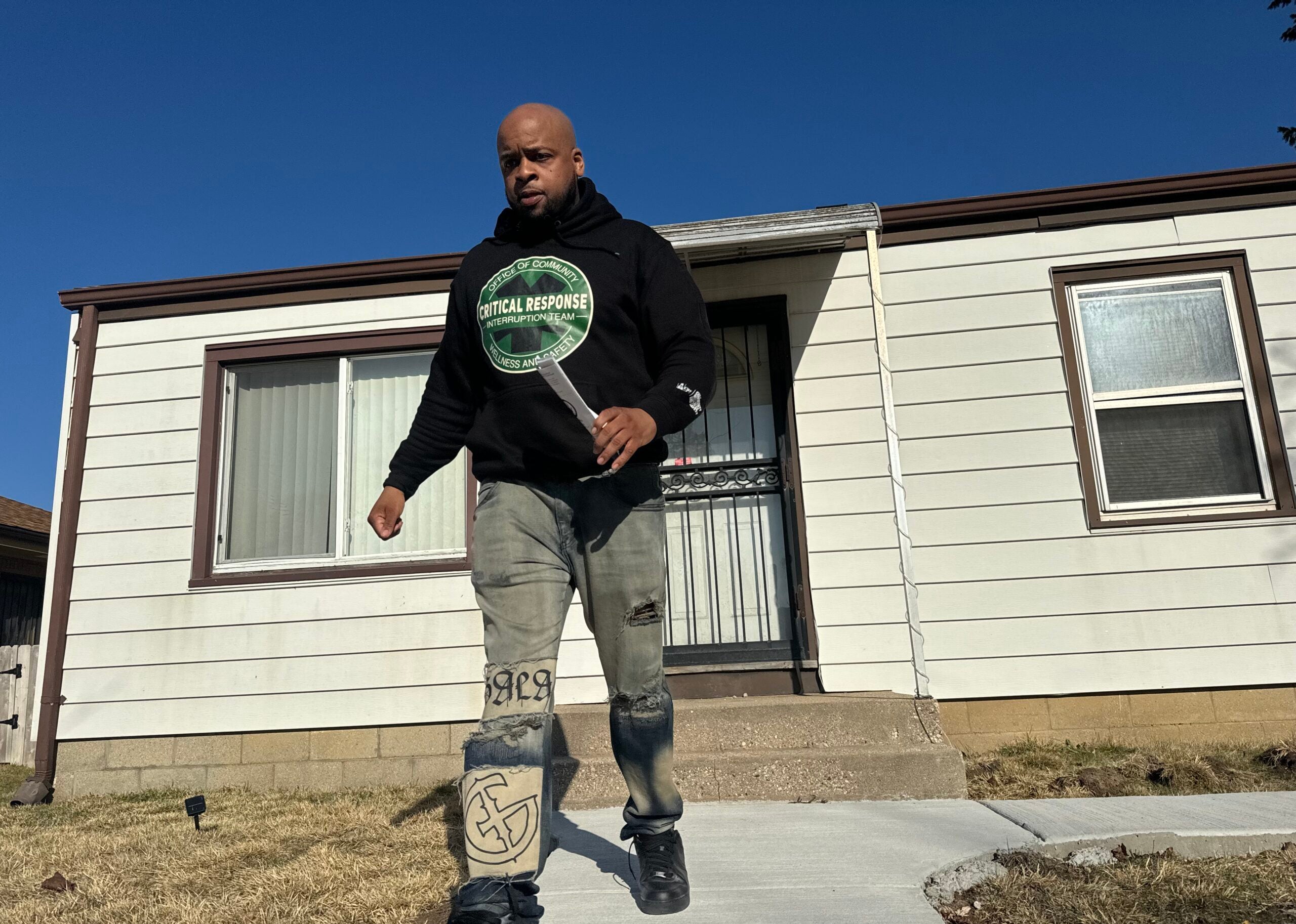
Other local governments, like Milwaukee, are also interested in the grant program. In an email, a spokesperson for Milwaukee Mayor Cavalier Johnson said the administration has already started the work to apply. The money could go directly to Milwaukee’s Office of Community Wellness and Safety — which has violence prevention teams that respond to shootings.
A statement from Adam Procell, director of the office, said the funding could be a “promising tool to deepen collaboration, improve coordination, and scale what’s working to keep kids, families, and neighborhoods safe.”

Wisconsin Public Radio, © Copyright 2026, Board of Regents of the University of Wisconsin System and Wisconsin Educational Communications Board.