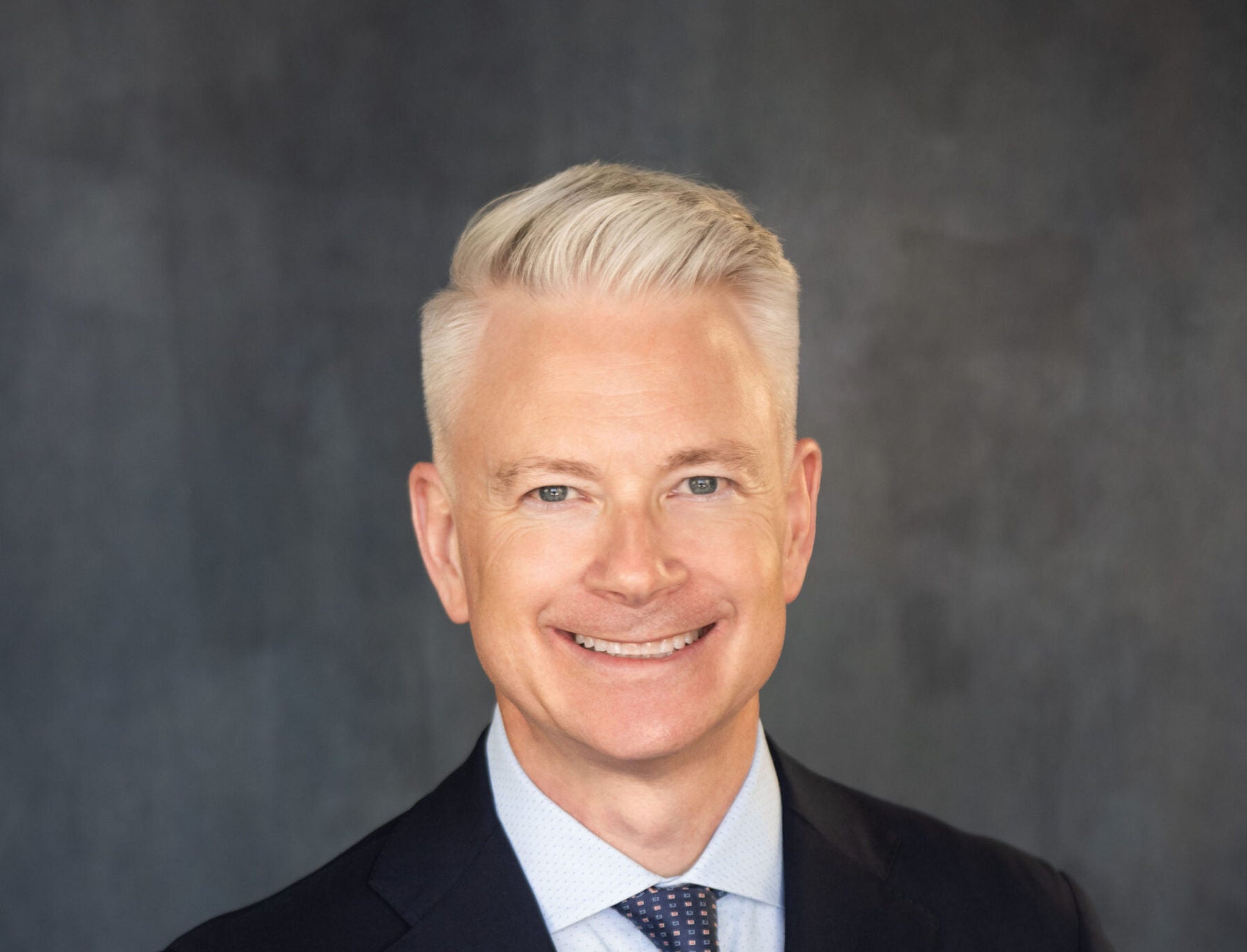
The Wisconsin Economic Development Corporation has new leadership guiding the state into the new year.
Gov. Tony Evers appointed John W. Miller as the new secretary and CEO of the agency last month. He replaced Missy Hughes, who left to run for governor as a Democrat.
Miller takes over at a time when there are widespread concerns about inflation, tariffs and economic uncertainty, but he’s confident the state can navigate these challenges.
News with a little more humanity
WPR’s “Wisconsin Today” newsletter keeps you connected to the state you love without feeling overwhelmed. No paywall. No agenda. No corporate filter.
“Wisconsin is holding its own in this economy, but we need to take it to the next level,” Miller said. “The governor and I want to keep our foot on the gas to make sure that we get there.”
He joined WPR’s “Wisconsin Today” to discuss his economic priorities and philosophies on large and small projects ranging from data centers to Main Street storefronts.
The following was edited for clarity and brevity.
Rob Ferrett: What are your priorities when it comes to economic development in Wisconsin?
John W. Miller: The governor sent a signal by bringing in someone with deep manufacturing experience. I ran a manufacturing company. We made farm equipment for the better part of a decade. I also have quite a bit of experience running a venture capital fund, so I have a lot of experience in tech investment.
I think the governor realized those two things were pretty important for the next leader of the WEDC, because manufacturing is the core of Wisconsin’s economy, employing more people per capita than really any other state. But we also need to keep advancing, and we need to do that by investing in companies that are developing the next cutting edge technology.
RF: What are some of the biggest economic concerns Wisconsin is facing?
JWM: We have a situation where we have a little bit of inflation. Things are costing more than more than they should, and that impacts both employers and employees, but things are looking pretty good in Wisconsin. I just heard a report from the Wisconsin Center on Manufacturing Progress, and they did a survey of manufacturers that found that 65 percent said the state’s business climate was heading in the right direction, and some of them even said the economy was growing. So a lot of them are confident in their outlook. What they really need is to make sure that they have the capital to expand and the workers that they need to fill those roles.
They’re also uncertain about tariffs. As a business owner, the worst thing you can have is uncertainty, and so without knowing what the tariff climate really is, it causes paralysis, and they don’t want to make investments. But we have to weather those things. We’re continuing to engage our partners worldwide. Here in Wisconsin, before I arrived, we had a number of trade missions to Germany and France last year. We also did missions to Australia, China and Mexico. I’m actually going to take my first trade mission to Mexico to see if we can engage some trade partners there.
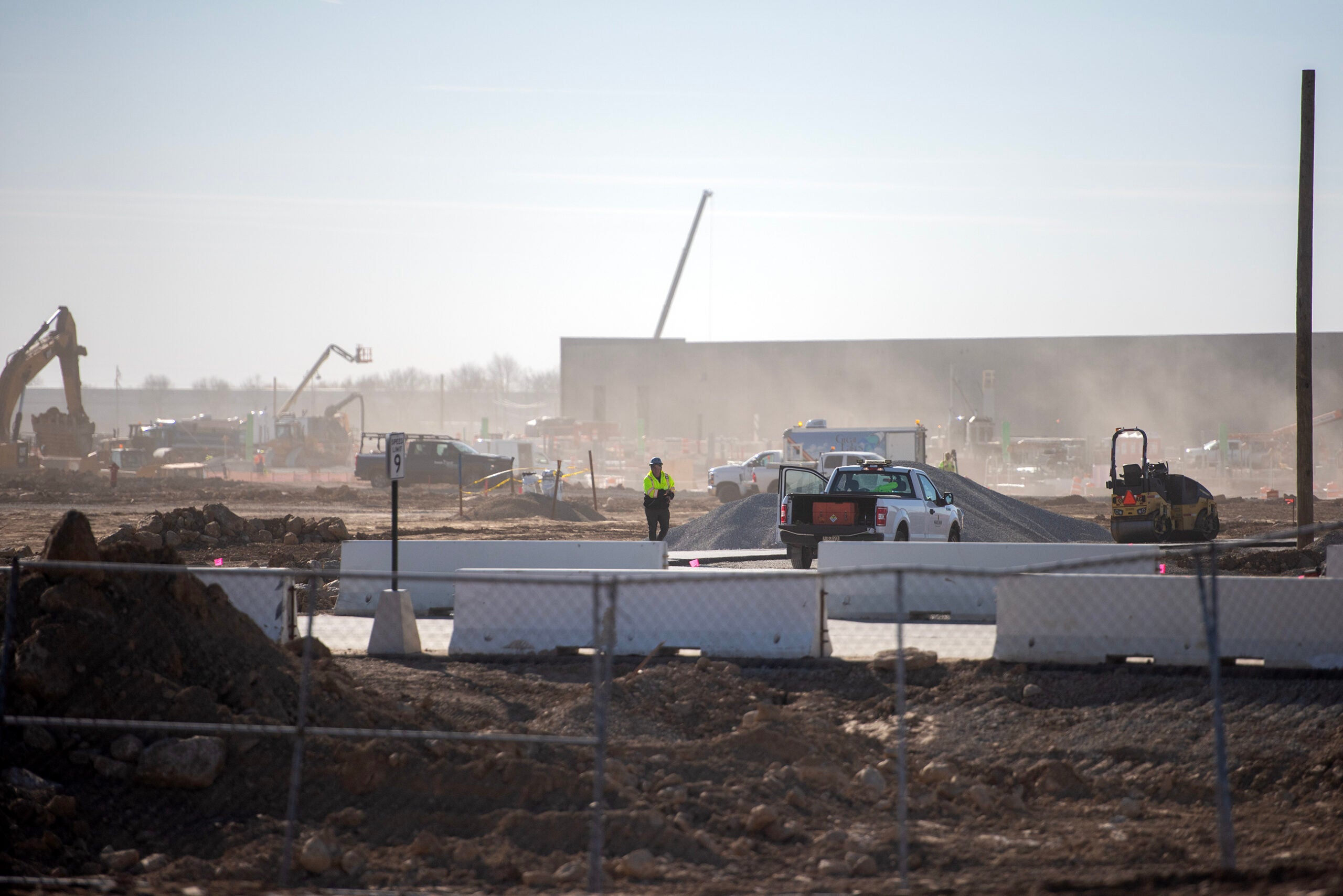
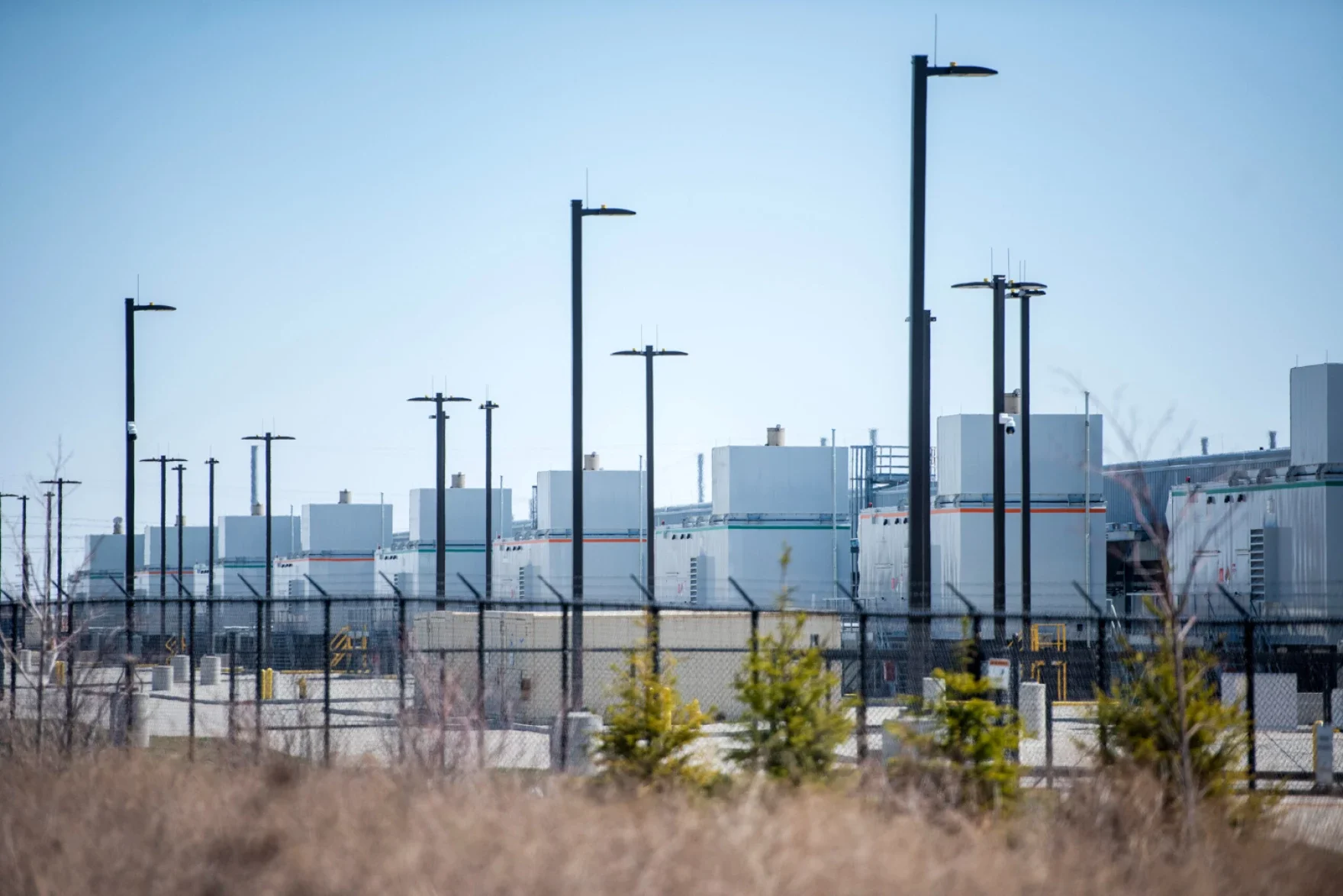
RF: What do you see as the role of data centers in Wisconsin’s economy?
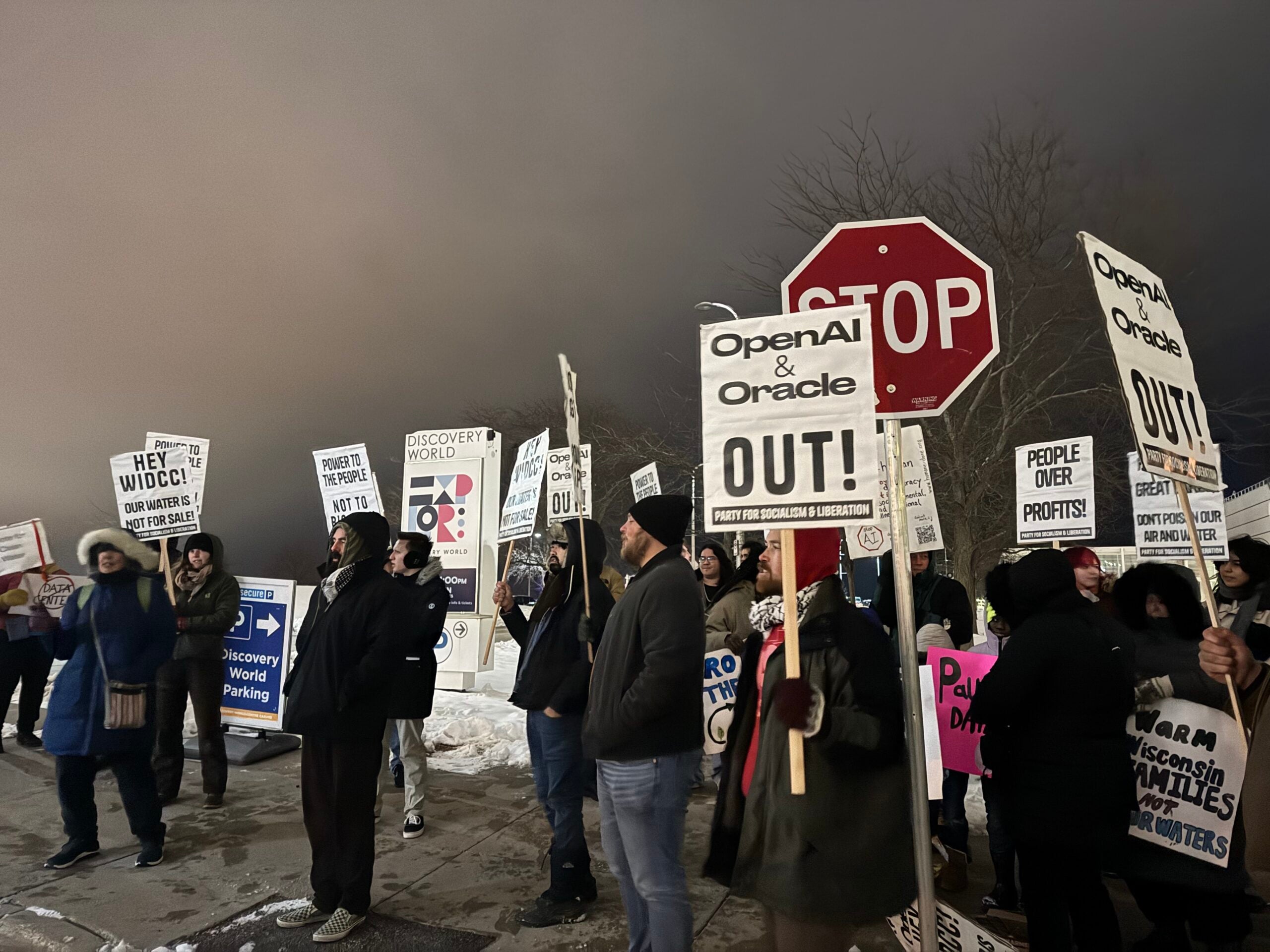
JWM: First of all, these are local decisions made by local players. So the WDC needs to play a role, as does the state, but there have been some very valid questions raised about the environment and their use of electricity. My job at the WEDC is to balance those concerns with creating jobs. A lot of them offer a tremendous amount of job creation, not only in the manufacturing but also in the management of the data centers.
As we really dive into some of the concerns, I think local and state leaders can figure out a very reasonable path forward. If you look at water, these data centers aren’t going to take any more water than some of our paper plants or cheese plants that are already operating in Wisconsin. And as far as electricity, I was pleased to see that some of the partners, especially Microsoft, have come forward and said “Our operations at our data center shouldn’t impact a local rate payer.” So if we can get good cooperation there, I think that these data centers will be a boon to the Wisconsin economy.
RF: One of the concerns about data centers is that it requires a lot of jobs to build them but fewer to run them once they’re open. How do you weigh the value of those jobs versus what other projects Wisconsin might attract and invest in, like manufacturing?
JWM: My goal is to do both, and to do any and all. We need to focus on bringing in new manufacturing, but the data centers are important too. Maybe in terms of their space, they’re not employing as many people as a production facility, but who they’re employing is important. Especially with our university system, we need to make sure that we’re producing the next leaders. So I think it puts a little bit of pressure on our university system to make sure that we can fill those jobs. Because they’re going to lead to the next thing that we don’t even know about. So I’d rather have the production of a cutting edge data center and have those employees here, because those employees are going to lead and advance what’s next. And we want to have whatever is next happen here in Wisconsin.
RF: What is your philosophy when it comes to balancing investments for large projects like Foxconn versus spreading that out into a bigger number of smaller projects?
JWM: The big swings are great. We’ve done a bunch of them, and we’ve got a lot to show for it. The original Foxconn swing didn’t result in the (full) number of employees, but we’ve steadily worked with them along the way, and they’re a valued member of our workforce. They employ well over 1,000 people. We just renegotiated their contract for the third time. They’re continuing to invest and be a good partner to Wisconsin. So we need to make those big swings.
But we also need to focus on main street businesses that are employing only a handful of people. Just last week I was in Eagle River, and that Main Street was hopping there. There was not a vacant space. It’s a population of only about 2,000 people, but its downtown was completely vibrant. If we could replicate that in all the small downtowns in Wisconsin, that would be an excellent outcome, because those people who live and work and shop there recirculate their dollars into their very own community.
WEDC is a pretty robust agency. We are more than capable of doing projects in the billions, but we also take on projects like Tootsies Tea in Milwaukee, where we gave a bridge building grant for $10,000 that helped them renovate a vacant space and put that back into the tax base and contribute to their local community. So we want to leave no stone unturned.