
A new soybean-based firefighting foam is hitting the market to compete with traditional foams that use harmful “forever chemicals.”
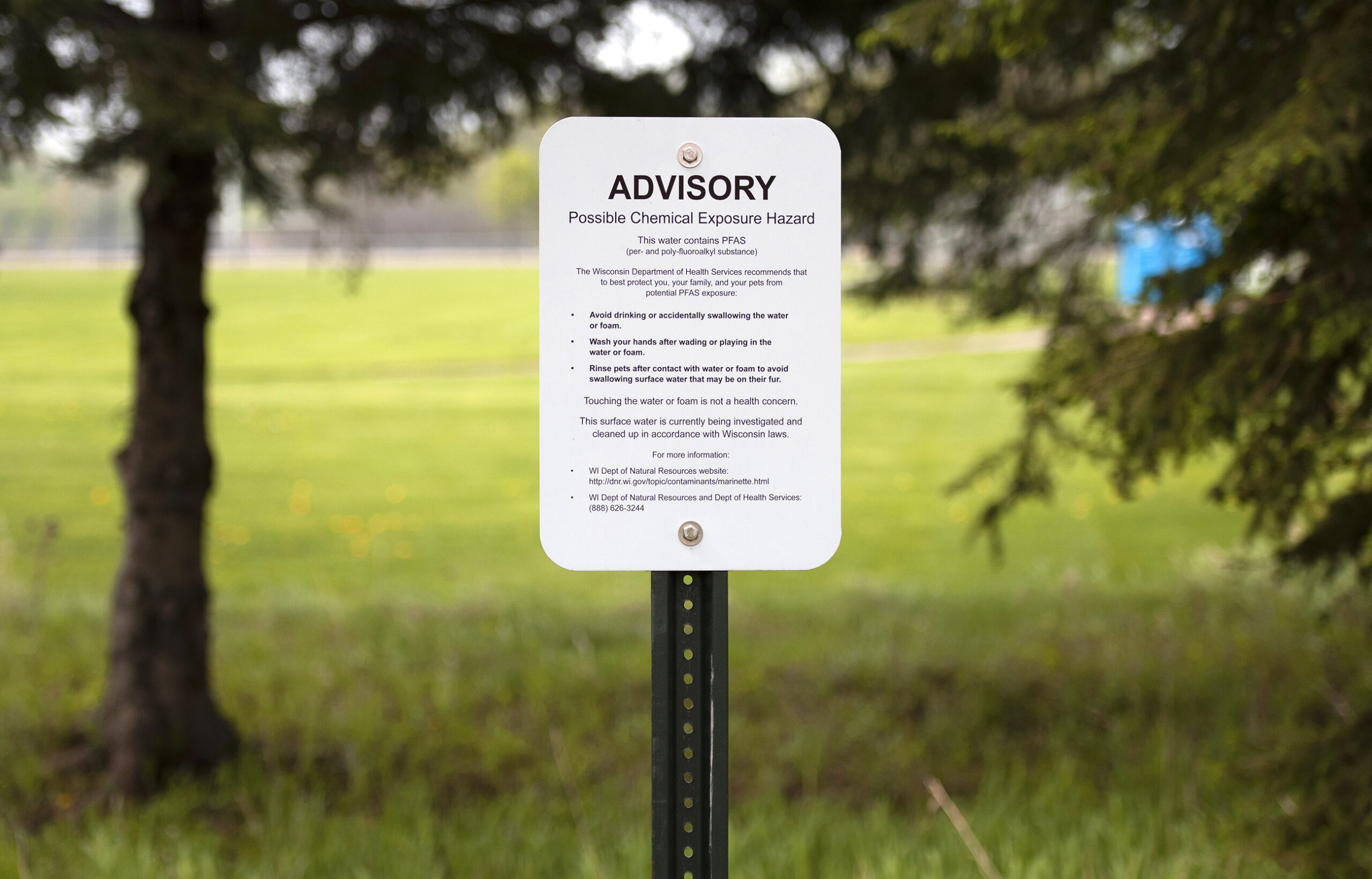
Traditional firefighting foams contain per- and polyfluouroalkyl substances, or PFAS. The chemicals never break down and have been linked to a number of human ailments, including cancer.
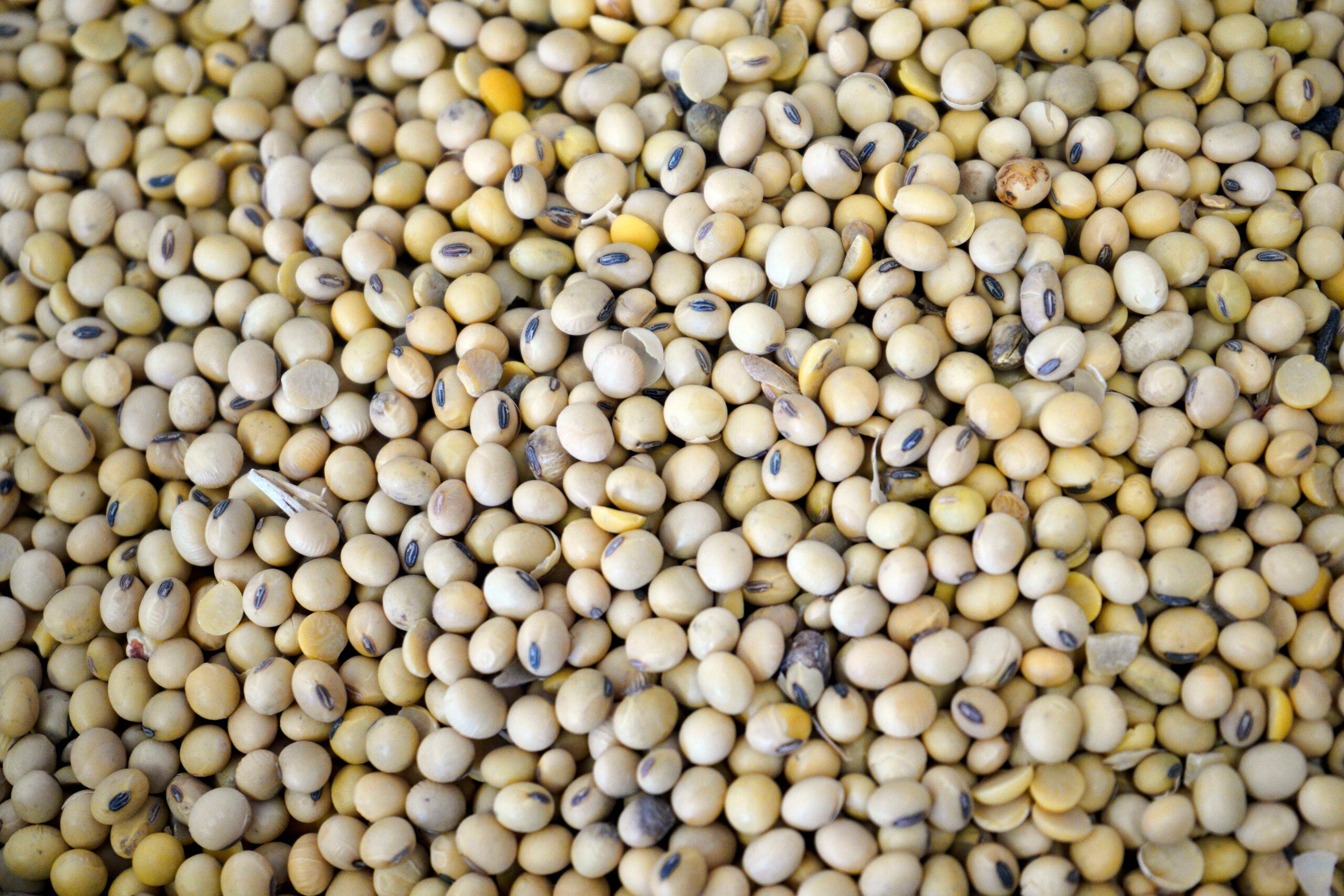
Dave Garlie is chief technology officer for the company Cross Plains Solutions. He’s the developer of Soyfoam, a soybean-based firefighting foam. He recently told WPR’s “Wisconsin Today” that his company’s foam is entirely free of “forever chemicals” but is as effective as PFAS foams in extinguishing fires.
News with a little more humanity
WPR’s “Wisconsin Today” newsletter keeps you connected to the state you love without feeling overwhelmed. No paywall. No agenda. No corporate filter.
“Over 50 percent of the contents in the bucket are from a rapidly renewable, sustainable product grown every year by our soybean farmers,” Garlie said. “It displaces a tremendous amount of petroleum that is traditionally used to make effective firefighting foams.”
Garlie said 10 fire departments in Wisconsin currently have Soyfoam at their stations ready for use.
WPR previously spoke with the president of the Wisconsin Soybean Marketing Board about its funding support of the Soyfoam project.
There are at least 79 sites around Wisconsin contaminated by PFAS, and often the culprit is firefighting foams, according to the state Department of Natural Resources. In 2020, DNR banned the use of PFAS-based firefighting foams. But fire departments have struggled to find suitable replacements due to the effectiveness of the foams at putting out severe liquid fuel fires.
On “Wisconsin Today,” Garlie spoke about the makeup of Soyfoam, its adoption and effectiveness.
The following was edited for brevity and clarity.
Kate Archer Kent: How can soy be a fire suppressant? Can you help explain the chemical process?
Dave Garlie: We’re using the protein from the soybean. And for the firefighters who are listening to this broadcast, protein foams are not new. In fact, before the PFAS problem child came on board, they used to use protein foams. But they were from animal parts. They were effective, but they had a lot of nuances. They became rancid. They were difficult to handle. They were effective, but they weren’t fun to use. During that journey, PFAS chemistry came into the limelight and addressed all of those concerns that [firefighters] typically had with the protein foams. Unfortunately, we’re dealing with the crisis we have today across the nation. We now have contamination from the chemicals PFAS and their accumulative effect on our environment.
When I got brought onto this project, I said, “Let’s revisit the chemistry that worked yesterday and address the challenge that it presented.” Instead of animal parts, what’s the other major source of protein in our country? That’s from soybeans.
KAK: The United Soybean Board helped with furthering the research and development. Is that right?
DG: Most definitely. When we got into the program, we were asked to come up with a training foam for the New York Fire Department, which happened to have a [connection] to the United Soybean Board. During that collaboration, it came upon them that we have the technical expertise and the science to really drive that project forward. They funded a lot of the research effort, which, full disclosure, is done right here in Wisconsin at the Chippewa Valley Technical College. They have a beautiful fire safety center. I happen to live in Eau Claire, and we’re able to take advantage of that location’s state-of-the-art fire safety training center.
KAK: Military applications are a big part of firefighting foam. What is the process with the Department of Defense to get approval for a soy-based fire suppressant?
DG: Every market has certain certifications, and the federal government is not short of those certifications. Particularly for the Department of Defense, they have a military specification, and it typically surrounds itself with what those installations utilize for fuel. The certification requires extinguishment of jet fuel and gasoline, which are the most prevalent fuels at a military base, and PFAS firefighting foams have dominated that scene for quite some time.
They’re finding alternatives to those PFAS. … We’re part of that process. So we’re doing all that research here in Eau Claire at Chippewa Valley Technical College to find that alternative to PFAS. The journey has been going on for a couple of years. We should have something that’s fit for [military] use, full certification profile, by the end of this year.
KAK: Wisconsin can be a state of extreme weather, with very hot summers and very cold winters. How does a soy-based foam hold up to extreme temperatures?
DG: In the certification process, you have to disclose what your pour point is, your freeze point. You have to disclose what your hot point is, or your flash point. And so what we have to do is we want to measure those criteria to make sure we report that on the container that says it’s fit for use between these temperature ranges.
For example, if a firetruck does not have a foam tank but doesn’t have a heater … If they’re out there 14 hours, there’s a possibility in the middle of January that that tank could freeze. The beauty of Soyfoam is it doesn’t crystallize when it freezes like water. You’re not going to pop pipes or fracture. It basically turns to a gel, but you can’t pump it so it’s unusable. But if you bring the truck back into the station and warm it up, it’ll repurpose itself. So you just have to be conscious about what the limitations are for the temperature ranges of operation.