More than five years after discovering widespread PFAS contamination, the town of Campbell has secured the final funding needed to install a municipal water system and get residents off of bottled water.
The western Wisconsin community will receive nearly $40 million in funding from the U.S. Department of Agriculture, according to a press release from the agency’s Wisconsin office.
The funding includes an $8.5 million grant and a $30.8 million low-interest loan through a USDA Rural Development program serving state and local governments, federally-recognized tribes and private nonprofits.
News with a little more humanity
WPR’s “Wisconsin Today” newsletter keeps you connected to the state you love without feeling overwhelmed. No paywall. No agenda. No corporate filter.
“This really is our last piece of the puzzle, and it’s something that we’ve been working on for well over a year,” said Lee Donahue, a member of Campbell’s Town Board who has led the community’s efforts to build a water utility.
The community has been cobbling together funding over the last five years, Donahue said, including from the U.S. Environmental Protection Agency and Wisconsin’s Safe Drinking Water Loan program.
Campbell, which is located on French Island in the Mississippi River and neighbors the city of La Crosse, first learned of PFAS contamination in residents’ private wells in October of 2020. The contamination has been linked to the use of firefighting foam at the La Crosse Regional Airport, which is operated by the city and located on French Island.
Most of the 4,500-person community has been on state-funded bottled water since the spring of 2021.
The town has already dug the first of two municipal wells it will need for the new utility. Donahue said the community was able to tap into a deeper aquifer that is uncontaminated by PFAS, the informal name for the thousands of synthetic chemicals called per- and polyfluoroalkyl substances.
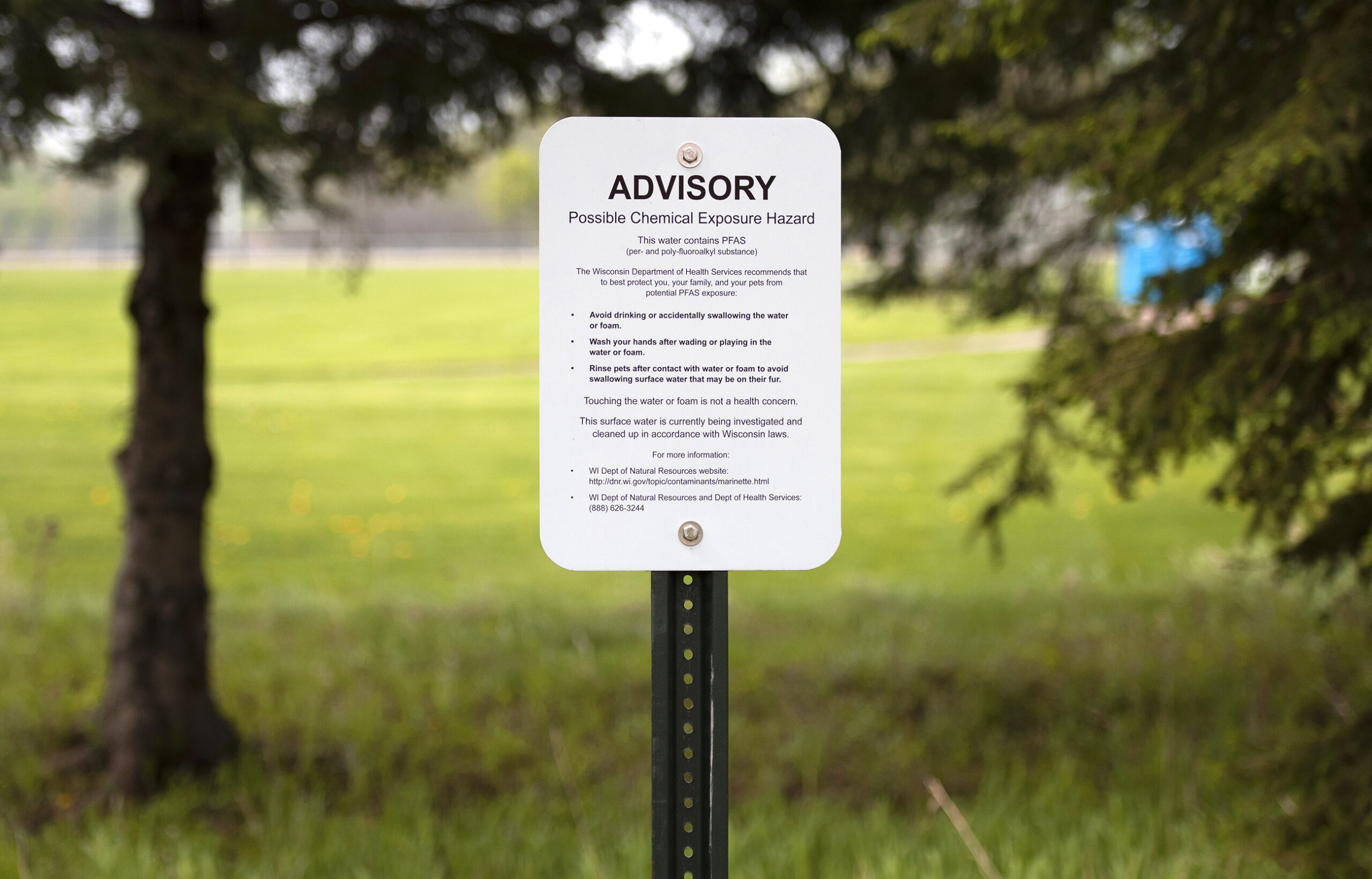
PFAS are used in products like firefighting foam and cookware. They don’t break down easily in the environment, and high exposure to the chemicals has been linked to serious health problems including cancer and fertility issues.
Construction of a second well on the island, as well as a pump house and above-ground water storage, are needed before the town can begin connecting homes and businesses to its new water source.
Donahue said town leaders have been working with experts from the University of Wisconsin-Madison, U.S. Geological Survey and Wisconsin Geological and Natural History Survey to ensure the system will meet the community’s needs, both for daily water consumption and uses like firefighting.
“By the end of this year, the goal is to start piping to the first residential homes, with the completion of that by 2027,” she said.

Wisconsin Public Radio, © Copyright 2026, Board of Regents of the University of Wisconsin System and Wisconsin Educational Communications Board.