According to the Parkinson and Movement Disorder Alliance, 40 million Americans suffer from movement disorders such as essential tremors, epilepsy or Parkinson’s Disease.
Though that’s a concerning statistic, there is encouraging news in the form of a new treatment.
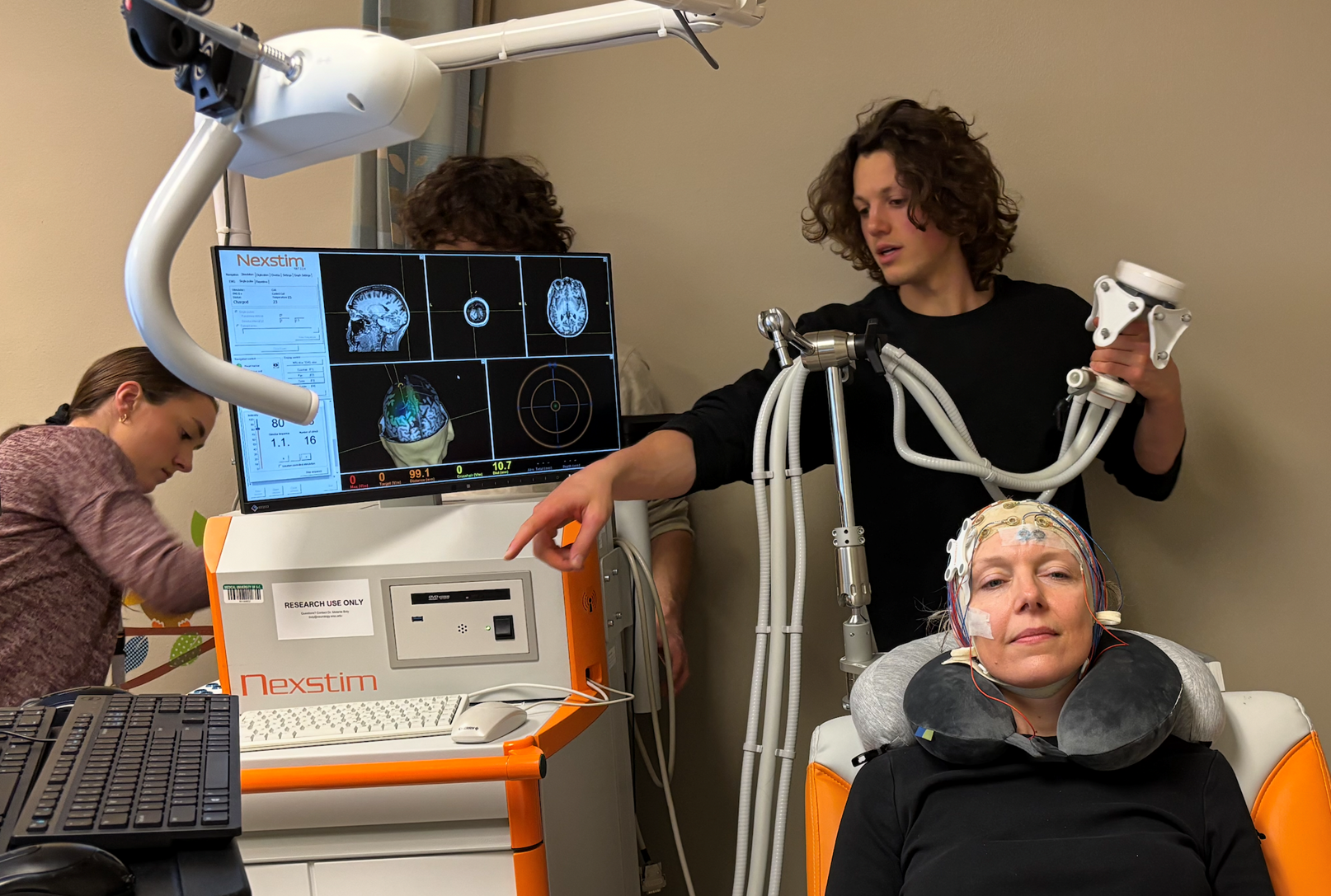
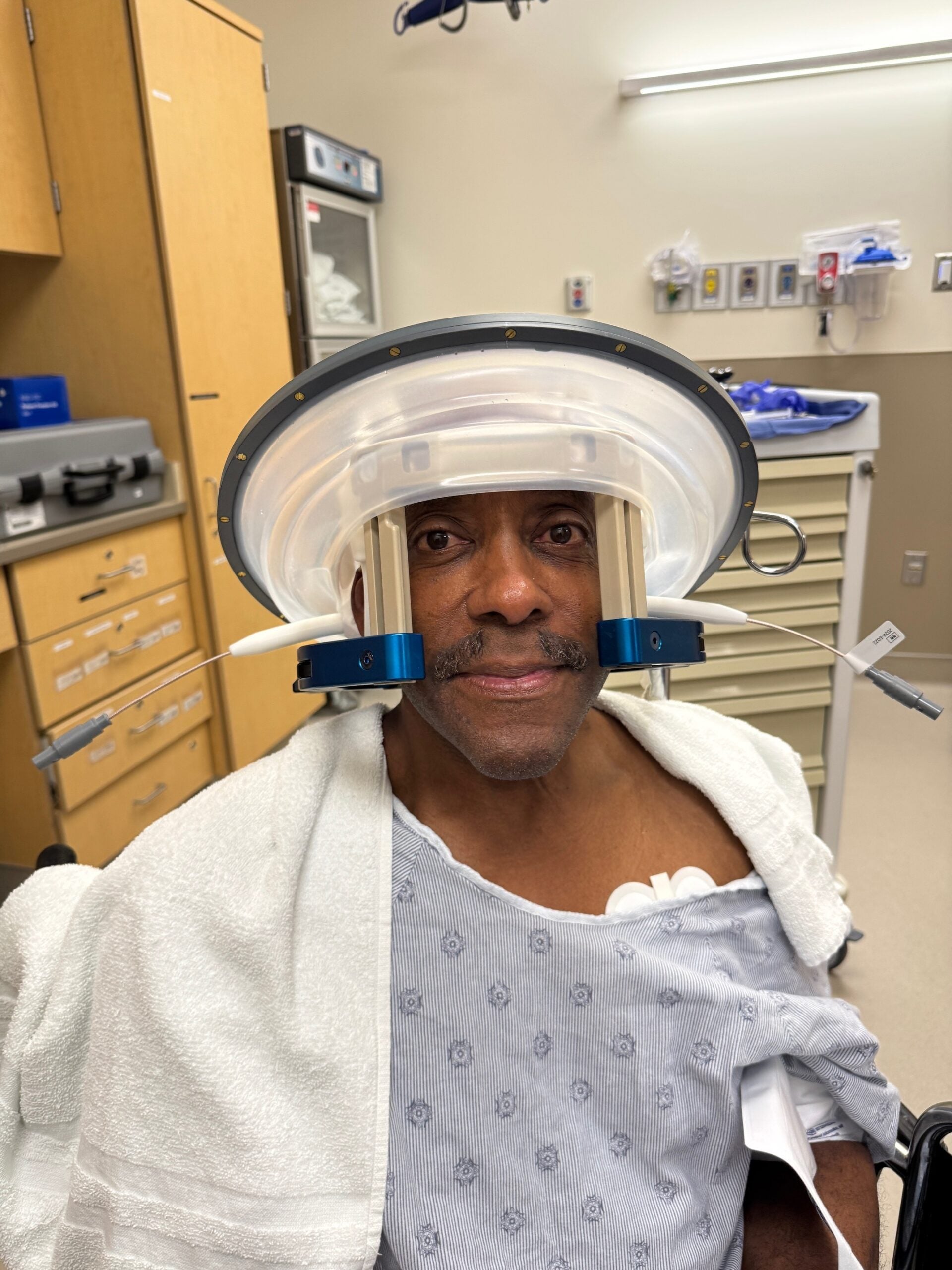
Recently, a neurosurgeon with the Froedtert and Medical College of Wisconsin health network visited WPR’s “The Larry Meiller Show” to discuss MR-Guided Focused Ultrasound, a type of treatment new to Wisconsin that targets and reduces tremors.
News with a little more humanity
WPR’s “Wisconsin Today” newsletter keeps you connected to the state you love without feeling overwhelmed. No paywall. No agenda. No corporate filter.
Burning the brain’s switchboard
Dr. Kunal Gupta said the treatment involves creating a small lesion in an area of the brain called the thalamus.
“I consider the thalamus the switchboard for the brain,” he explained. “It connects your brain to the rest of your body.”
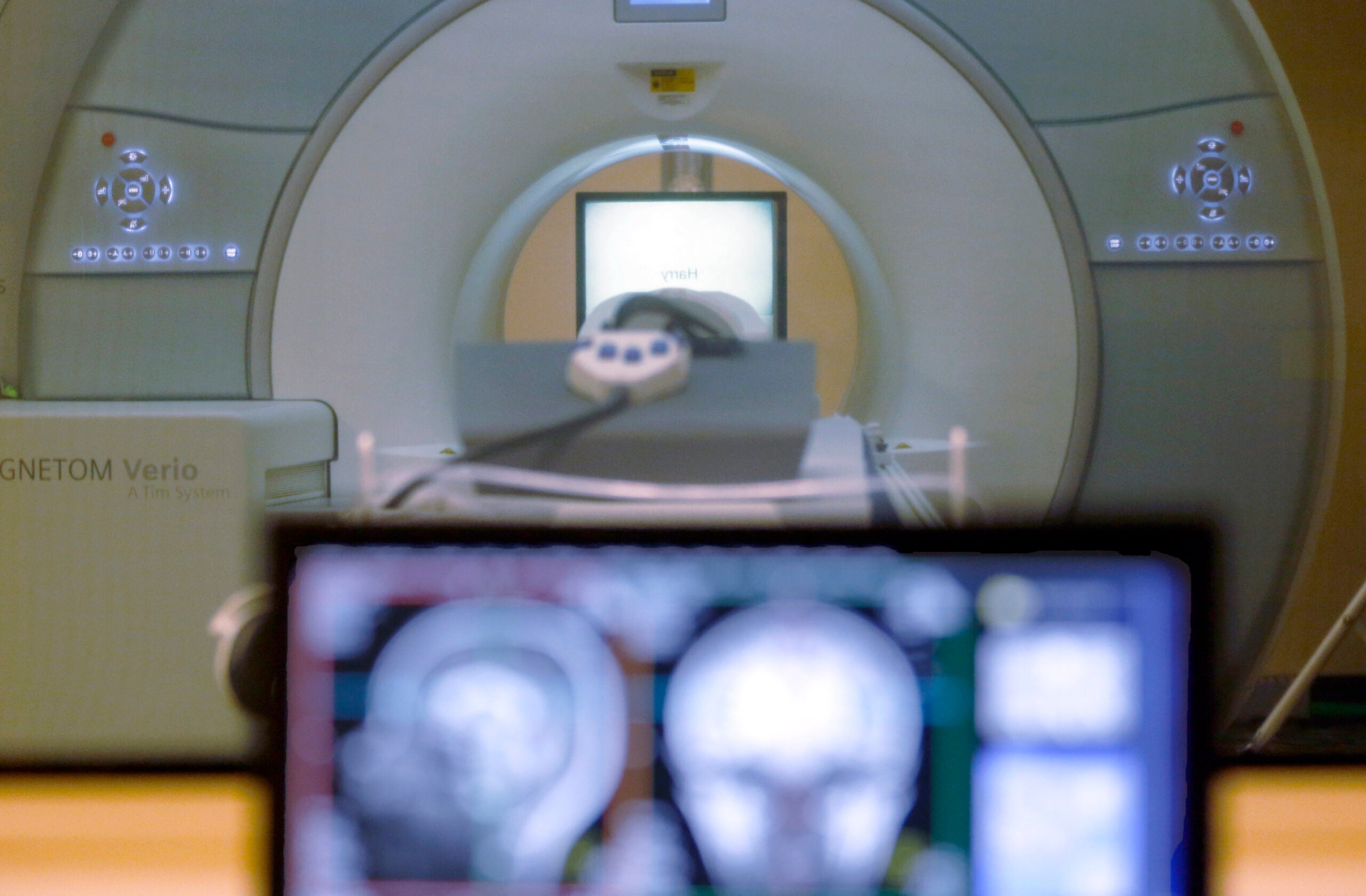
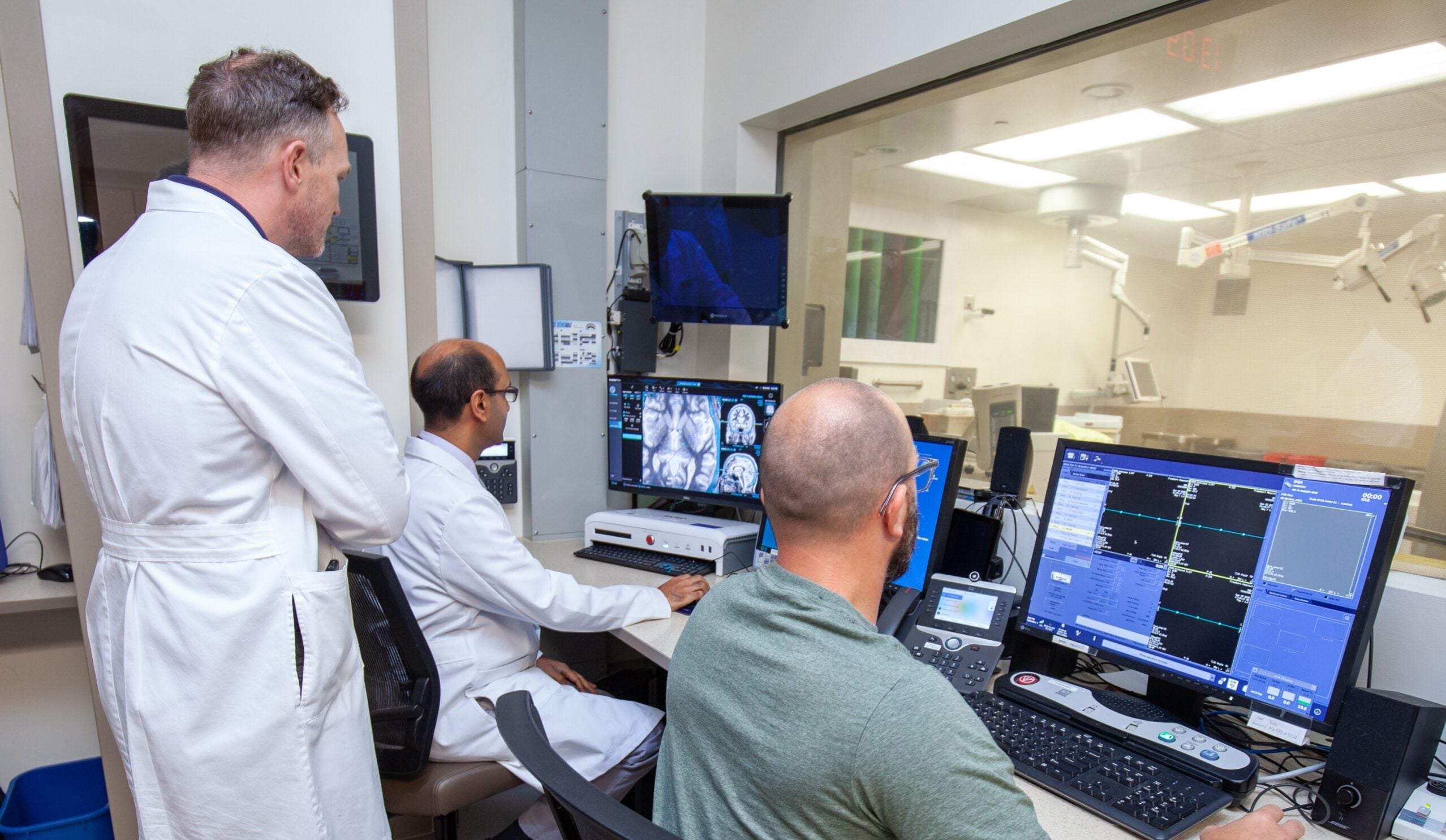
The procedure involves using concentrated ultrasound beams that generate heat and burn a very specific part of the brain that a surgeon identifies from an MRI scanner.
“We make a lesion in a strategic location in the thalamus, much like you might use a magnifying glass to focus sunlight onto a leaf to burn it in a particular location,” he said. “That lesion sort of burns out that location. And that’s what stops the tremor.”
‘Robust and reproducible’ results
While the treatment is new in Wisconsin, MR-Guided Focused Ultrasound has been around for several years, and the data backs up its effectiveness.
“All surgeries do have a failure rate, so you can have a few people that have a recrudescence,” Gupta said. “But overall, the data is robust and reproducible.”
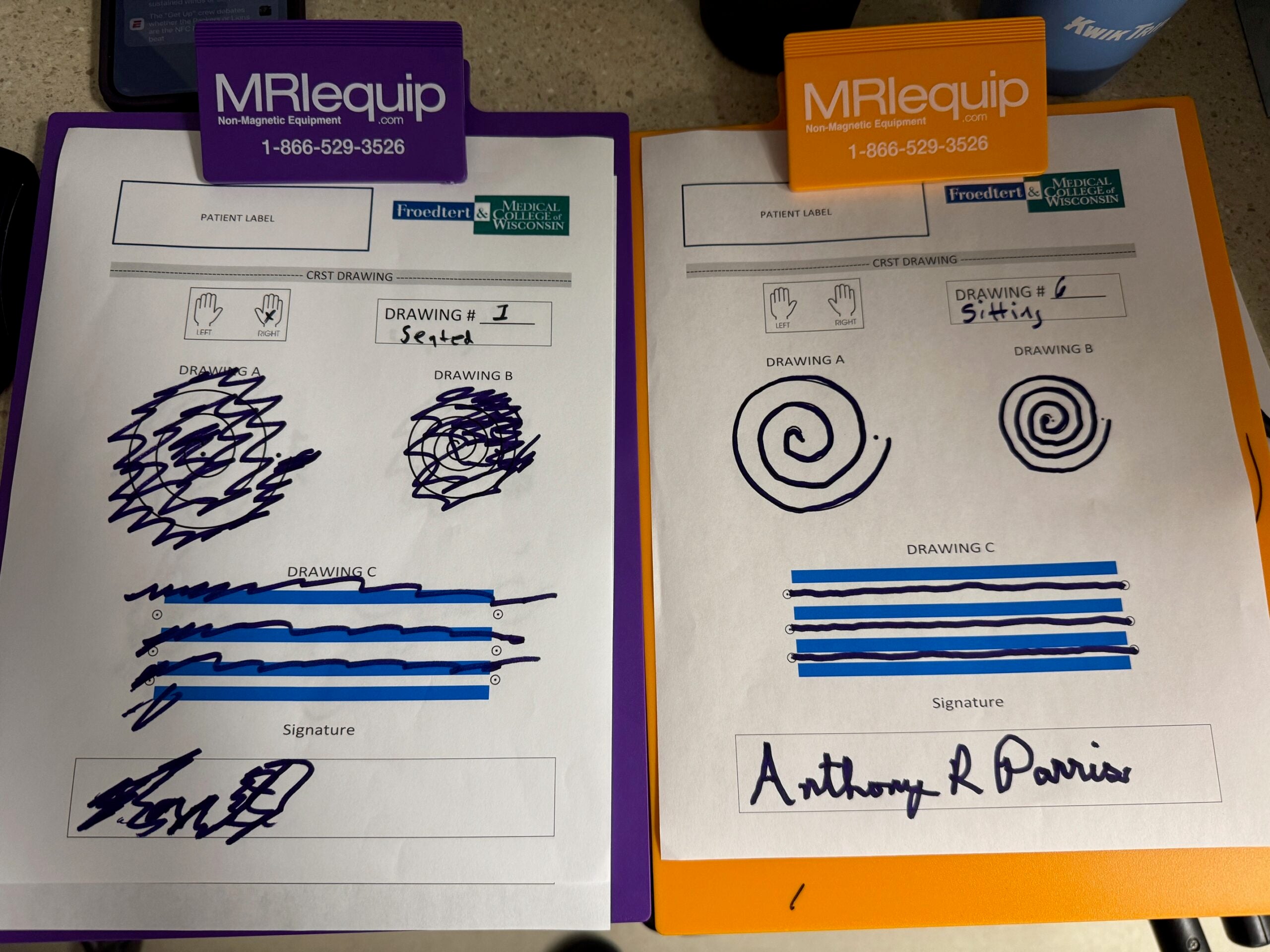
MR-Guided Focused Ultrasound has been approved for other movement disorders such as Parkinson’s Disease. However, Gupta clarified that “the people that benefit the most from this are folks with essential tremors, or tremors that get worse as you move.”
But after treatment, the change is pronounced.
“Folks find that they can sign their own checks. Eating is easier,” Gupta said. “It gives some quality of life back.”
Although mileage can vary depending on the insurance policy, Gupta said MR-Guided Focused Ultrasound is covered by insurance.
Patience for patients
As excited as he is about this new treatment, Gupta advised it isn’t intended as a first step in managing movement disorders.
“There are some medications that can be tried to help control the tremor. And for some folks, the medication may work initially and then gradually become less effective over time,” he said. “Then you might meet with a neurosurgeon. But it’s best to try to manage medication first.”
Gupta also stressed that patients should start managing their movement disorders with their current primary care doctor.
“They can send referrals as appropriate if they need more specialist help,” he said. “And we can create pathways and relationships that really support people.”
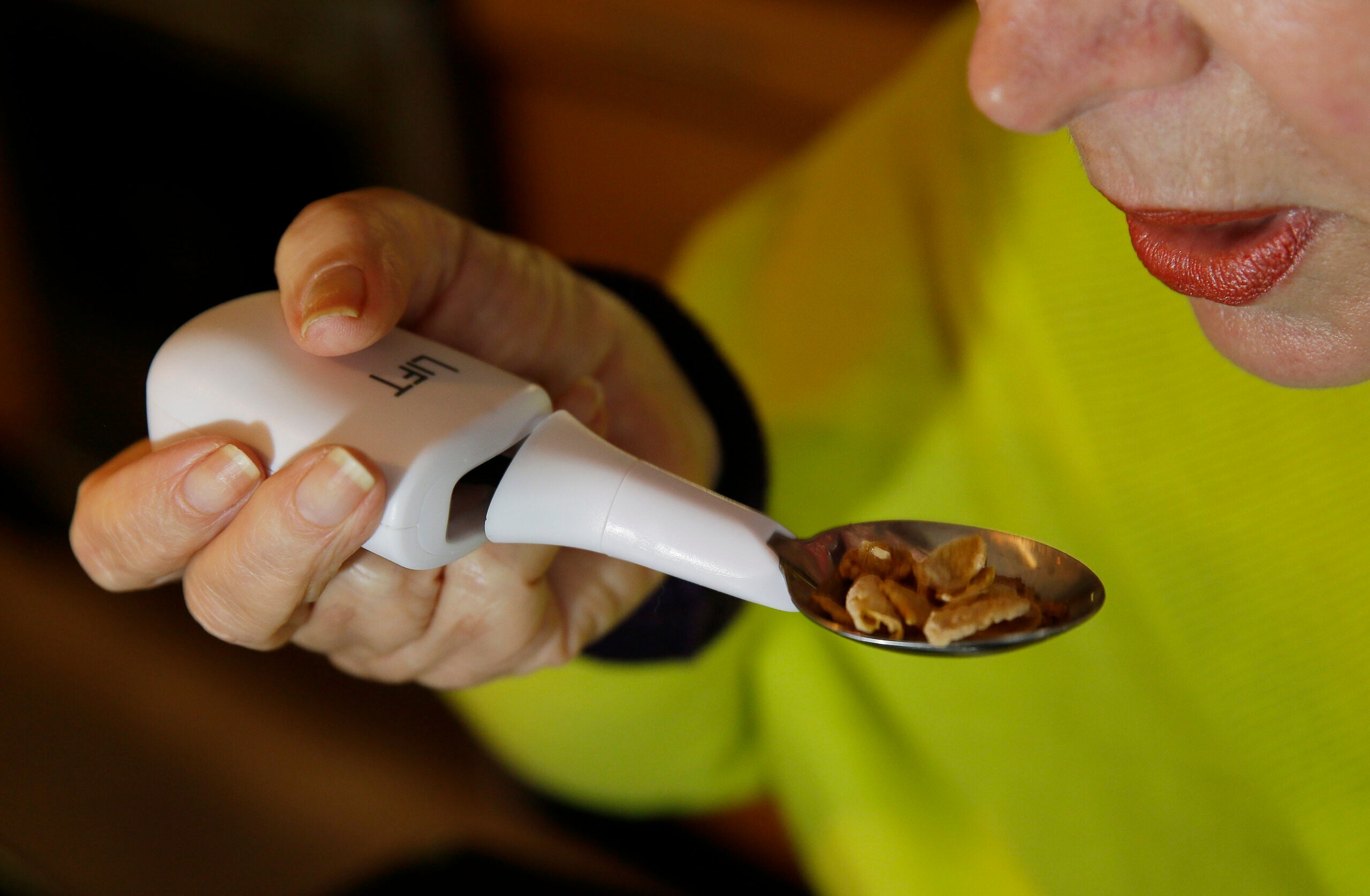
And advice and medicine can be supplemented by other tools, like weighted silverware.
“It’s harder to shake something that’s heavy compared to something that’s light,” Gupta said.
He also suggested patients take full advantage of support groups such as the Parkinson’s Foundation and the American Parkinson’s Disease Association to stay on top of the latest information and research on movement disorders.
Gupta warned of some possible side effects from this new treatment, like numbness in the fingertips and lips, balance problems and headaches.
“These are typically mild and typically go away,” he said. “But things to think about when considering these sorts of procedures.”
Gupta strongly suggests anyone experiencing movement disorders to be proactive.
“Start the conversation early so you can get closer to a diagnosis that’s accurate and a treatment program that might be effective for you,” he said.