At this time of year, recycling and trash bins are overflowing with shipping boxes, wrapping paper and other holiday byproducts. You might also be wondering: Can I recycle this?
From cardboard boxes to wrapping paper to burnout string lights and Christmas trees, the Wisconsin Department of Natural Resources shares tips on how to make your holiday cleanup more eco-friendly.
No matter where you live in Wisconsin, some key things can be recycled, said DNR Recycling and Waste Diversion Program Coordinator Jennifer Semrau.
News with a little more humanity
WPR’s “Wisconsin Today” newsletter keeps you connected to the state you love without feeling overwhelmed. No paywall. No agenda. No corporate filter.
“From La Crosse to Milwaukee to the Northwoods, you can recycle containers made of steel, aluminum, glass, plastics No. 1 and No. 2, as well as cardboard, newspaper, magazines, office paper and other papers,” Semrau said at a recent press conference.
Different municipalities have different rules. Semrau recommends checking in to see what can be recycled locally and how you need to prepare it.
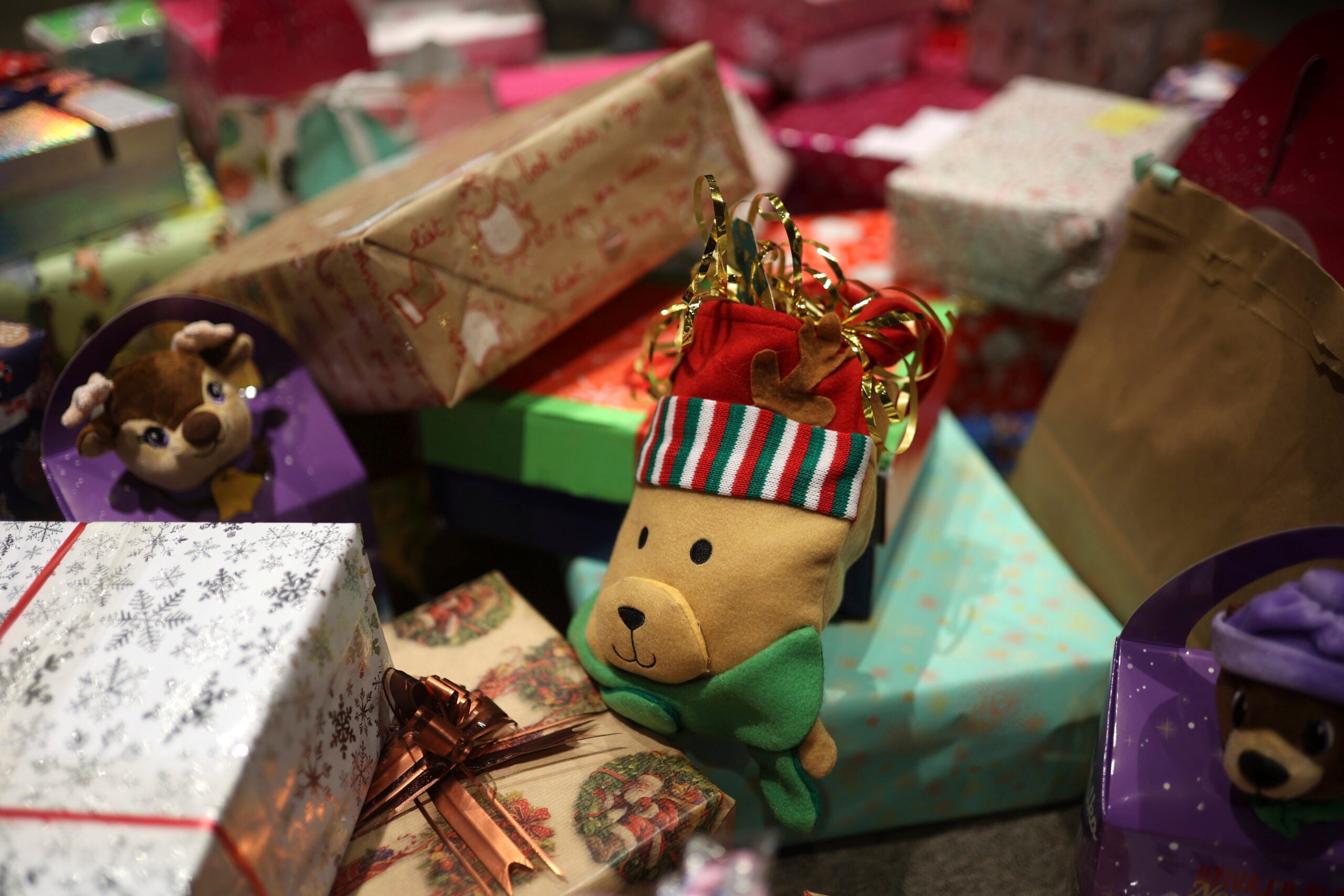
As for all of the holiday trimmings, be sure to check for glitter, ribbons and tinsel. Some wrapping paper can be recycled, but only if it’s plain paper. And tissue paper belongs in the trash.
“A common reason (recycling) programs will say no wrapping paper at all is because people tend to include all the bows and ribbons with their wrapping paper when they’re disposing of it, or they take their paper and crinkle it up,” Semrau said.
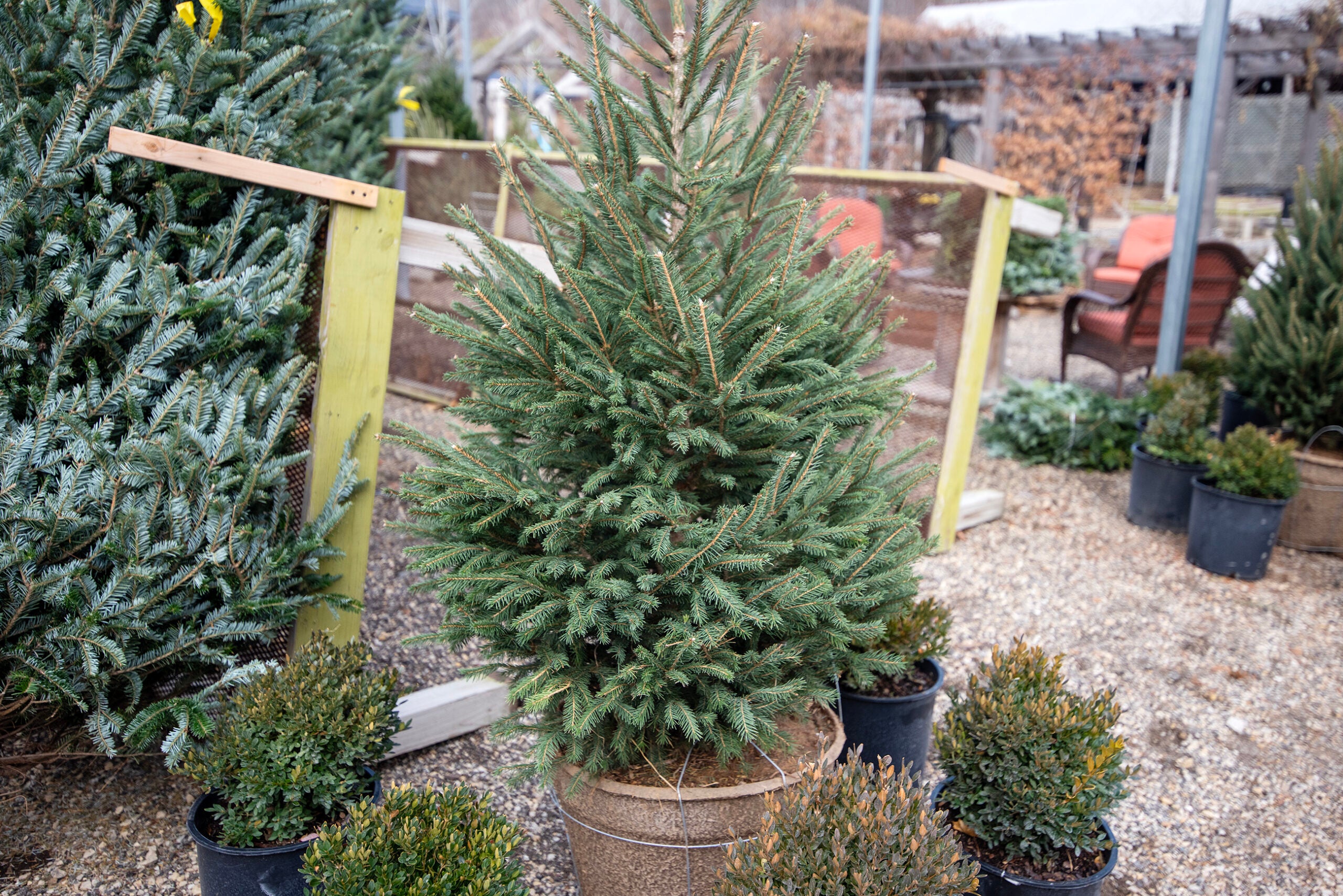
When it comes to your Christmas tree, check with your local municipality for curbside pickup dates or drop-off sites at yard waste centers. But it’s key to remove all of the decorations and lights.
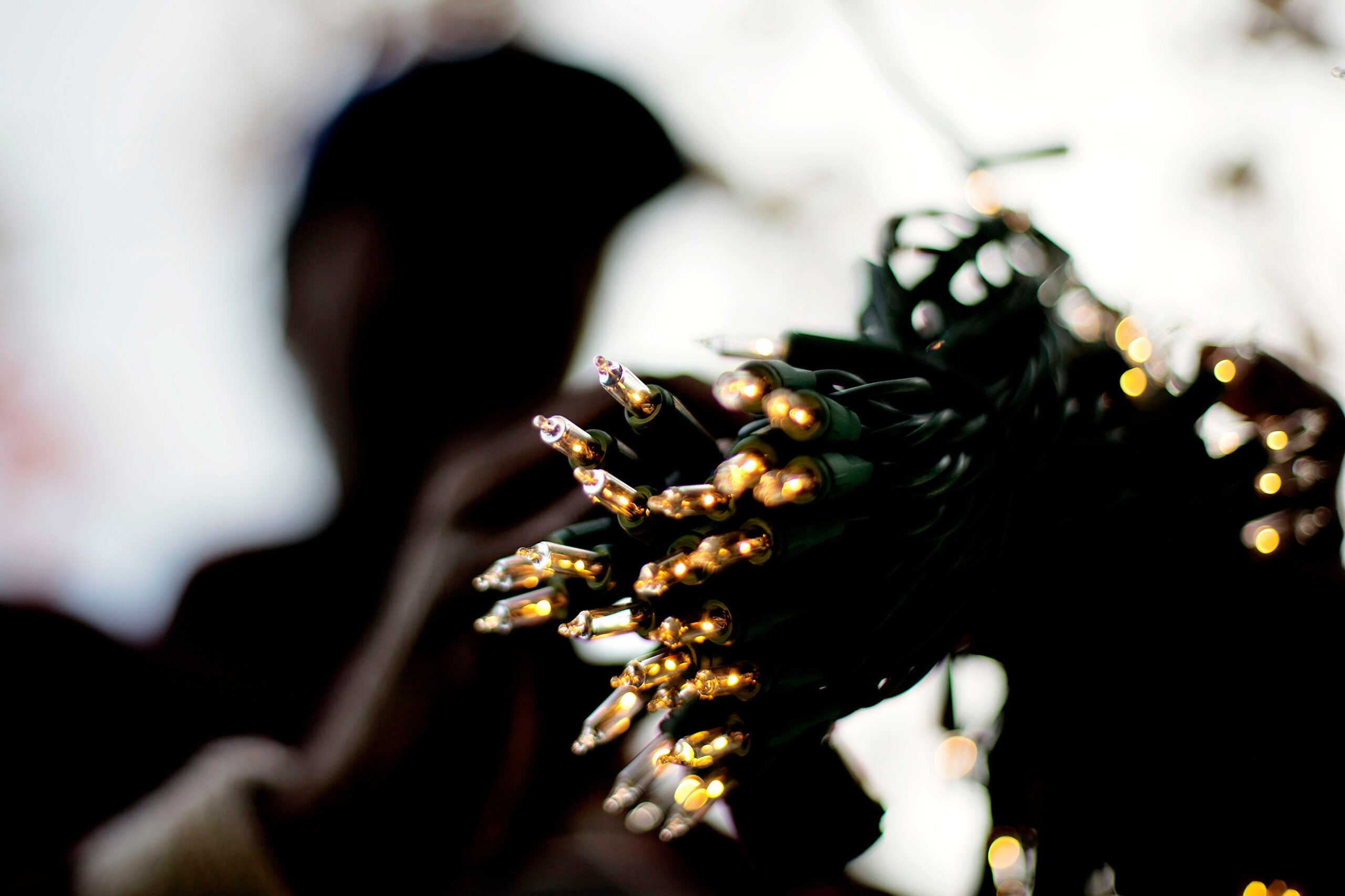
“Your string of holiday lights may have burned out, but they should not be placed in your recycling bin,” Semrau said. “Holiday lights are called tanglers, meaning they can wrap around recycling equipment … causing operations to come to a grinding halt.”
Last, Semrau asks that people take old batteries and electronics to drop off sites instead of tossing them in the trash. (Find out where to take your batteries here.)
“Several very damaging fires, likely caused by batteries, have occurred in collection trucks and facilities around Wisconsin,” she said. “Operators report that smaller fires are often a weekly occurrence.”
Waste isn’t just confined to paper products and old trees — the DNR also recommends finding ways to cut down on food waste.
Erik Flesch is an organics waste management specialist with the DNR. He said household food waste makes up the largest part of all trash in Wisconsin landfills — nearly 300 pounds of food per person.
This year, the agency is working to cut landfilled food waste in half.
“While we celebrate the season with an abundance of the people and the things we hold dear, it’s important to think about food — not just how much we have, but also how much we waste,” Flesch said.
To cut down on waste, Flesch suggests meal planning and taking inventory of your pantry before heading to the grocery store. If and when you end up with leftovers, he recommends repurposing them or having tupperware on hand to share with guests.
If all else fails, compost what you can — either in your backyard or at a community compost site.

Wisconsin Public Radio, © Copyright 2026, Board of Regents of the University of Wisconsin System and Wisconsin Educational Communications Board.