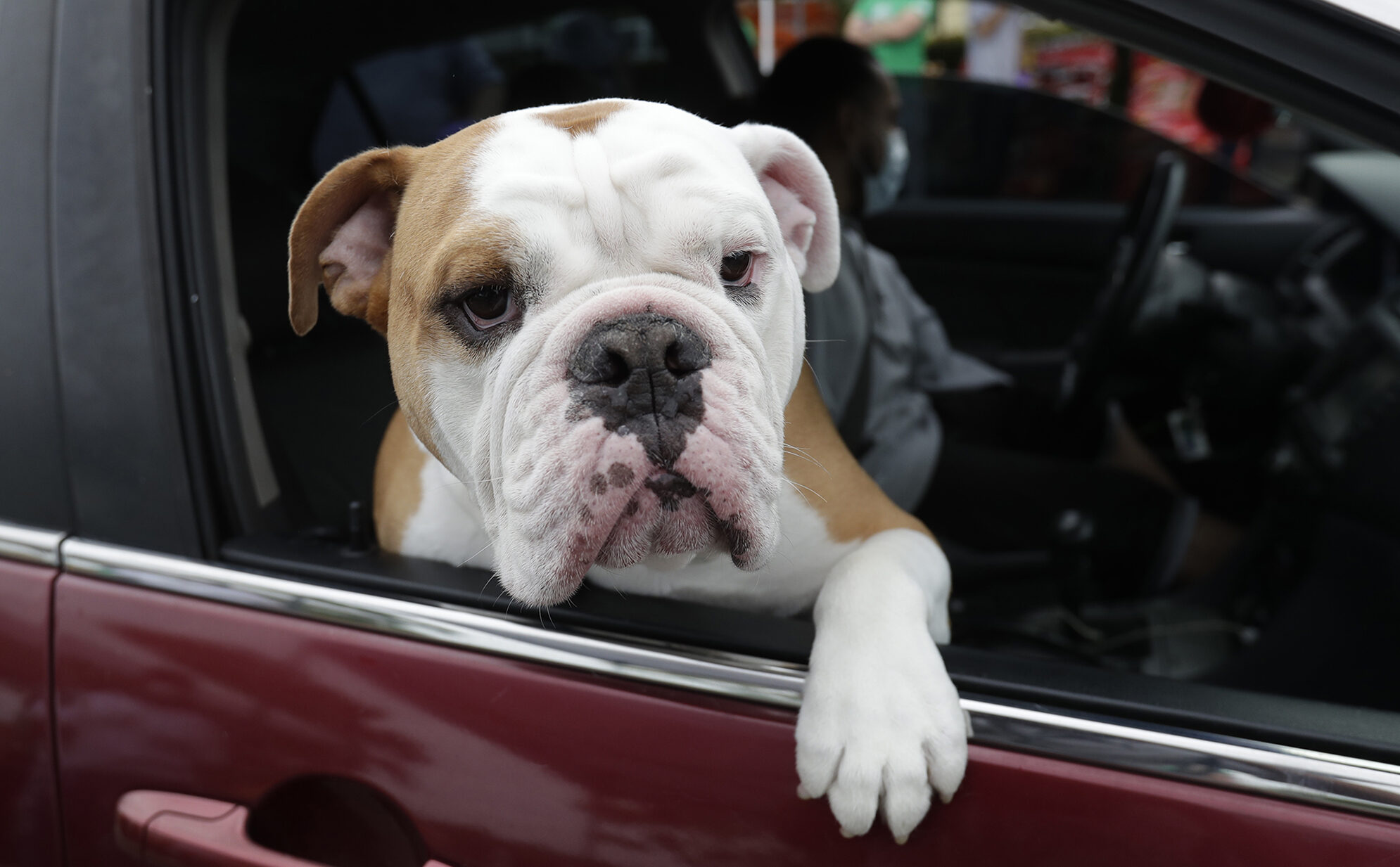
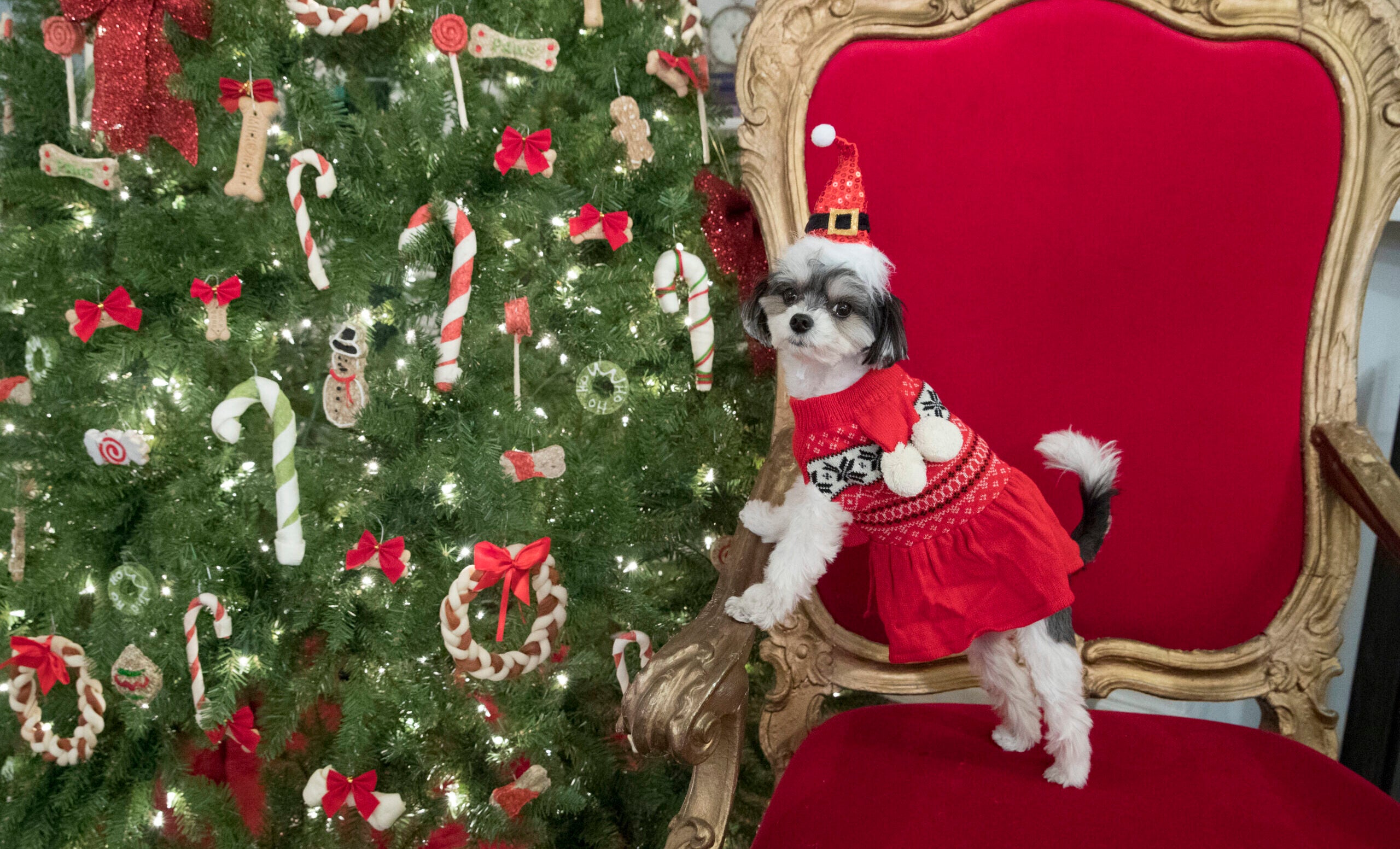
Anyone who has seen their dog excitedly tear open a wrapped gift would probably argue the holiday season is more fun with four-legged friends.
But holidays can also be hazardous for our pooches.
Dr. Sam Bilko, a small animal emergency and critical care veterinarian at UW Veterinary Care, visited WPR’s “The Larry Meiller Show” to discuss unsafe foods and other holiday hazards for dog owners.
News with a little more humanity
WPR’s “Wisconsin Today” newsletter keeps you connected to the state you love without feeling overwhelmed. No paywall. No agenda. No corporate filter.
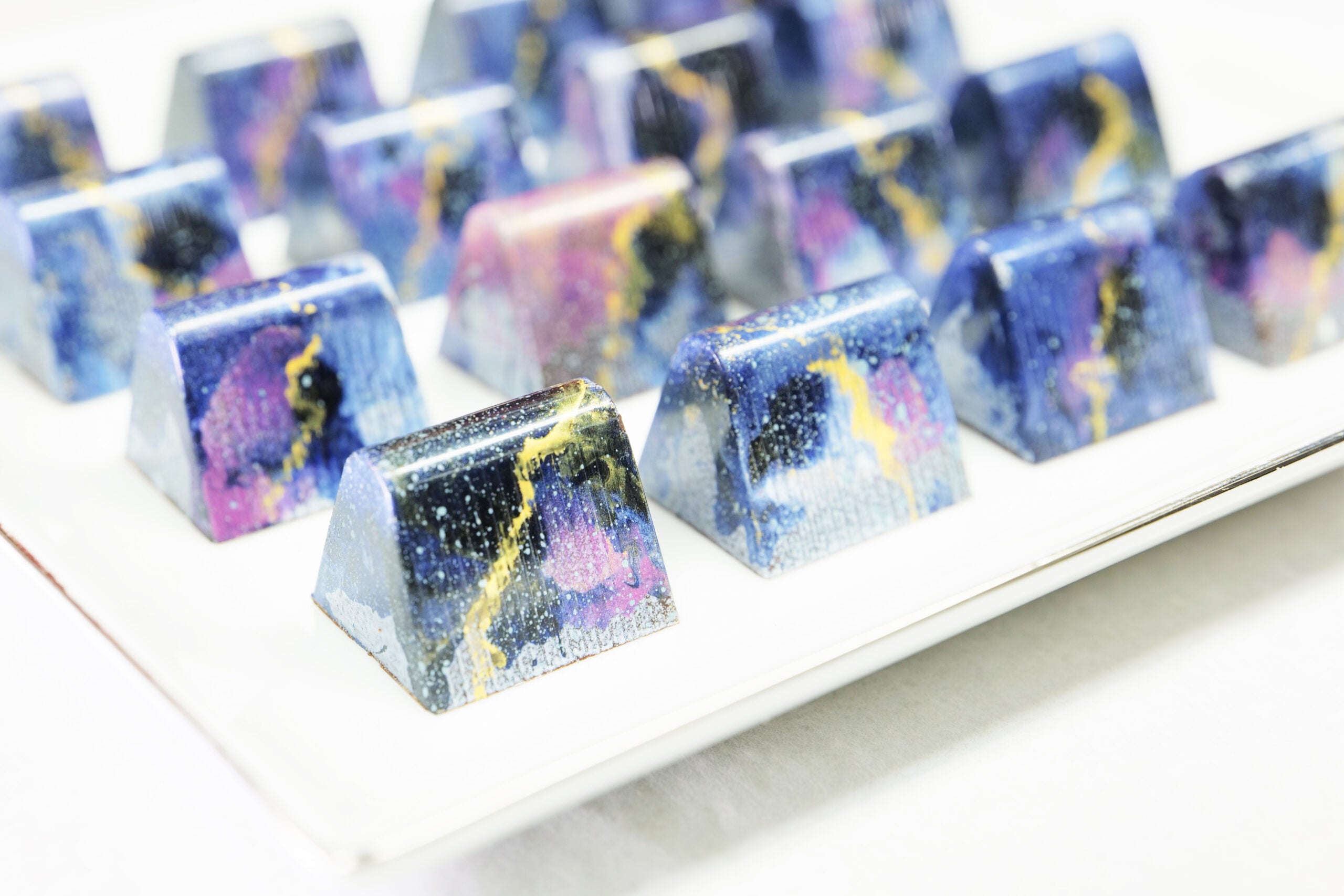
- Chocolate: “I would say every year, chocolate is the No. 1 concern,” Dr. Bilko revealed. “As the chocolate gets more concentrated, so do the toxins. So dark chocolate, bittersweet chocolate and baking chocolate contain more toxins than a milk chocolate bar.” Dr. Bilko also warned that the packaging, if consumed, can obstruct a dog’s gastrointestinal tract.
- Spicy foods: “Onions and garlic are going to be found in almost all our savory holiday dishes, and those can cause not only gastrointestinal issues but red blood cell issues as well,” Dr. Bilko said. “We want to make sure that none of the sauces or dressings that contain those ingredients then go to the dog’s food.”
- Xylitol: Sugar-free gifts often contain this ingredient that’s extremely toxic to dogs. Dr. Bilko warned, “Consuming xylitol can create a condition where their blood sugar drops really low, leading to liver failure.”
- Fruitcakes: An active ingredient in grapes, raisins and currants so commonly found in fruitcakes is tartaric acid — which, according to Dr. Bilko, can cause kidney failure. An alternative is unsweetened cranberries, which she said are safe in moderation for dogs.
- Nuts: “Nuts in general have much higher fat content, and high fat foods have been linked to pancreatitis,” Dr. Bilko noted, while adding that macadamia nuts in particular contain a neurotoxin that is poisonous to dogs. “On the other hand,” she continued, “unsalted peanuts can be a good snack for your dog.”
- Unbaked dough: Bakers be warned. “When a dog ingests unrisen bread dough, the yeast activates inside of them because of that warm environment in their stomach,” Dr. Bilko said. “The dough ball gets big and obstructs the stomach. We then have to try a gastric lavage, where we pass a tube that goes through the mouth and into the stomach, and we use cold water to try to deactivate that yeast.”
- Butter: “That’s certainly one of those foods that can trigger pancreatitis,” Dr. Bilko exclaimed. “If your dog ingests a stick of butter, it’s probably worth a trip to the veterinarian just to get them checked out.”
- Tree bark: Dr. Bilko advised keeping a close eye on your dog when enjoying a walk before or after a big holiday meal. “A dog does not digest the fibers in plant material in general, so it kind of wads up and sits in their stomach and may not pass through normally,” she said. “They may need some kind of procedure or even surgery to remove the bark.”
- Aspirin: If the holidays are giving you a headache, don’t share your pain relief with your dog. “Acetylsalicylic acid, the active ingredient in aspirin, is potentially toxic to dogs as well,” Dr. Bilko advised.
- A pine Christmas tree: “The pine needles can cause hyper salivation or aural irritation,” Dr. Bilko said. “Those sharp pokey ends can poke out of the stomach or intestine and cause a perforation in the gastrointestinal tract. And that can be a big emergency.”
- Snow globes: “Snow globes contain ethylene glycol, which is a key ingredient in antifreeze,” Dr. Bilko warned. “If your snow globe breaks open and your dog is licking that water, get them to a veterinarian very quickly.”

- Guests: Visitors in the holiday spirit might be prone to feeding scraps under the table or leaving trash more accessible. In addition, Dr. Bilko said, “It’s important to make sure our collars and tags are on our pets and our microchip information is up to date. Then if there are any unintended escapees, they can be returned home as soon as possible.”
But if your dog is on the nice list . . .
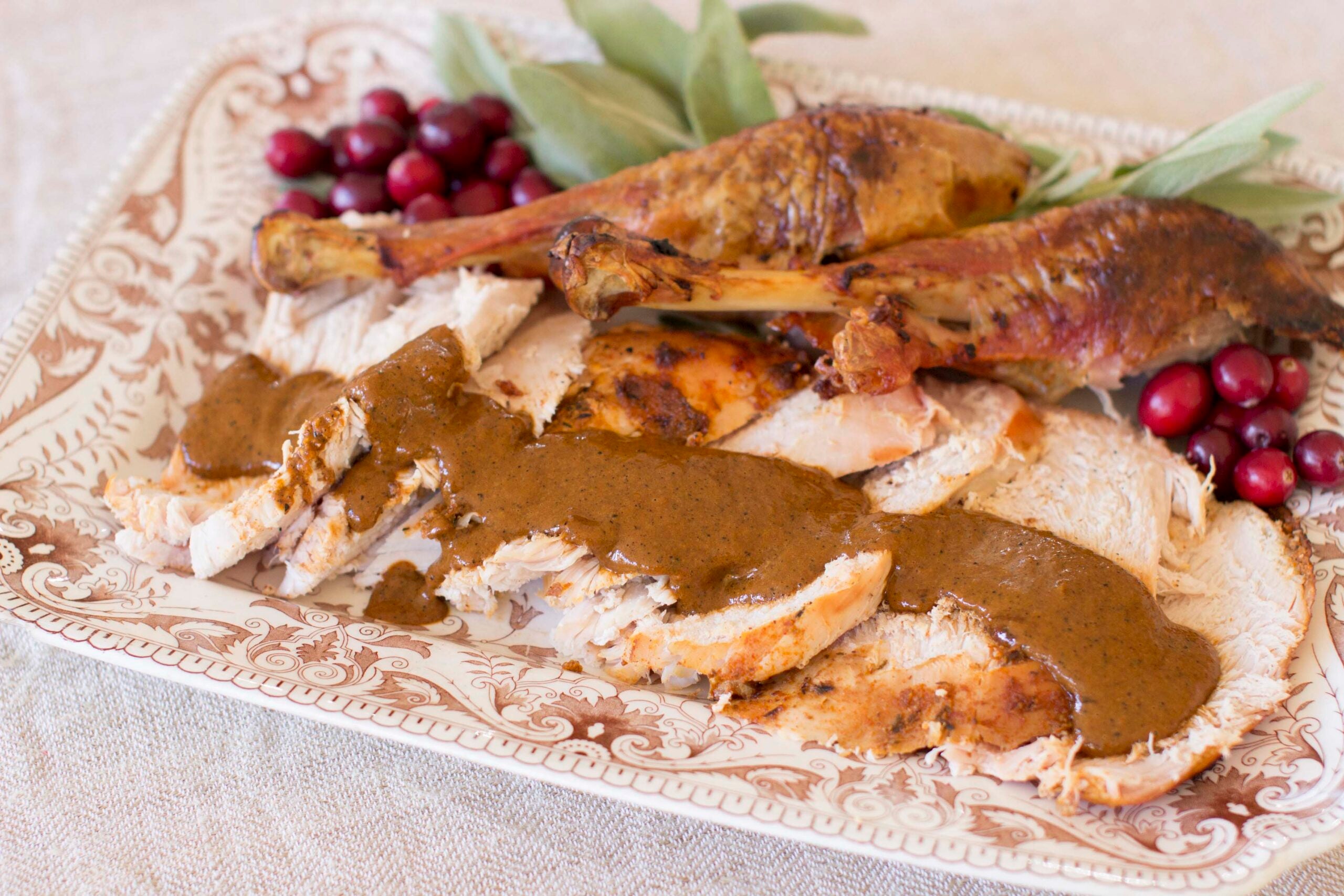
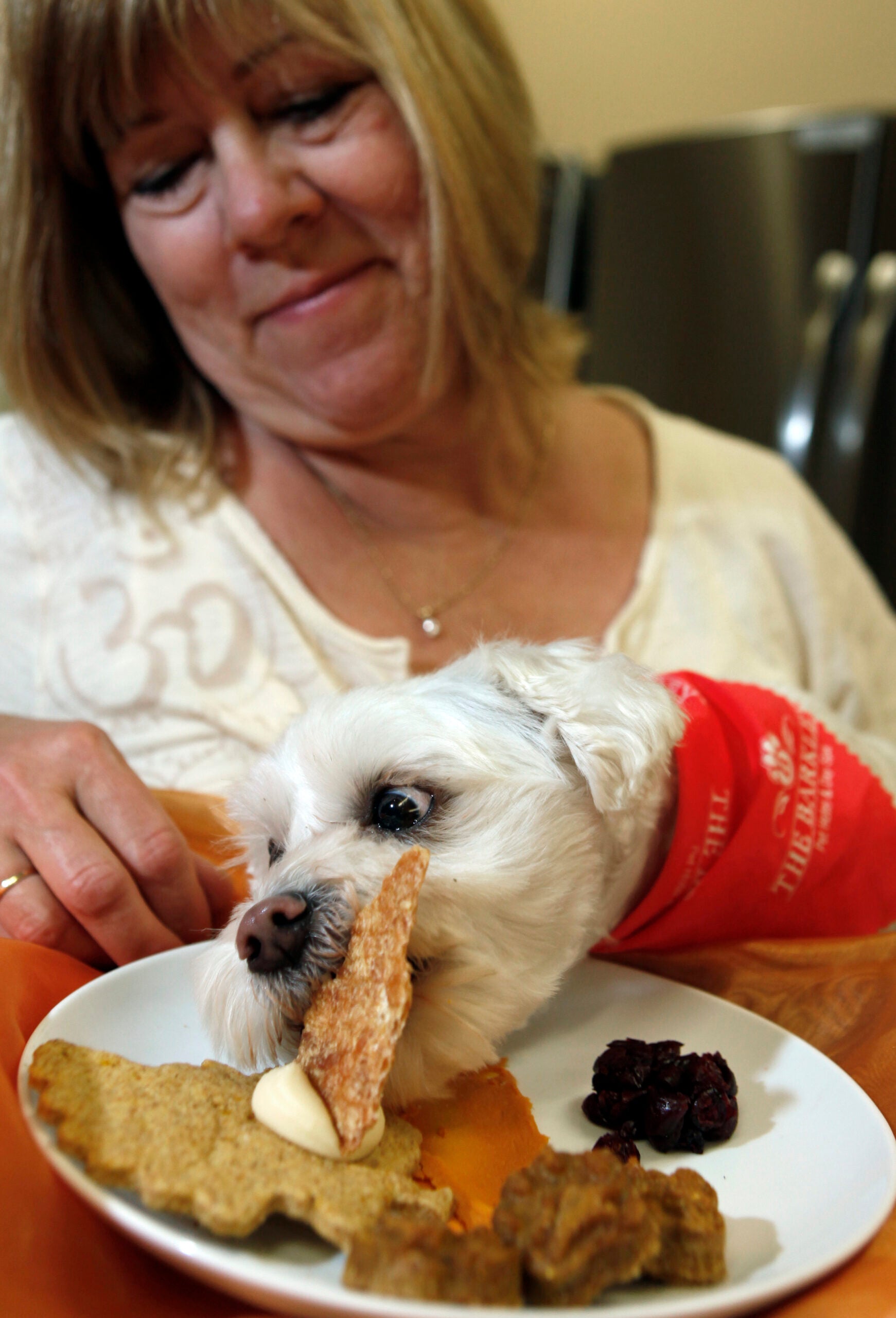
Dr. Bilko said she understands families are eager to make the season special for their dogs. She suggested, “As you’re preparing your holiday dinner, take some of the pure ingredients after you cook them and set them aside before you start adding all of the spices and seasonings and gravies on top.”
“A little bit of plain cooked turkey, a little bit of plain cooked sweet potato, green beans — those types of things are OK for the dog,” she said.
But don’t go overboard.
“Treats and toppers should never make up more than 10 percent of their daily caloric intake,” Dr. Bilko recommended. “We want to make sure the bulk of their meal is just their regular food.”
In case a dog is suspected of ingesting something potentially poisonous, Dr. Bilko said to call the ASPCA Animal Poison Control Center at 888-426-4435.