Mekong Cafe has served Laotian, Thai and Vietnamese food for the past 17 years in Milwaukee.
But Sichanh Volp, co-owner of the family-run business, said times have been hard lately. She said some regulars used to come into the restaurant two or three times a week.
“Now, I barely see them, or I see them like once or twice a month,” Volp said.
News with a little more humanity
WPR’s “Wisconsin Today” newsletter keeps you connected to the state you love without feeling overwhelmed. No paywall. No agenda. No corporate filter.
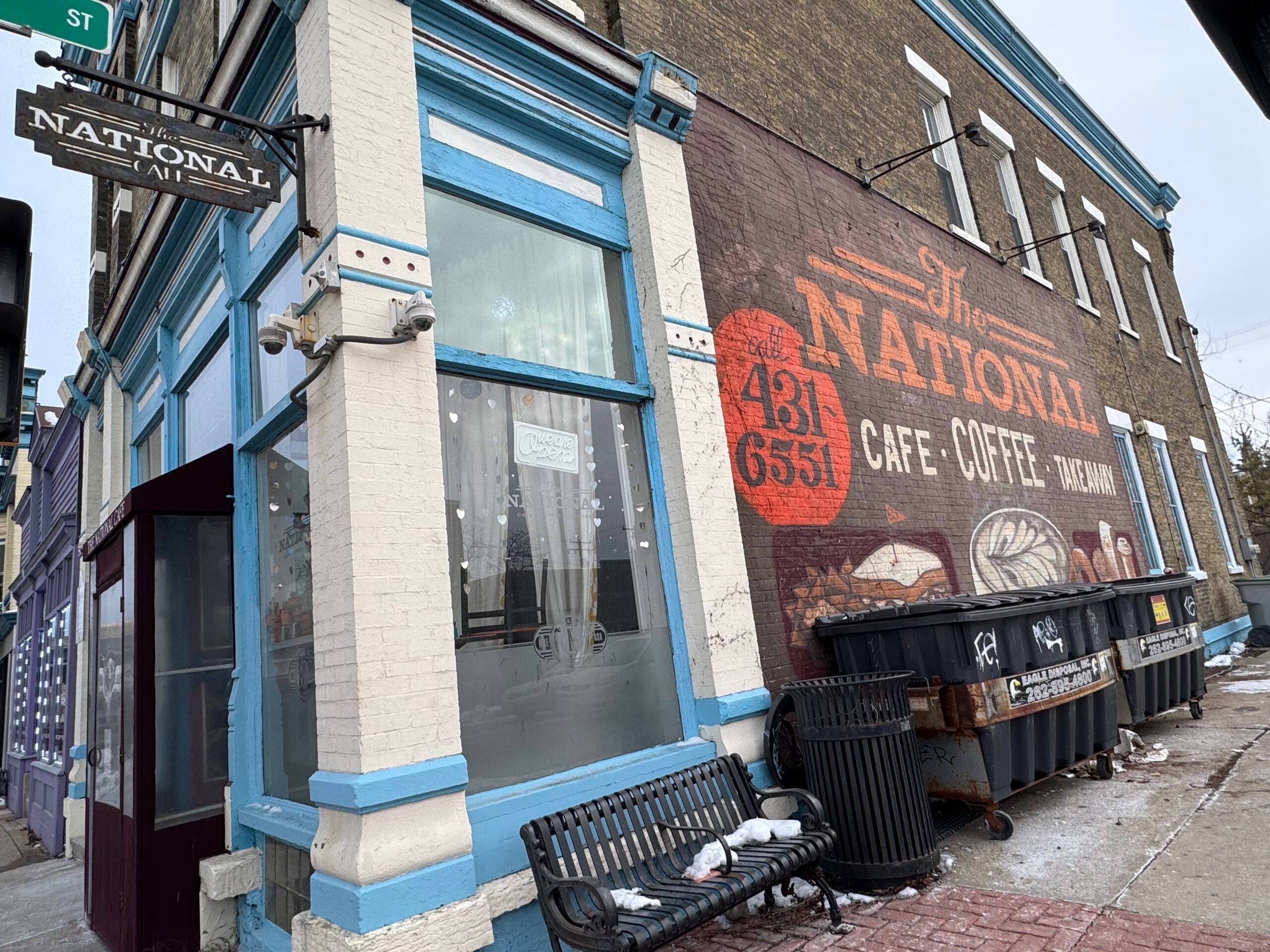
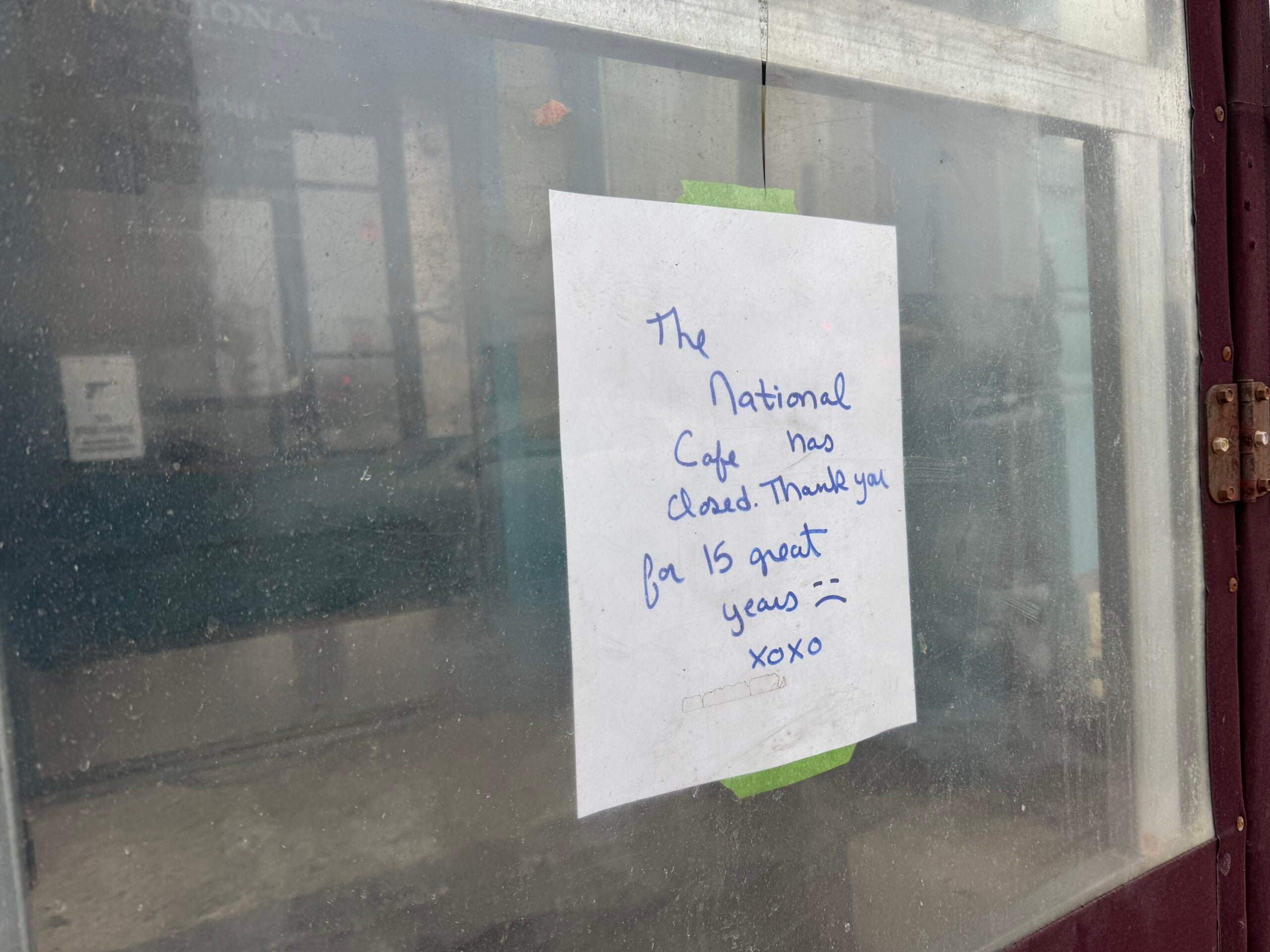
Mekong Cafe is not alone. A string of other locally owned restaurants in Milwaukee have also sounded the alarm about recent struggles. And in recent weeks, two prominent restaurants and a cidery — The National Cafe, Beans & Barley and Pomona Cider Co. — all announced they would close their doors.
“If this doesn’t turn around, we will be one of those restaurants that’s going to have to say, ‘We’re going to have to close because we can’t make it,’” Volp said.
Volp and other Milwaukee restaurant owners say the increased cost of goods, impact of tariffs and the impact of the economy on customers have all contributed to hardships for the businesses.
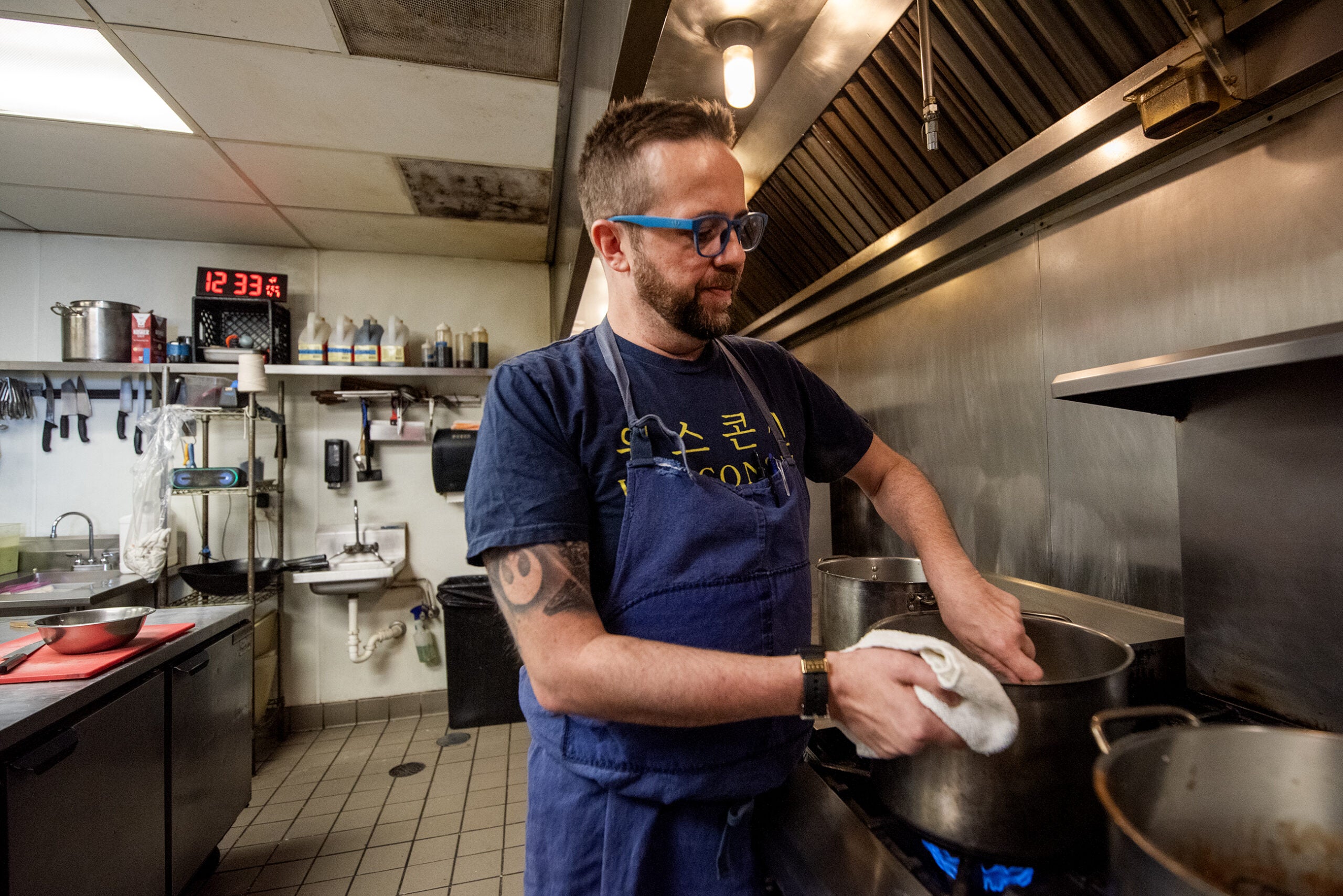
Mia Le Tendre, owner and chef at Strange Town on Milwaukee’s east side, said 2025 has been a “dismal” year for business.
“Our sales are a fraction of what they used to be, and essentially all of our costs have gone up,” Le Tendre said. “The cost of goods has skyrocketed. Most of our wines are affected by tariffs. The cost of our energy has gone up. It just seems like everything is more expensive.”
“And we have fewer customers than ever, because I think customers are also experiencing that price crunch,” she added.
Restaurants face rising labor, food costs
Food and labor costs for restaurants in America have each gone up 35 percent in the past five years, according to the National Restaurant Association, which said those two categories are the most significant costs for restaurants.
“The other expenses for running a restaurant — the building, supplies, credit card processing fees — are also going up quickly,”according to the association.
The U.S. Department of Agriculture also found food prices in the U.S. increased by nearly 24 percent from 2020 to 2024.
Milwaukee Alder Alex Brower also sounded the alarm about the recent restaurant closings in the city.
“The struggles experienced by these businesses are another symptom of the unaffordability crisis we all face today,” Brower wrote in a statement. “Ever-increasing housing prices, the rising cost of basic items — and more recently the tariffs enacted by the Trump administration — have all taken their toll on our wallets.”
Le Tendre said there were weeks recently where she was paying $8 for a head of cauliflower, up from the $3 she used to pay. She said the chocolate chips she uses for her Ganache recipe have also increased in price.
“They’re tripled in price, essentially, which is crazy,” Le Tendre said. “It just seems like a few dollars here and there, but it all adds up.”
At Mekong Cafe, Volp said they get a lot of their food imported from Vietnam, Thailand and China. She said the prices of some of those items have gone up recently.
“And sometimes there’s shortages,” Volp said.
Kate Bryan, the owner of Seven Swans Crêperie in the city’s Riverwest neighborhood, said the fall is usually their busiest season. But that wasn’t the case this year, as she said the past few months were among the slowest they’ve had since opening in 2023. Bryan said a busy fall helps when business tends to slow down during the winter months.
“Everyone’s just being really careful right now, I think, with the tightness in every direction,” Bryan said. “Fewer people are going out and spending money. … Our cost of goods are so much higher, and we cannot raise our prices to reflect what we’re paying in a way that we will retain customers.”
Milwaukee was also hit with a few recent snowstorms, which Bryan said resulted in the “absolute slowest weekends we’ve ever had.”
‘We kept hoping for a busy fall and holiday season that just never came’
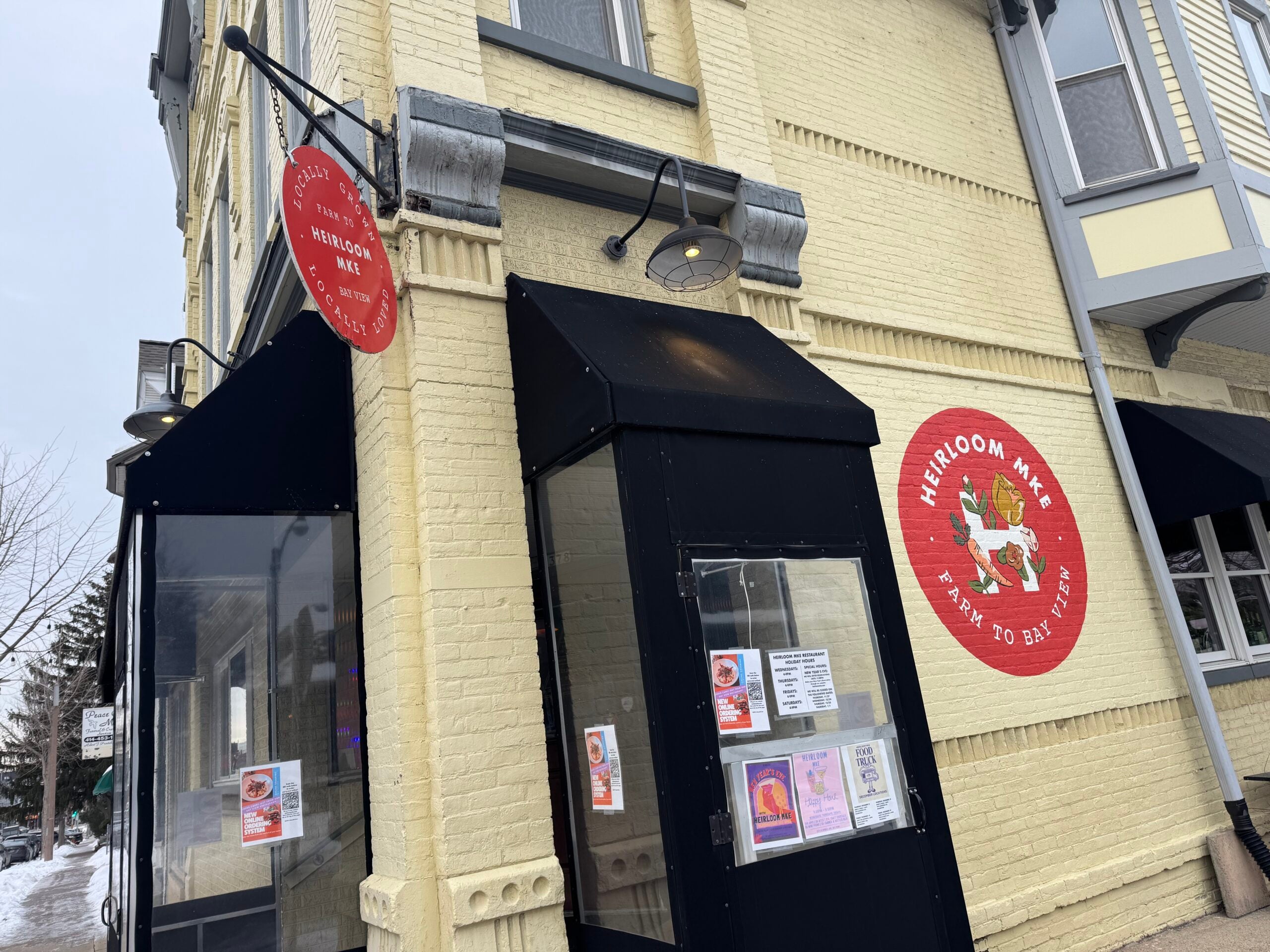
Jess Ignatiev owns Heirloom MKE, a restaurant in the city’s Bay View neighborhood, with her husband. She said the last few weeks have also been slower than usual.
“There’s so many different things coming at us from that point of price increase that it’s hard to even determine what item is going to skyrocket next,” Ignatiev said.
The National Cafe in the Walkers Point neighborhood announced its closing on Thursday. The decision came over a year after a driver crashed into the business’s other restaurant, the Lafayette Place, which forced that restaurant to permanently close.
“After our Lafayette Place tragedy and a painfully slow 2025, we kept hoping for a busy fall and holiday season that just never came,” a social media post from the restaurant said.
Beans & Barley, which has been in business on the city’s east side since 1973, announced it will be closing at the end of January because the building it’s located in is being sold.
“I know that everyone is struggling right now (and) I think that if we’re all thoughtful and conscientious about where we spend our money, we can help keep some of these small places alive,” Le Tendre said.
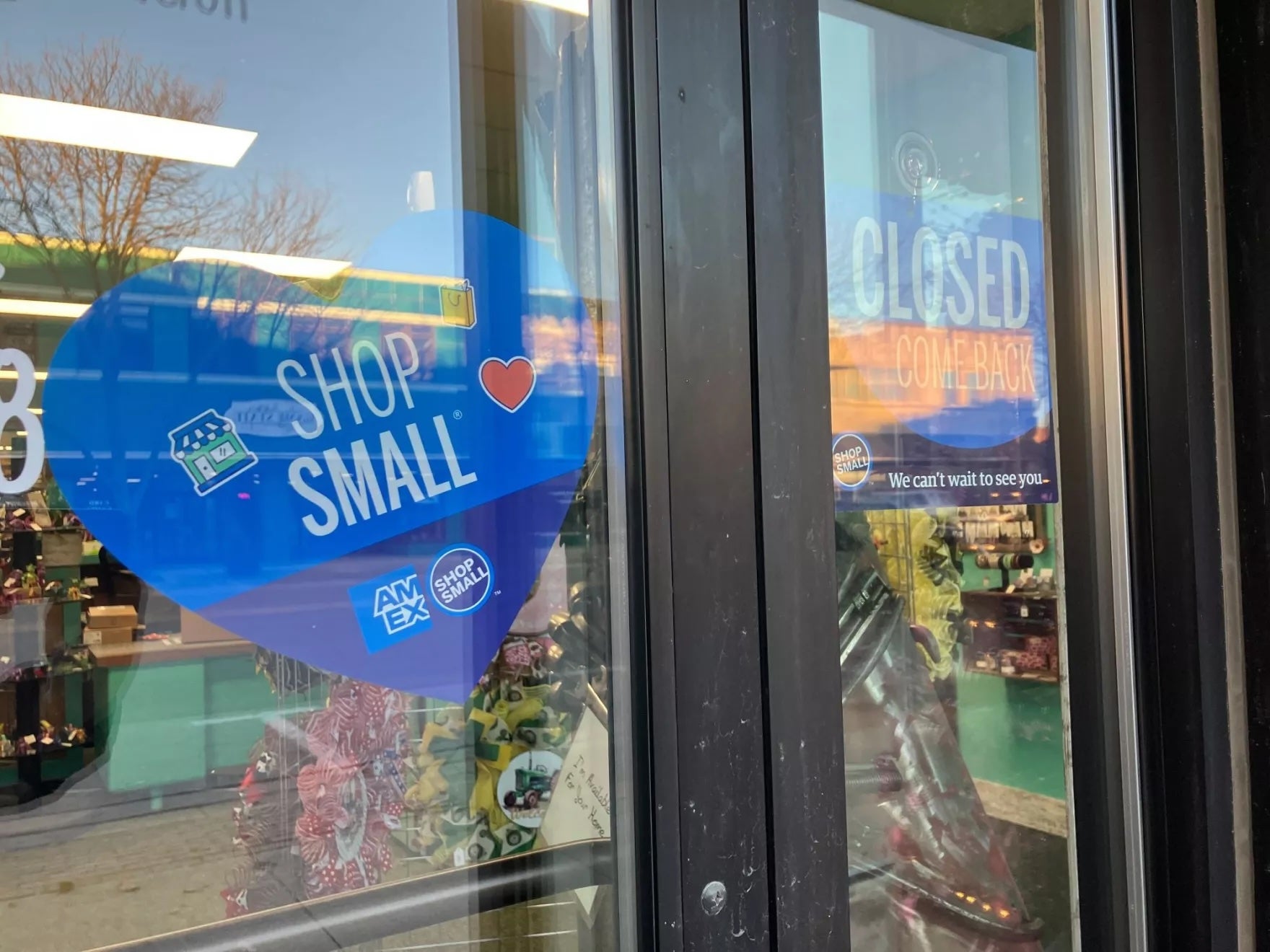
Ignatiev also said now is the time to support local businesses and to shop small.
“Make intentional decisions, support local, do what you can,” Ignatiev said.

Wisconsin Public Radio, © Copyright 2026, Board of Regents of the University of Wisconsin System and Wisconsin Educational Communications Board.