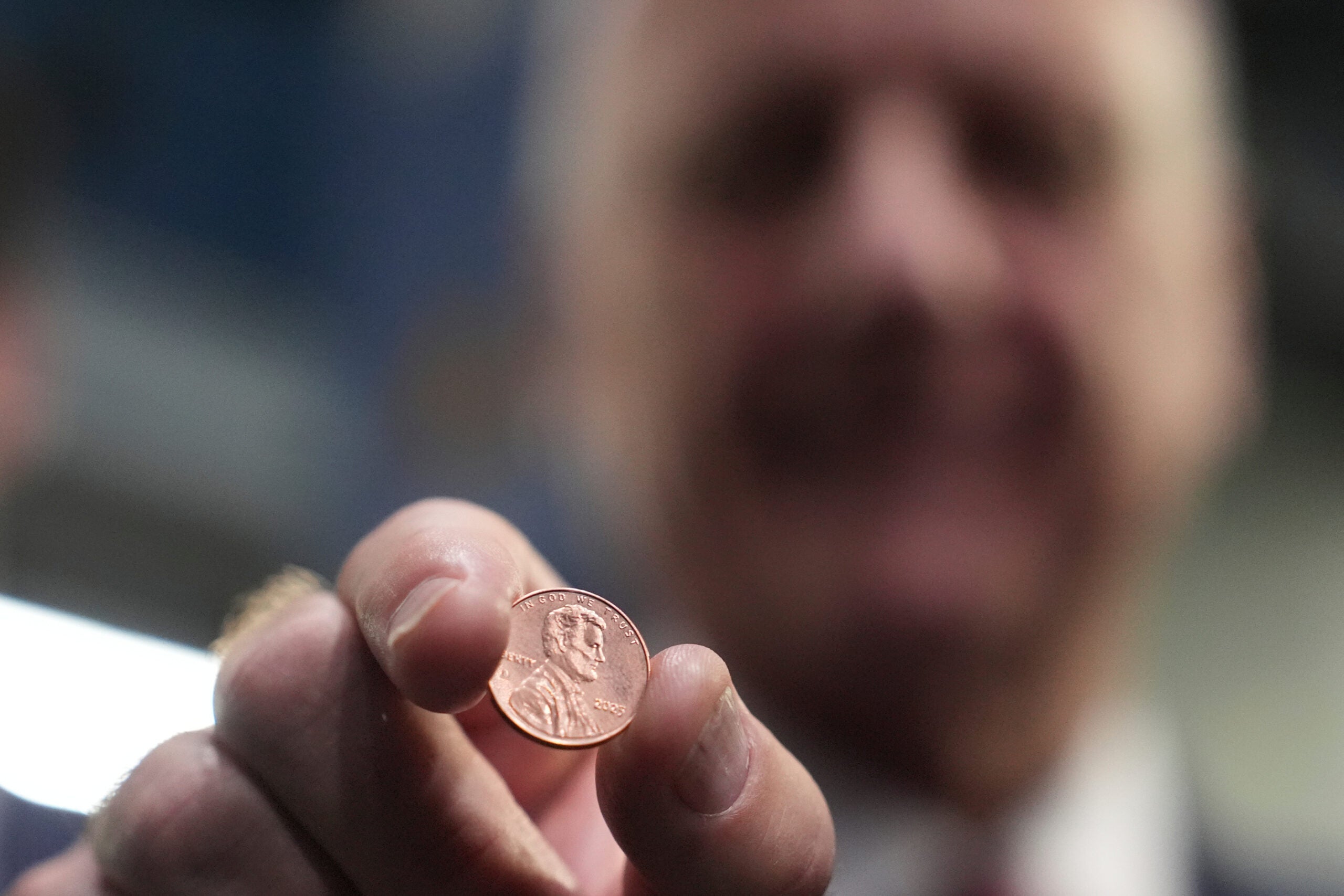
The United States minted its final pennies last week, but the phase out of the 1-cent coin is expected to vary from community to community.
The federal government says the penny is being phased out after a more than 200-year run because of high production costs. As of 2024, producing and distributing a single penny cost 3.69 cents. Canada phased out its penny a little over a decade ago.
Some Wisconsin-based companies have already implemented cash rounding policies following the U.S. Treasury Department’s announcement that it would stop minting pennies and a subsequent national penny shortage.
News with a little more humanity
WPR’s “Wisconsin Today” newsletter keeps you connected to the state you love without feeling overwhelmed. No paywall. No agenda. No corporate filter.
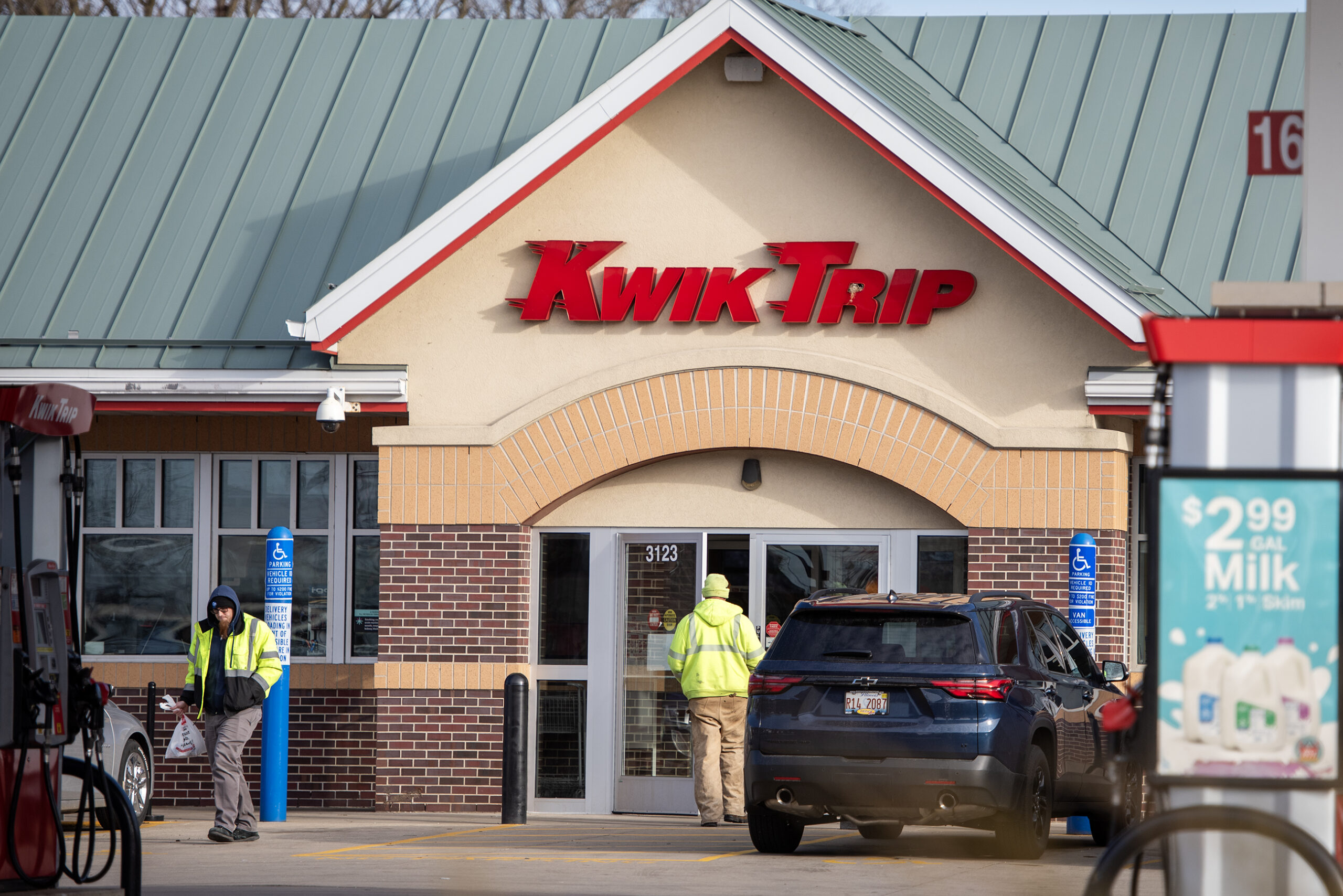
Convenience store chain Kwik Trip announced earlier this year that it would round cash transactions down to the nearest 5-cents. Meanwhile, grocery chain Woodman’s is rounding all cash transactions to the nearest nickel, meaning some will be rounded down and others rounded up.
Retailers across the state will likely adopt similar policies as pennies become less available, said Bruce Nustad, president of the Alliance of Wisconsin Retailers.
The trade group sent guidance to members recommending no changes to electronic payments via credit, debit cards and mobile pay. But it’s also recommending rounding after-tax totals to the nearest nickel for cash payments.
Some retailers may choose to round all cash transactions down, so there will likely be some variation in policies from store to store, Nustad said.
But the timing of the phase out is going to vary based on the availability of pennies at local banks across the state, he said.
“You’re going to see this kind of rollout a little bit inconsistently across the state,” he said. “But at some point the penny will be out of circulation. A retailer won’t be able to get that penny from their bank.”
Nustad added that he doesn’t expect the phase out to affect pricing.
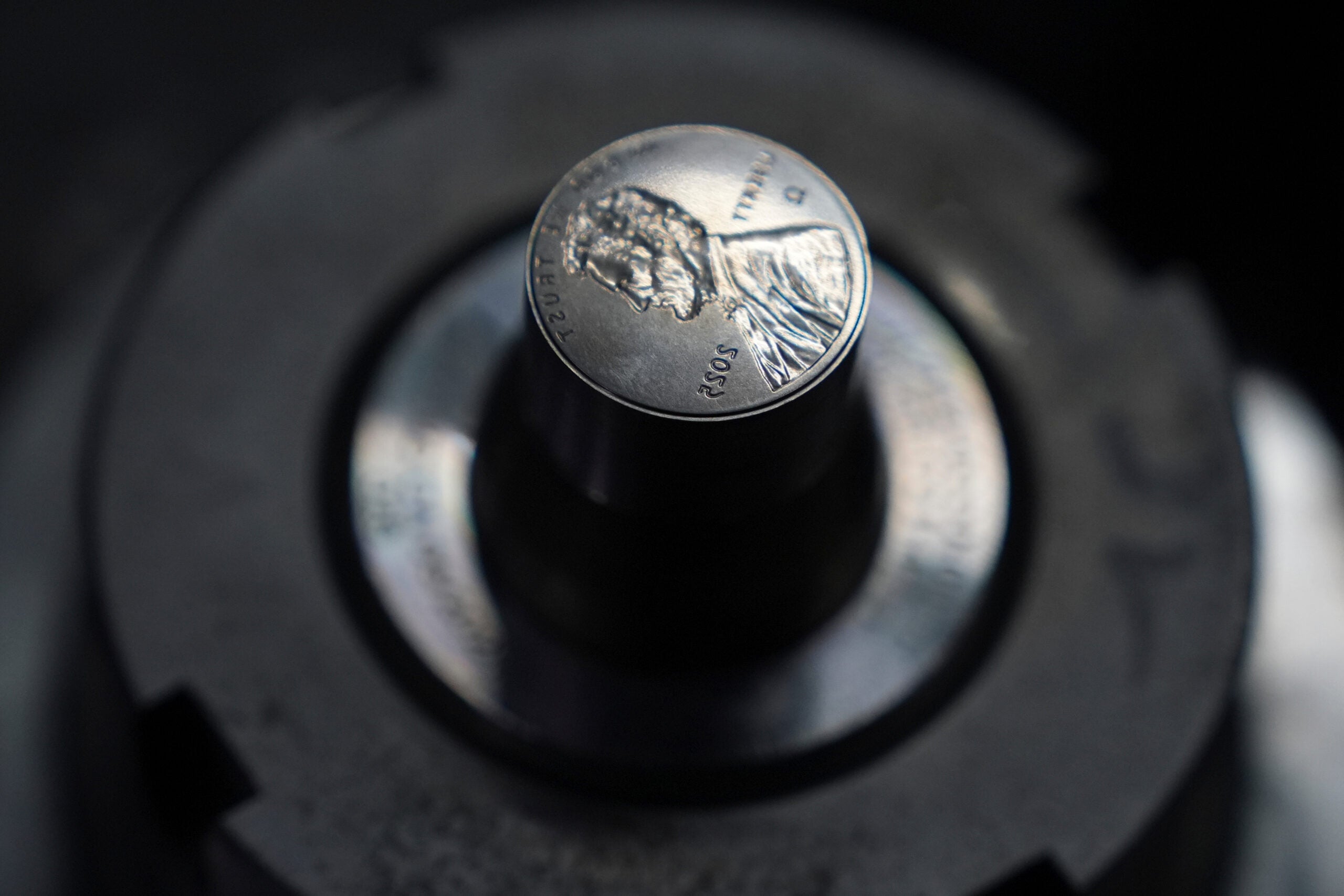
Though pennies are still legal tender, it’s already become more difficult for banks to get the 1-cent coins, said Heather MacKinnon, vice president of legal and communications for the Wisconsin Bankers Association.
“Across the state, we’ve been hearing for the past several weeks that it is impossible at this point to receive pennies in their cash orders as the bank would normally have received in the past from their vendors,” she said.
To help their cash-heavy business customers who still want to make exact change, MacKinnon said some banks are holding penny drives to collect the coins.
She says people can still bring their coin jar into their bank to receive cash back for their coins, including pennies.
“That hasn’t changed just because the Treasury has decided to no longer mint pennies,” MacKinnon said.
She also said pennies will still be able to be used to purchase goods and services, as well as make bank deposits, in the future — similar to how $2 bills and 50-cent or $1 coins can still be used.
While electronic payment methods have become increasingly common in recent decades, some businesses still only accept cash.
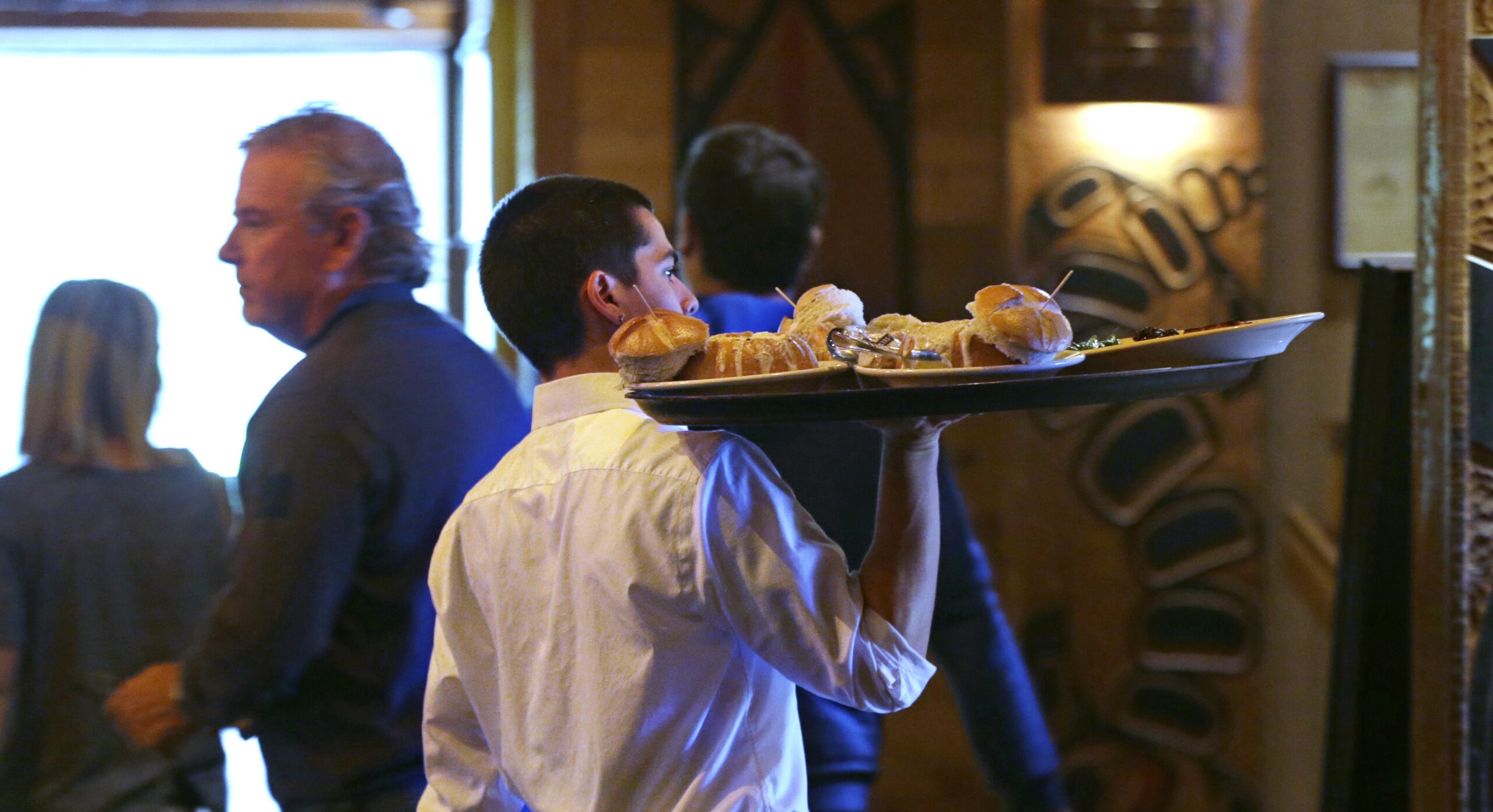
One of those businesses is The Northwestern House in Sheboygan, a locally-owned restaurant that’s been in the community for more than 20 years. Manager Ian Utech said the small business only accepts cash to avoid steep credit card processing fees and bounced checks.
“It’s a good way for us to keep our prices low, instead of passing those processing fees on to the customer,” Utech said.
He said the restaurant’s bank still had pennies as of Tuesday and was “sort of stockpiling them.” He said they plan to continue using pennies for the time being.
“I have about a two-week backup supply, more than what we would need for a regular week,” he said. “But until somebody tells us otherwise, or until I can’t get them, we’re going to keep using them.”
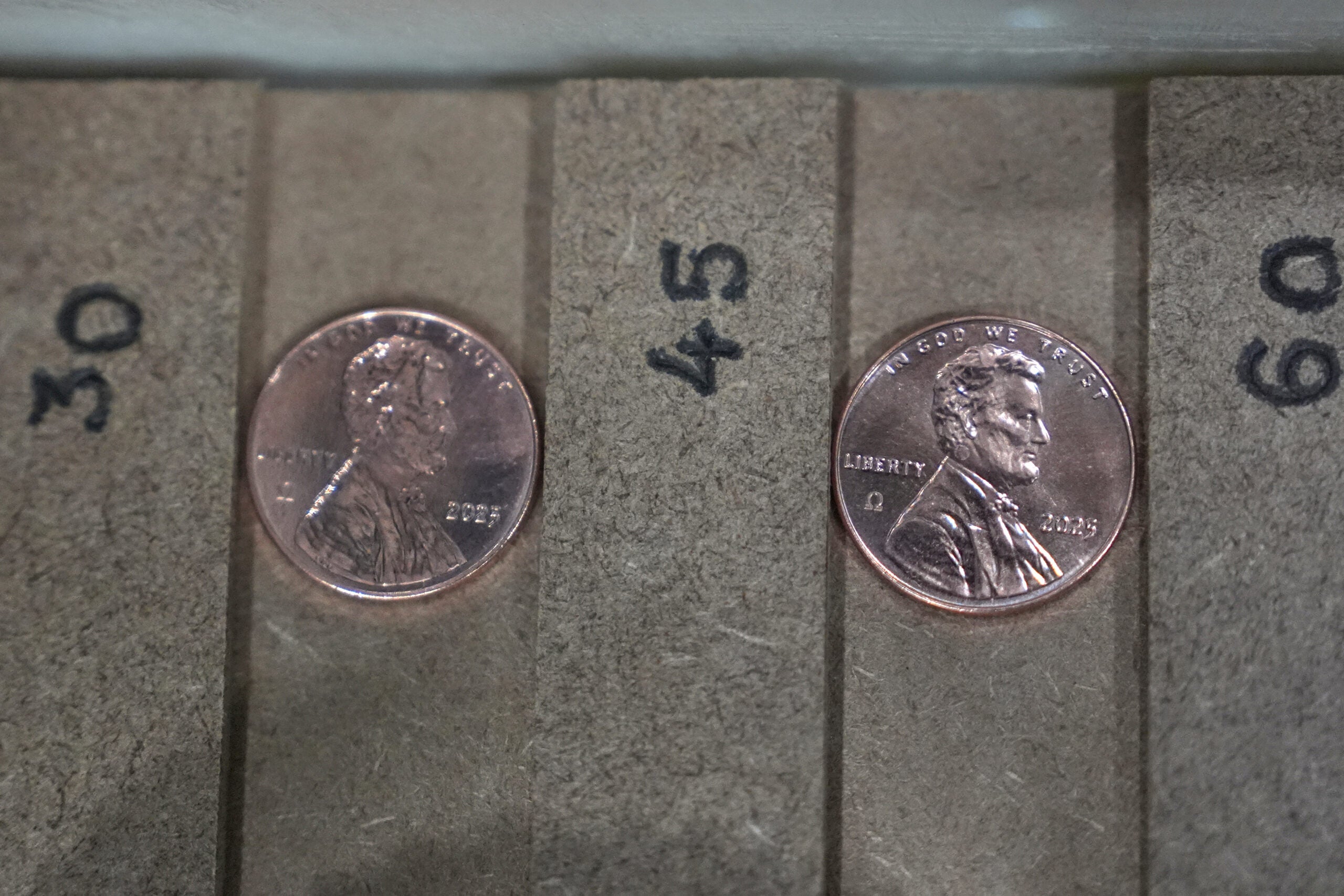
Even so, Utech anticipates the restaurant will adopt a rounding policy eventually. He says around 70 percent of the orders that come in leave their change for the server as a tip.
“I think that the service that’s provided by the servers, and every other tipped employee, is still going to be rewarded and won’t necessarily be affected,” he said.
But he is concerned that it could mean fewer customers are leaving their change in the Salvation Army’s Red Kettle, which the restaurant keeps near the register from mid-November through early January, or other change collection jars from local service groups through other parts of the year.
“There’s a lot of people who throw change in there from their bill,” he said. “How is that going to affect them?”

Wisconsin Public Radio, © Copyright 2026, Board of Regents of the University of Wisconsin System and Wisconsin Educational Communications Board.