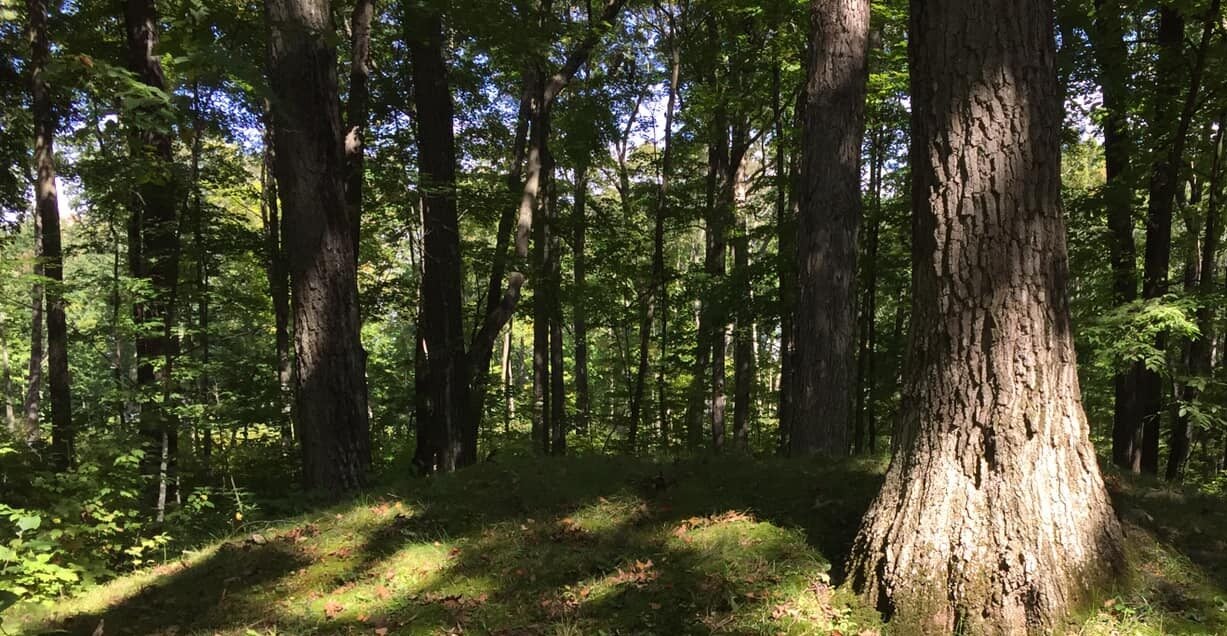
This month, members of the Menominee Nation gathered to bury their ancestors on reservation land in northeastern Wisconsin.
That reburial came six decades after most of those humans remains were taken from a burial site overlooking the Menominee River, in the town now known as Menominee, Michigan.
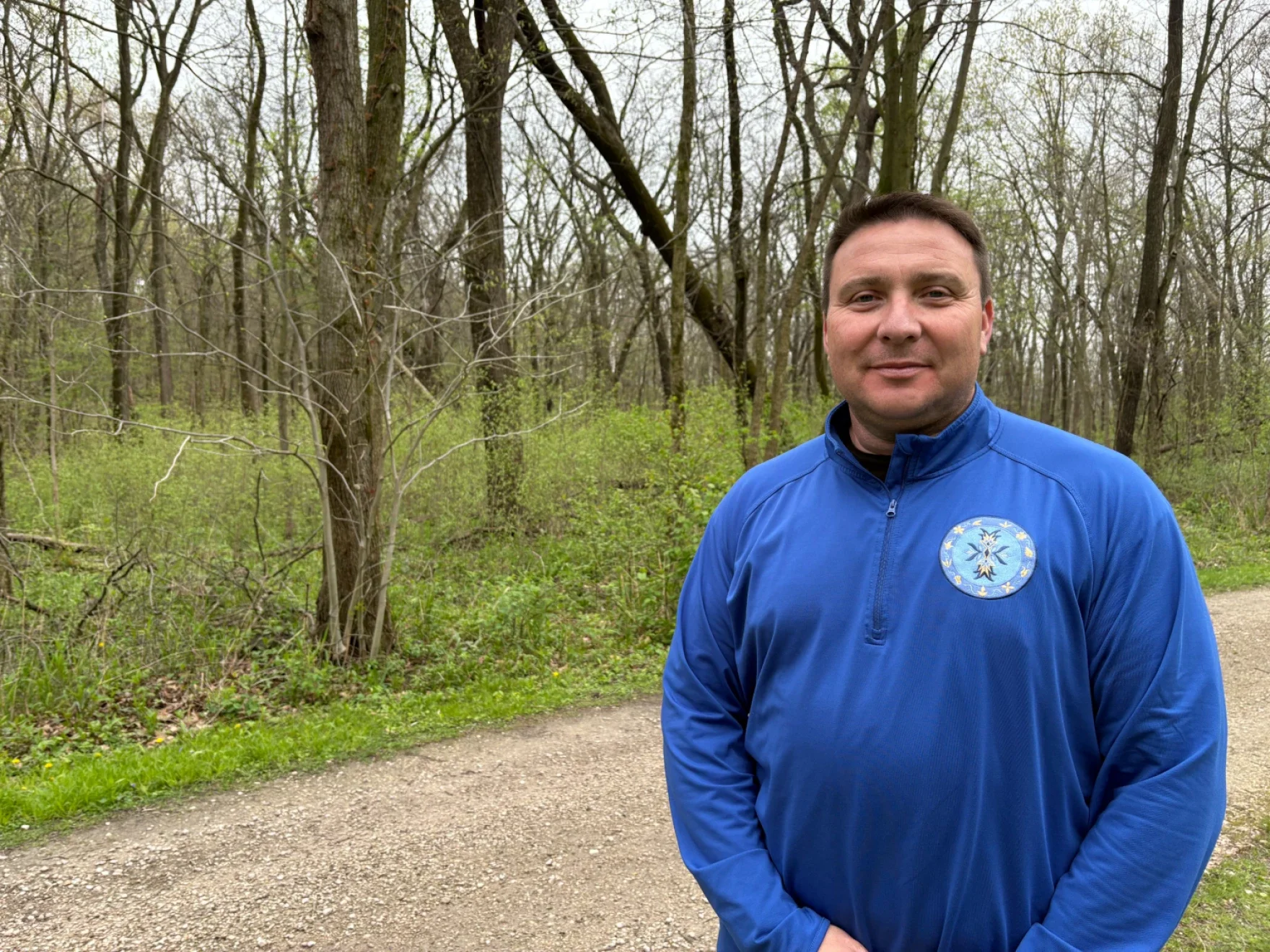
Before that reburial ceremony, tribal members gathered at noon on Nov. 14 for a feast. The atmosphere during that gathering wasn’t sad, said David Grignon, the historic preservation director for the Menominee Indian Tribe of Wisconsin.
News with a little more humanity
WPR’s “Wisconsin Today” newsletter keeps you connected to the state you love without feeling overwhelmed. No paywall. No agenda. No corporate filter.
“It was more of a celebration that we got these remains back and that we could return them back to the earth,” Grignon said. “They’ve been sitting on a museum shelf and on university shelves. It gave us the opportunity to rebury them, and let them continue their journey in the spirit world.”
Museums took remains from burial site that dated back thousands of years
The recent reburial included the remains of an estimated 67 people, many of whom lived thousands of years ago.
The return of those ancestors came after the Menominee tribe submitted requests through a federal law known as Native American Graves Protection and Repatriation Act, or NAGPRA.
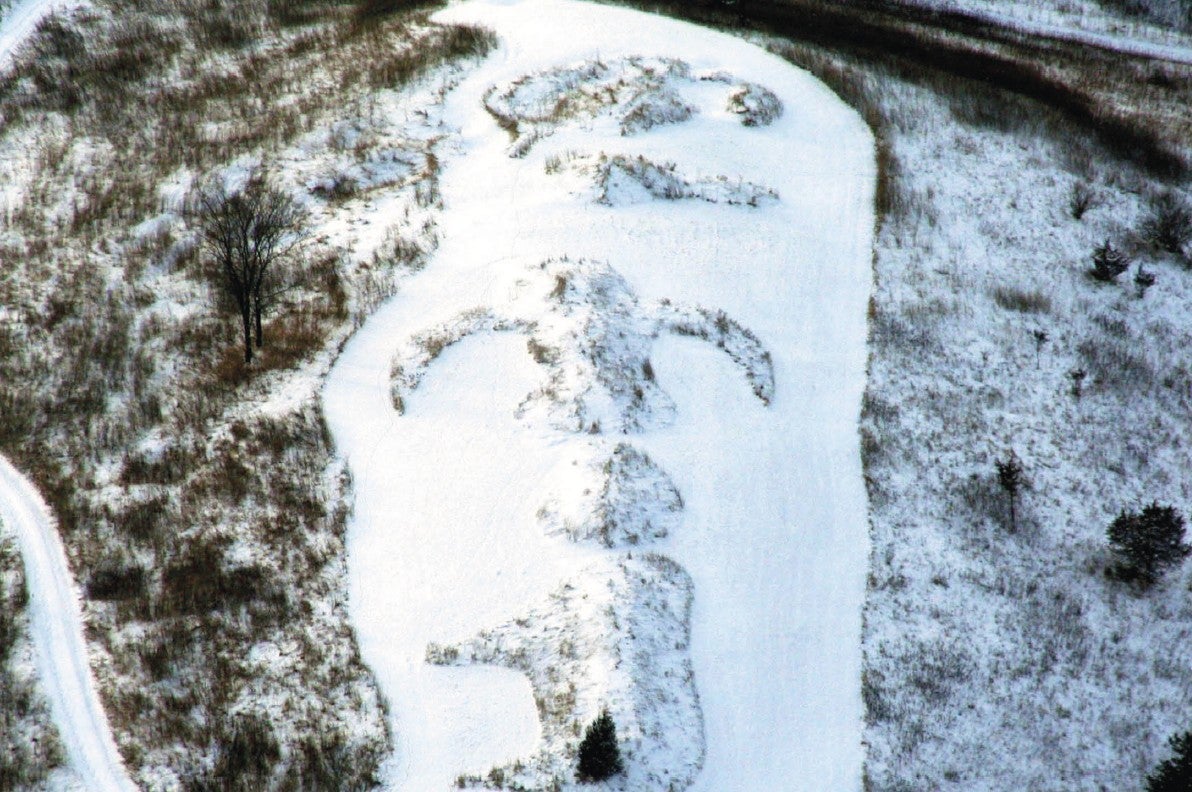
Most of the remains were originally buried at a site known as the Riverside Cemetery in Menominee, Michigan.
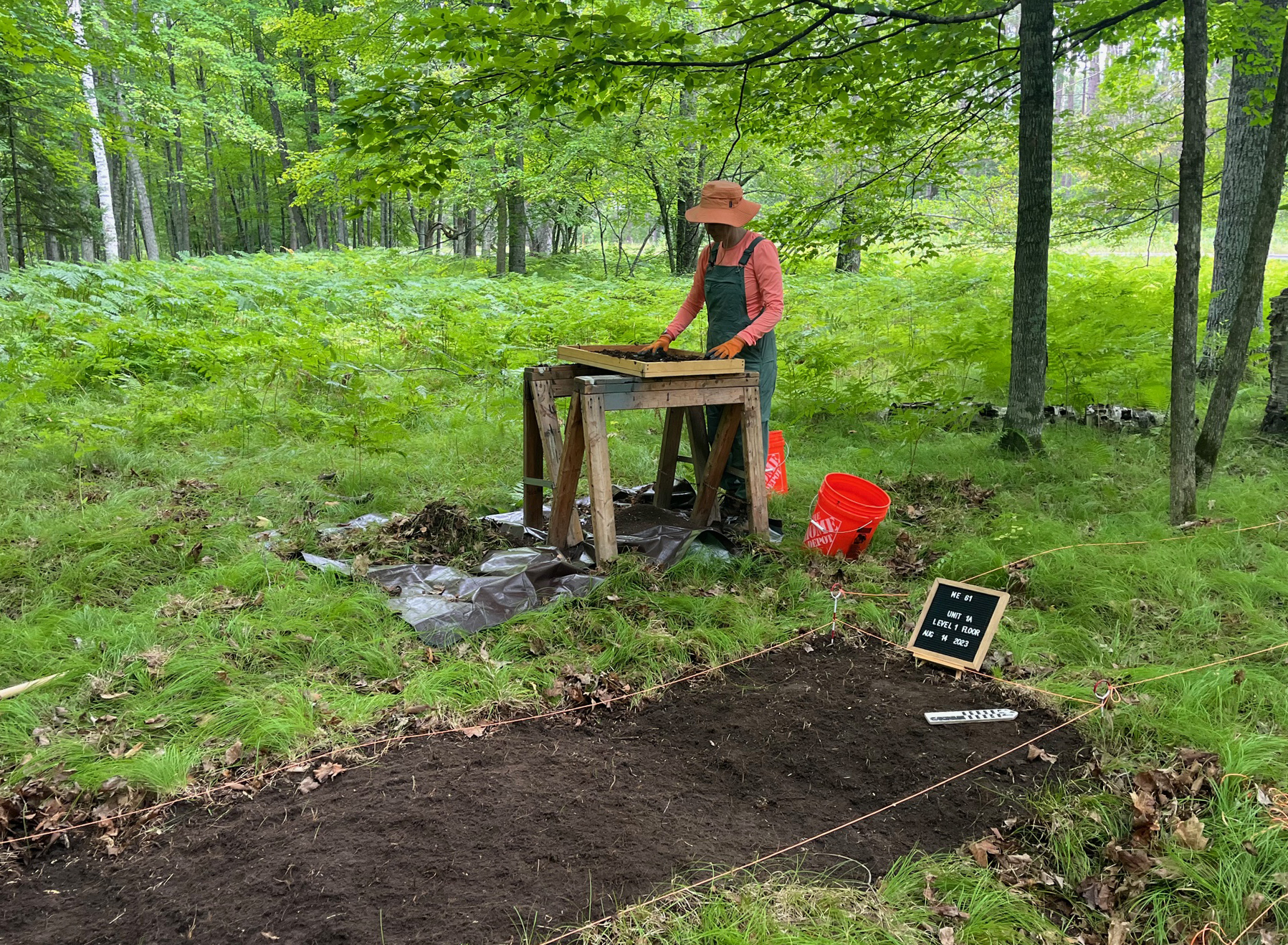
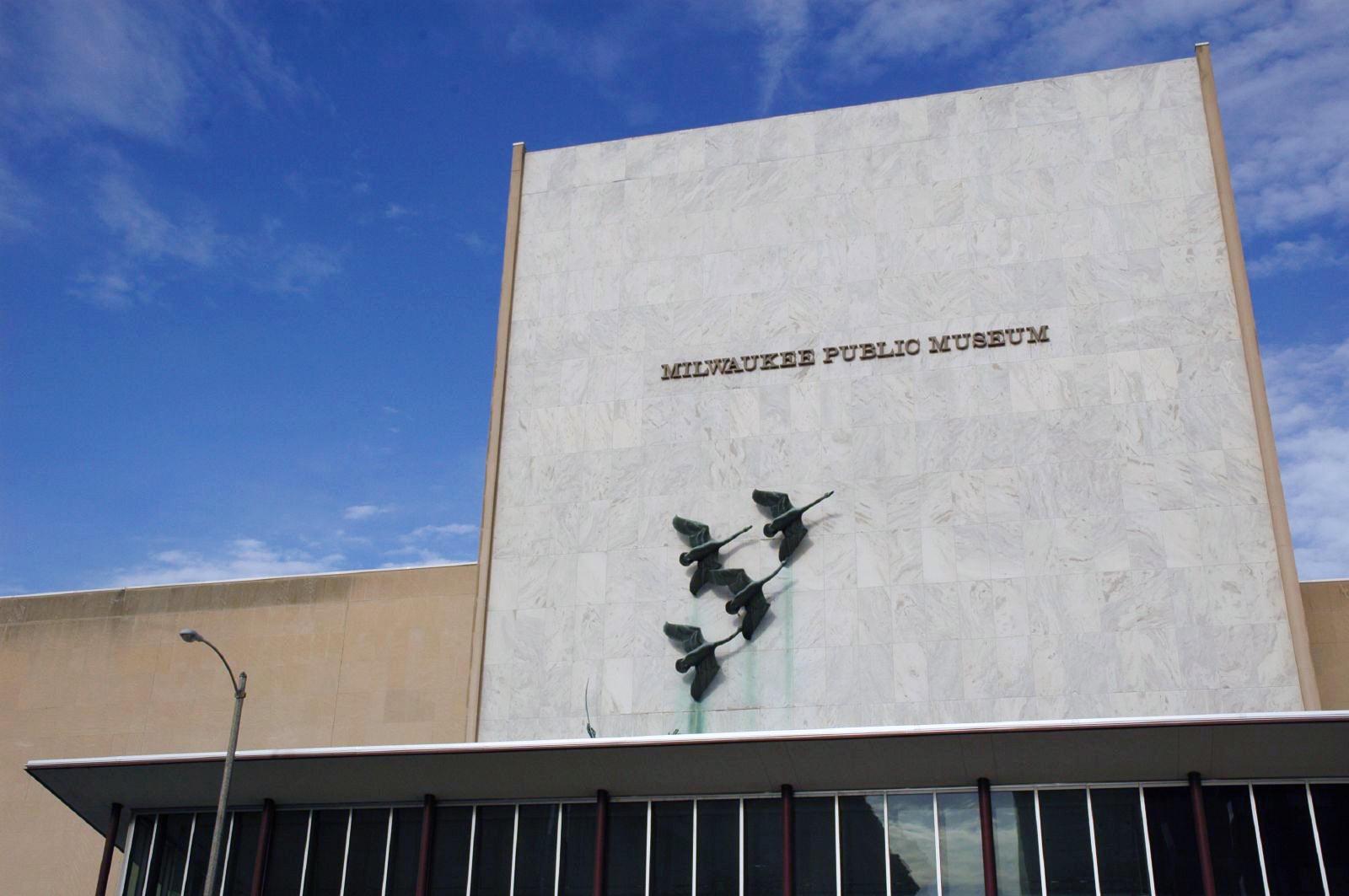
Anthropologists Robert Hruska and Robert Ritzenthaler excavated the remains between 1961 and 1963, as part of a joint endeavor spearheaded by the Milwaukee Public Museum and the Oshkosh Public Museum.
In 1967, the Oshkosh Public Museum donated most of its collection from that site to the Milwaukee Public Museum, which is why the Milwaukee Public Museum was the institution that returned the remains of those 67 people to the Menominee this year.
That Riverside Cemetery dates back to between 1,000 and 100 B.C.E.
Tribe also got back burial objects, remains taken from other sites
In addition to human remains, the Milwaukee Public Museum also recently returned close to 4,000 objects that had been buried alongside people thousands of years ago at the cemetery site.
Along with wood and stone fragments, those objects included beads, charcoal and stones used to sharpen tools. As part of the latest repatriation round, the Menominee Nation also got back seven hornstone fragments, which were returned by the Oshkosh Public Museum from the Riverside Cemetery.
Also buried during November’s ceremony were the remains of several other ancestors. One was a woman, whose complete remains were returned by the Milwaukee Public Museum earlier this year. She was excavated in 1964 from a burial site near Peshtigo, Wisconsin. Additionally, the Menominee Nation reburied human remains that were returned by University of Michigan after being taken from the Chalk Hill Mound Group in Michigan.
Museum says human remains were kept in storage
The latest round of repatriation to the Menominee Nation was the result of a yearlong process, said Dawn Scher Thomae, curator of anthropology collections at the Milwaukee Public Museum.
“This is a human rights issue,” Scher Thomae said. “I’m just happy that they’re home. I’m happy that it has come full circle.”
Before they were returned, Scher Thomae said the human remains were kept in storage as part of the museum’s research collection. She said she could not find any museum records indicating that those remains were ever put on display.
James Flores, the Milwaukee Public Museum’s manager of tribal relations, was among those in attendance when the Menominee Nation reburied its ancestors last week.
“Seeing these ancestral remains of the Menominee Nation being able to continue on in their journey, to be able to be to rest properly, was very moving for me,” said Flores, who’s a member of the Oneida Nation. “We’re diligently working with tribal nations to right these wrongs (and) these past misguided practices that led to the human remains and burial items being collected.”
Milwaukee Public Museum has Wisconsin’s largest collection of unreturned Native American remains
The Milwaukee Public Museum holds Wisconsin’s largest collection of un-repatriated Native American remains, according to a database maintained by ProPublica.
That includes the remains of more than 1,500 Native Americans, which have not yet been made available for return. The Milwaukee Public Museum also has a collection of hundreds of objects with cultural significance that once belonged to Native Americans.
Even after an institution makes items available for return by establishing connections with relevant tribes, Scher Thomae said tribes sometimes chose to keep the items stored at a museum. In other cases, Scher Thomae said tribes may wait before taking back human remains or cultural objects because they don’t have the physical space for burial or storage.
“I think the important part … is that NAGPRA empowers Native tribes and nations to make decisions regarding their own history and their heritage,” she said.

Wisconsin Public Radio, © Copyright 2026, Board of Regents of the University of Wisconsin System and Wisconsin Educational Communications Board.