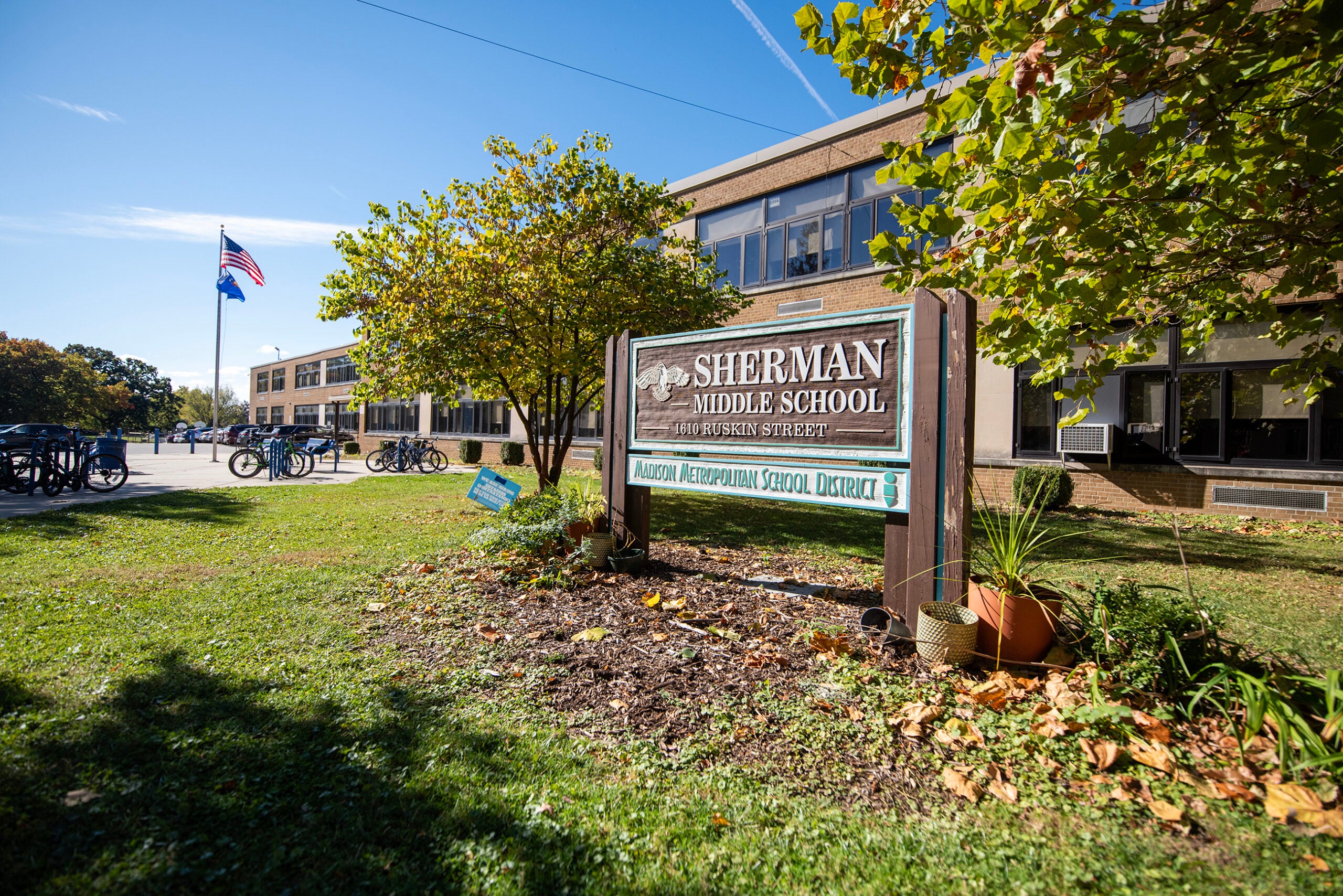
The Madison school district is preparing to break ground on another ambitious facilities renovation.
That work comes after voters passed a $507 million facilities referendum last year to fund projects at 10 schools across the district. They include new buildings for five middle schools, two elementary schools and one alternative high school — some at shared sites.
Scott Chehak, senior executive director of building services for the district, said these schools were first in line in the long-range facilities plan and have failing plumbing, electrical and HVAC systems.
News with a little more humanity
WPR’s “Wisconsin Today” newsletter keeps you connected to the state you love without feeling overwhelmed. No paywall. No agenda. No corporate filter.
“Madison buildings are very old and have a lot of history,” Chehak said. “These are the first identified from that process.”
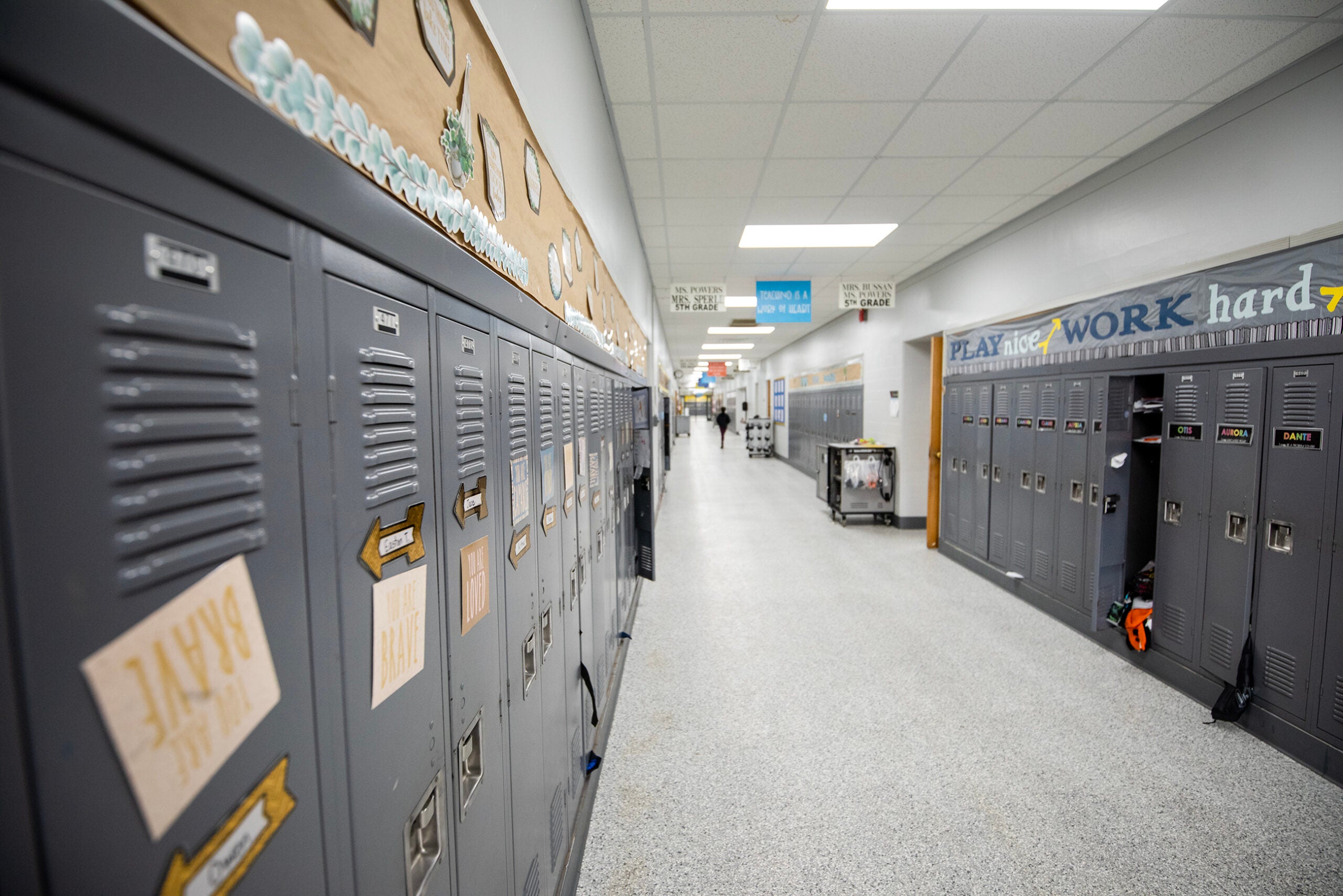
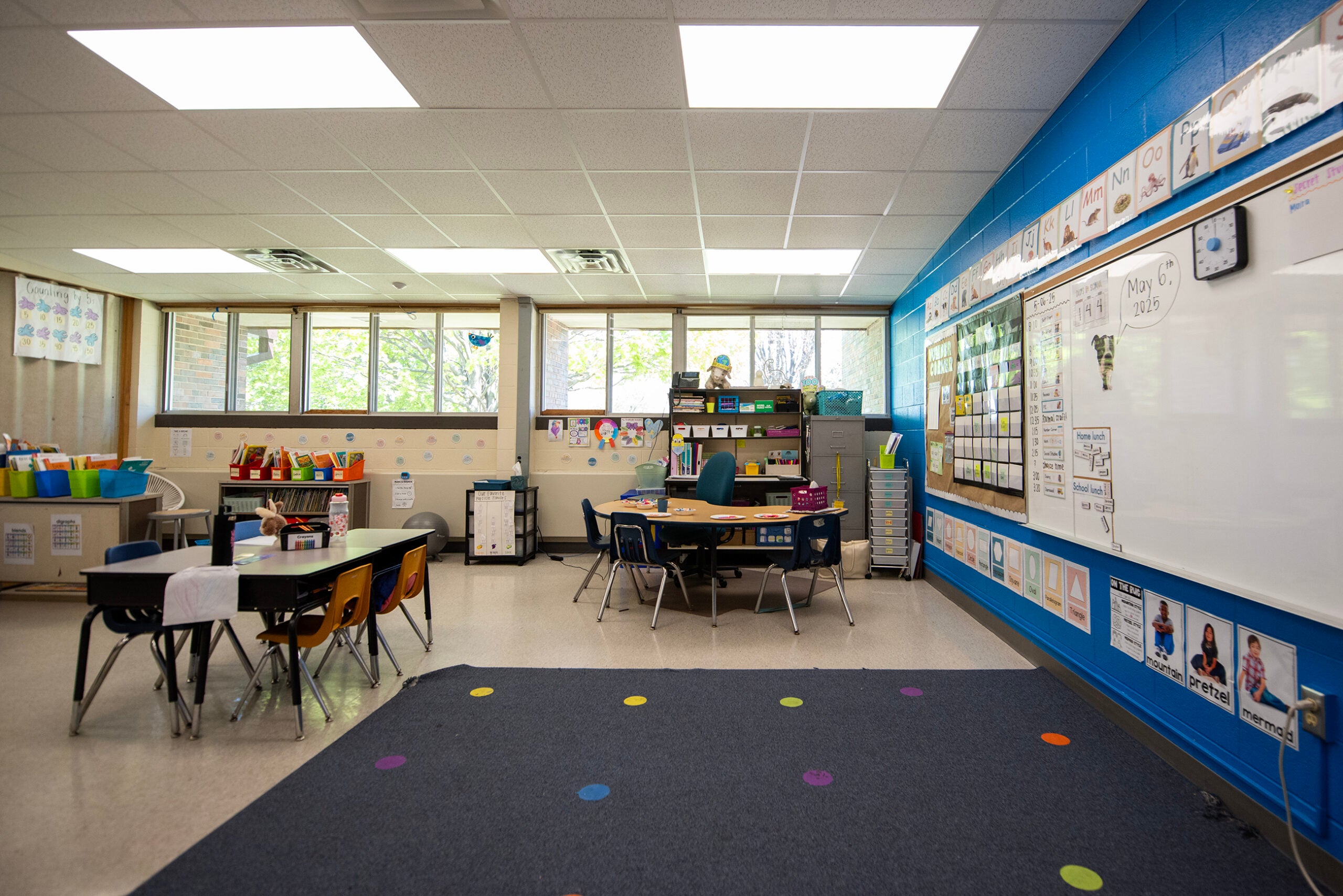
None of the schools has air conditioning and some have asbestos and exposed pipes, among other issues.
Construction will begin in March on two new buildings for Samuel Gompers Elementary School/Black Hawk Middle School and Sherman Middle School/Shabazz City High School. In the summer of 2027, the existing schools will be demolished to make way for new greenspace, parking and playgrounds. Students are expected to kick off the 2027-28 school year in the new spaces.
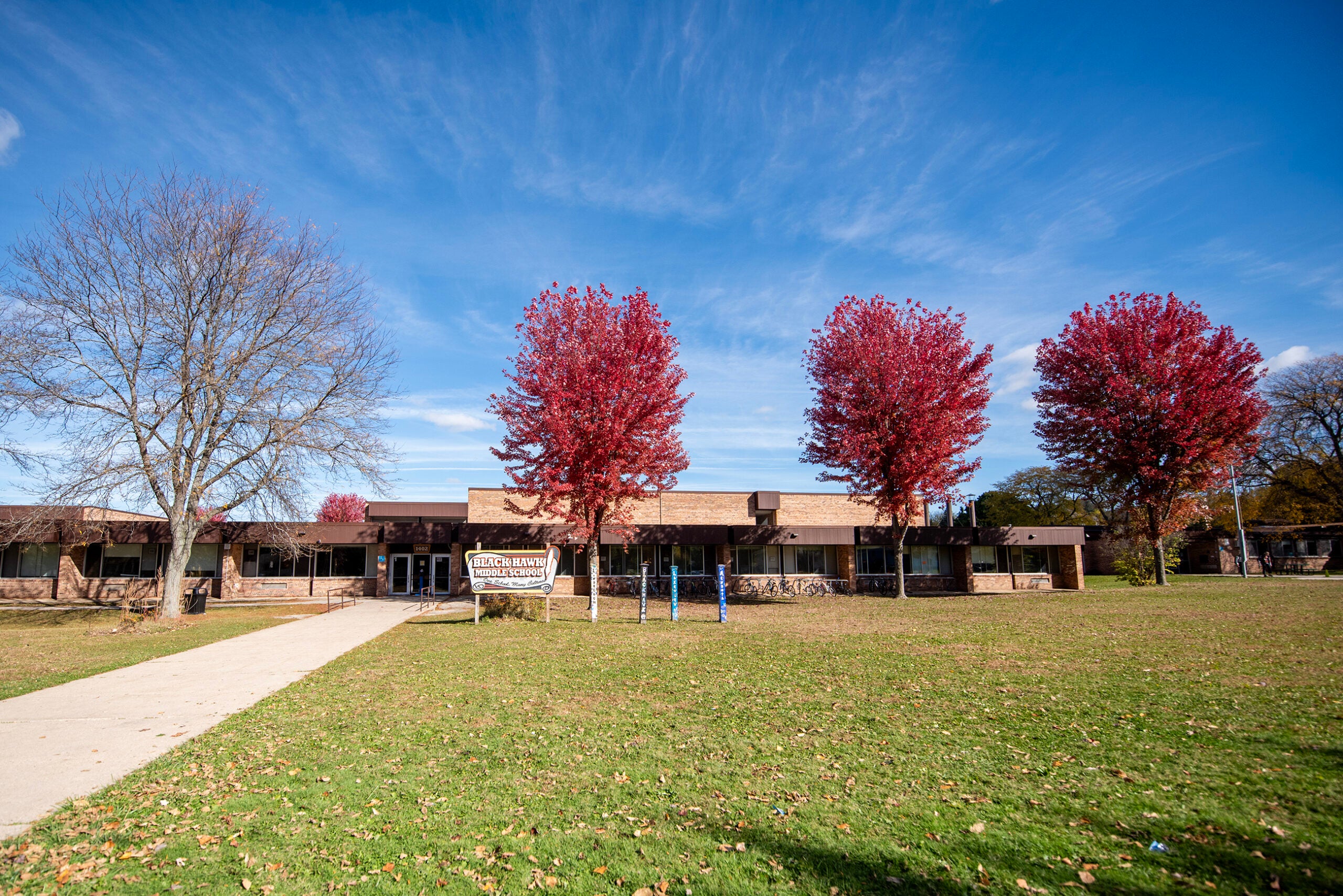
Three other projects are expected to break ground no later than early 2027. And renovations at two other schools are set to be completed in 2029.
The district recently finished an overhaul of its four main high schools, which was funded by taxpayers in a $317 million facilities referendum in 2020.
All of these upgrades are part of an effort by Madison to become a “destination school district,” Chehak said. In a recent assessment of the district’s facilities, of the 43 schools reviewed, three received an overall B rating, 31 received an overall C rating and nine received an overall D rating.
“We have a long way to go,” Chehak said. “But we’re starting at the top and kind of working through our system and our areas of most need.”
The Madison district is projected to grow by 100,000 residents by 2050. But current enrollment projections still have school enrollment falling slightly in the coming years, while some schools are facing overcrowding. The district is planning its first boundary review since 2008 to seek to make best use of its school buildings.
“Our attendance areas shape everything from enrollment and programming to how we distribute resources equitably across our schools,” said Cindy Green, the district’s assistant superintendent of strategy and innovation, in a press release announcing the boundary review. The review “allows us to be proactive in planning for growth while honoring what families value in their child’s educational experience.”
That review will assess and redraw current school attendance areas and the district’s boundary.
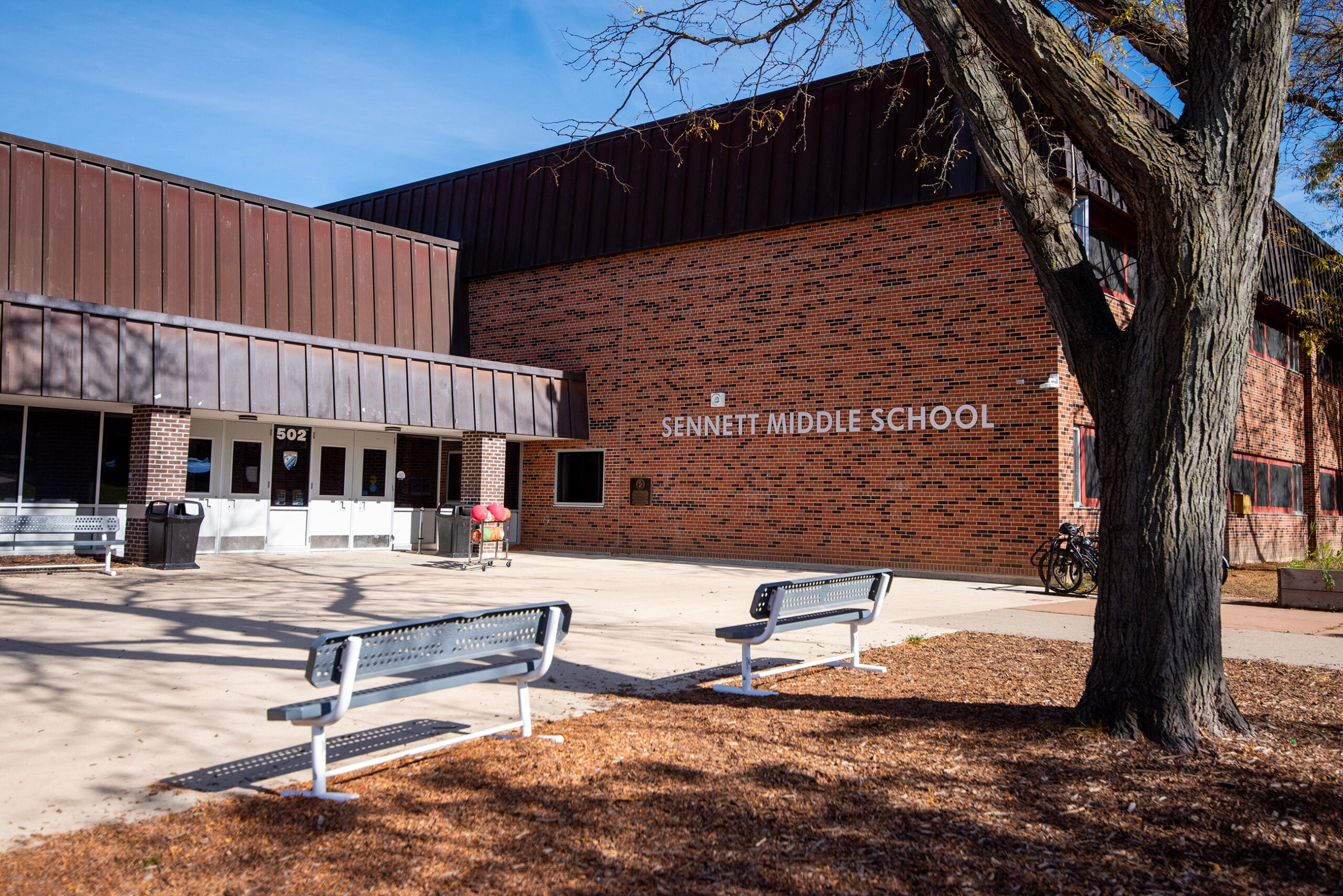
In an emailed statement, Ian Folger, the district’s public information officer, said the goal is to not close any schools.
“In fact, we believe we will need to consider new schools, given the city’s continued and projected growth, particularly near two plots of land we own on the far east and far west sides,” he wrote.
Chehak said the long-range facilities plan and boundary review go hand-in-hand.
“We’re not going to sit back and let other districts start taking our students,” he said. “We want to make sure (if) you’re in Madison, you come to Madison schools.”
Chehak said the district has the taxpayers to thank for allowing the district to make long-needed improvements. And he said more referendums will be needed to fund future expansions.
“As we continue that work across our district, we’ll keep identifying and going back to our taxpayers and asking questions,” he said.

Wisconsin Public Radio, © Copyright 2026, Board of Regents of the University of Wisconsin System and Wisconsin Educational Communications Board.