WPR’s “Zorba Paster On Your Health” is coming to an end later this month after 33 years on airwaves across the nation.
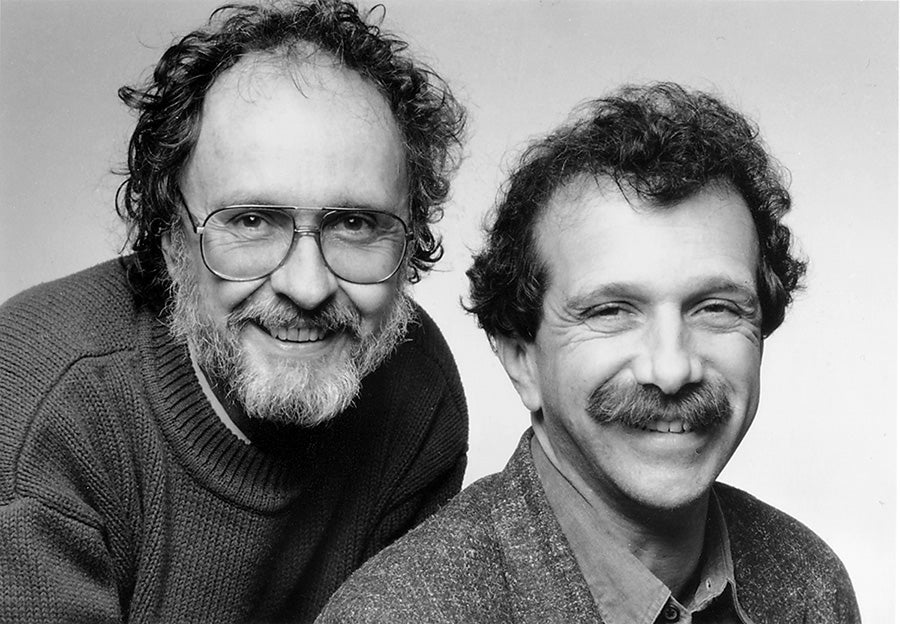
The show first aired in 1992. Paster and then-cohost Tom Clark answered listener questions about health and fitness. In 2023, Karl Christenson joined Paster as cohost after Clark’s retirement.
Dr. Zorba Paster visited WPR’s “The Larry Meiller Show” to reflect on hosting the nationally syndicated program.
News with a little more humanity
WPR’s “Wisconsin Today” newsletter keeps you connected to the state you love without feeling overwhelmed. No paywall. No agenda. No corporate filter.
“It’s an honor for you to be here and talk to people all the time,” Paster said. “It’s really humbling.”
“Zorba Paster On Your Health” will air a special final broadcast on WPR News stations at 1 p.m. Saturday and 6 p.m. Sunday.
Paster said he and Christenson will continue their “joyful take on healthy living” in a podcast called “Stay Well with Dr. Zorba Paster.” Each episode will be 15 minutes long, and it’ll be available on Apple Podcasts and Spotify.
The following interview was edited for brevity and clarity.
Larry Meiller: You just finished taping your final episode. What are you feeling here as you wrap up?
Dr. Zorba Paster: Well, you know, it’s mixed emotions. It sort of defines bittersweet. It has been sweet. It has been an honor to be able to do this over more than three decades.
The way I got started was in my office one day telling somebody to quit smoking. And I went through a whole thing, and I thought, there must be a better way to do this — and do it through the media.
I talked to (longtime WPR employee) Monika Petkus, who I knew as a friend from others. And bam, here it is, 33 years later. I’m still the same age, by the way. I look exactly like I did when I started 33 years ago.
LM: You were always able to provide straightforward information on sometimes difficult topics in a way that any of us could understand.
ZP: Part of the issue with medicine that has actually changed over the last number of years is that we use the wrong words.
They aren’t necessarily difficult concepts, but they are said in a difficult way. Let’s say a stroke. A stroke is a blood clot in the brain. Yeah, easy to say. But if you say: “There’s stenosis within the cerebral artery,” it’s a whole different thing. What’s stenosis cerebral artery? And then people were afraid to ask questions.
LM: You’re the kind of doctor who gets to know the patient and gets to know the family. That all helps you in what you might recommend.
ZP: It’s a win-win. You’re more likely to get advice and decide whether or not to take it. I don’t want to say “just take my advice.”
LM: When you started, what surprised you about being a radio host?
ZP: What surprised me was that I could do it. And then the second thing that surprised me is could I do it well? The show took off nationally with Tom.
The other thing that surprised me was people called in with really interesting, heartfelt questions, and I knew how to answer them. And if I didn’t, I could say I don’t know what this is, in an interesting way.