A simple apple just might be all you need to reconnect with nature, writes New Mexico author Priyanka Kumar.
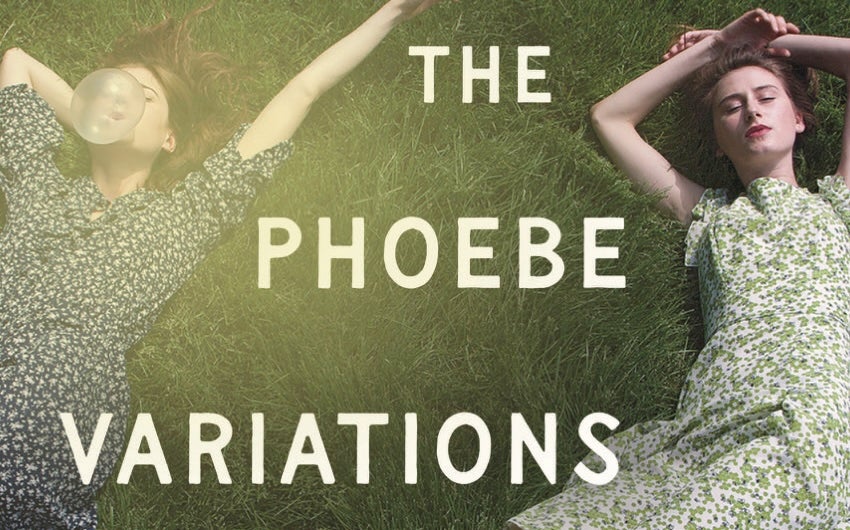
“The Light Between Apple Trees: Rediscovering the Wild Through a Beloved American Fruit” is Kumar’s latest book. She traveled to historic apple orchards, met enthusiasts of the fruit and tasted rare varieties. Kumar also ventured into pockets of untouched land, where she discovered feral apple trees.
You don’t have to travel far into remote wilderness to feel the restorative effects of being outside, or to help improve biodiversity. All you need to do is plant a seed, Kumar said.
News with a little more humanity
WPR’s “Wisconsin Today” newsletter keeps you connected to the state you love without feeling overwhelmed. No paywall. No agenda. No corporate filter.
“I believe that we can begin this process of rewilding (by) growing a variety of native trees, and also a variety of apple trees in our own backyards,” Kumar said.
Kumar joined WPR’s “The Larry Meiller Show” to talk about her latest book.
The following was edited for brevity and clarity.
Larry Meiller: Give us some insight on the book’s title, “The Light Between Apple Trees.”
Priyanka Kumar: While researching the book, I heard about an orchard, the Real Orchard, which is one of the oldest in the area that I live in.
I finally made that happen one fine October morning, and we got into this orchard, and it was pretty weedy. There were a lot of fields, and it was raining, which is unusual in New Mexico. We bushwhacked our way through these fields trying to avoid stepping on a 7-foot rattlesnake.
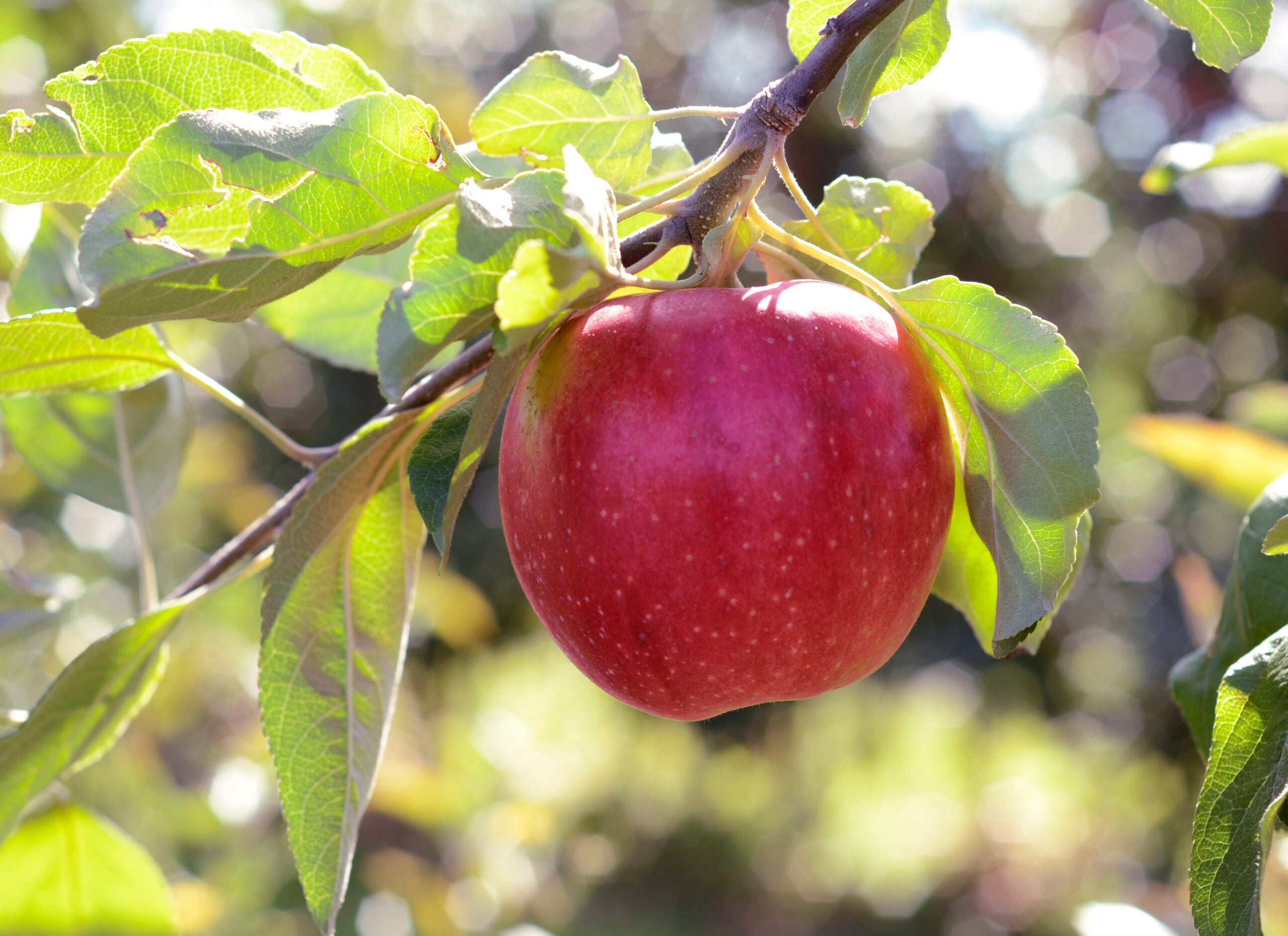
Amidst all of that drama, we hopped over an irrigation ditch and then came to this glorious line of about seven or eight apple trees that were heavy with fruit. I had left my water bottle behind, and I was thirsty. I reached over and grabbed an apple.
Standing there, I looked up, eating the apple. … The sun was shining on me through these apple trees, and I suddenly felt at home. I felt like this is where I wanted to be. And it brought me back to my childhood. Honestly, the book is a journey unpacking why I feel so much at home in these old orchards.
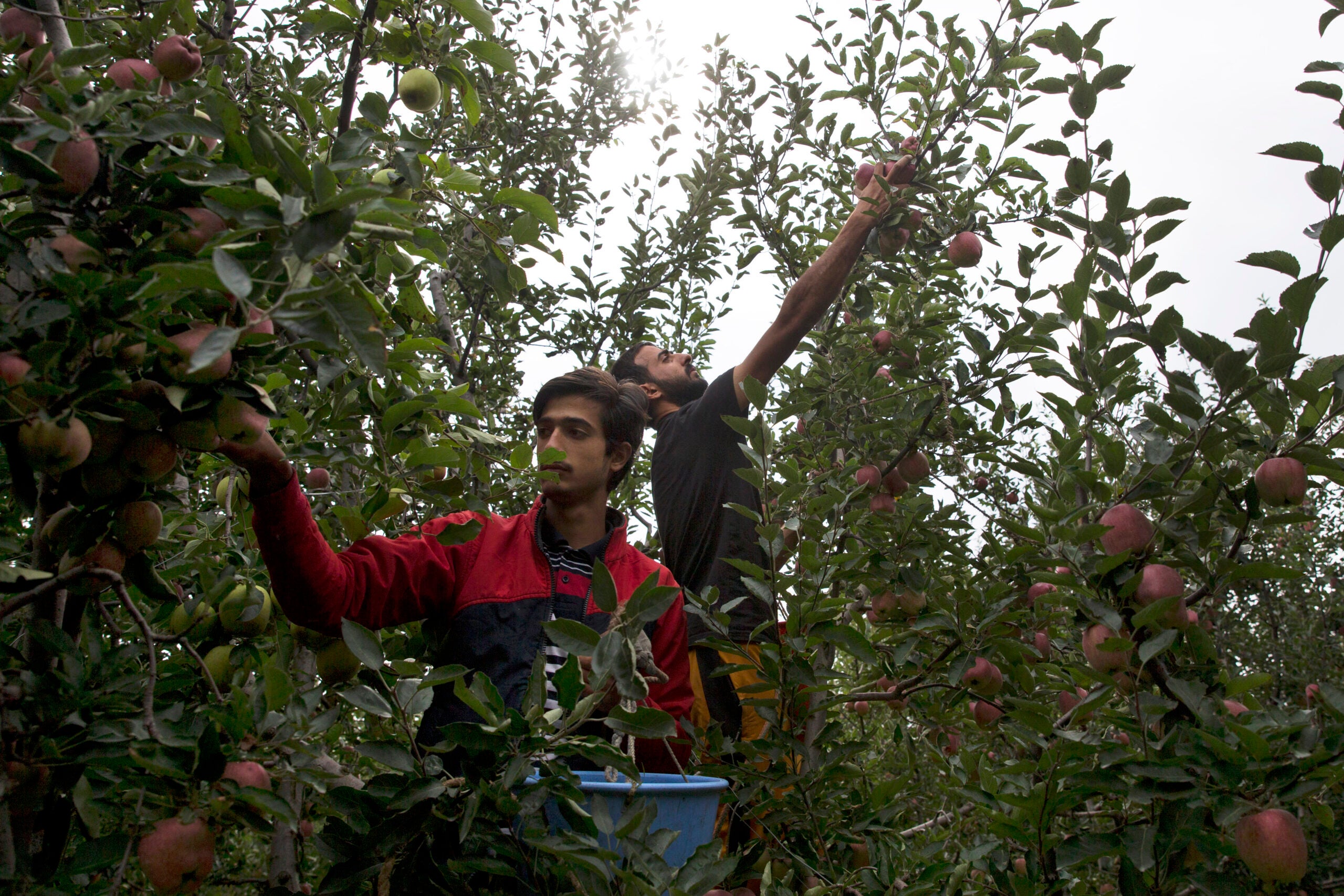
LM: You’ve been enchanted by apples since you were a young kid, 5 years old or so.
PK: Yeah, even going back to when I was 2 years old. Back then, I was incredibly fortunate for the first roughly 10 years of my life. I lived in the foothills of the Himalayas. I was born in the eastern foothills, and then we moved to the northwestern foothills, to the heart of the apple-growing region in that area.
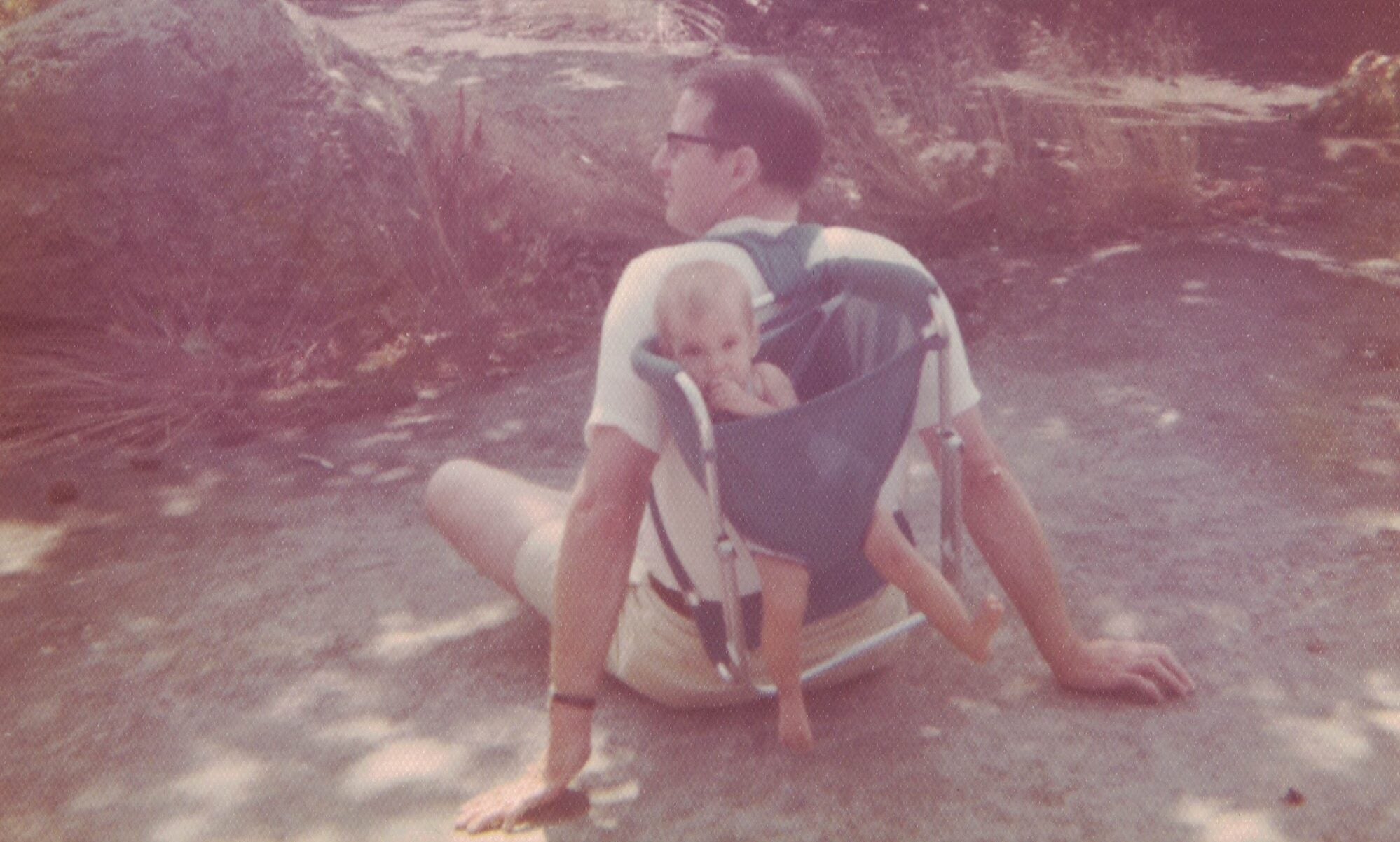
I was weaving through these mother apple trees, and I experienced them as living beings towering over me. When I was about 4 or 5, my dad took me to this magical apple orchard, and I spent the whole day there. It was a really pivotal experience in my life.
Now scientists know that the area where I grew up in is among the 18 most biodiverse hotspots on our planet. As a little kid, I didn’t know that, but I was entranced by the diversity of wildflower flowers, the diversity of fruit. And I was eating everything, even the flowers.
LM: Now you live in New Mexico. A lot of people, like me, would be kind of surprised to hear apples grow there. How do you forage for apples around your home?
PK: You don’t necessarily think of New Mexico as an apple haven.
We’re in the high desert, but what a lot of us forget is that there’s this rich apple history in places like New Mexico in the southwest. So often when we’re thinking about settlers bringing apple seeds to America, we think about perhaps settlers from England or maybe Ireland.
In New Mexico, particularly, we benefited from the Spanish bringing apple seeds and planting them in some of the areas that I ended up doing field work in, like the Manzano Mountains. The mountains are named for the Spanish word for apple tree. They planted apple trees there, certainly by the early 1700s.
One of the key things I do in the book is come up with this concept of the “microwild.” One of the first microwilds that really impacted me was a place where I stumbled upon a private apple orchard.
I found it incredible that a fragment of nature could harbor such biodiversity, could support wild creatures, everything from a hummingbird to a bear. And I started to wonder, “Is it possible that there are wild, feral apple trees growing here?”
I discovered that, yes, indeed, there were apple trees that had been planted here, perhaps by bears, and they were pretty darn good.
I became really enchanted with feral apple trees, and began to wonder, are there more microwilds around us? Because these are truly jewel-like places. People like you and me may not have access to the true wilderness every weekend of our lives, but we have access to these microwilds. So this is where we can renew our connection to nature and really experience almost the way that an ecosystem works and sustains biodiversity.