
Microsoft announced plans Thursday to invest $4 billion for the construction of its second data center in Mount Pleasant.
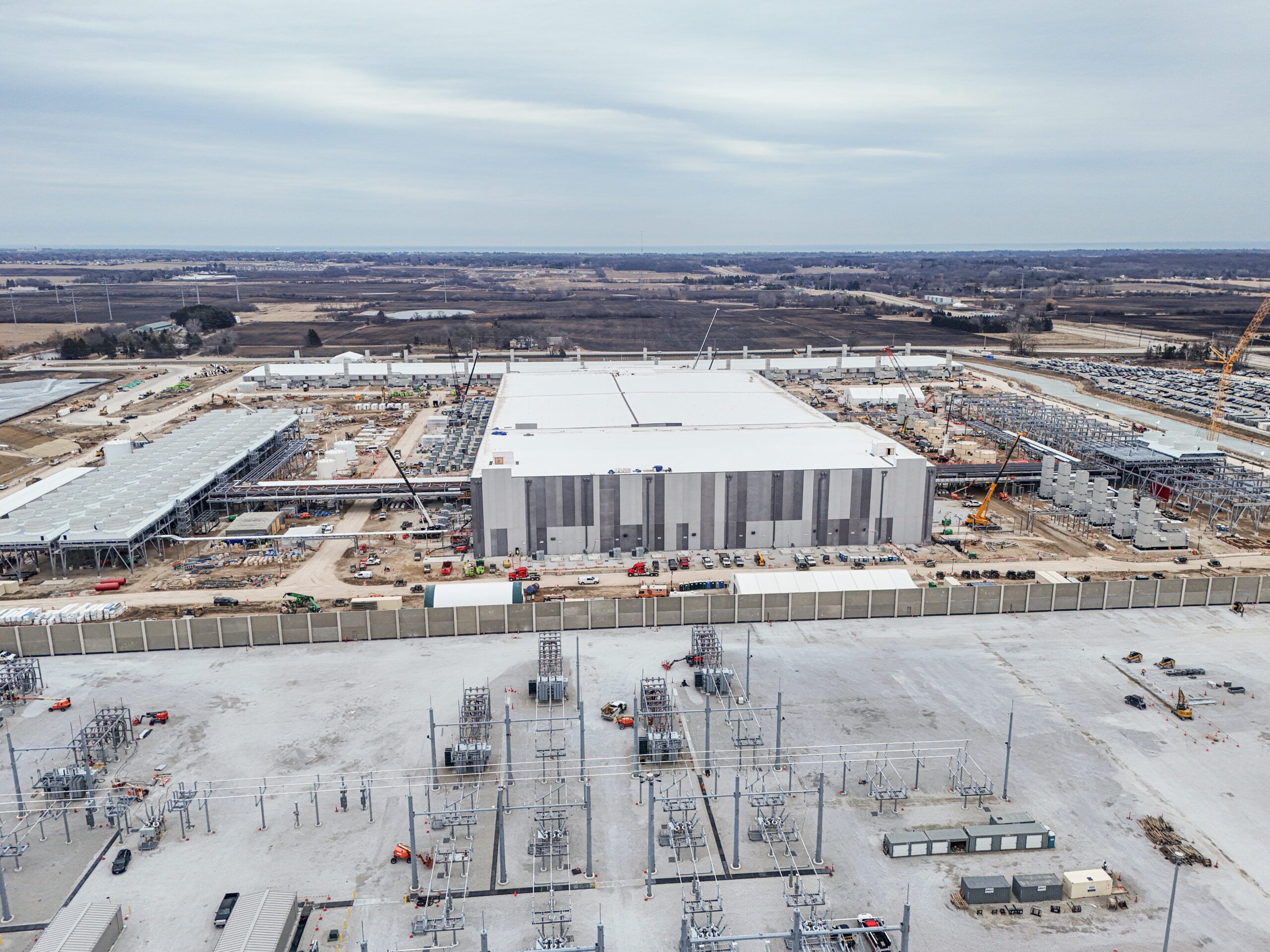
It’s the next phase of Microsoft’s development in the community. Last year the company launched plans for a $3.3 billion data center on land once slated for Foxconn.
Brad Smith, vice chair and president of Microsoft, said construction for the first data center is set to be complete next year. During an event Thursday, he said about 500 people will be employed in that first center.
News with a little more humanity
WPR’s “Wisconsin Today” newsletter keeps you connected to the state you love without feeling overwhelmed. No paywall. No agenda. No corporate filter.
Smith said the $4 billion project announced Thursday will be a second data center of similar size and scale, bringing the company’s total investment in Wisconsin to more than $7 billion.
“When we talk about the expansion, the next phase, you can pretty much think of everything as doubling,” Smith said during the event.
“It’s an opportunity to keep growing,” he said.

The company has already started hiring full-time employees for the first data center. Smith said altogether the data center campuses will employ around 800 to 900 people when they’re fully operational.
While speaking to reporters after the event, Smith said the first data center will be “the most powerful AI data center in the world” when it opens.
A company statement said the data center is designed “to help AI researchers and engineers build the world’s most advanced models, test ideas faster, and do it all more efficiently.”
Dave DeGroot, village president of Mount Pleasant, said he’s excited the company is “doubling down” on the investment to the community.
“They (Microsoft) are making investments and advancing development while supporting our community in big and small ways,” DeGroot said.
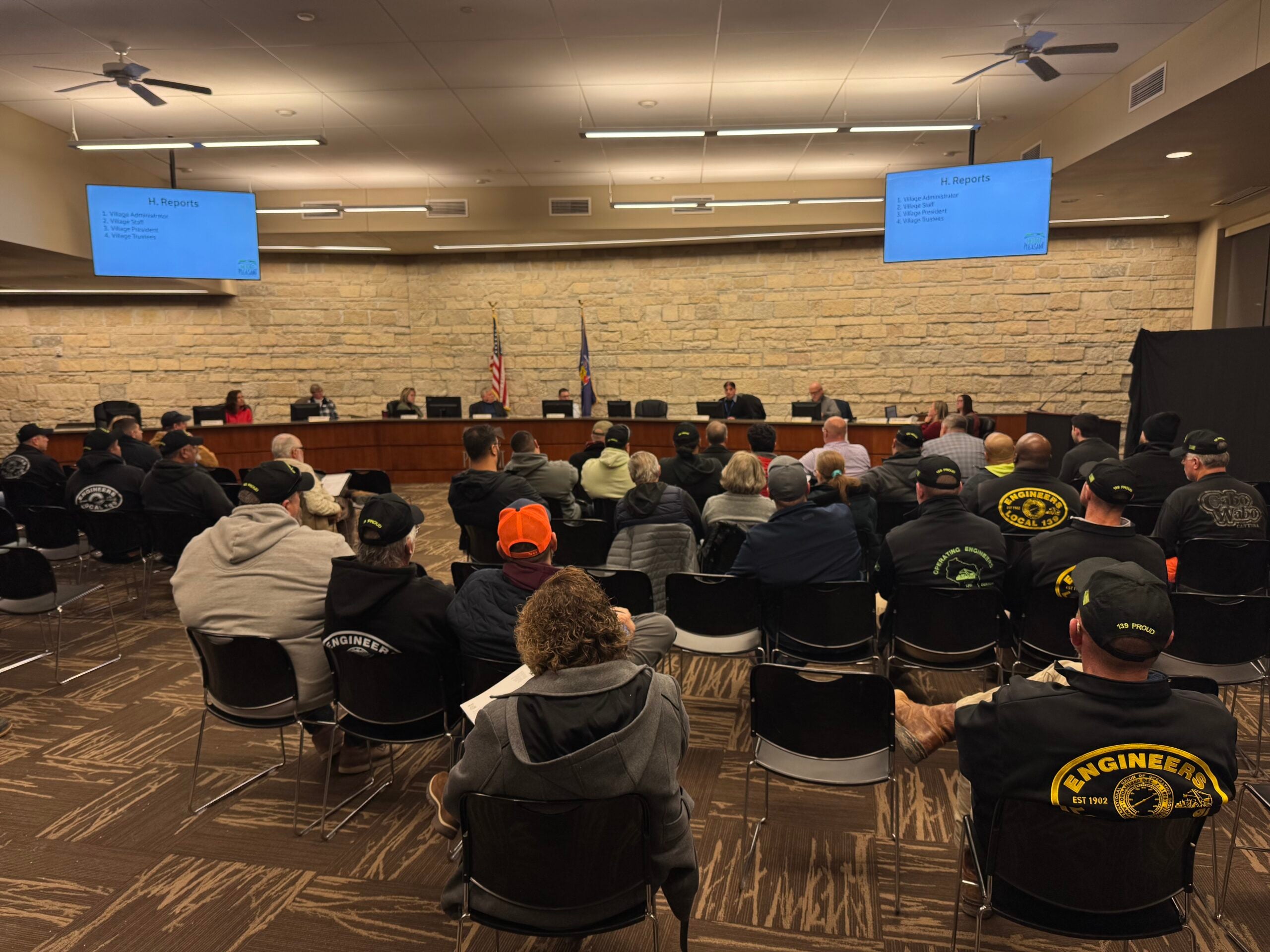
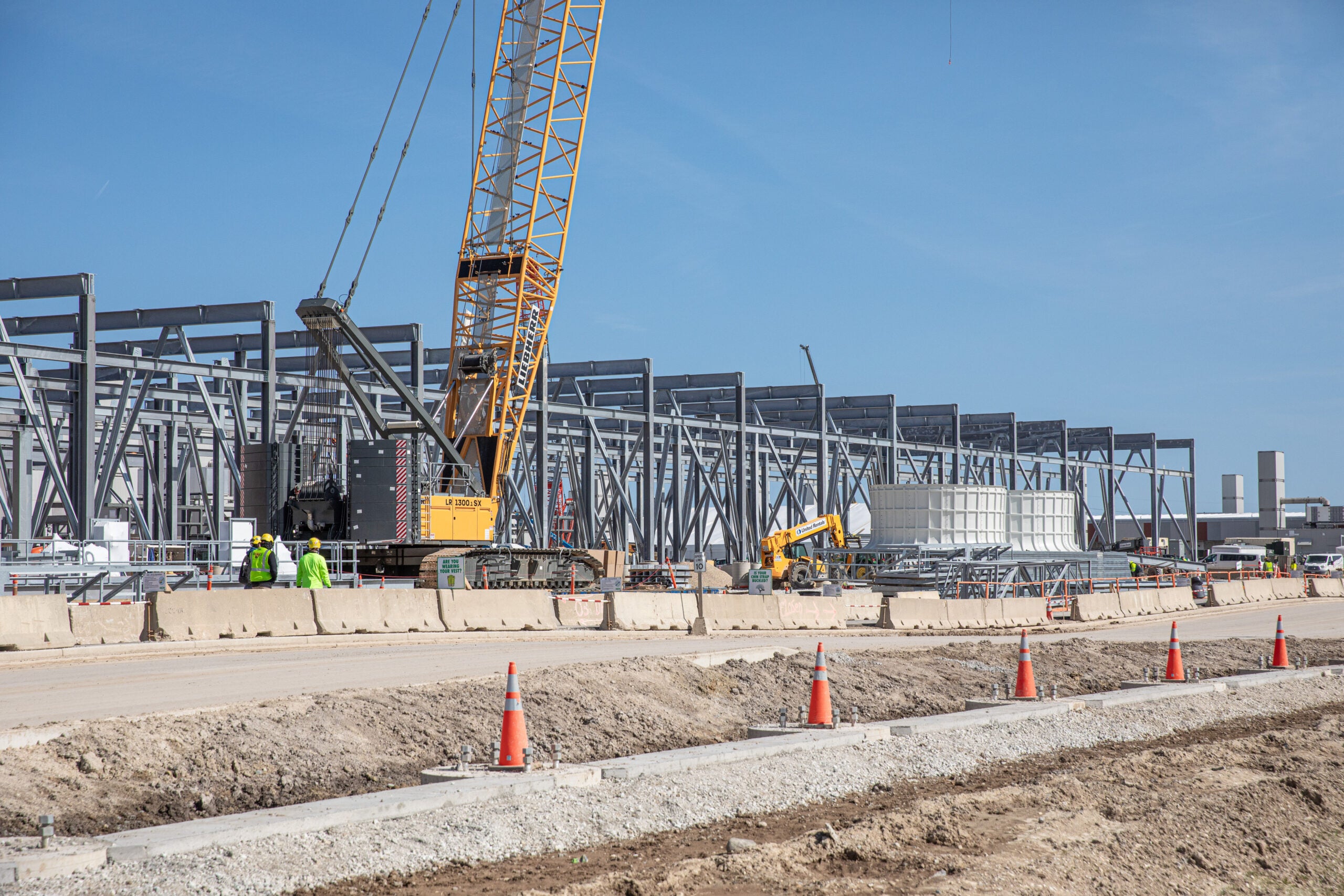
In a statement, Gov. Tony Evers said more than 3,000 construction workers have worked on the first data center so far. The second data center will likely require a similar sized workforce.
“This project is creating good, family sustaining union jobs across the entire region for carpenters, plumbers, electricians and so many more,” Evers said Thursday.
Smith said the second data center will open “in about 2027, or after.”

Smith says the data centers will use ‘a lot of electricity’
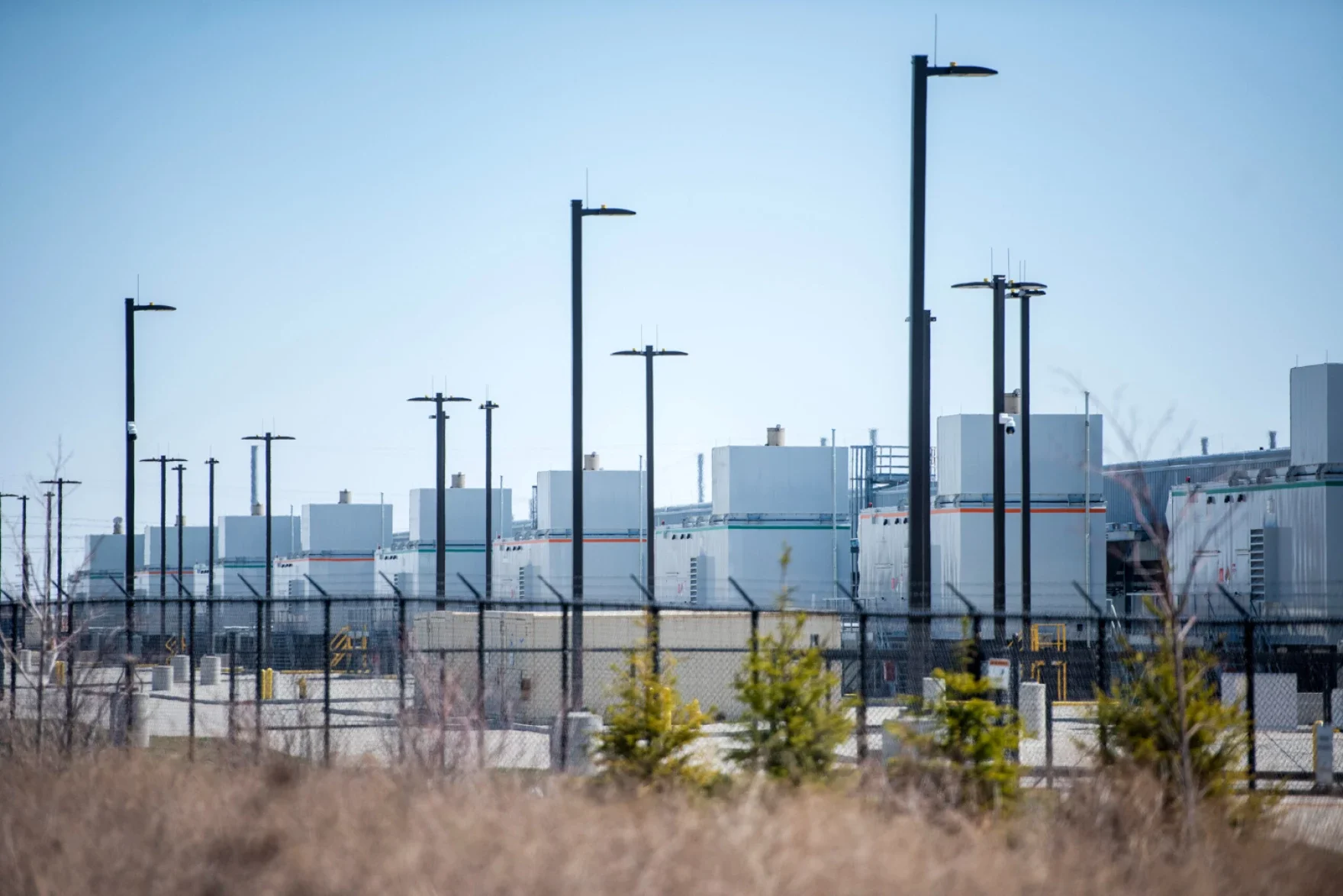
A recent analysis by Clean Wisconsin found Microsoft’s data center in Mount Pleasant and a data center project in Port Washington would use about 3.9 gigawatts of power, enough energy to power 4.3 million homes. Smith said that number could increase to around 9 gigawatts of power when both of Microsoft’s data centers are fully operational.
“You can’t power all of those computers and all of that liquid cooling and all of those chillers without a lot of electricity,” Smith said.
To address the need, Smith said the company is paying for a 250 megawatt solar farm in Portage County.
“We will match every kilowatt hour we consume that comes from a fossil fuel source one for one with carbon-free energy we put back onto the grid,” Smith wrote in a statement.
Microsoft’s first data center in Mount Pleasant would use a peak of 234,000 gallons of water per day or 2.8 million gallons per year.
“This data center does not use much water,” Smith said Thursday. “It does use a substantial amount of electricity.”
A recent report from Alliance for the Great Lakes found data centers may withdraw as much as 150 billion gallons of water over the next five years in the United States.
Last year, Microsoft announced its data centers in Mount Pleasant will use a new closed-loop water system design to help save water.
Another data center campus could also soon be coming to Racine County. The Village of Caledonia Plan Commission is considering rezoning around 240 acres of farmland to allow construction of a data center campus across the street from the We Energies Oak Creek Power Plant. The commission could vote on that rezoning later this month.

Wisconsin Public Radio, © Copyright 2026, Board of Regents of the University of Wisconsin System and Wisconsin Educational Communications Board.