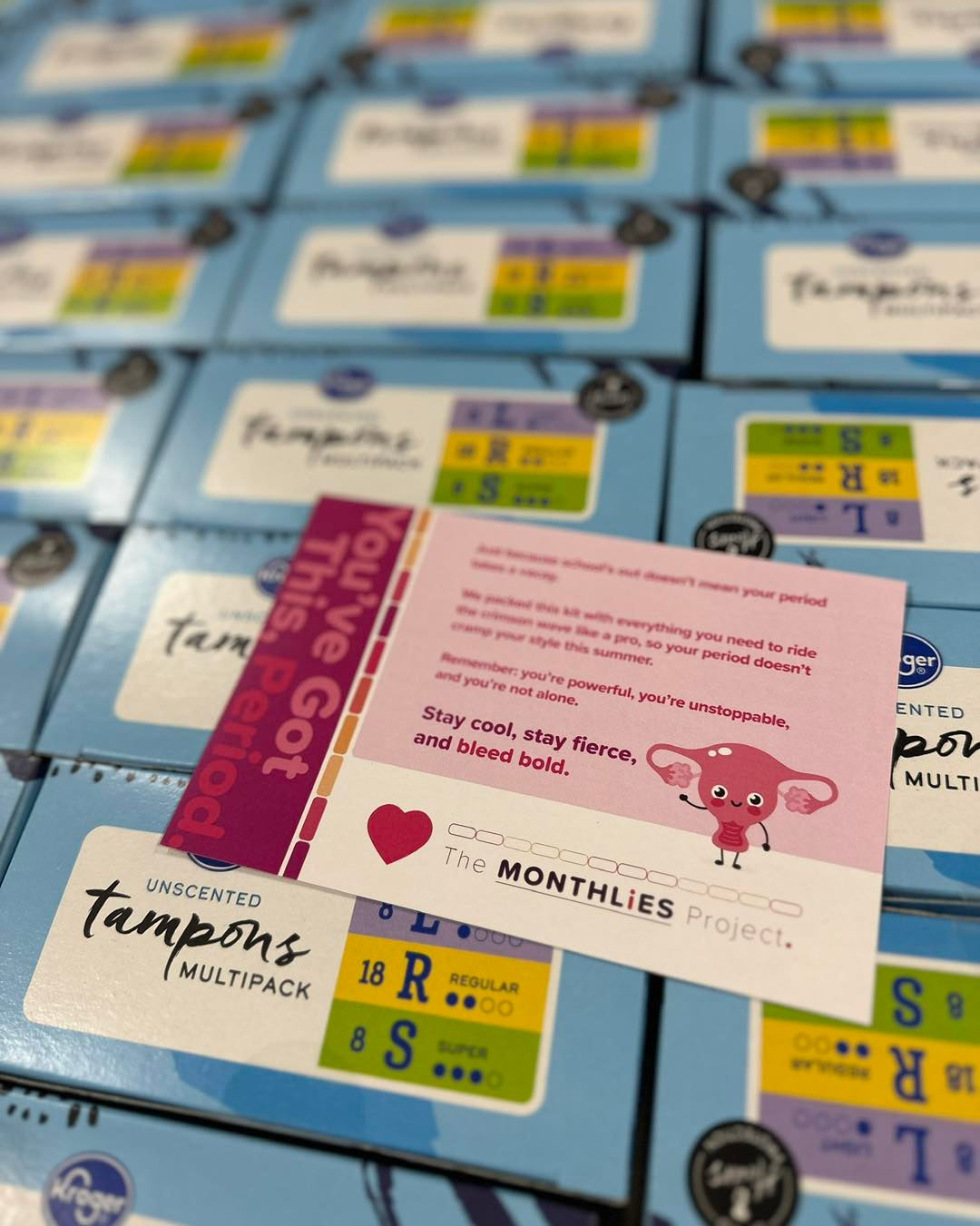
“Stay cool, stay fierce and bleed bold.”
That’s the message from a collaborative started in the Fox Valley that aims to make period products accessible to all school age children in Wisconsin. Formed in Appleton in 2022, The Monthlies Project provides free period products to schools and community centers.
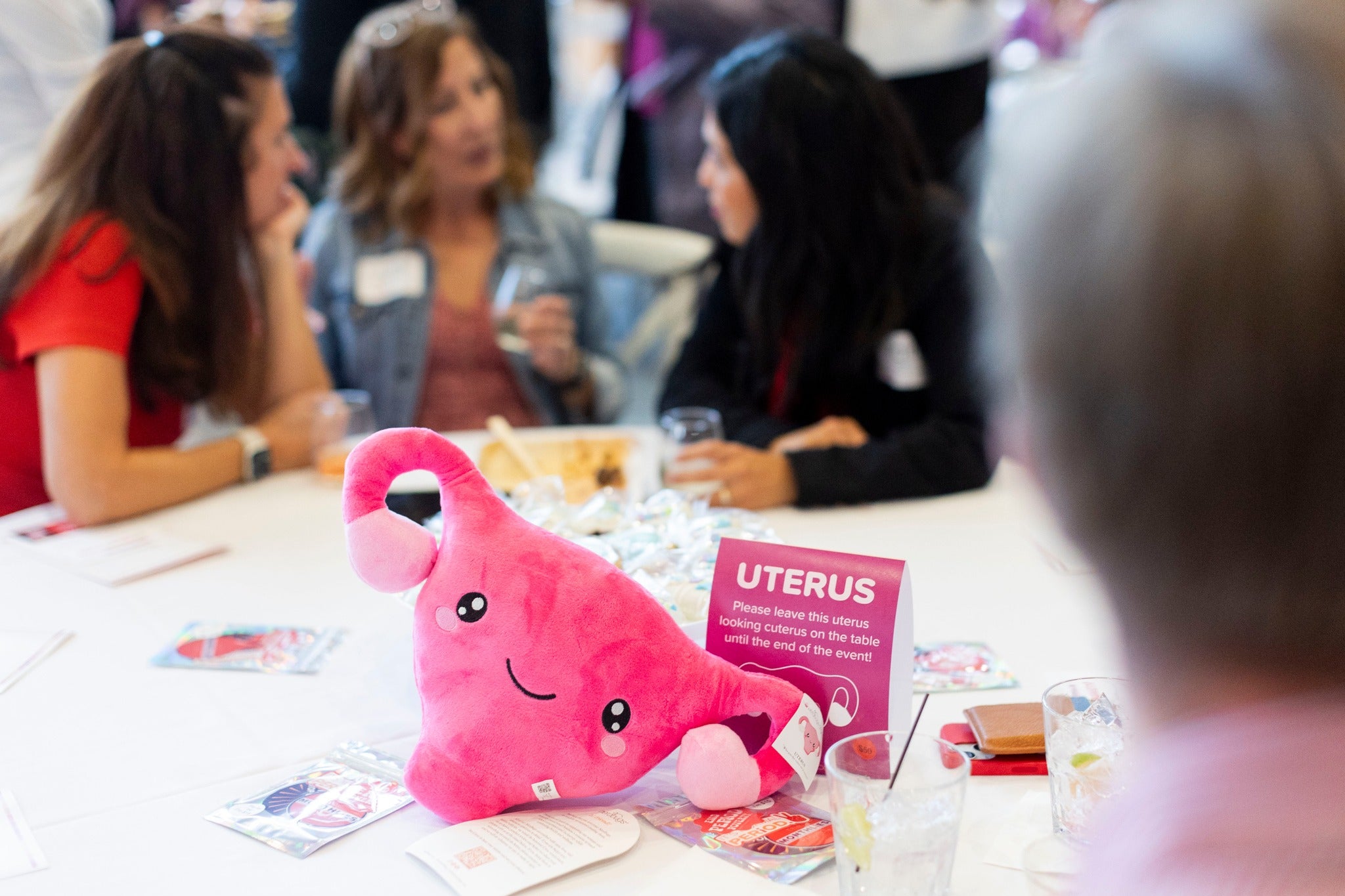
The group also hopes to reduce stigma around menstruation, with a little bit of humor.
News with a little more humanity
WPR’s “Wisconsin Today” newsletter keeps you connected to the state you love without feeling overwhelmed. No paywall. No agenda. No corporate filter.
Steering committee member Julie Keller uses phrases like, “That was a bloody good time” and “We have an amazing flow of volunteers” in person and on their social media.
“We’re going to be bold about this and we’re going to be talking about this. And nobody needs to be embarrassed at all because it’s just part of life,” Keller told WPR’s “Wisconsin Today.”
She said that around 84 percent of teens have missed a day of school, or know somebody who has missed, because they do not have access to period products. And according to Period.org, 39 percent of teens feel unable to do their best schoolwork due to lack of access to period products.
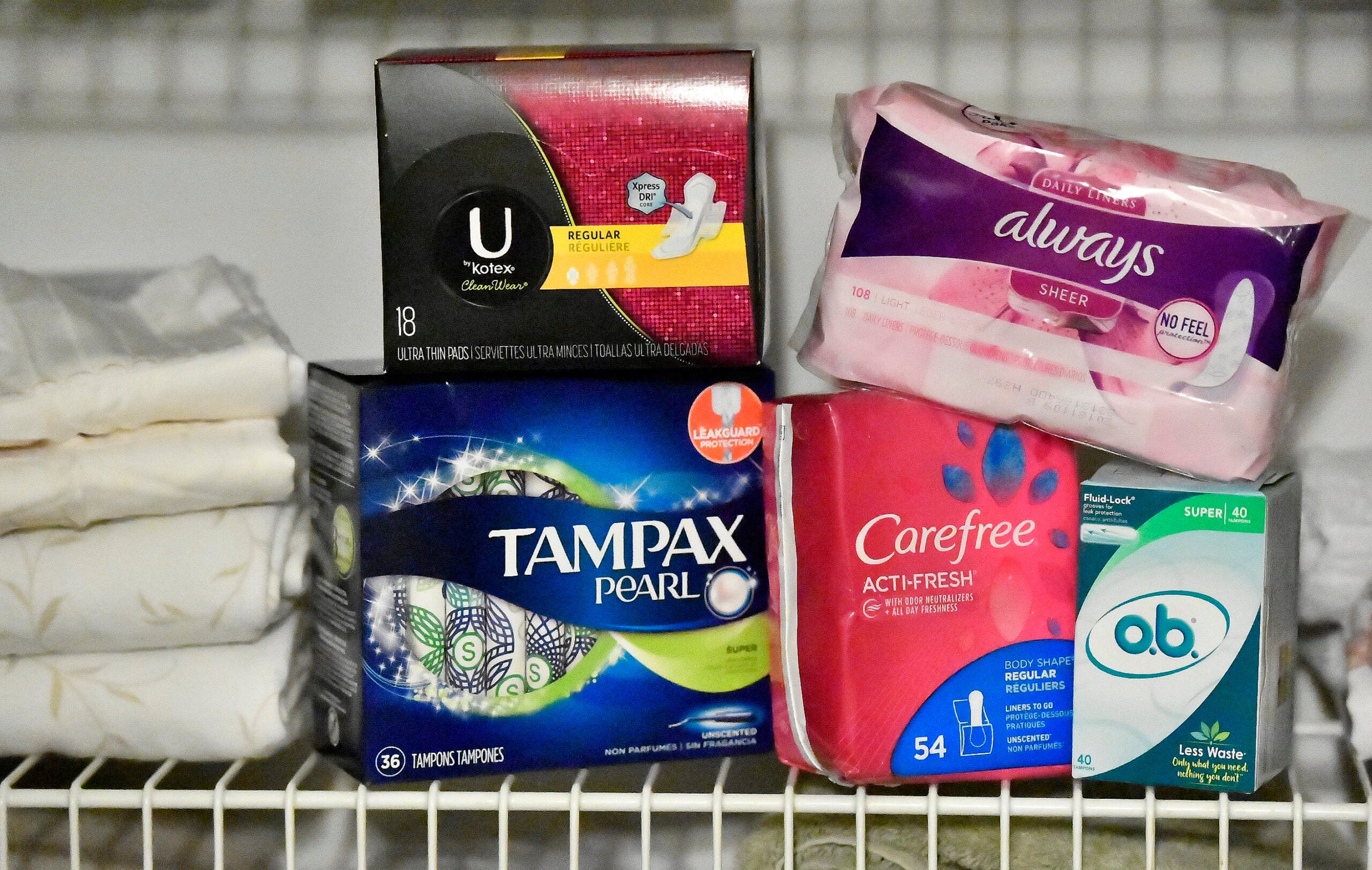
The project partners with hundreds of schools, libraries and community centers in Appleton, Green Bay and now the Oshkosh area to distribute free pads, tampons and other hygiene products.
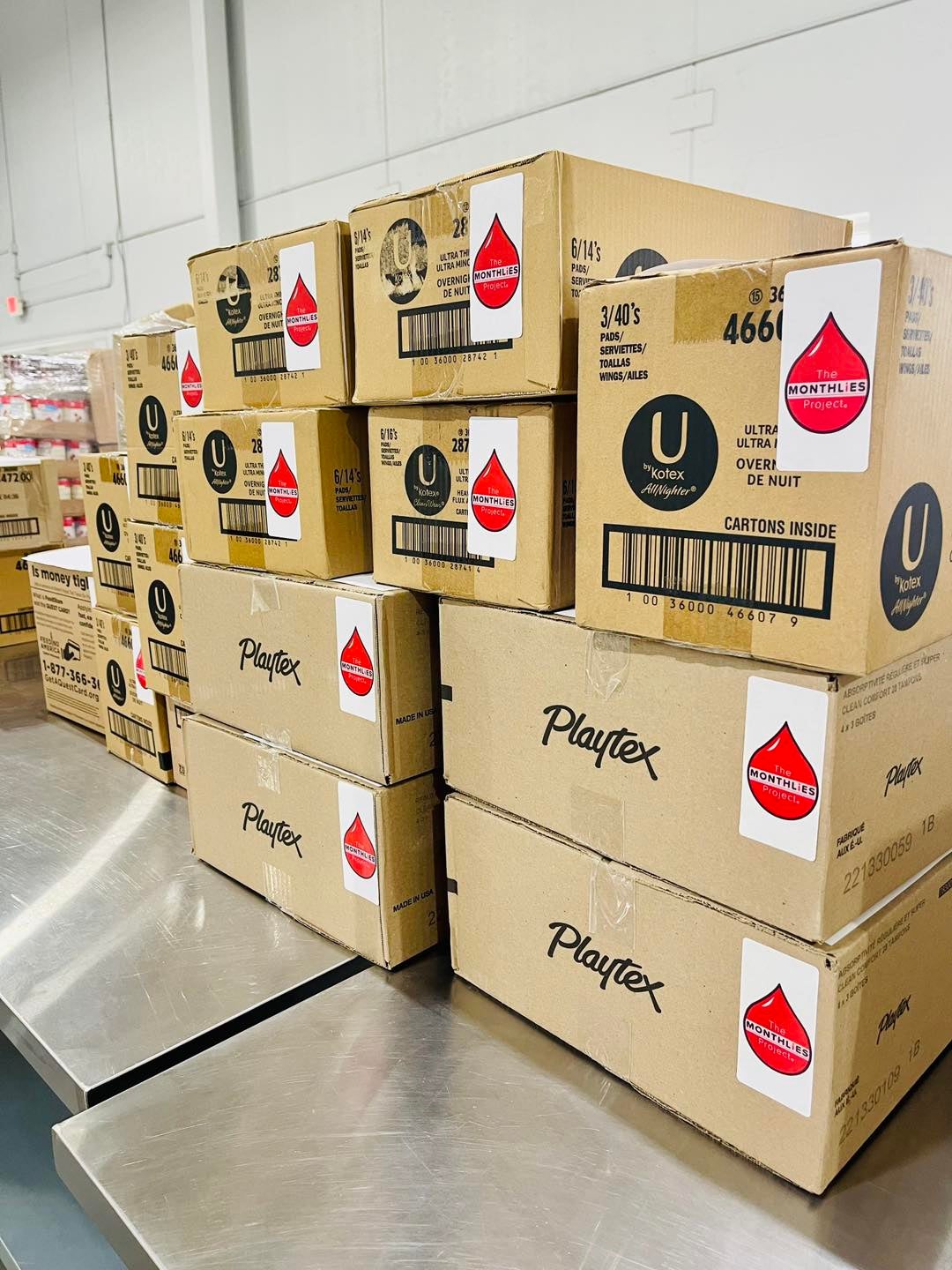
In May this year, The Monthlies Project surpassed 1 million products donated. And it hopes to continue to expand throughout Wisconsin.
The organization accepts applications from places that serve students. Because of the project’s partnership with Feeding America of Eastern Wisconsin, it can purchase pads and tampons at a discounted rate.
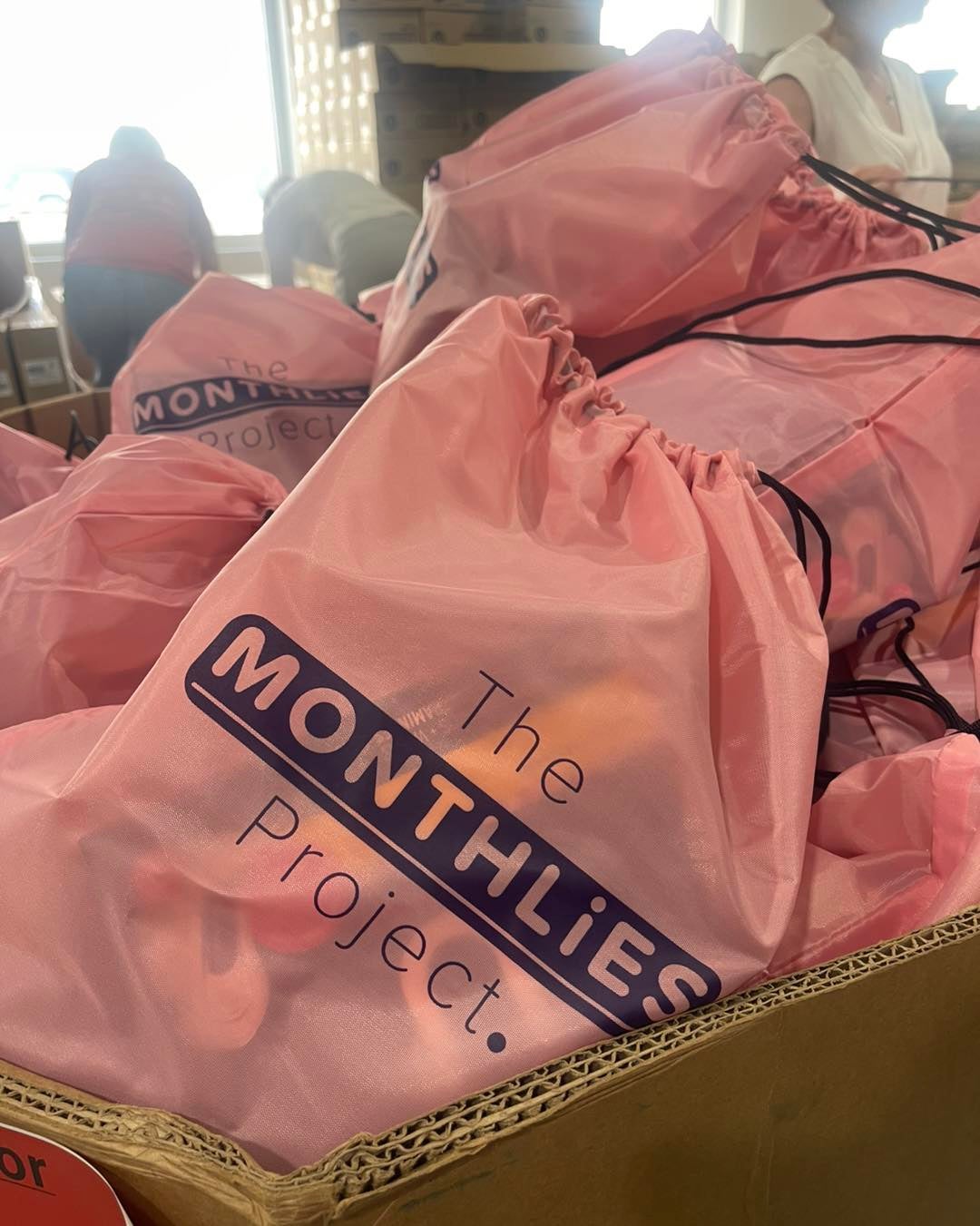
For summer distribution, Monthlies handed out products like tampons, pads and hygiene wipes in bright pink drawstring bags. The bags came with an information pamphlet with words of encouragement like: “You’ve got this. Period.”
Keller added she’d like to see action at the state level to make period products more accessible. She said Wisconsin lags behind in supplying students with needed items. Neighboring states like Minnesota require schools to provide free period products to students.
And Wisconsin is one of 18 states that tax period products.
“It’s really been quite frustrating,” Keller said.
“We’re at 32 states that do not tax period products and those are all different types of states — blue states, red states, purple states. So it is a nonpartisan issue.”
If an organization is providing free products, The Monthlies Project encourages those items to be easily accessible. Keller said that schools should not require students to walk down to the nurses office or have to ask for it.
“It’s what happens every month for a whole lot of people for a good portion of their life. And to be embarrassed by it or not have the products you need, and have to struggle that way — that’s just not fair to half the population,” Keller said.