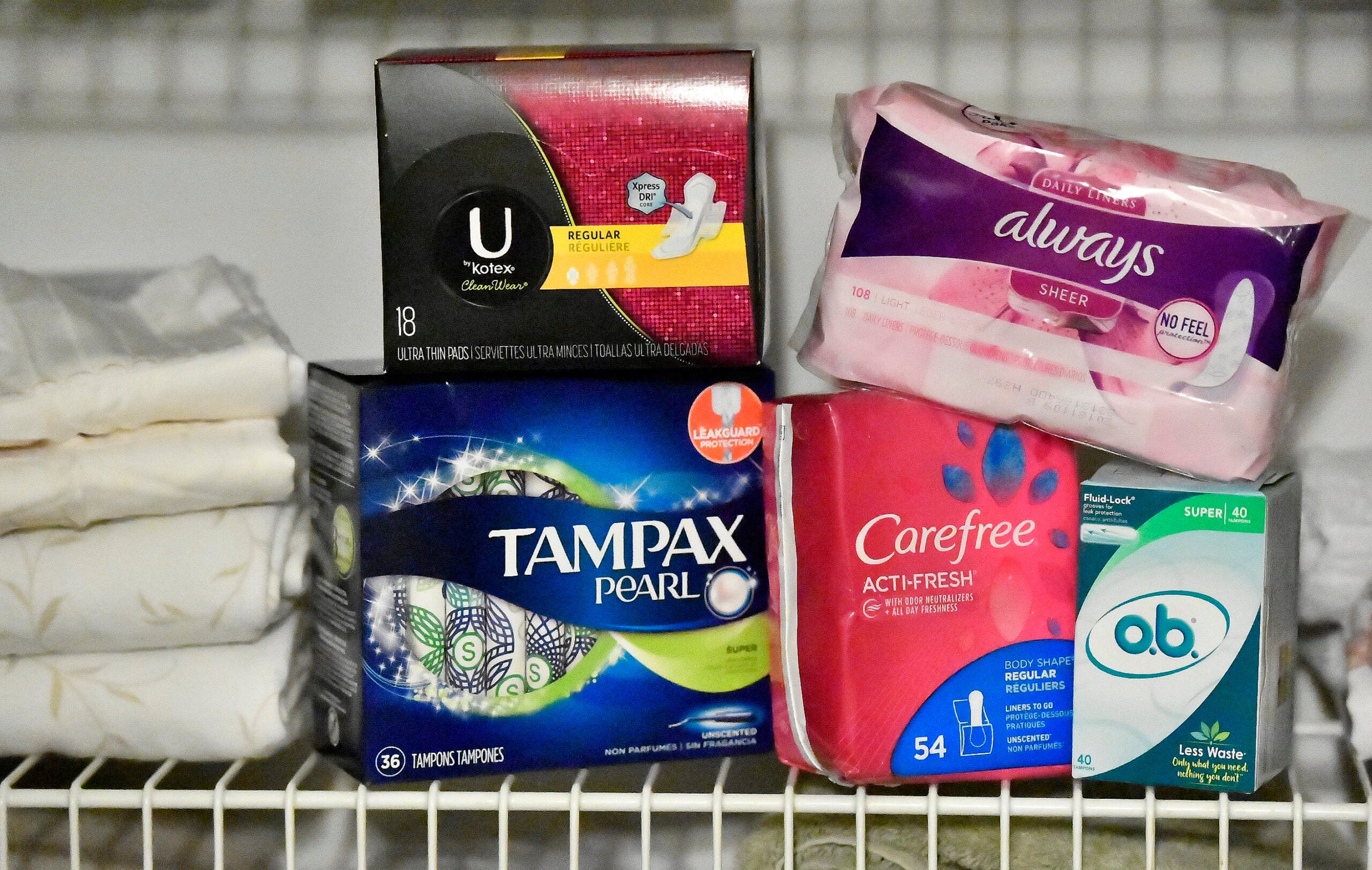
Wisconsin lawmakers heard testimony this week on bills that aim to ensure incarcerated people have access to basic hygiene products.
The proposals have hit pushback, however, from Wisconsin’s Department of Corrections and from county sheriffs, who have raised concerns about cost.
Under Wisconsin Department of Corrections policy, jails and prisons have to provide incarcerated people with some personal care items, including soap, a comb, toothpaste and a tooth brush. The policy also says facilities have to give menstruating inmates access to some type of “basic” menstrual products upon request.
News with a little more humanity
WPR’s “Wisconsin Today” newsletter keeps you connected to the state you love without feeling overwhelmed. No paywall. No agenda. No corporate filter.
But the types of personal care products available vary by facility. And oftentimes incarcerated people have to buy certain items from the commissary.
One bill which advanced to a public hearing Wednesday would require state prisons and county jails in Wisconsin to provide free access to variety of period products, including pads, tampons and menstrual cups.
It’s a proposal supported by Samantha Brown, who spent time locked up in Wisconsin jails.
“I witnessed women receiving only three pads for an entire menstrual cycle,” Brown told the Assembly Committee on Corrections. “Out of desperation, I saw women rip those pads apart and make them into homemade tampons just to get through the day.”
Brown described having limited access to basic menstrual products as “degrading and harmful.”
“Women are forced to bleed through clothing,” Brown said. “No one should be forced to beg, barter or suffer just to manage their period, especially while under the care of the state.”
The menstrual products bill was introduced by state Rep. Robyn Vining, a Wauwatosa Democrat who noted there are more than 1,600 women locked up in Wisconsin prisons.
Bill would cap costs of hygiene products, provide stipend
Another bill under consideration would give incarcerated Wisconsinites a $25 monthly stipend for buying a range of personal care products, including deodorant, shampoo, shaving cream, body lotion and sunscreen.
Some of those products are not explicitly included under the list of hygiene items that DOC policy requires facilities to provide, and legislative sponsors noted not every jail in Wisconsin makes them available.
In some cases, incarcerated people pay inflated prices to buy those items from a commissary.
“We have created a system where people must choose between staying clean and calling their children,” state Sen. LaTonya Johnson, D-Milwaukee, said, referring to the fact that jails and prisons across Wisconsin charge incarcerated people to make phone and video calls. “Between deodorant and aspirin, between basic dignity and basic health.”
The bill, which is authored by Johnson and Rep. Shelia Stubbs, D-Madison, would cap the amount prisons and jails can charge for personal hygiene items sold at commissaries.
And the legislation would require facilities to make “culturally sensitive” products available, including shampoo and conditioner designed for more tightly coiled hair types more commonly found among African Americans.
In Wisconsin, Black people face disproportionately high rates of incarceration. But the products made available to Wisconsinites behind bars don’t reflect that fact, said Talib Akbar, a formerly incarcerated Wisconsinite who is now a criminal justice reform activist.
“The comb that they did give me was a little rinky dink plastic comb for white people’s hair,” Akbar said of his time in prison.
Akbar said the bills before the corrections committee are about basic human dignity.
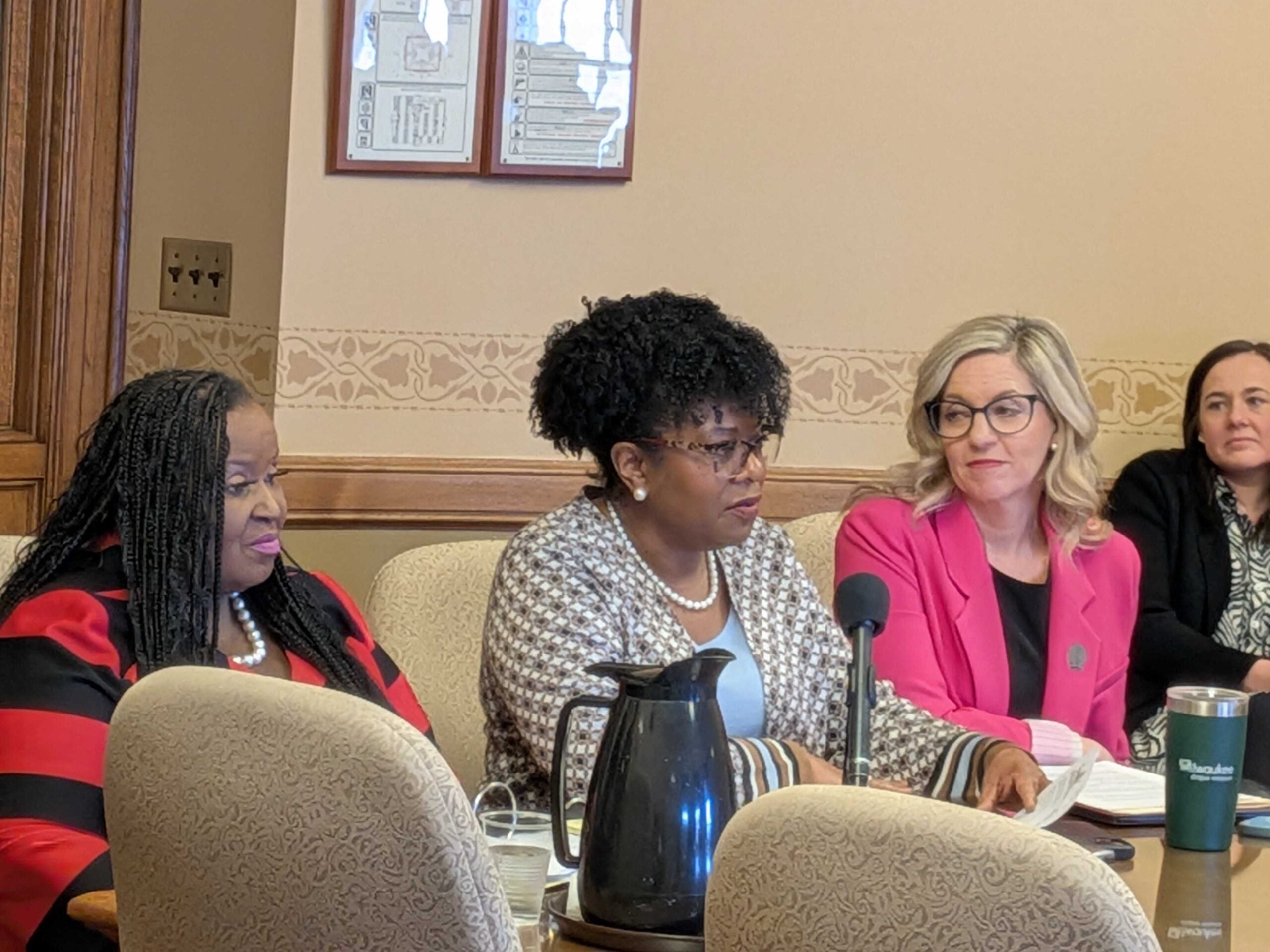
Without dignity, prisons and jails cannot meet their stated goal of rehabilitating people, said Diego Rodriguez, a formerly incarcerated Wisconsinite who now works to support imprisoned parents through the Wisconsin Prison Birth Project.
Rodriguez said he’s heard from incarcerated moms who have struggled to get enough pads to deal with postpartum bleeding. He added that he believes the proposals could improve conditions for corrections staff, while reducing tensions among incarcerated people.
“Nobody wants to be around smelly people,” Rodriguez said. “A lot of conflicts that I had witnessed while incarcerated were all a lot of times related to hygiene, related to people not showering, related to people not using deodorant.”
Sheriffs raise concerns about costs
One of the bills would set aside nearly $6.5 million a year so that the Wisconsin Department of Corrections could provide people in state prisons with a mandatory stipend for buying personal care products.
In its fiscal analysis, the DOC said that amount would not be enough to meet the bill’s requirements. Instead, the DOC raised concerns that the legislation would result in additional costs.
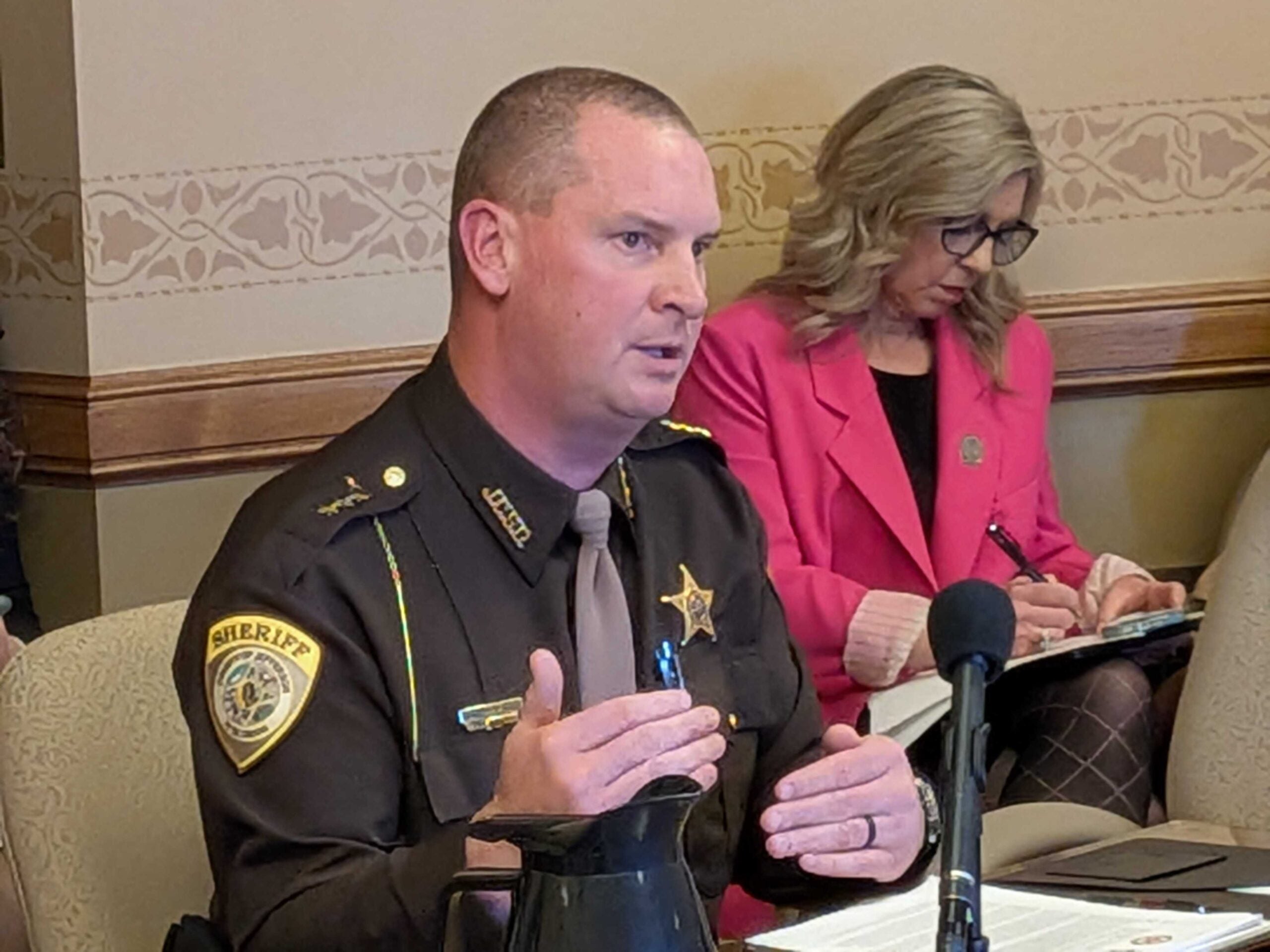
County sheriffs have also raised objections. Jefferson County Sheriff Travis Maze testified against both bills on behalf of the Wisconsin Sheriffs & Deputy Sheriffs Association and the Badger State Sheriffs Association.
Maze criticized the proposals as “unfunded mandates,” and said existing DOC policy is already sufficient to address the hygiene needs of incarcerated people.
In Jefferson County, Maze said, people booked into the jail get a hygiene kit with items including shampoo and deodorant.
Maze said female inmates can also get free menstrual pads, which the county purchases on Amazon. The Jefferson County jail no longer provides tampons because of concerns about toxic shock syndrome, he said. TSS, a sometimes-fatal infection, can be caused by leaving a tampon in for too long.
The bill’s sponsors told the Corrections Committee they are open to amending the proposals based on feedback, including concerns raised by sheriffs.
Although the bills were introduced by Democrats, Republican Rep. Dean Kaufert of Neenah agreed to give them a hearing before the Corrections Committee which he chairs.
“I know common sense,” Kaufert said after the hearing. “This isn’t a partisan issue — shouldn’t be a partisan issue.”
In order to become law, the proposals would have to clear Wisconsin’s GOP-controlled state Legislature.

Wisconsin Public Radio, © Copyright 2026, Board of Regents of the University of Wisconsin System and Wisconsin Educational Communications Board.