When Mike Arendt interviewed to be the 2024-25 principal of South Milwaukee High School, an unexpected question came up — teen vaping.
“It wasn’t really until the start of the school year that I realized, holy cow, this is way more (common) than I thought it was,” he said on WPR’s “Morning Edition.”
After witnessing the aroma of vaping inside school bathrooms and hearing feedback from students and parents, he knew something needed to be done.
News with a little more humanity
WPR’s “Wisconsin Today” newsletter keeps you connected to the state you love without feeling overwhelmed. No paywall. No agenda. No corporate filter.
“Students who want to use the bathroom for the actual reason bathrooms are supposed to be used … weren’t able to sometimes access that during passing times,” he said.
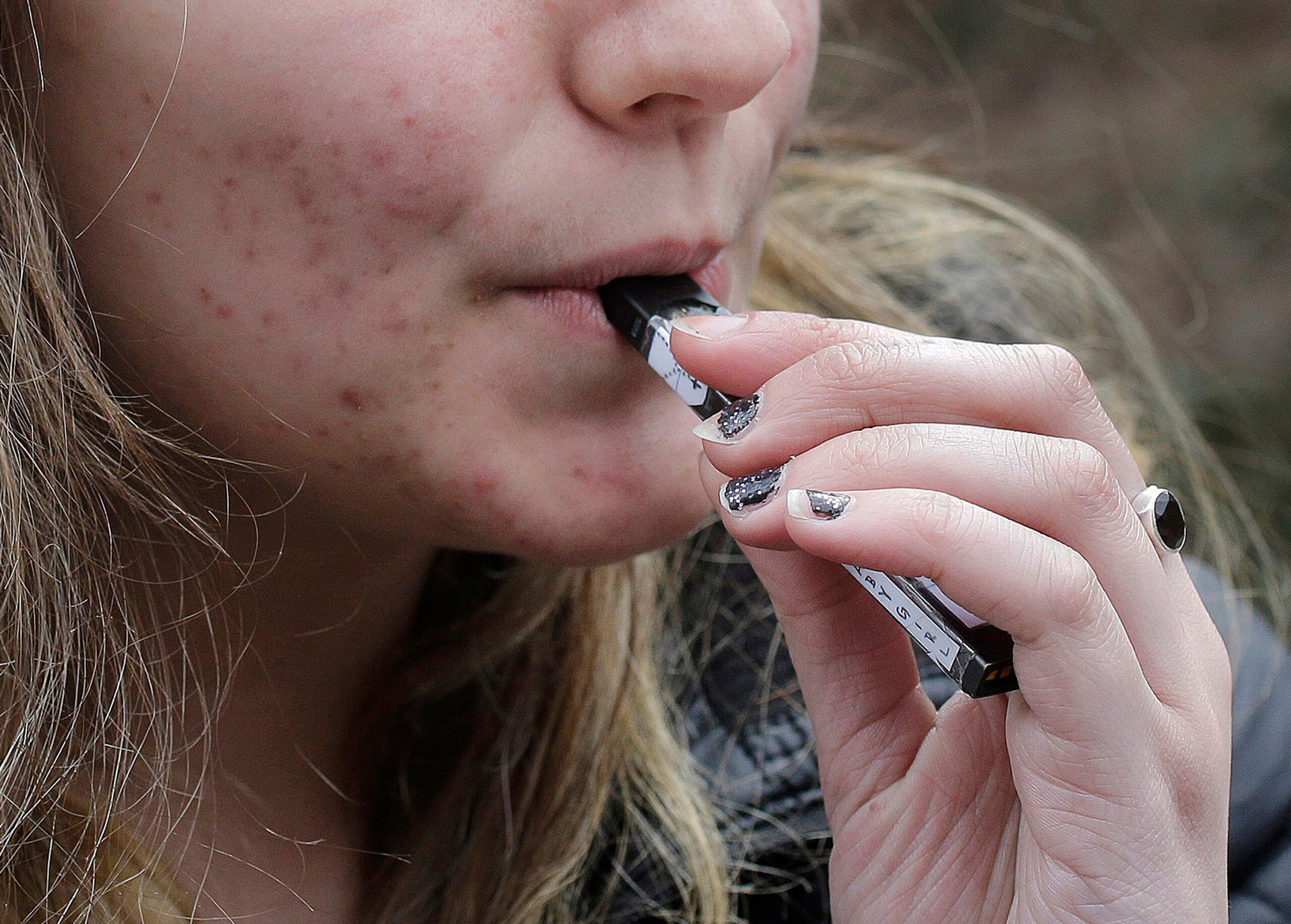
Vaping is a way of taking nicotine and THC through an aerosolized mist rather than smoking. Health experts say it poses risks of lung damage and chemical dependency. The state Department of Health Services reports that 16 percent of Wisconsin high school students have used e-cigarettes, or 1 out of 6 teens.
Last fall, South Milwaukee High School installed vape sensors in its 11 bathrooms to detect and deter what Arendt calls an “addiction” among students.
The sensors look similar to a smoke detector and can recognize the specific particles that vape devices produce in aerosol form. The federal Food and Drug Administration says chemicals commonly found in vapes include formaldehyde and metal particles such as nickel, lead, chromium, tin and aluminum.
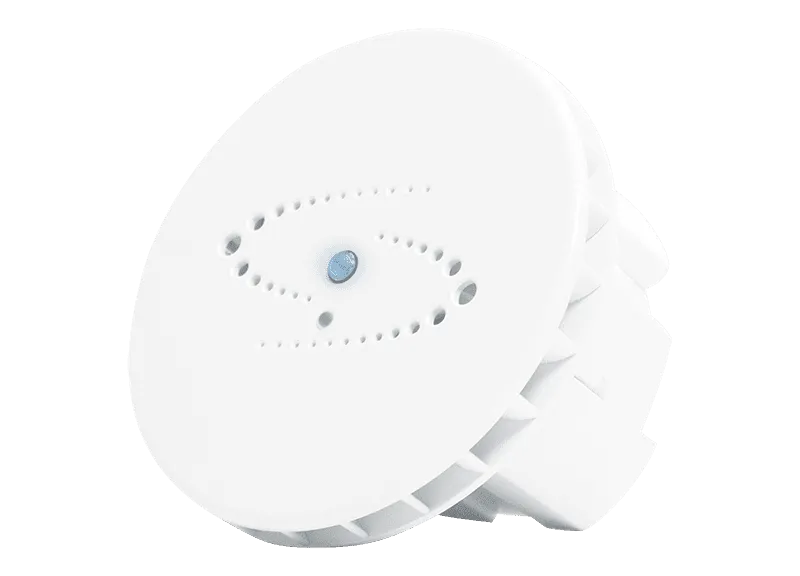
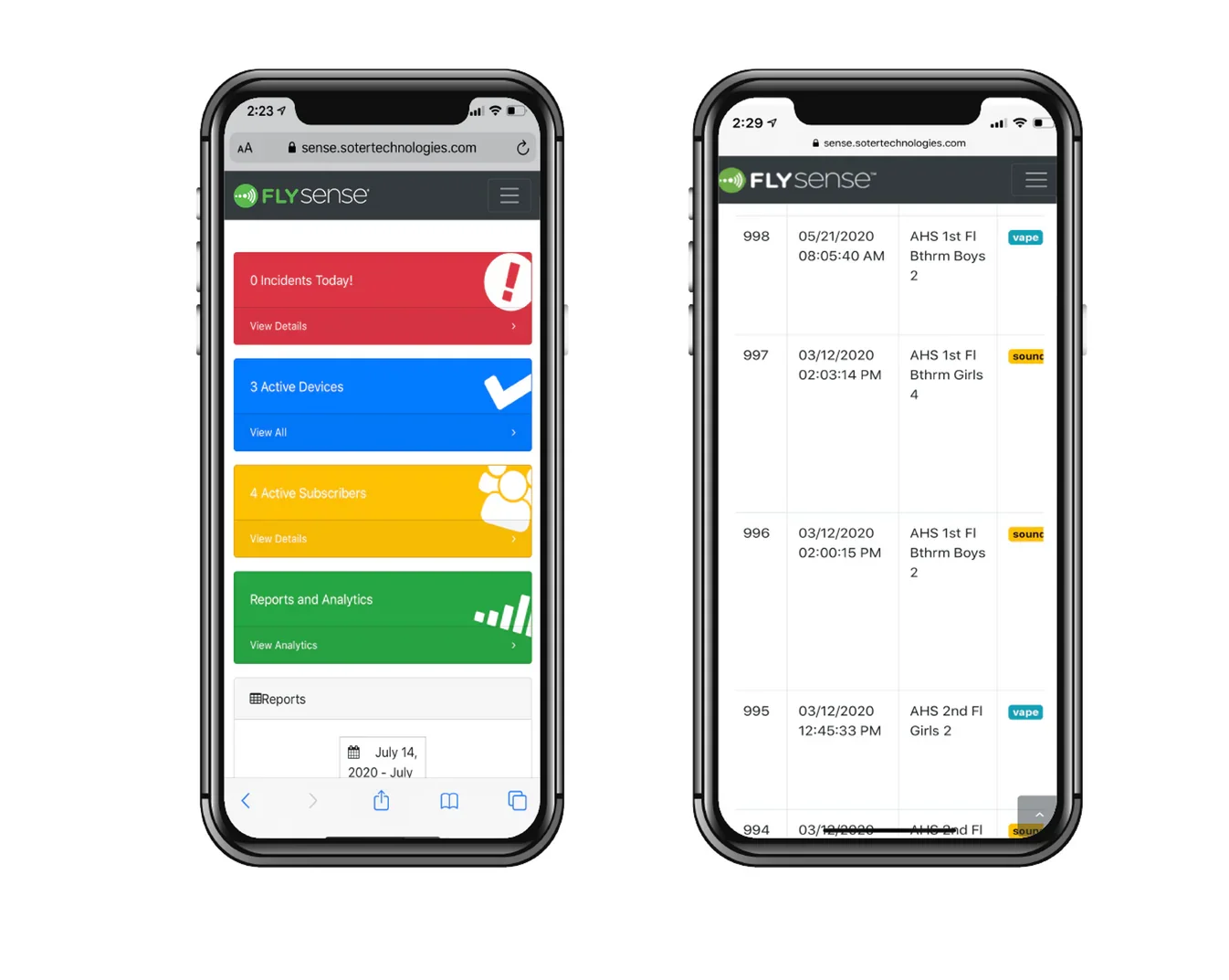
Arendt said when a student vapes, the sensor triggers a real-time alert system that sends an email and text message to authorized staff.
“At the start, we were getting roughly about 70 to 80 detections a day over the 11 bathrooms,” he said.
With cameras positioned outside the bathroom, he said that they can review footage to determine which student may be using. This allows the administration to take appropriate disciplinary action.
“It’s tracking them down and then having conversations and potentially searching student belongings,” he said.
Students caught vaping are issued an in-school suspension, where they must participate in a vaping education module. The school also offers group therapy to help students with the addiction.
Hundreds of Wisconsin schools are using vape sensors
South Milwaukee High School is one of more than 280 Wisconsin schools with vape sensors in bathrooms, according to HALO Smart Sensors and Soter Technologies — two of the most prominent sensor companies.
A representative with Motorola Solutions, which created the HALO Smart Sensors, told WPR that Wisconsin schools began implementing their technology in 2019.
Other districts with vape sensors in place include Kenosha, Sheboygan and Wisconsin Rapids. This fall, the Unified District of De Pere will be the latest to join the effort, after the school board approved adding sensors to its high school bathrooms following several incidents last year.
Arendt said South Milwaukee paid $11,000 to operate 11 HALO Smart Sensors under a 10-year warranty, which is $100 per sensor annually. He said referendum funds secured by the district — $10 million to be given over five years — helped pay for them.
After the sensors were installed last fall, Arendt said the school saw a 40 percent decrease in vape use.
Some vape stores sell the products illegally to teens, despite laws prohibiting their sale to people under 21. According to 2024 data from the Wisconsin DHS, vape sales among underage consumers have declined from 13.6 percent in 2023 to 11.8 percent.
Arendt pointed out that some families use the products, potentially giving kids access to the devices.
New Wisconsin law bans many vape products that appealed to youth
A new law in Wisconsin that took effect this month bans vape products not approved by the FDA.
The move means retailers are limited to selling 39 products currently approved by the FDA, but it makes the sales of more than 200 products containing flavors like watermelon, bubblegum and mango illegal. Lawmakers and health experts say these flavors can be especially appealing to teens.
Vape shop owners who sell those products could face fines of $1,000 per day per product. It has led to many Wisconsin shops emptying their shelves of non-FDA-approved products.
In July, Wisconsinites for Alternatives to Smoking and Tobacco, or WiscoFAST, filed a lawsuit against the state Department of Revenue to block the state from enforcing a 2023 law that restricts the sale of non-FDA approved vaping products.
Earlier this month, a judge denied the request. The organization has indicated it will appeal.
Meanwhile, the state DHS and Arendt agree that flavorful vapes are the most popular tobacco products among youth.
“Most of the stuff that we find have the berry flavors or bubble gum or citrus type flavors,” he said.
Ryan Schroeder, vice president of sales with Smart Sensors & Access Control at Motorola Solutions, said the sensors are “another step in combating the public health issue of youth vaping.”
“Our HALO sensors are designed to give schools and other facilities the ability to detect vaping and other health and safety risks, helping them to better protect their students,” Schroeder said.
CEO Derek Peterson of the FlySense Vape sensor, created by Soter Technologies in 2017, said 95 percent of his company’s business is with K-12 schools, including 30 in Wisconsin.
“Unfortunately, these young students don’t realize what they’re doing to their bodies,” he said about the health effects of vaping.
Both Peterson and Arendt pointed to ongoing education as an essential step in reducing the number of teens vaping and handling nicotine withdrawal.
“Just putting a device in a bathroom doesn’t solve the school’s problem,” Peterson said. “We marry a device with technology so we detect and educate.”

Wisconsin Public Radio, © Copyright 2026, Board of Regents of the University of Wisconsin System and Wisconsin Educational Communications Board.