The first time Dave Carlson and Quil Lawrence met was at the Waukesha County Jail in 2015. A judge was deciding whether to extend Carlson’s sentence for the additional crimes he committed while in prison — such as getting into fights — or set him free.
Lawrence was in Waukesha reporting on vets with PTSD in prison for NPR as its veterans correspondent.
News with a little more humanity
WPR’s “Wisconsin Today” newsletter keeps you connected to the state you love without feeling overwhelmed. No paywall. No agenda. No corporate filter.
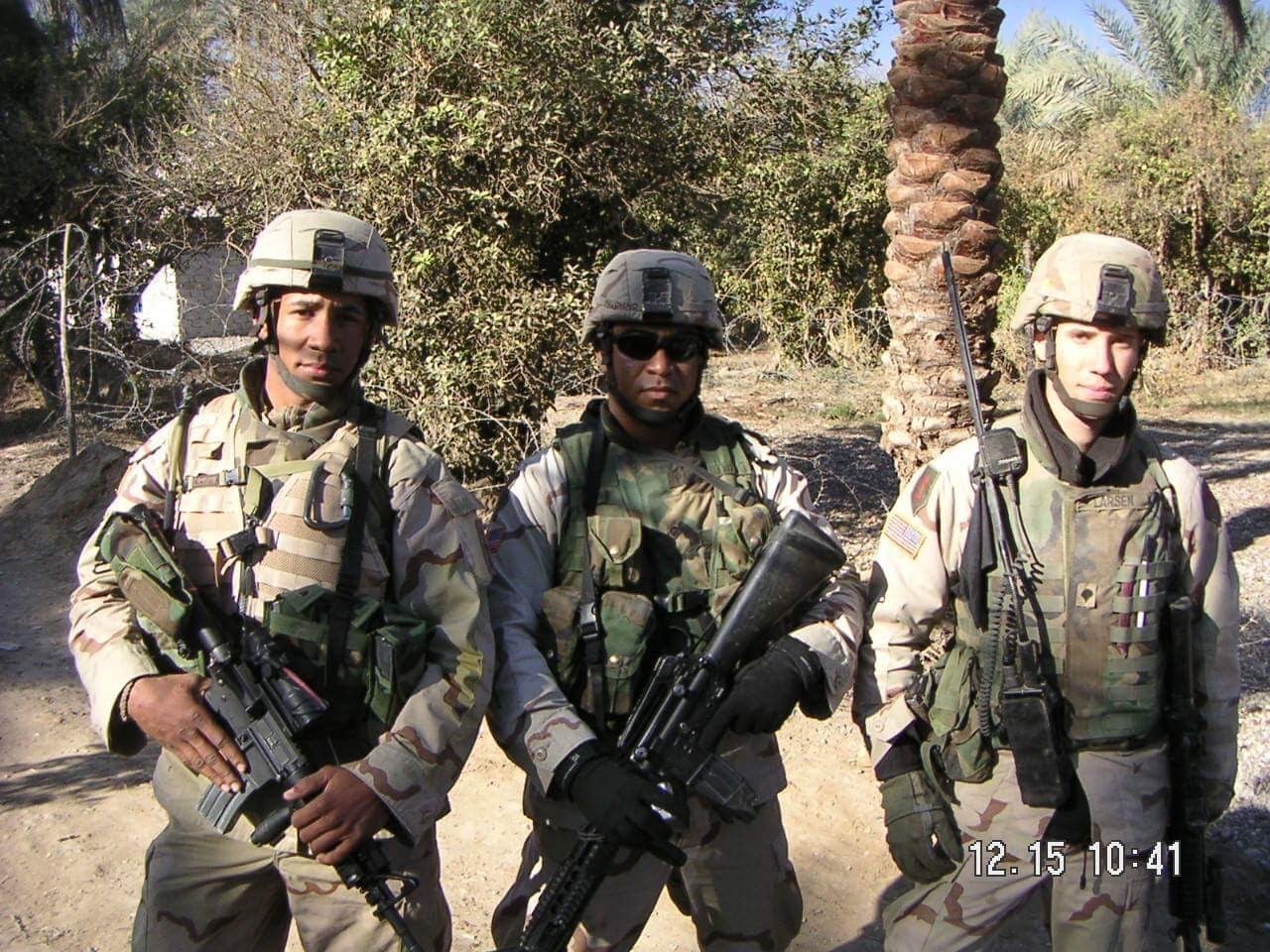
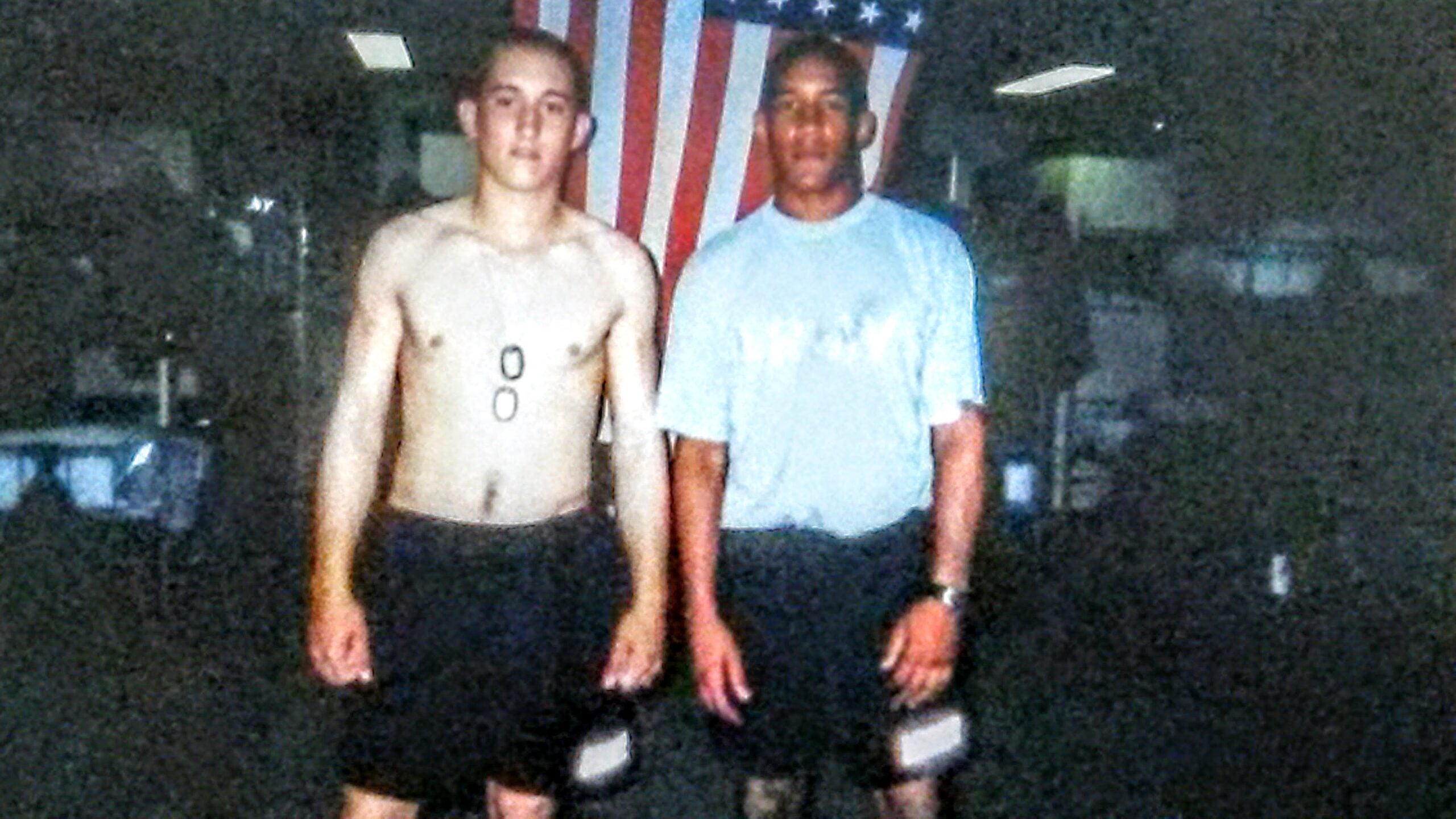
Carlson, an Iraq War combat veteran with the Wisconsin National Guard, excelled in the military. But after being exposed to the horrors of war, he returned home and faced challenges with drug addiction, anger and Post-Traumatic Stress Disorder, that landed him in and out of incarceration.
Although this was the first time they’d met in person, the pair had been talking on the phone for weeks. Carlson eventually opened up to Lawrence about his difficult childhood and people he worked with who died in combat, including Medal of Honor recipient Alwyn Cashe.
“The judge basically told Dave Carlson, ‘Maybe you can turn this around,’” Lawrence told WPR’s “Wisconsin Today.”
Lawrence continued paraphrasing the judge: “‘Your Iraq buddies came out to court because they think you’re a leader, and they think you can turn this around. And I’m going to give you the challenge to turn it around.’”
Carlson was released a few months later.
He and Lawrence continued their relationship for a decade, as Lawrence documented Carlson’s story, that later turned into a new two-part NPR podcast titled “Carlson’s War.”
They shared more of their backstory with each other on WPR’s “Wisconsin Today.”
This conversation has been edited for clarity and brevity.
Rob Ferrett: Dave, you were contacted by a public radio reporter while incarcerated. What was that first interaction with Quil like?
Dave Carlson: It meant a lot, when you’re locked up. At that point I had a lot to say. I had processed a lot that had gone on both in Iraq and while incarcerated. At first it was testing what Quill wanted, but it was pretty apparent that he was authentic and genuine. So it ended up being a really great outlet — one of my first, at that point in my incarceration.
RF: Dave, you were very open about incredibly difficult experiences in Iraq and at home. What made you so willing to share your story?
DC: I believe that in sharing my story, there’s a segment of the veteran population that has similar stories and still haven’t recovered from the challenges that they’re going through. Hopefully by hearing what I’m saying they will be able to relate, maybe take some of the actions that I took or draw from them, and be able to move past their situations. I’m willing to share it because I think that it possibly can help somebody else.
RF: Quil, you’ve been covering the military and veterans for a long time. What was it about Dave’s story that made you follow him for a decade?
Quil Lawrence: It was an incredible stroke of luck. I came across a website that Dave’s mom had put up about incarcerated veterans. At that point, Dave had been doing some writing and finding an outlet for some of his thoughts and feelings. I started talking to him when he was just on the other side of some of his darkest times and where he’d really found himself and found a new mission. So I did a quick story. I called him over a couple of months and went out to his sentencing hearing in Wisconsin in 2015, where the judge could have gone either way — kept him incarcerated or let him out. The judge basically told Dave Carlson, “I think maybe you can turn this around.”
RF: Quil, you say in the podcast that we’ve lost four times more Iraq and Afghanistan vets to suicide than we’ve lost in combat. As a country, have we done enough to help people like Dave?
QL: The sad fact is veterans’ suicide is probably a lot higher because veterans, by definition, know how to use guns. And if that’s the the weapon someone uses to attempt suicide, they’re more often successful. Especially among the cohort of vets who served in Iraq and Afghanistan, when they came back, there was an alarmingly high rate of death by suicide. There are a lot of people working on it. It’s a very hard nut to crack. One thing that I have seen help people is to essentially find a new mission when they come home.
RF: Dave, you mentioned Sergeant Alwyn Cashe as a mentor in your life. His death was obviously devastating. On the podcast, we hear the a story from October 2005: Cashe’s unit was ambushed, his uniform gets covered with diesel fuel. As he’s on fire, he goes back several times to get his men out of a vehicle. He refuses to get on the medevac until all his men are out. He gets on last and about three weeks later, he dies of his wounds at an Army hospital in Texas. Twenty years later, what does Cache mean you?
DC: The meaning of the interactions that we had is in how I saw Sergeant First Class Cashe. We weren’t close, or any more close than a private second class could be with a sergeant. But I think that it’s an important point. I was part of a nonprofit after getting out of prison and there’s probably a lot of kids who are now young adults in the military, who sent me letters and emails. And even though I didn’t feel as if I had a huge impact on them, to them it must have been a larger impact than I realized.
If I were to explain what it was like interacting with Sergeant First Class Cashe and what it was like going out with that company or that troop in general, there’s a lot of individuals that I don’t even remember their names but each one of them were role models. Because I saw acts of courage that I’ll aspire to for the rest of my life.
To give you an example, there was a squad leader, I can’t remember his name, but in the middle of a firefight he ran right down the road and said, “On me!” He yelled, “On me” to the rest of the troops, and that’s what got us up, following him.
Those visuals are embedded in my memory in a way that guides me in how I respond to different situations now. They really have provided me with motivation and validation. Because even when it seems like it’s insane to be the first person to move forward in a certain activity or in the case of that squad leader, to be the first person running down that road, if he had the courage to do it then, I feel like I have the courage.
RF: Quil, at one point Dave sort of diagnoses you and sees doing this podcast as therapeutic for you — not as a soldier, but as a reporter. What did this mean to you?
QL: Dave’s question for me was, “Why are you doing this?” And I didn’t know. I was like, “I wanted to see how this story is going to end.” I thought it was a pretty good story. And he just said, “You’re doing this because, just like you’re part of my recovery, I’m part of your recovery.” And honestly I was honored to feel that I was part of Dave’s recovery. That the conversations we’ve had over a decade had been part of him coming around to where he is today.
It diagnosed for me that the dozen years that I’ve spent telling the stories of veterans, and talking to Dave Carlson, has been part of me figuring out what I came home from war still carrying and what’s important about it.
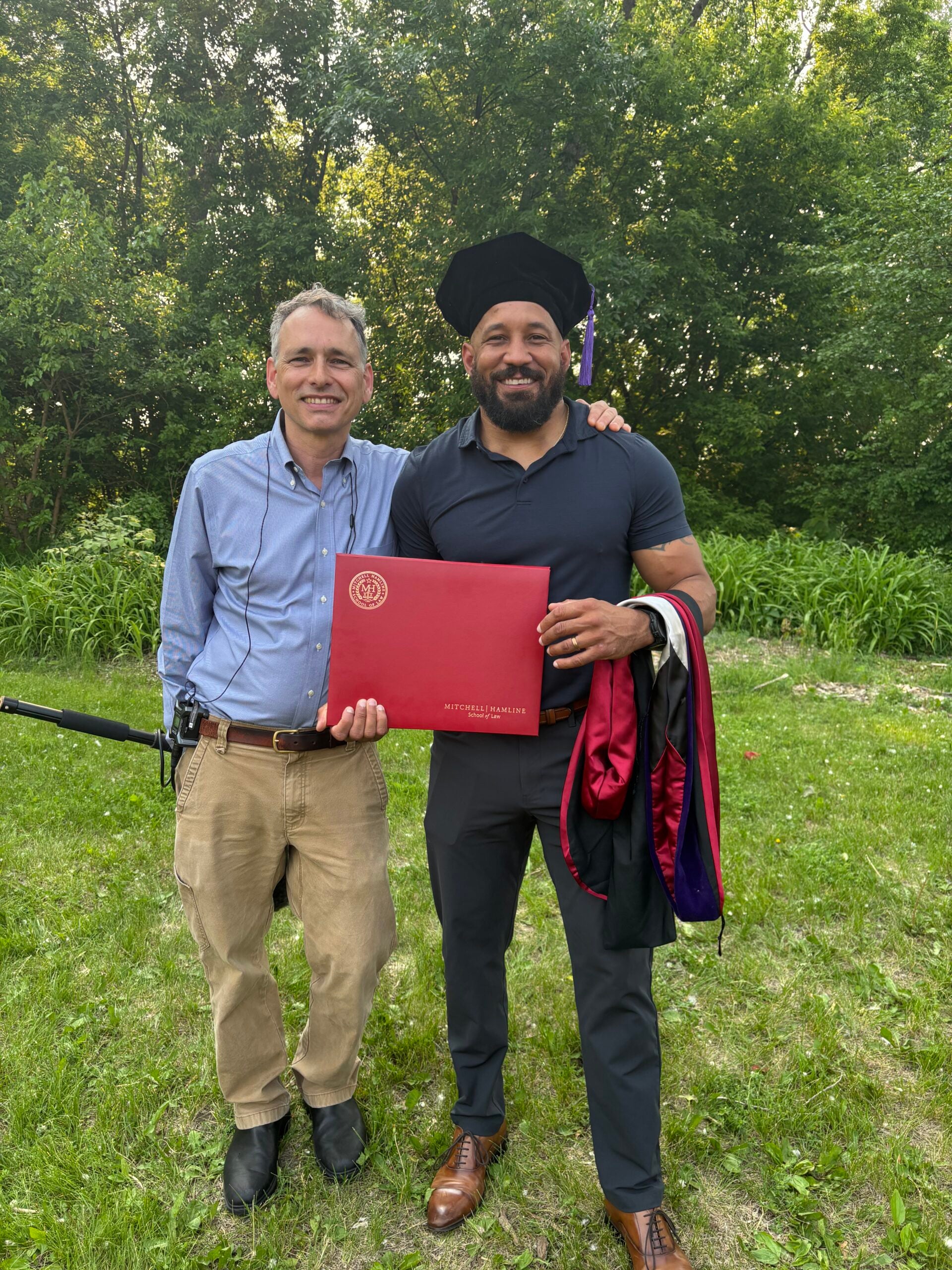
RF: Dave, you just got your law degree from Hamline University in Minnesota. What is your mission now?
DC: I think veterans have a unique moral compass and how that has translated back to the community is just serving people. It’s not about institutions, it’s not about statistics, it’s not about groups of people. But it’s about that one person that comes to you that has been injured, that has been harmed and feels as if they don’t have a voice and that they’re against insurmountable odds.
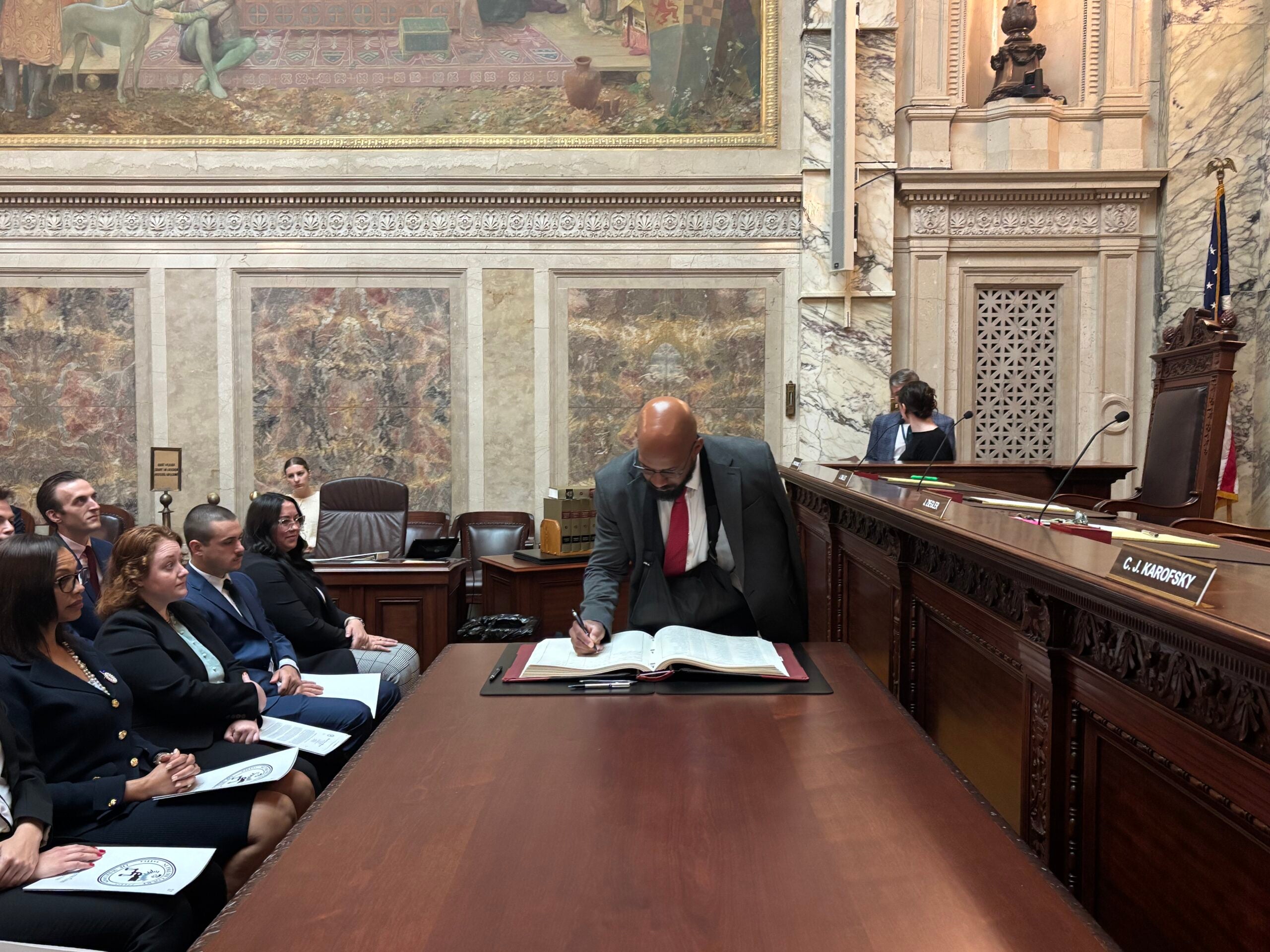
As a lawyer, I can now be the bridge between them feeling helpless and hopeless, to them feeling validated and empowered. For me, all of the experiences I’ve had in my life have culminated in that one moment where I was sworn in and I feel like I have a completely new direction in life.