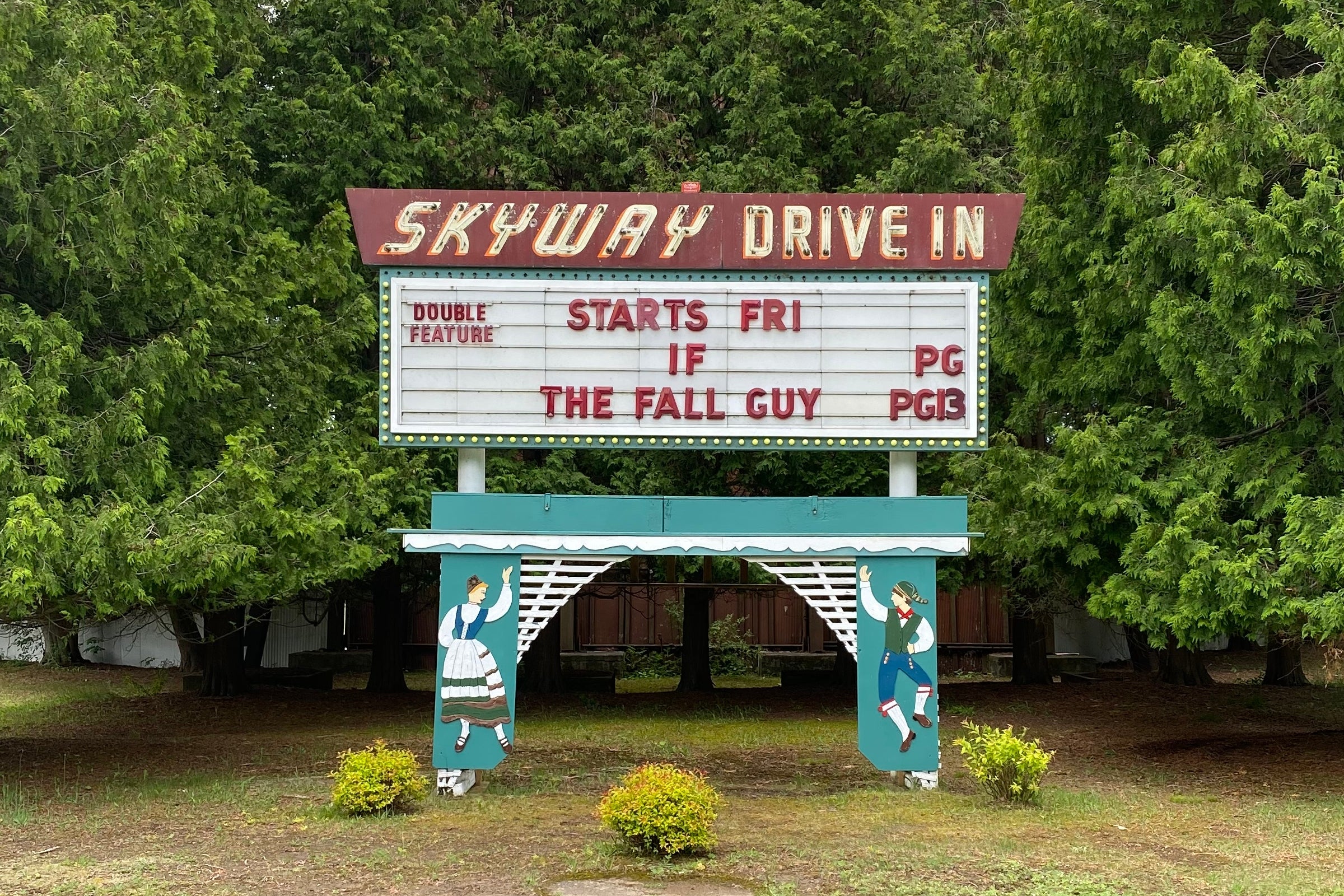
Dale Jacobson’s first memory of the drive-in theater was going to see Disney’s “Lady and the Tramp” as a kid.
Just a few years later, his parents bought the Skyway Drive-In Theatre in Fish Creek, where he helped out by picking up trash, mowing the lawn and working the snack bar.
“I always thought it was pretty cool. It was a fun way to grow up,” Jacobson told WPR’s “Wisconsin Today.”
News with a little more humanity
WPR’s “Wisconsin Today” newsletter keeps you connected to the state you love without feeling overwhelmed. No paywall. No agenda. No corporate filter.
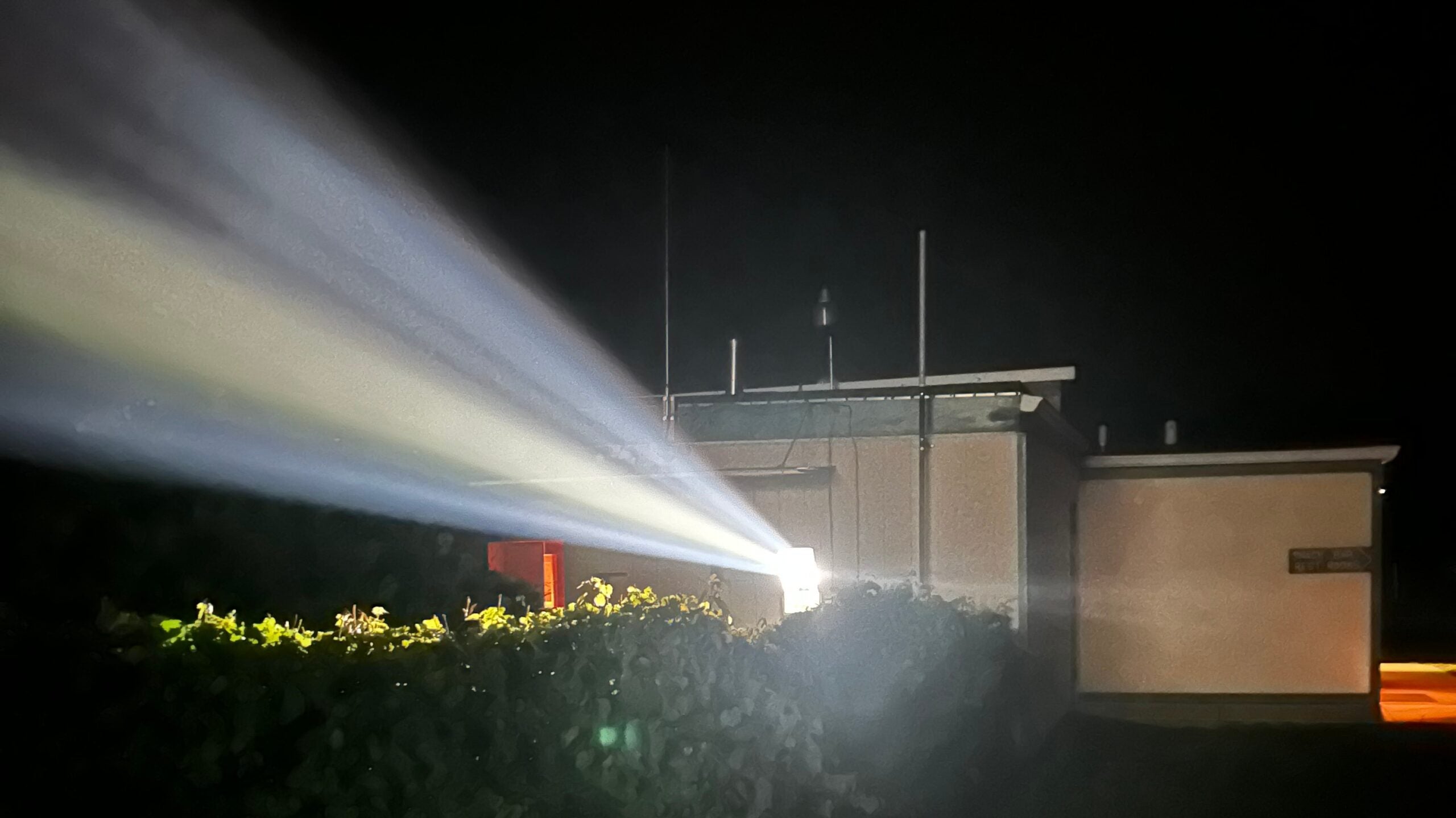
Skyway opened in 1950 under the ownership of Orville and Elton Voeks, and it is the longest continuously running drive-in movie theater in Wisconsin. This summer, it is celebrating 75 years of showing movies under the stars in Door County.
Now, Jacobson owns and operates Skyway with his brother, Jeff, after buying it from their parents in 1999 as a way to continue the family business.
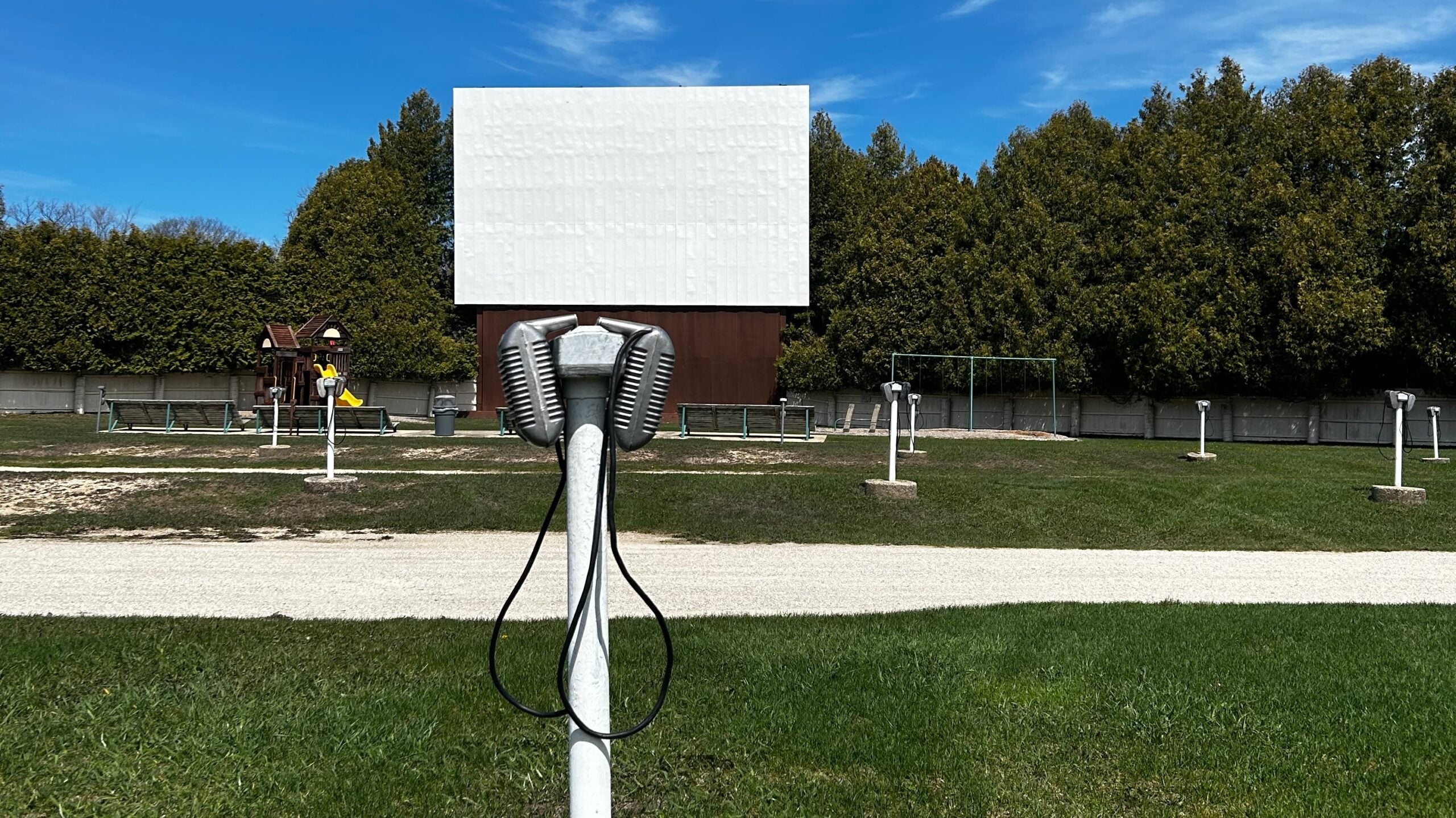
The brothers have taken special pride in leaning into the nostalgic 1950s feel of the drive-in, with traditional standing speakers in the front half of the theater, retro signs in the concessions area and vintage advertisements before every screening, including a particularly beloved one for PIC mosquito-repelling coils.
Regulars have told Jacobson they would be disappointed if the theater ever stopped playing the PIC ad.
“People come year after year and get to know it by heart,” he said.
These days, drive-ins feel like a remnant of the past. Numbers are dwindling in states across the country, even after a brief boost in popularity during the COVID-19 pandemic.
In Wisconsin, there appears to be only eight drive-ins still in operation after Highway 18 Outdoor Theatre in Jefferson and the Twilight Drive-In in Chilton both closed following the 2024 season. And earlier this year, the owner of the Stardust Drive-In, located in Chetek, announced that the theater wouldn’t be open this summer due to his cancer diagnosis, leading him to ask for donations to help cover the costs of keeping the business afloat.
Jacobson said that for drive-in owners, it’s much easier to sell the land than the business when it comes time to retire or move on. He believes that Skyway’s location in Door County has been a factor in its success and longevity.
“Being in a tourist area for sure helps us compared to some other drive-ins,” he said.
Rise and fall of drive-ins
While they had their heyday in the 1940s and ’50s, drive-in movie theaters have been around almost as long as feature films.
“What we think of as this kind of extraneous element of film — going to the drive-in — actually has these really deep connections with American film history,” said Jocelyn Szczepaniak-Gillece, professor and director of the film studies program at the University of Wisconsin-Milwaukee.
The success of drive-in theaters was made possible by the massive uptick in Americans who owned a car. Between 1945 and 1955, automobile sales quadrupled in the United States.
“The drive-in is not just about the movies. It’s also about Americans’ obsession with cars,” Szczepaniak-Gillece said.
In the early days, drive-ins were unique among movie theaters because they drew a different kind of crowd, Szczepaniak-Gillece explained. Moviegoers could smoke there, for example, which some drive-in theater owners specifically advertised in the 1950s. During the Jim Crow era, Black patrons could attend the drive-in even when they were banned from other theaters due to segregation laws. And people with disabilities wouldn’t have to worry about entering a building or navigating narrow theater aisles that weren’t wheelchair-accessible.
Drive-ins also became associated with youth culture as theater owners started trying to capture the attention of teen audiences. They were “a place where teenagers could go experience being together outside of the household and beyond the watchful eyes of their own parents,” Szczepaniak-Gillece said. “And I think that’s part of the dream that we still have about the drive-in: It’s a place where you could be a little bit wild, a little bit free.”
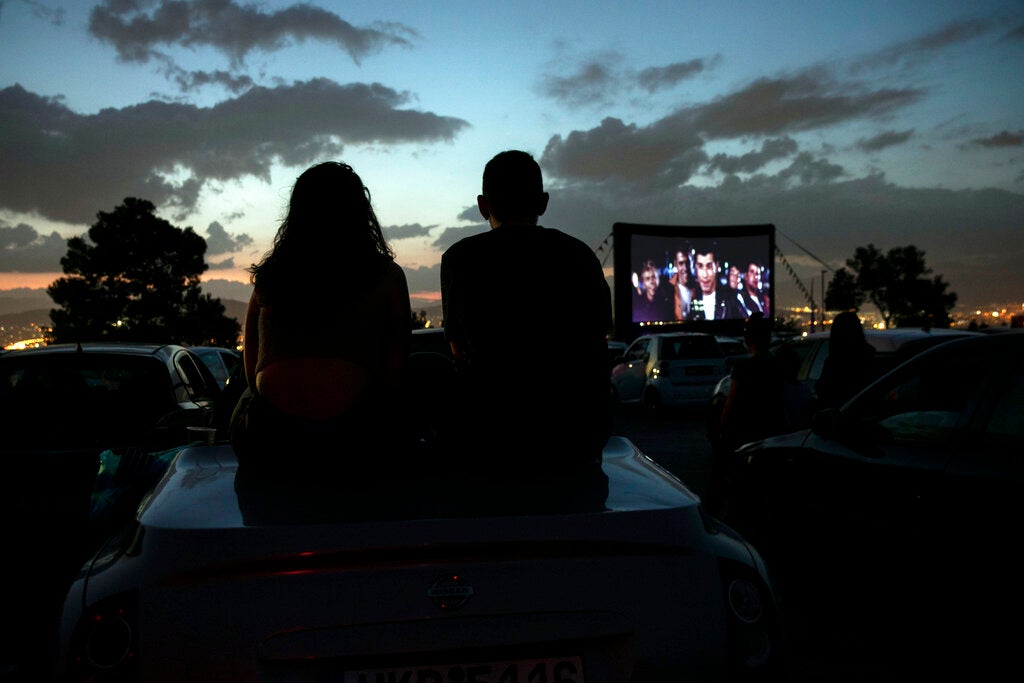
The popularity and number of drive-in theaters started dropping in the 1970s with the advent of home VCRs, which allowed people to stay home and watch movies rather than going out. Drive-ins have been on the decline ever since, with the few that remain doing their best to capture a feeling of nostalgia.
“Nostalgia is usually about a desire for a time that never really even existed. But there’s something about the nostalgia for the drive-in that I find kind of appealing,” Szczepaniak-Gillece said. “It’s not just about like, ‘Remember this more innocent time when everybody had 2.5 children and a white-picket fence?’ It’s also nostalgia for a way of being that’s not so dictated by all the rules and regulations.”
At Skyway, Jacobson has a front-row seat to what keeps bringing people to drive-ins. He said many people remember going to the drive-in when they were younger, and they want their own kids to have the same experience.
“They talk about how they’re from an area (with) no more drive-ins anymore, even in the whole state hardly. So, they drove by and saw this, and they felt like they had to come,” he said. “I think the nostalgic part of it and just the fact of being outside on a nice night are probably the two biggest draws.”