
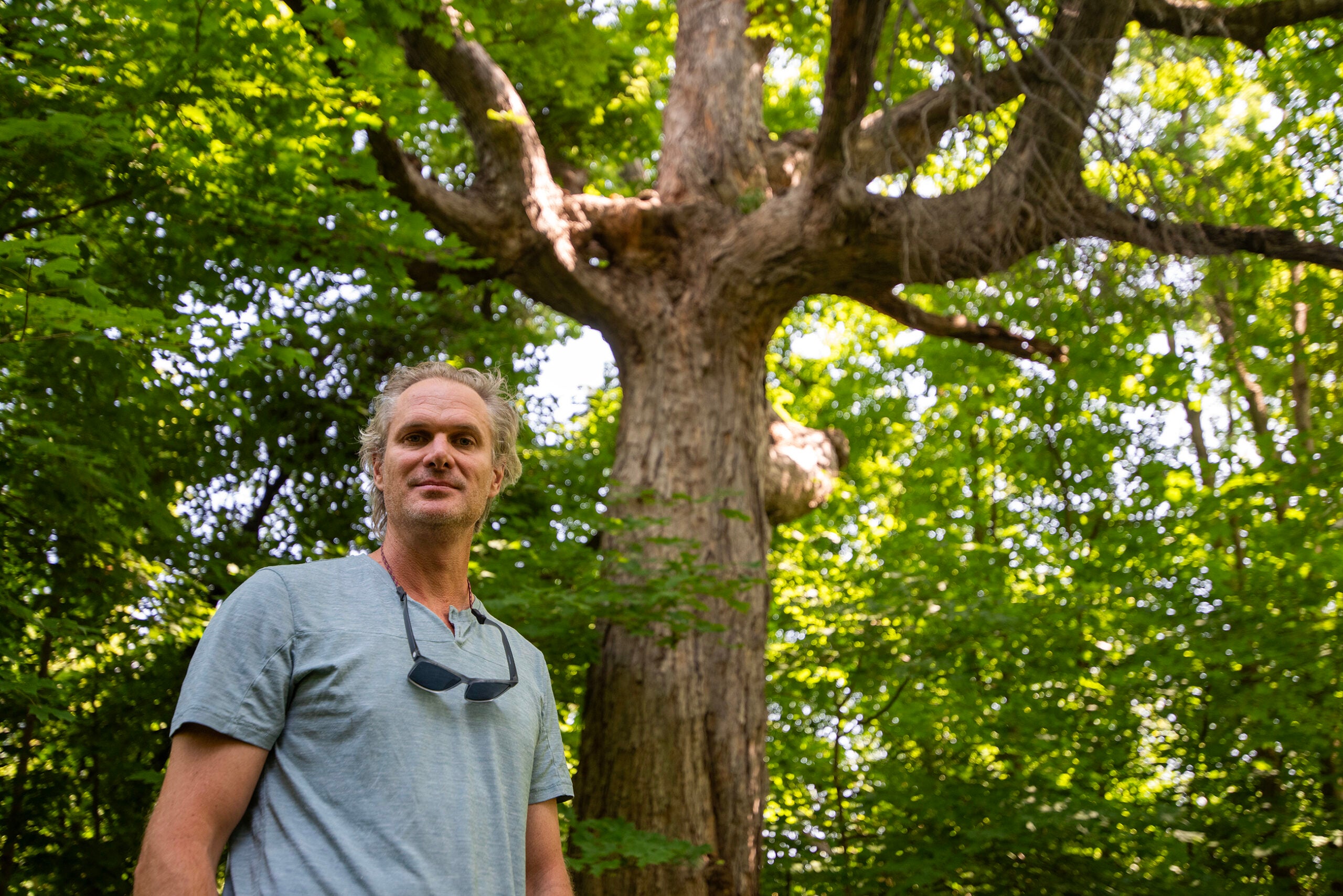
Arborist Jeremy Kane walked through a forested area near the Mendota Mental Health Institute in Madison and stopped to look up at a massive tree.
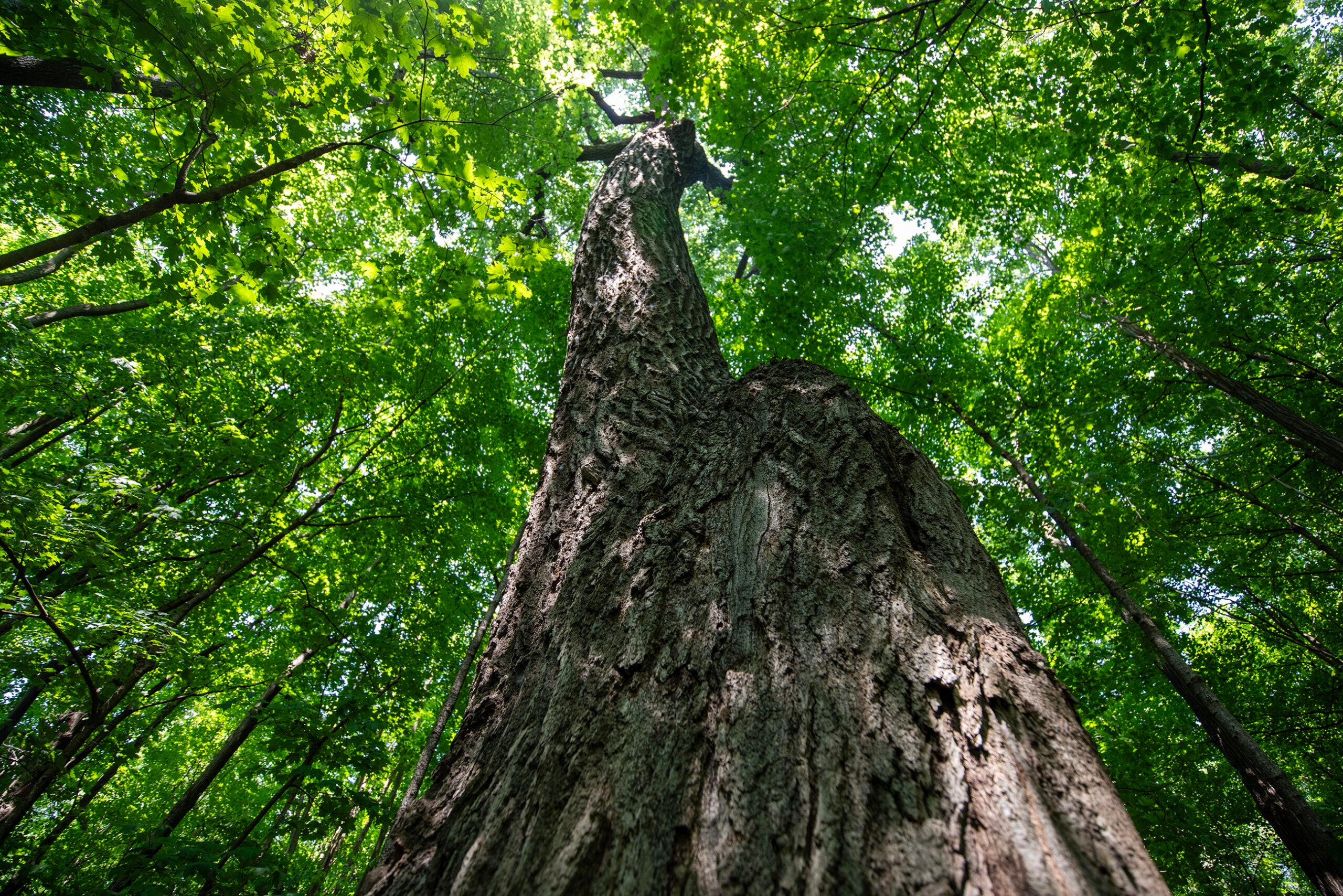
With branches spreading 120 feet wide, it’s one of the largest sugar maples in Wisconsin. Kane estimates it’s between 200 and 400 years old, making it older than the state itself.
“It’s still extremely healthy. The canopy is entirely full,” said Kane, who leads a nonprofit called the Urban Tree Alliance. “It’s just a remarkable tree in a lot of ways.”
News with a little more humanity
WPR’s “Wisconsin Today” newsletter keeps you connected to the state you love without feeling overwhelmed. No paywall. No agenda. No corporate filter.
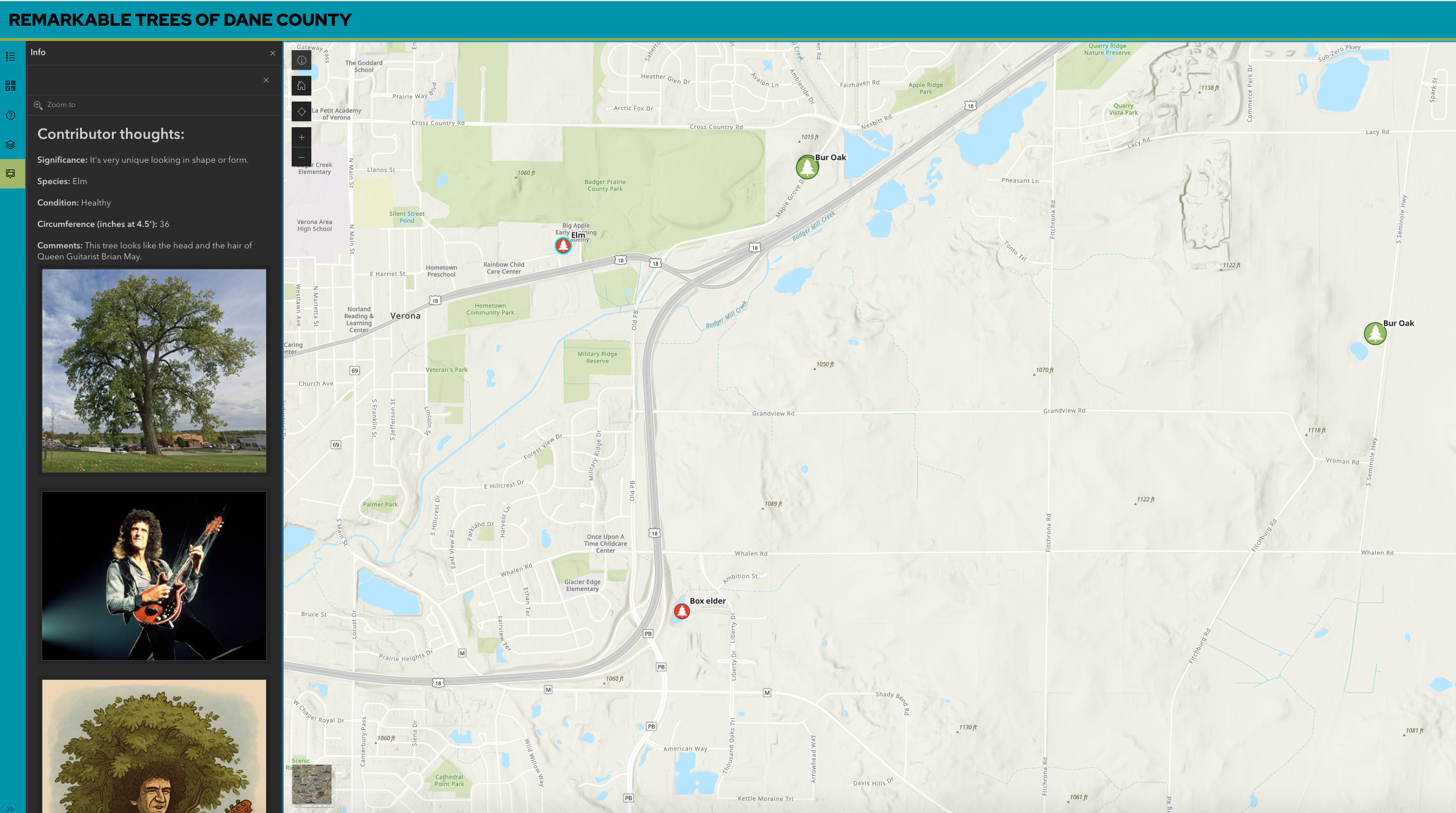
That sugar maple is one of more than 100 trees listed on a public-facing inventory known as the Remarkable Trees of Dane County map.
The project launched earlier this year, using a $10,000 grant from the John C. Brock Foundation. It’s being overseen by the Urban Tree Alliance, the Capital Area Regional Planning Commission, the Dane County Tree Board and the State Cartographer’s Office.
Anonymous members of the public can submit their favorite trees, along with a description and pinpointed location. Photos are encouraged.
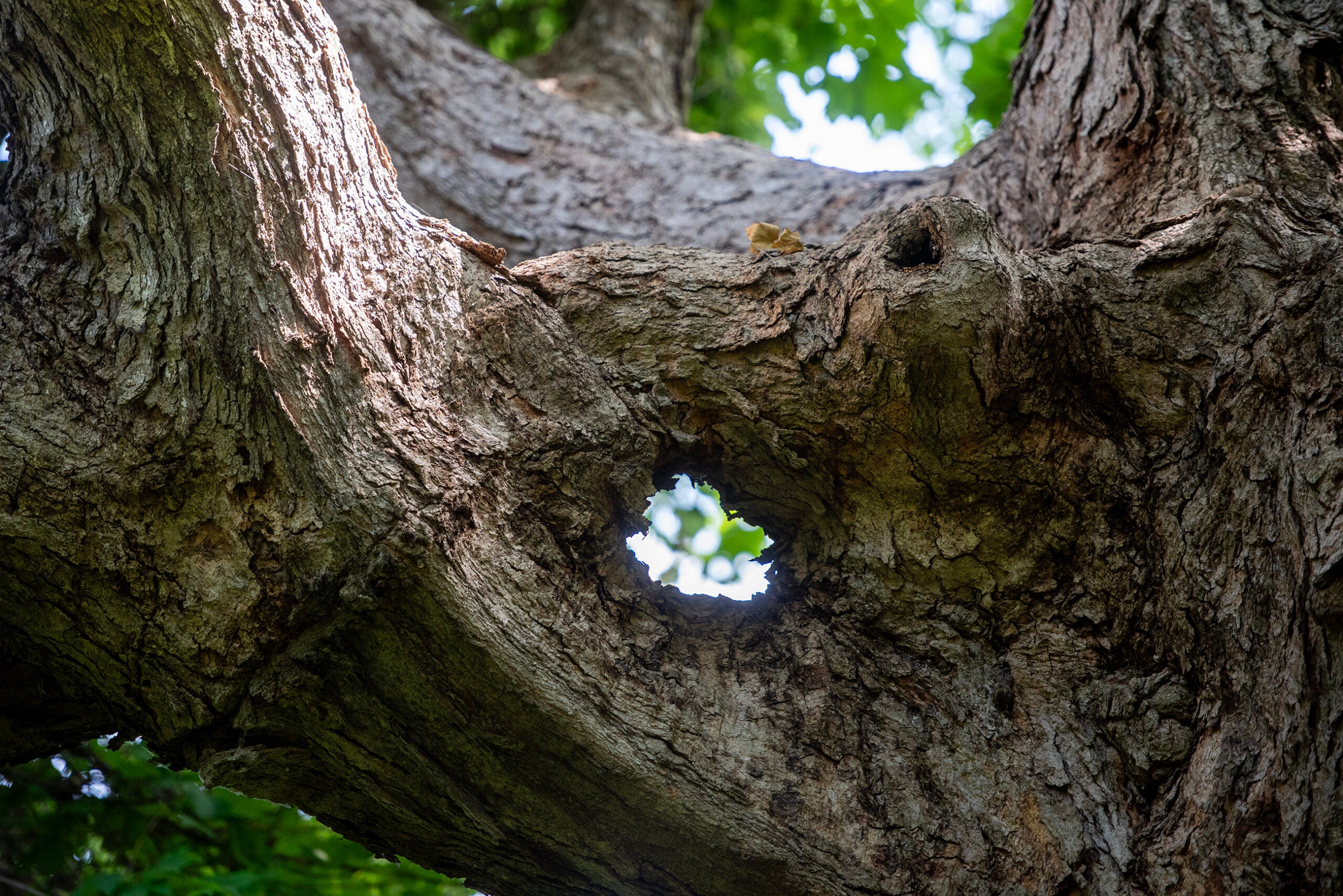
Like the sugar maple, some of the trees are especially big or old.
Years ago, the Wisconsin Department of Natural Resources and the Capitol Area Regional Planning Commission started tracking “heritage oaks” that are more than 200 years old, as well “champion trees,” which are believed to be the largest trees of each species in the state.
Some of those specimens have been added to the Remarkable Trees map. Users can add layers to the interactive interface to sort specifically for heritage and champion trees.
But other trees on the map just have a je ne sais quoi.
“It could be everything from being a kind of a specimen tree to having a certain charisma to it that you may not be able to identify,” Kane said.
The map’s definition of “remarkable” is fluid. Kane has been surprised to see so many people mapping cottonwoods.
“They have that kind of large character and big canopies,” Kane said. “It gives a little bit of a different impression of how people perceive cottonwoods … as opposed to being a nuisance, which is, I think, sometimes how they’re often characterized.”
Some trees have been added because of their unusual shape. One user submitted an elm tree near Badger Prairie County Park in Verona because of its fluffy-looking branches. According to that admirer, the tree is shaped like the curly mullet sported by Queen guitarist Brian May.
Several trees are the sites of memorials. A linden tree on the map bears a scar from a car crash that killed a pedestrian.
Other trees are survivors. An oak in Madison’s Greentree neighborhood withstood a tornado. A cottonwood near Lapham Elementary School in Madison is flourishing despite the chain link fencing embedded on either side of its trunk.
Trees like the ones on the map provide shade and homes for critters. And they suck carbon dioxide from the atmosphere, which helps counter climate change.
But Kane hopes the map encourages people in Greater Madison to appreciate trees for their beauty alone.
“It’s almost like you’re sending a postcard when you submit a tree,” Kane said. “I see this map as a kind of tree walk, where you can navigate through the city and see trees, and you might see one that you recognize and have a conversation about that.”

Wisconsin Public Radio, © Copyright 2026, Board of Regents of the University of Wisconsin System and Wisconsin Educational Communications Board.