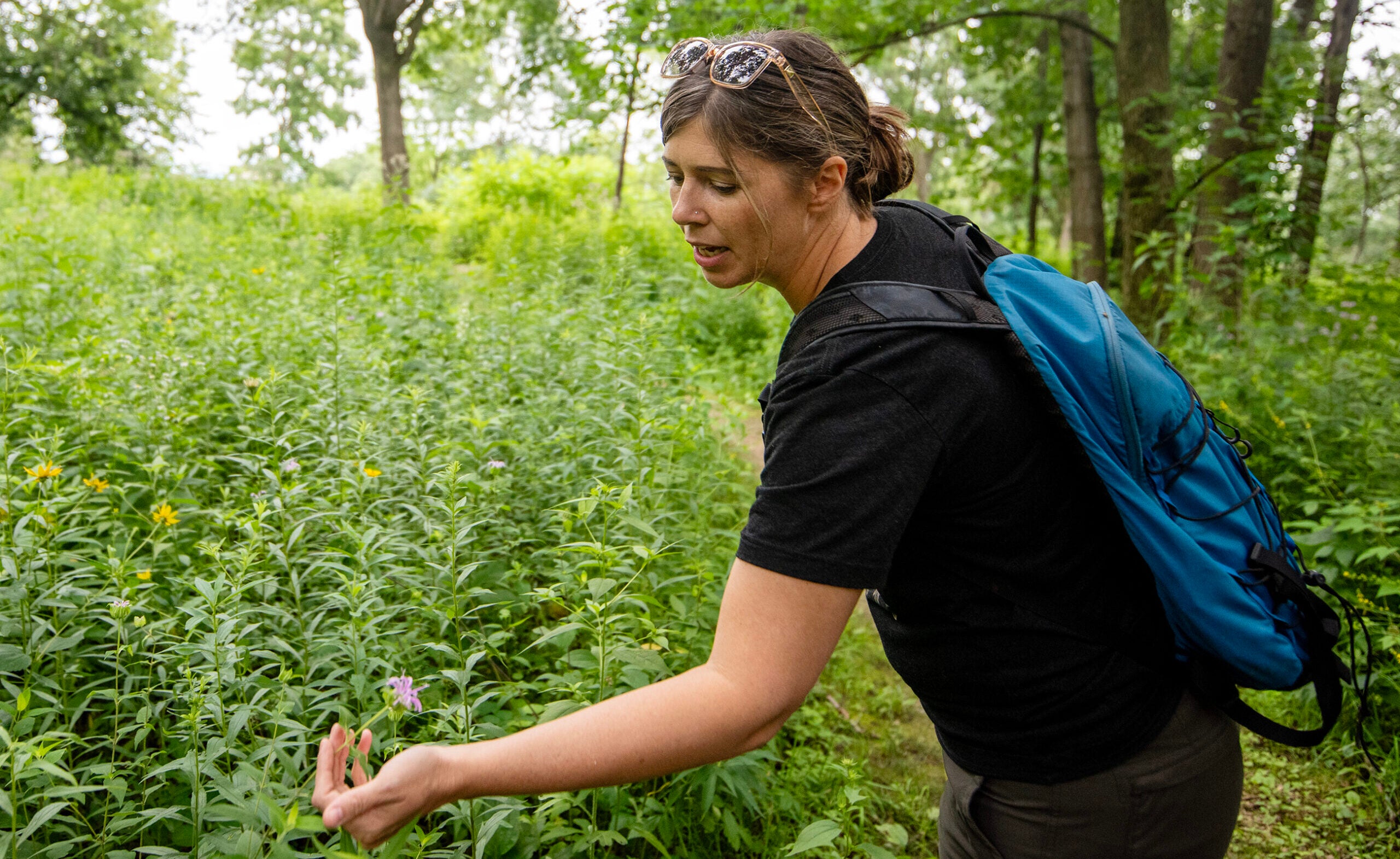
On an unseasonably cool summer day — temperatures in the low 70s, clear air with no rain or smoke — writer and naturalist Andrea Debbink brought members of WPR’s “Wisconsin Today” to Owen Conservation Park, a place she considers a hidden gem of Madison.
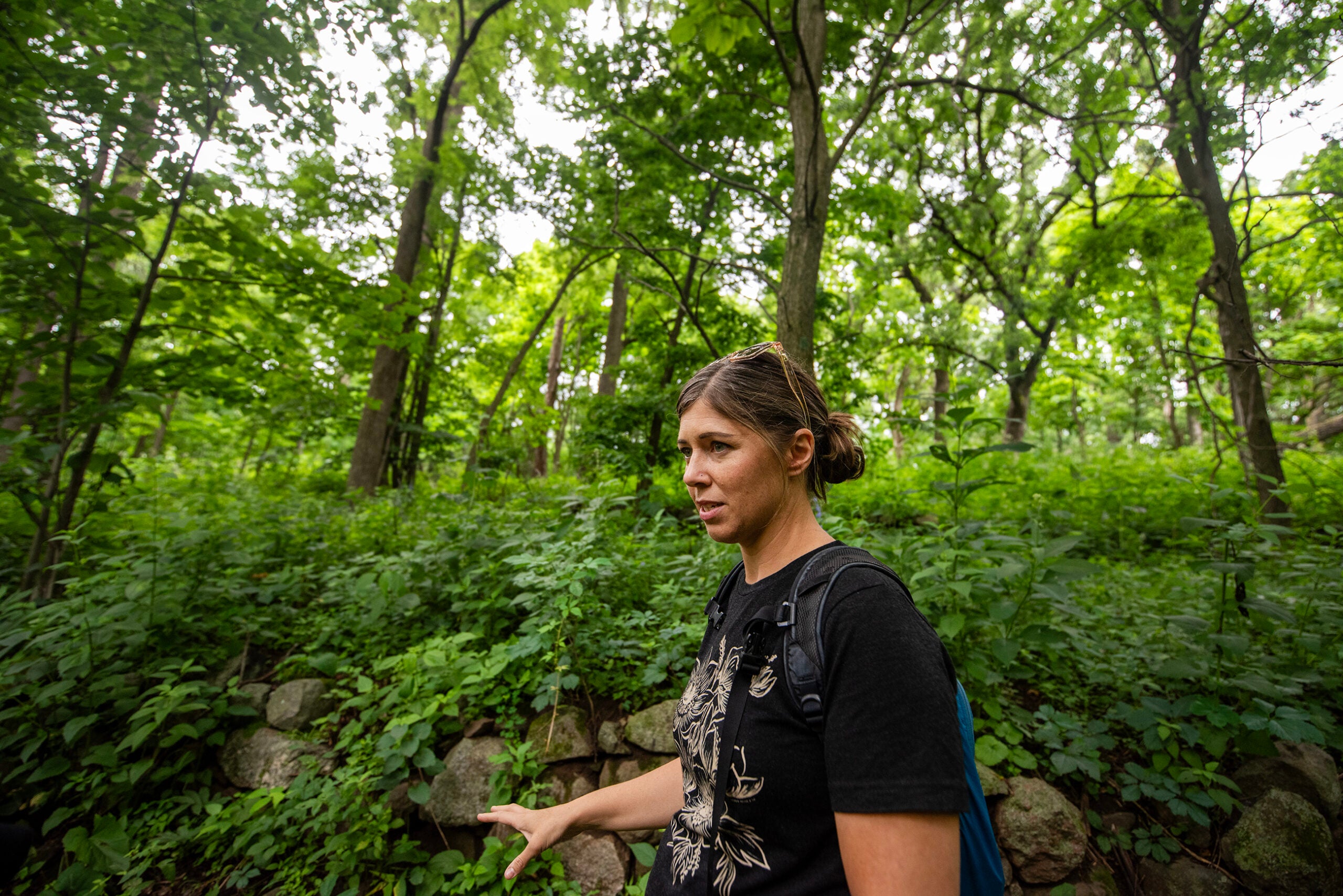
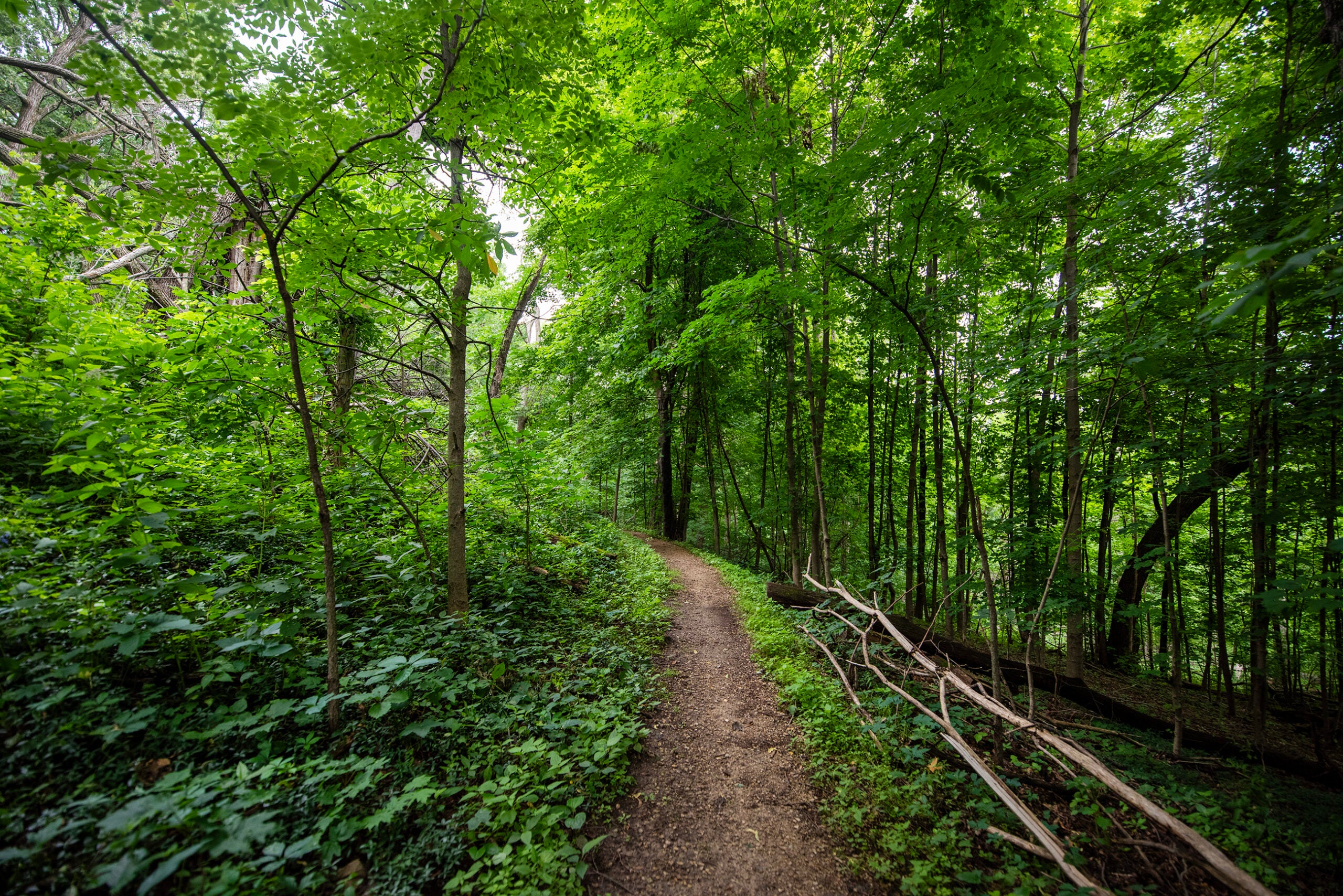
“It’s funny, I always thought this park was kind of hidden in plain sight, and it’s become even more so over the years,” Debbink said while walking through a wooded part of the trail. “I love how you’re in the middle of residential neighborhoods in the city, but yet there’s all this nature right here.”
Debbink is no stranger to finding beauty in her own backyard. She has previously written books like “Thrive Where You’re Planted,” a guided journal to help people living in cities and suburbs connect with the natural world in their neighborhood, and “Flower Finding,” which offers tips for seeking out and identifying wildflowers.
News with a little more humanity
WPR’s “Wisconsin Today” newsletter keeps you connected to the state you love without feeling overwhelmed. No paywall. No agenda. No corporate filter.
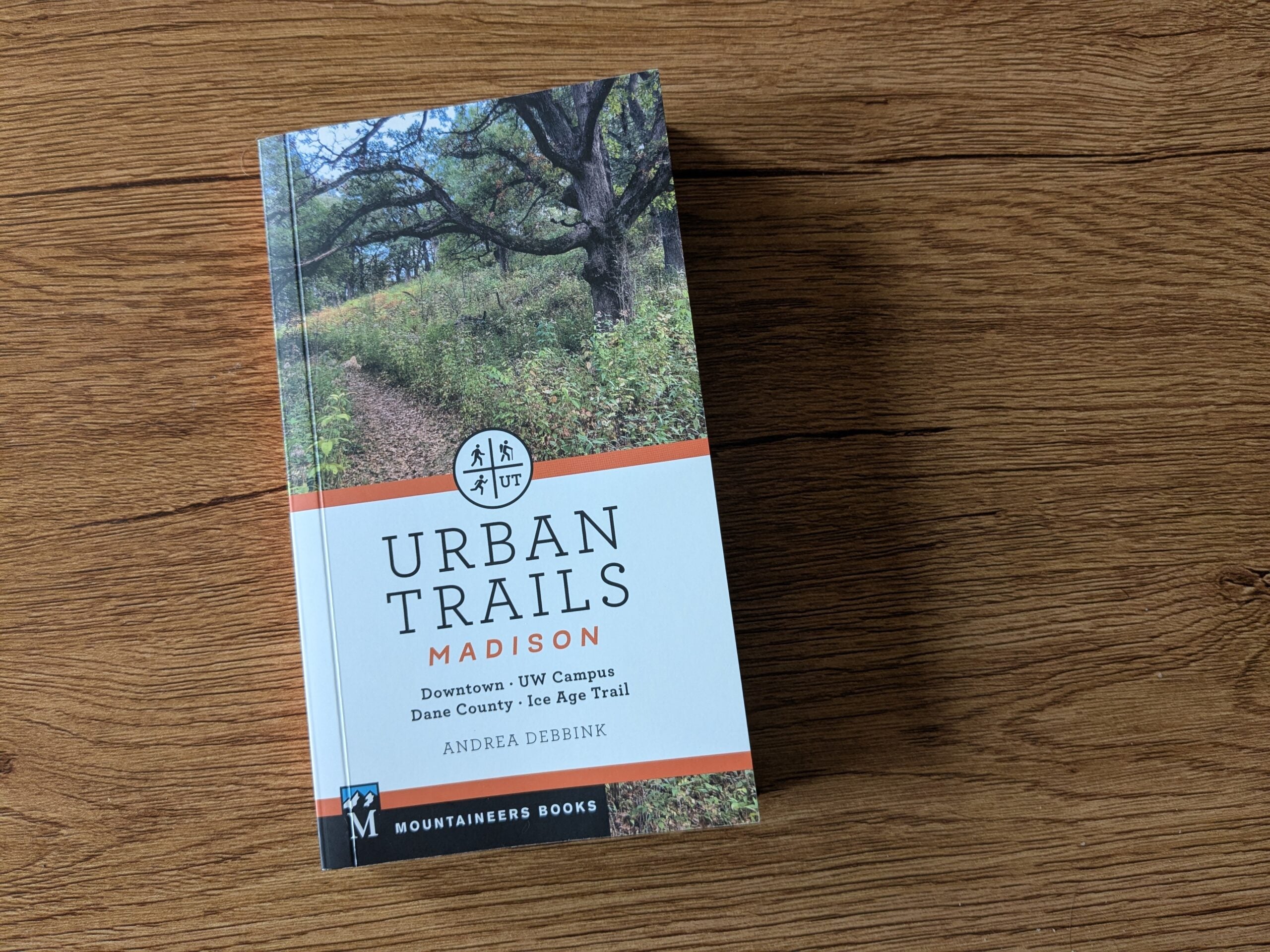
Now, she is out with a new guidebook, “Urban Trails: Madison,” which offers detailed route instructions for 40 local hiking spots and tips for explorers to get the most out of their time on the trails.
And Debbink’s book isn’t just for diehard hikers. Many of the routes outlined in the guidebook are family-friendly, with accessible paths and natural beauty to take in even at a short distance.
“The thing that I love about our parks here in Madison and the trails that I was researching is just how accessible they are — they’re really close to a lot of people’s everyday lives and everyday orbits,” Debbink said.
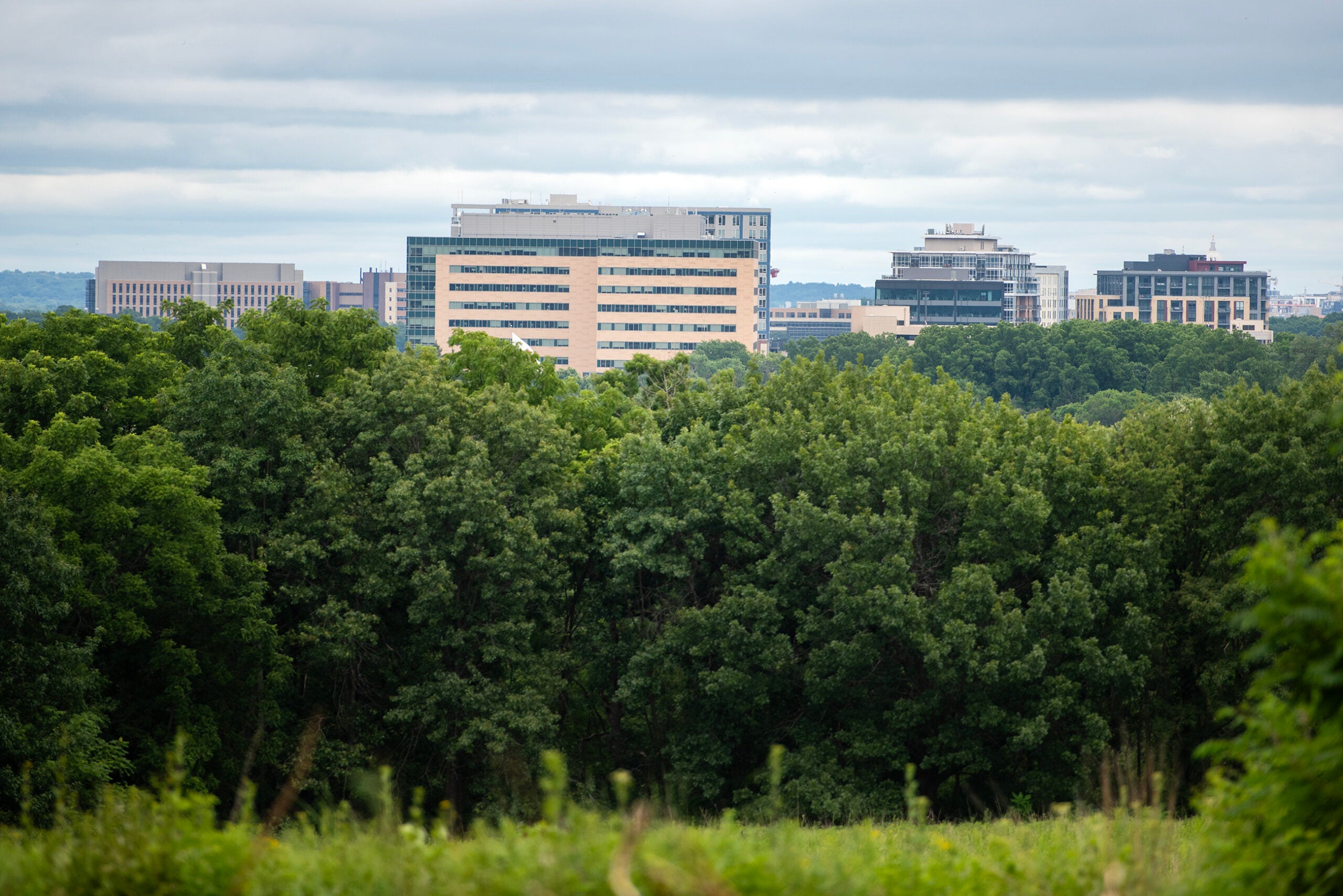
While researching the book last year, Debbink was struck by how few people were out on these local trails. Outdoor destinations like Devil’s Lake are routinely packed, but Wisconsin has lots of local parks and trails people might not be as familiar with that are less crowded.
“You don’t have to plan a big road trip to visit or block out a whole weekend to visit them. You could stop by after work or before work, or lunch break, or just part of a day on a Saturday,” she said. “It doesn’t take a huge commitment to still experience a lot of the beauty that’s here.”
While out on a nature walk with the “Wisconsin Today” crew, Debbink gave some tips for getting the most out of hitting the trail wherever you live.
Do some research before hitting the trail
When trying to find new areas to explore, some people look for the green spaces on a map and just head over. But Debbink recommends doing a bit of research before trekking into the unknown.
“I would say, if you’re doing that route, to find out the name of the place and then, honestly, just do a simple Google search,” she said. “You can usually find out: Is this a state natural area that offers hiking? Is it a county park? Is it a city park?”
From there, you can see if amenities like parking and restrooms are available and whether or not it’s OK to forage.
For even more information, Debbink suggests picking up a hiking guide. Guidebooks like “Urban Trails” and websites like AllTrails.com can offer additional information about a given hike’s distance, elevation gain and wheelchair accessibility.
Take in your surroundings by flower finding
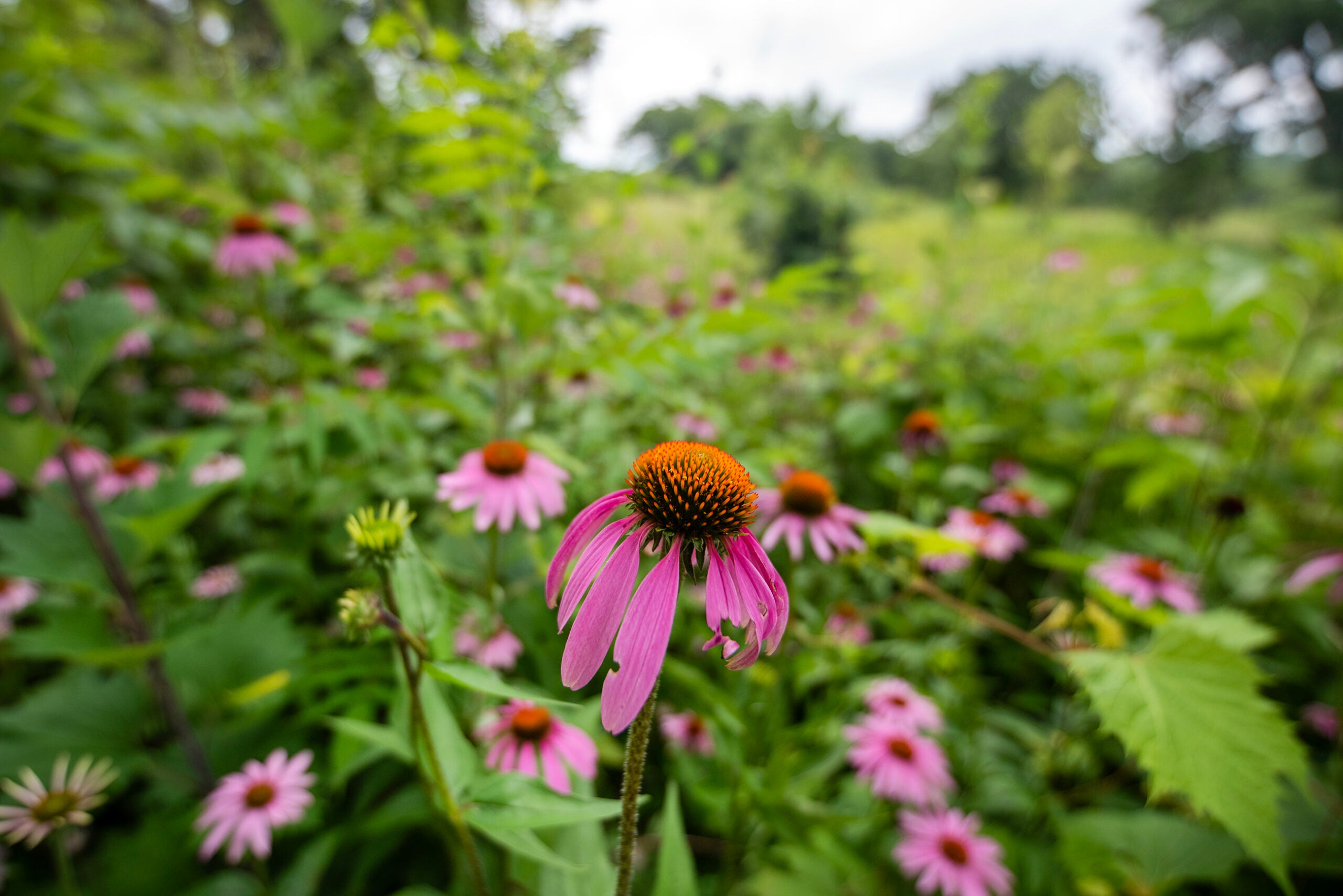
During a nature walk, it can be rewarding to do a little “treasure hunt” for plants and wildlife along the way. Debbink said she’s always on the lookout for flowers and birds because that’s what you’ll see — or hear — the most on Wisconsin trails.
For identifying flowers, Debbink recommends bringing along a guidebook sorted by color, like Stan Tekiela’s “Wildflowers of Wisconsin Field Guide.” That can help to narrow down what you are seeing.
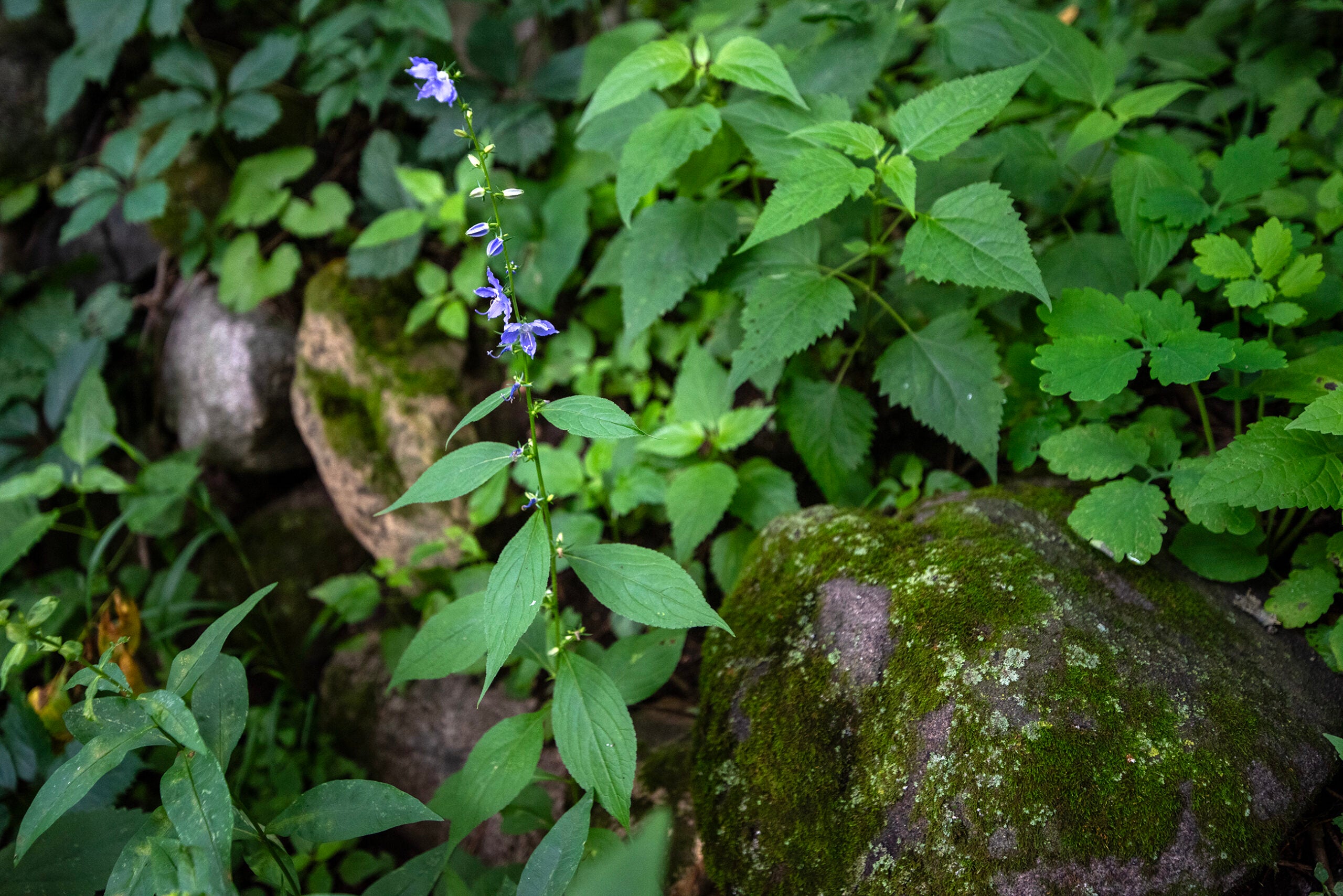
During her hike with “Wisconsin Today,” Debbink explained the difference between American and creeping bellflowers — with the former being a native plant and the latter being an invasive species that many people try to get rid of in their yards. She also spotted some bergamot, which gets its name from the bergamot citrus used in Earl Grey tea, and she invited the group to smell it.
“You never really know what you’re going to find, which is the cool part of it,” Debbink said.
When birding, listen and look up
If you’re looking to give birding a try, learning different bird calls is important because you will often hear birds before you see them. Debbink said she has been learning the call of indigo buntings and wood pewees.
But some birds, like turkeys and sandhill cranes, are large enough to spot without binoculars.
“I have learned to look up for turkeys, too,” Debbink said. “I had this experience at the UW Arboretum once walking near sunset. I just heard a rustle and looked up, and there was a group of turkeys really high in the trees above me.”
Observe trail etiquette
A good rule of thumb when hiking is to stay on the designated path and not try to forge new trails. It’s also important to avoid littering by bringing any garbage out with you.
“Anytime you go outdoors, whether you’re hiking or doing anything else, it’s important to just follow the principles of ‘leave no trace,’” Debbink said. “Even beyond that, I love the whole idea of ‘leave it better than you found it,’ which is also a popular ethic that people are starting to follow.”
One way to do that, she said, is to bring along a bag that you can use to collect garbage that others have left or that has blown in from nearby.
Don’t forget to check for ticks
Make sure no creatures accidentally come home with you by looking over yourself and everyone in your party for ticks, which can carry serious disease.
“Anytime you’re outside, I would definitely check afterwards to make sure you’re not bringing how many stowaways,” Debbink said.
Return to observe the changing seasons
During the hike at Owen Conservation Park, Debbink noticed new flowers in bloom from the last time she’d visited the park just a week and a half before.
“Things are just growing like crazy — the plants are so tall you can hardly see over them,” she said. “If you come back in the fall, come back in the winter, it’s a totally different landscape. So you always see something new.”
While many people enjoy hiking in the warmer summer temps, Debbink said it’s worthwhile to give winter hiking a try.
“I’m a summer person; I love summer. But I’ve discovered winter has its beauty, too,” she said. “I think getting outdoors, no matter the weather and no matter the season, helps your mental health and your emotional well-being.”
Debbink recalled going on a hike with her husband in Madison School Forest on a winter day when the windchill was 30 below zero.
“Literally no one else was out there, but it was still a really beautiful sight because it had snowed recently,” she said. “Just to get out in the sun and see the snow was definitely worth it.”