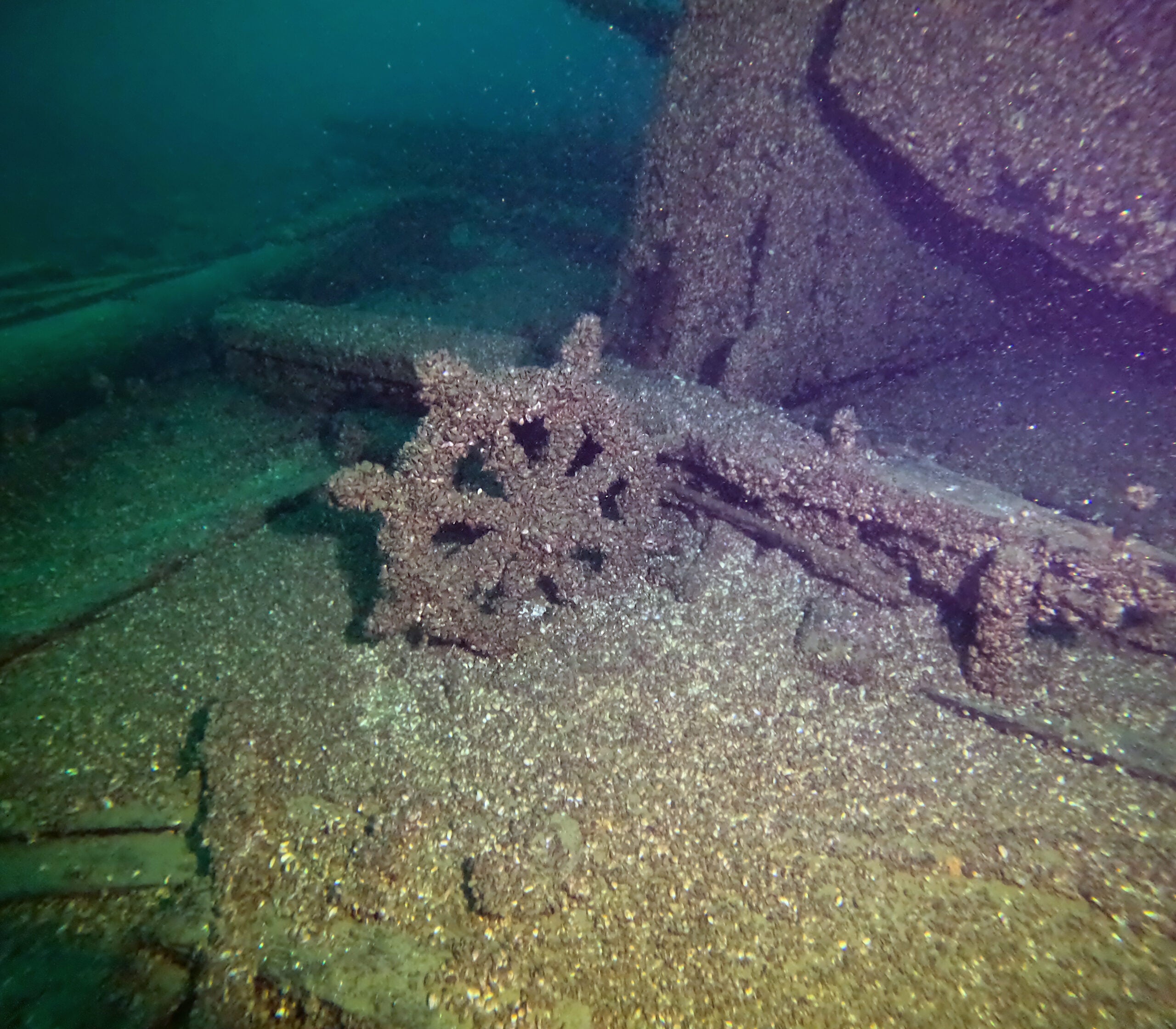
The Wisconsin Underwater Archeology Association is a scrappy and varied bunch.
For $20 a year, anyone can join. Some members are students. Some are retirees. And others are just fascinated by everything to do with history and with Wisconsin’s waterways.
This summer, the group came across something no one else was able to discover, despite decades of looking.
News with a little more humanity
WPR’s “Wisconsin Today” newsletter keeps you connected to the state you love without feeling overwhelmed. No paywall. No agenda. No corporate filter.
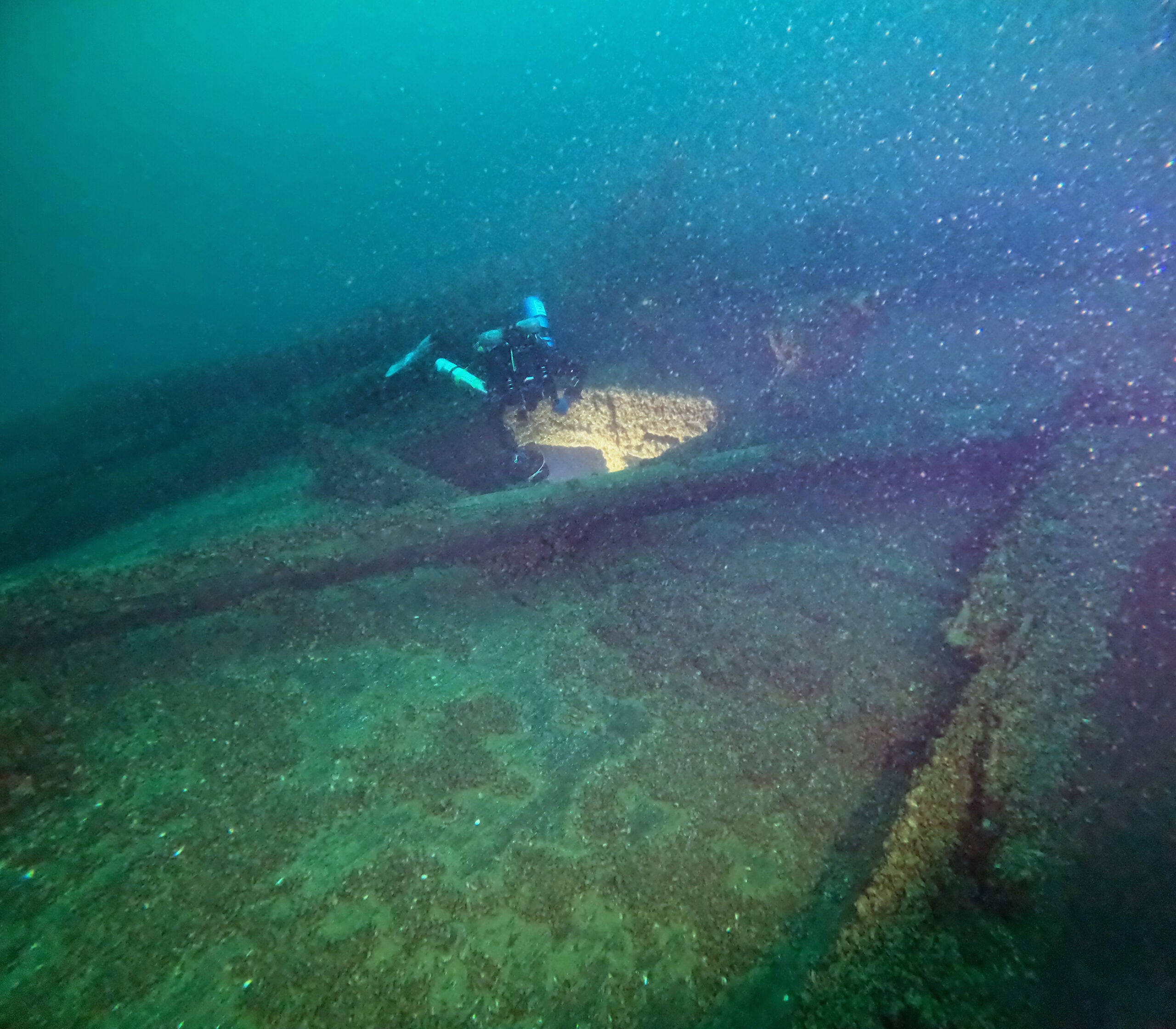
After renting a tour boat, the Wisconsin Underwater Archeology Association discovered the wreckage of the F.J. King. That cargo schooner sank on Sept. 15, 1886 — exactly 139 years ago as of Monday.
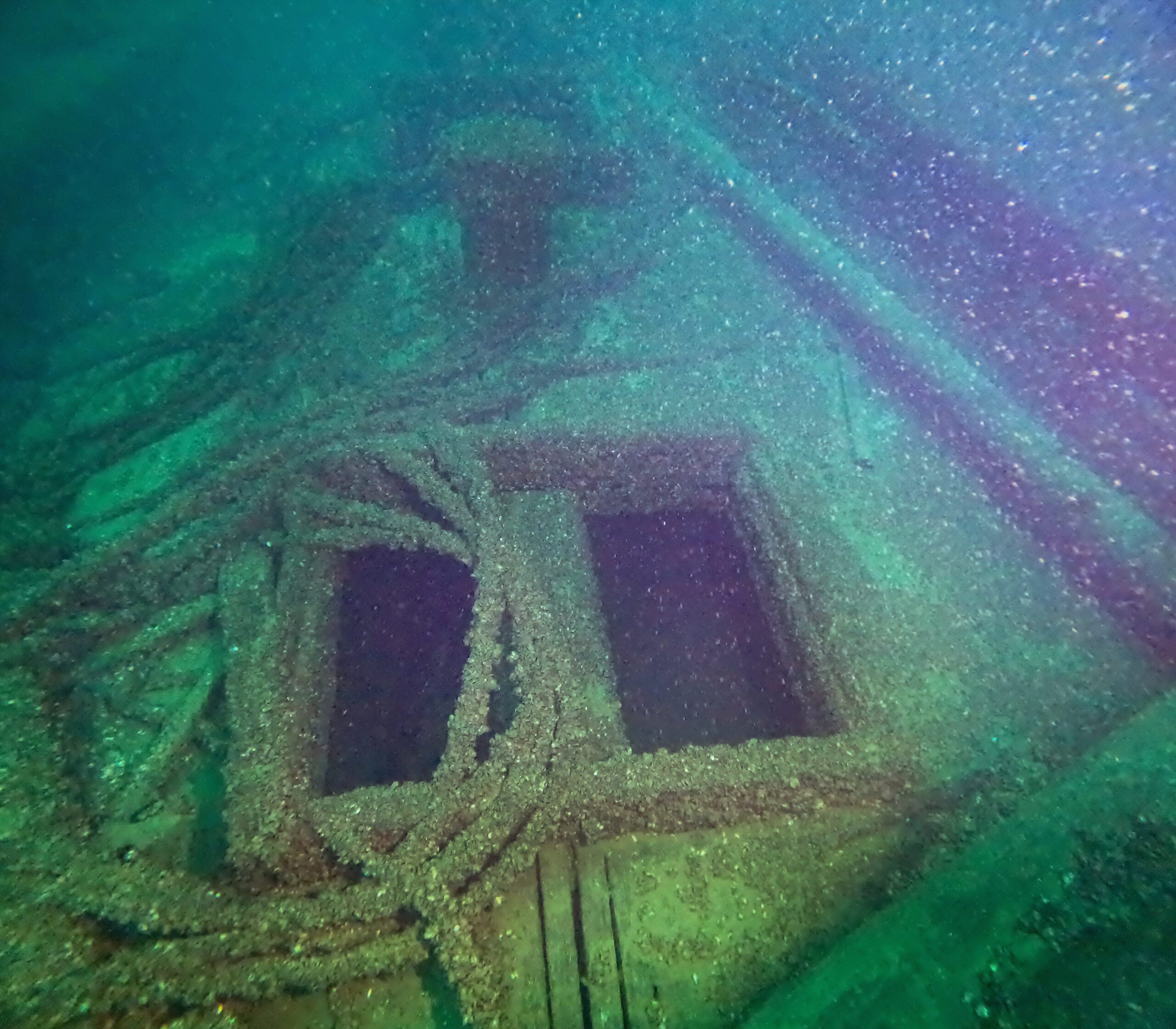
“It was hiding in plain sight,” said Brendon Baillod, the WUAA’s principal investigator. “Keep in mind, this ship was something of a ghost ship. We didn’t expect to find it.”
The F.J. King went down near Baileys Harbor after running into gale force winds. For years, commercial fishermen have claimed to have ensnared parts of the F.J. King in their nets.
But now, Baillod is skeptical of some prior accounts. For more than a century, it seems, searchers were miles off when they tried to guess the F.J. King’s location.
Baillod says that’s probably because they were relying on a description provided by the ship’s captain.
“But, you know, he couldn’t have known, because it was was pitch black out, right?” Baillod said of the captain’s view when the ship sank.
Baillod said he spent months reading hundreds of newspaper articles about the disaster. Recently, Baillod came across an article from 1886, featuring an account from a man named William Sanderson, who ran a lighthouse on Lake Michigan’s Cana Island. According to that article, Sanderson reported seeing the ship’s mast poking through the top of the waves, in a spot that was closer to shore than what the captain had described.
This year, 20 members of the Underwater Archeology Association decided to charter a boat. They chose a ship called “The Shoreline,” which is typically used by the Friends of Plum and Pilot Island for scenic tours.
Participating in the expedition was free, but members had the option to donate to help cover gas. It cost the association about $1,000 a day to rent the boat, Baillod said.
“We didn’t make money,” Baillod said. “We lost quite a bit of money.”
The idea, Baillod said, was to turn the trip into a “citizens science project” so members of the public could learn what it’s like to plumb the depths of Lake Michigan.
The citizen scientists first took the boat out on July 28 and started searching in a systematic way, charting a 2-by-2-mile grid around the spot pinpointed by the lighthouse keeper.
They fully expected to find nothing.
“It was, ‘Let’s rule out the lighthouse keeper’s account,”‘ Baillod said of the group’s thought process. “If we can rule that out, then we can go talk to the commercial fisherman again.”
But, after about two hours on the water, the group noticed something unmistakable on their sonar. It was the remains of a 144-foot long ship.
“A big holler went up, and it was no doubt that it was the F.J. King,” Baillod said. “I mean, we were pinching ourselves.”
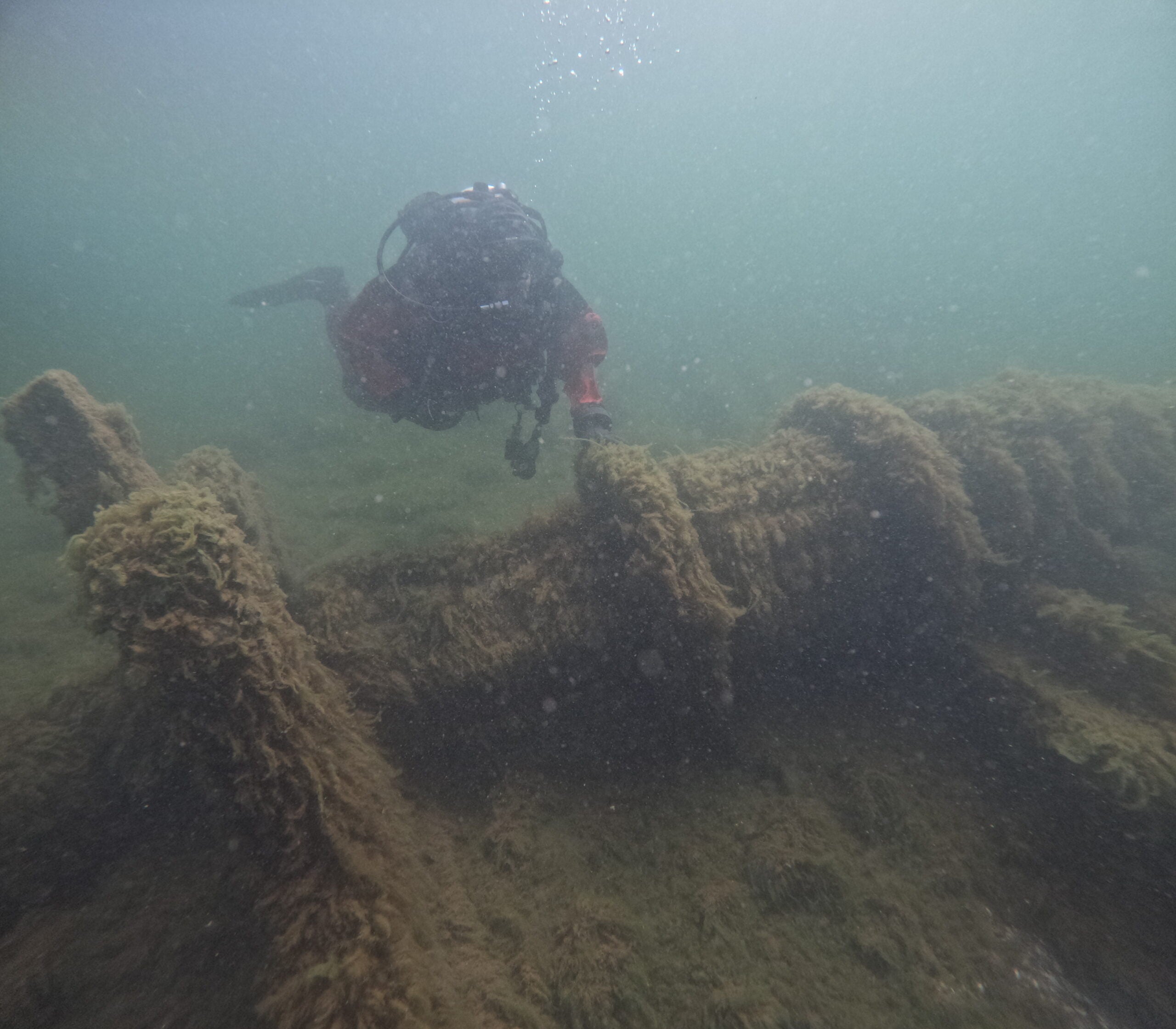
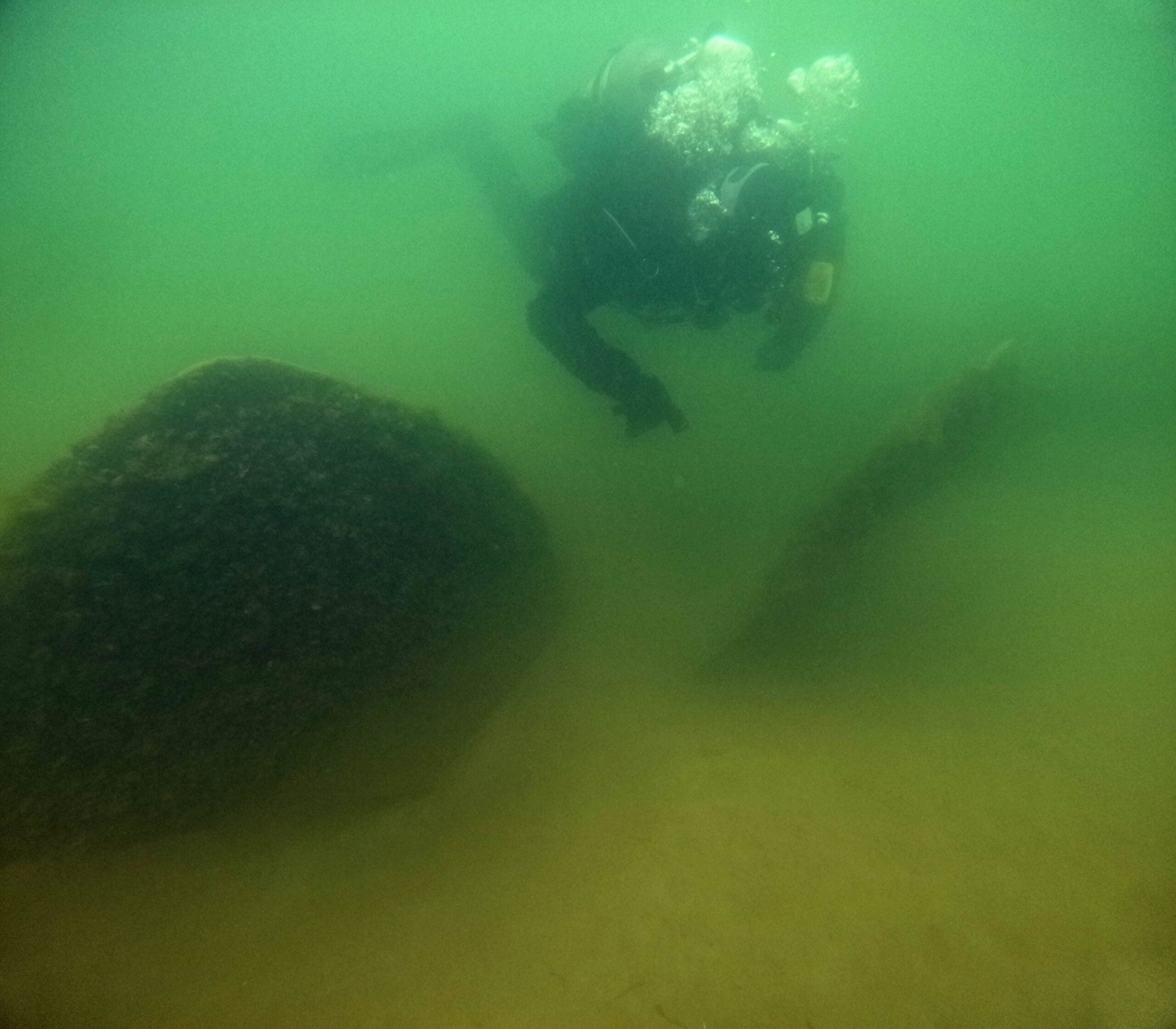
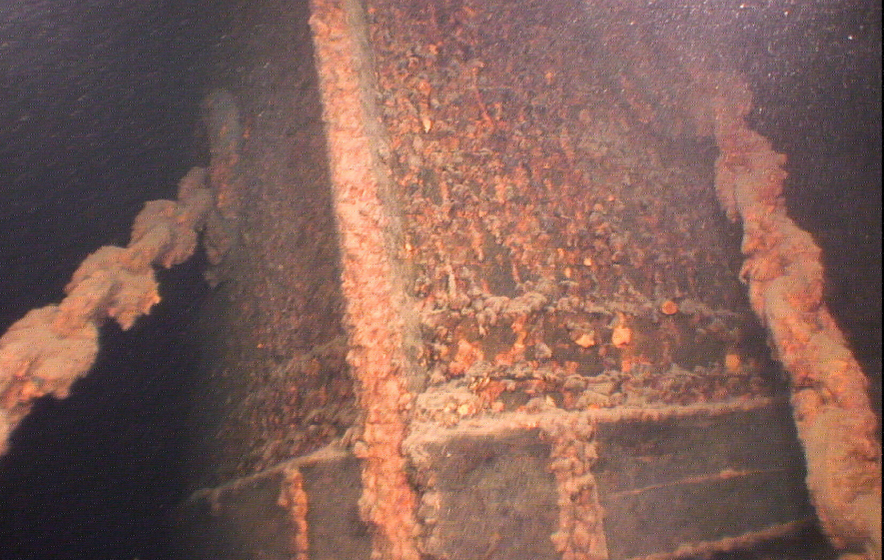
Shortly after, the group sent devices known as remote operated vehicles down into the water to capture more detailed images of the shipwreck.
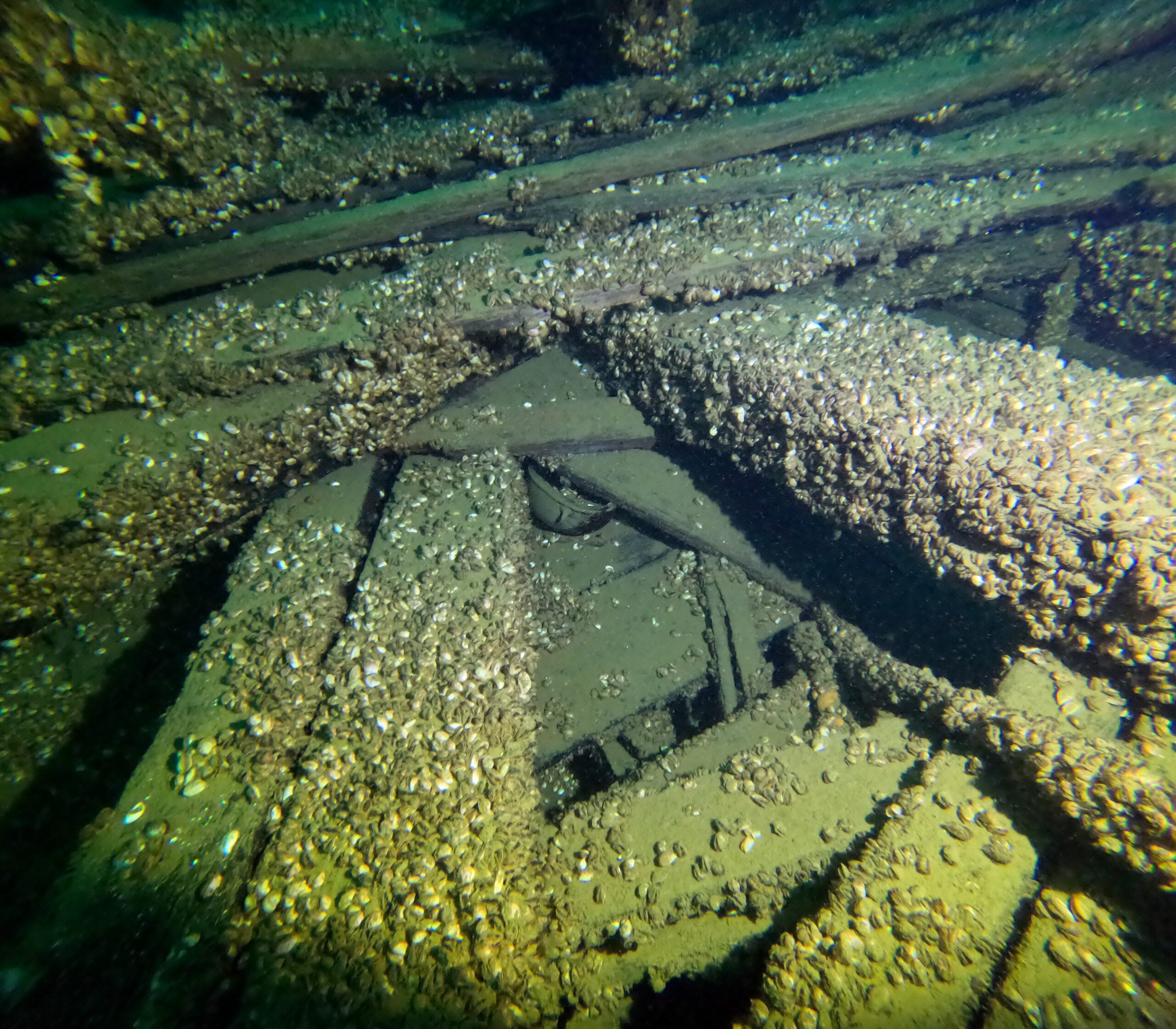
Even though no one died when the F.J. King sank, Baillod was spooked by the sight.
“It’s almost in a way like looking into a grave, seeing the ship down there broken on the bottom,” Baillod said.
He couldn’t help but imagine what the crew went through when they were forced to abandon their vessel in the middle of the night. The ship sank while the men were on their way from Escanaba, Michigan to drop off iron ore in Chicago.
“The ship literally blew apart as it sank in front of them,” Baillod said. “You know, the iron ore slammed forward, and all the air rushing backward blew the stern right off the boat.”
The association reported its findings to the Wisconsin Historical Society. For more than two months, members kept the discovery secret from the public. During that time, the Historical Society sent divers to scope out the wreck and worked to create a 3D photogrammetry model.
“We all had to sit there with our lips (and) with our mouths shut,” Baillod said. “We all wanted to talk, but part of the reason we didn’t is because there’s a lot of local interest in it.”
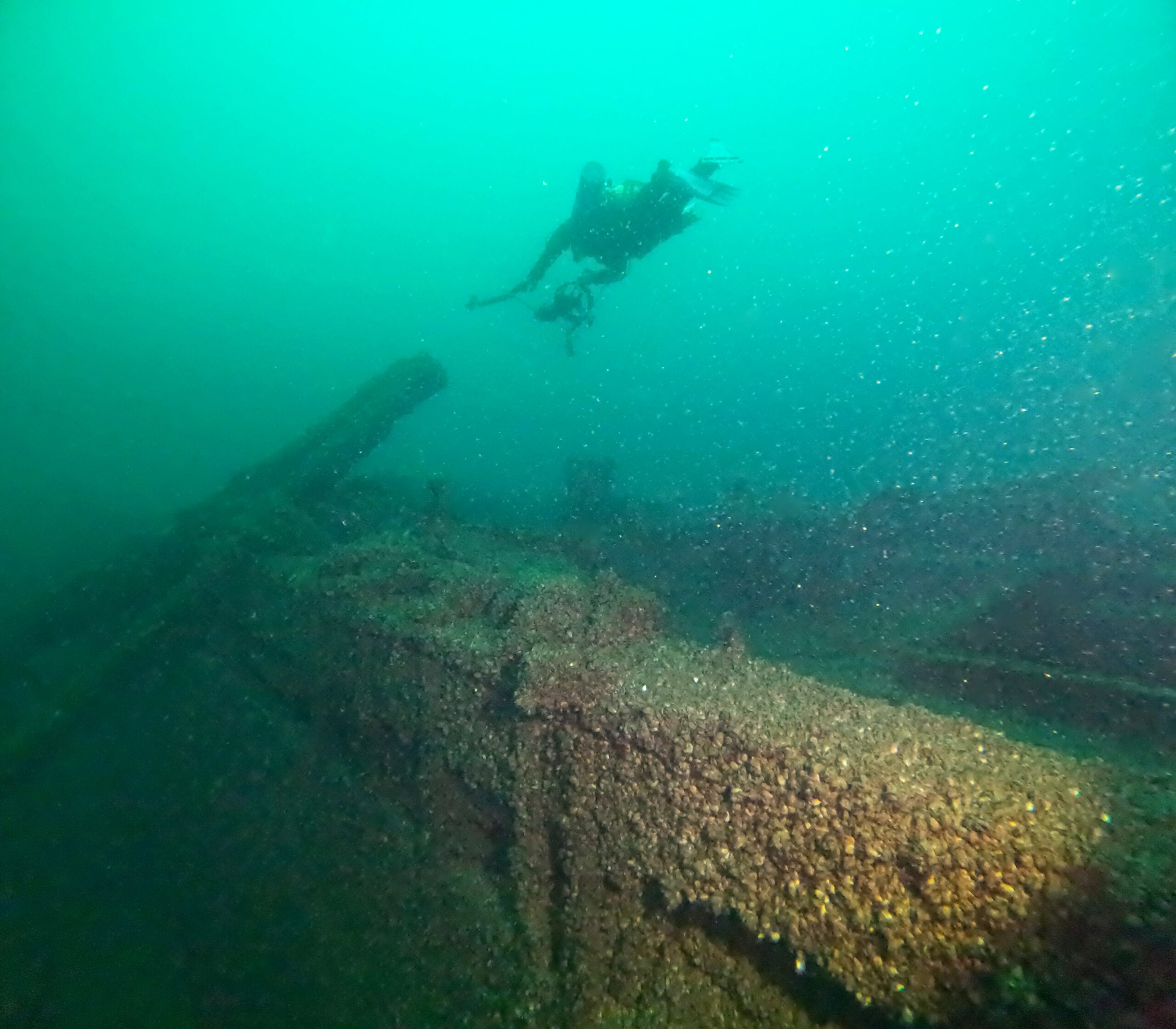
Going forward, the Historical Society plans to nominate the wreck for inclusion on the State and National Registers of Historic Places. In the meantime, archeologists say the site is protected by state and federal laws, and warn it’s a crime to take or damage the artifacts.
The F.J. King is the fifth shipwreck that’s been discovered by Baillod and his group in recent years.
And they already have goals for next summer, when they plan to charter the The Shoreline once again.
“We’re going to take the public out again and test our luck one more time,” Baillod said.

Wisconsin Public Radio, © Copyright 2026, Board of Regents of the University of Wisconsin System and Wisconsin Educational Communications Board.