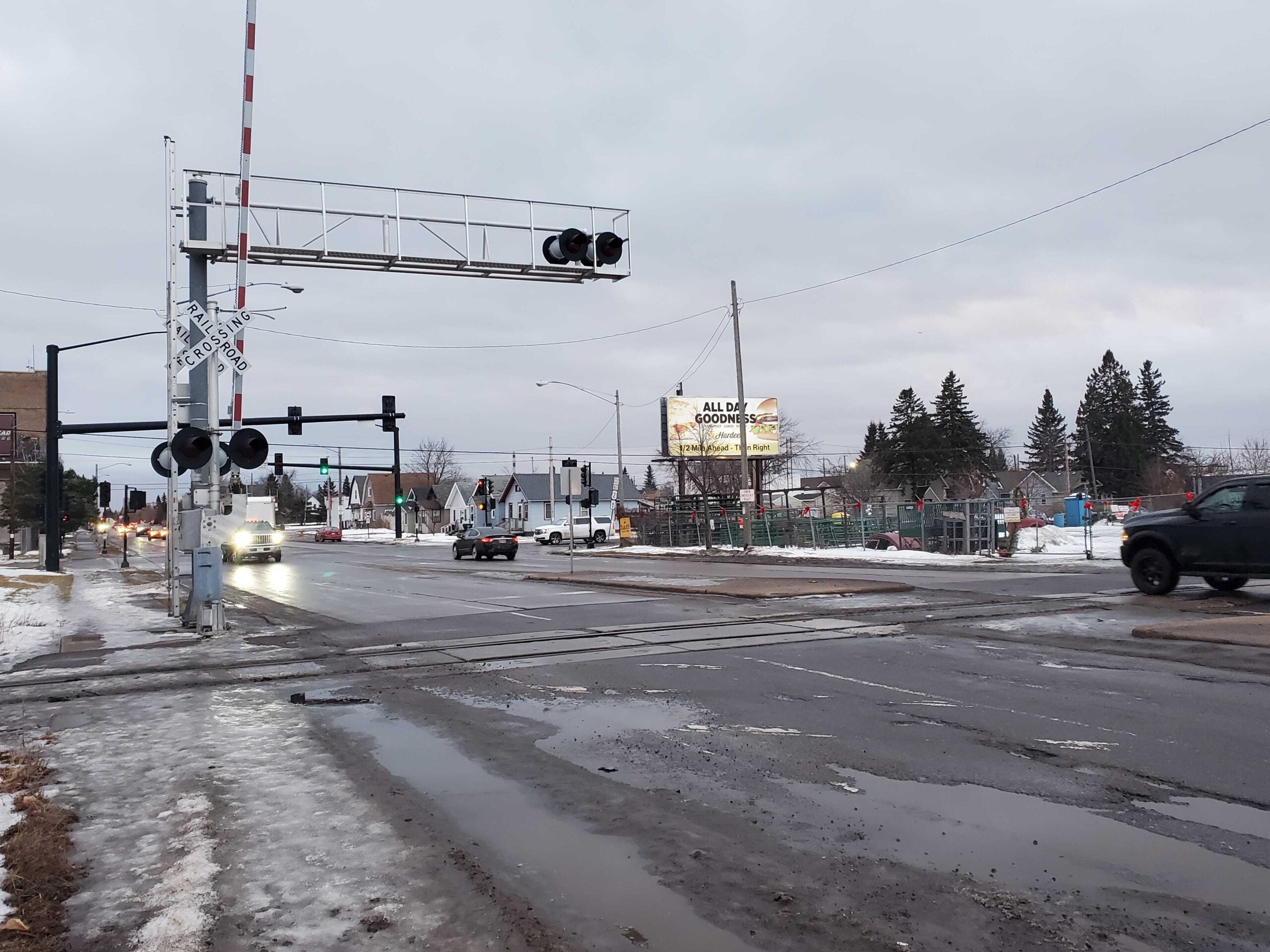
Everyone knows to stop at a rail crossing, but when it’s time to cross the tracks, you don’t want those rails stopping you — or sending your vehicle to the shop for a new suspension system. One crossing in Superior that’s notorious for putting shock absorbers to the test is on Hammond Avenue near Winter Street. Drivers posting widely on social media say they’ve complained to various entities to no avail, and aren’t sure who exactly is responsible.
“In the case of Hammond Avenue, this is a two-track crossing,” said Don Vruwink, Wisconsin’s commissioner of railroads. “The southern track is owned by the Soo Railroad, and the northern track is owned by the Union Pacific.”
One of many “rough crossings” across the state — including another nearby on Catlin Avenue — the site is slated for repair but may be complicated by the Blatnik Bridge reconstruction project. Vruwink spoke with WPR’s Robin Washington on “Morning Edition” about temporary and permanent repairs of the crossing, which are also subject to weather conditions.
News with a little more humanity
WPR’s “Wisconsin Today” newsletter keeps you connected to the state you love without feeling overwhelmed. No paywall. No agenda. No corporate filter.
The following interview has been edited for brevity and clarity.
Robin Washington: You’re in Madison, but are you familiar with this one?
Don Vruwink: We’ve had our investigators up there. One of the problems is at this time of year, you can’t fix the crossing. Crossings need to be fixed when the frost is out of the ground. You can do some temporary repairs.
RW: There are signs at the tracks with a number to call.
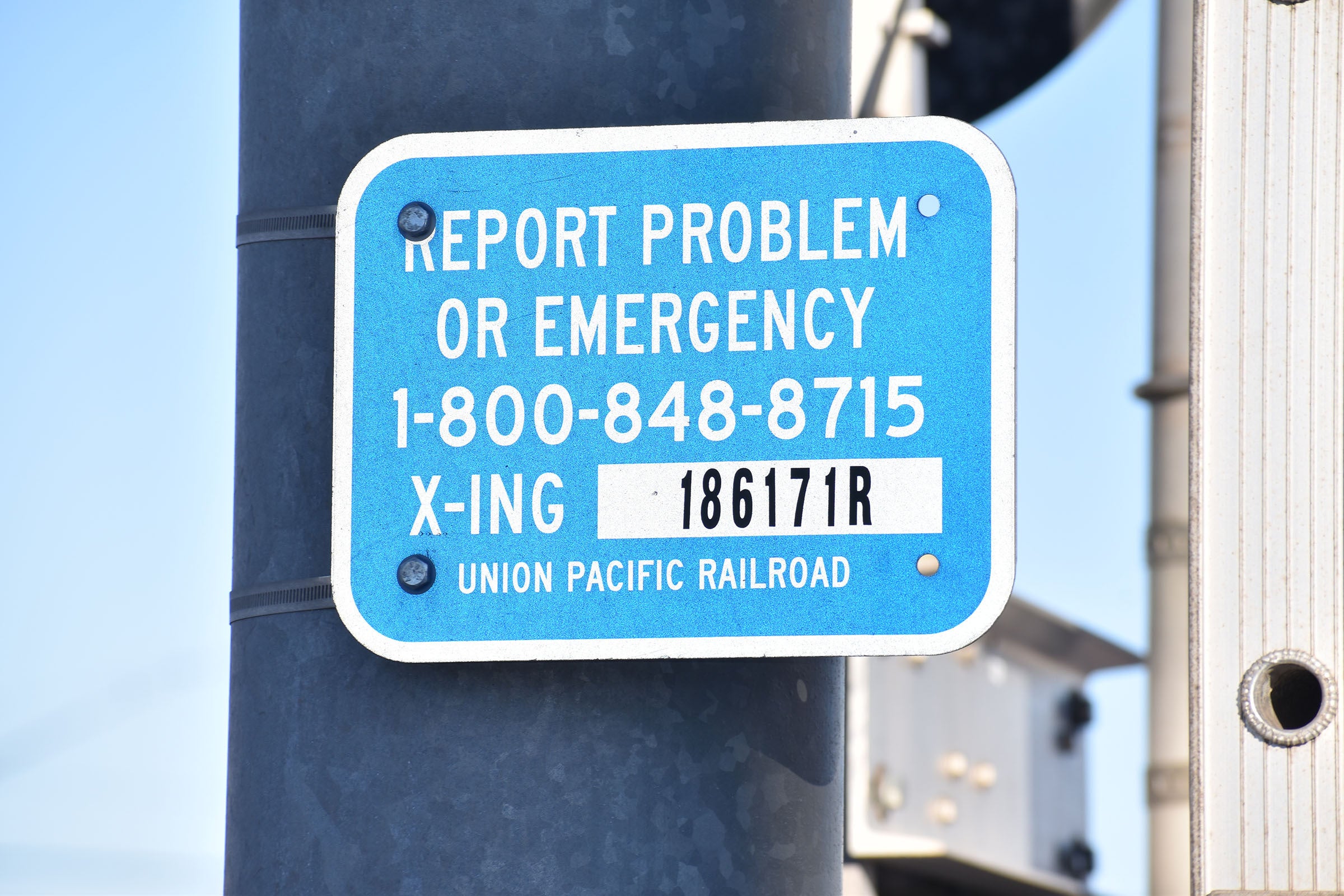
DV: Every crossing has a number. There’s a blue sign on each, and you can call the number on that sign, which is the number for the railroad. But in the rough crossing process, the responsibility goes to the highway authority or to the municipality where the crossing is located. In this case, it would be the city of Superior, so you would be best to contact the city first and they can contact the railroad.
If after 30 days the City of Superior tells us they’ve contacted the railroad and they haven’t gotten a response, then we can get involved with a formal hearing. We’ve been contacted by people from up in your area.
RW: If the tracks are shared, who’s responsible?
DV: When you have two railroads involved, it’s best for them to work together. Because if you fix one track, well, then it’s probably going to cause problems with the other track. A complaint we received about the crossing on Catlin Avenue involves three different railroads.
RW: How long should it take for them to address it?
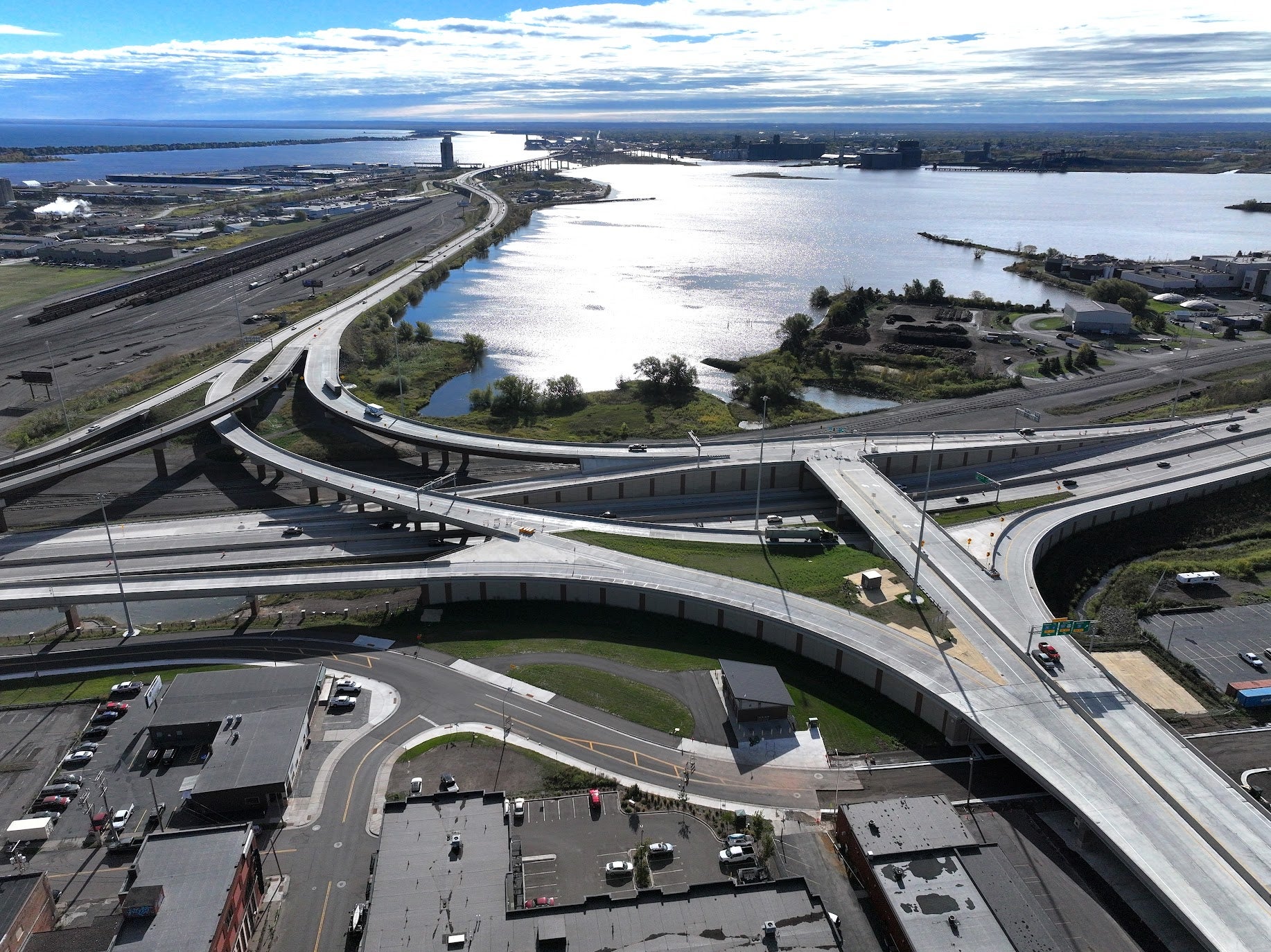
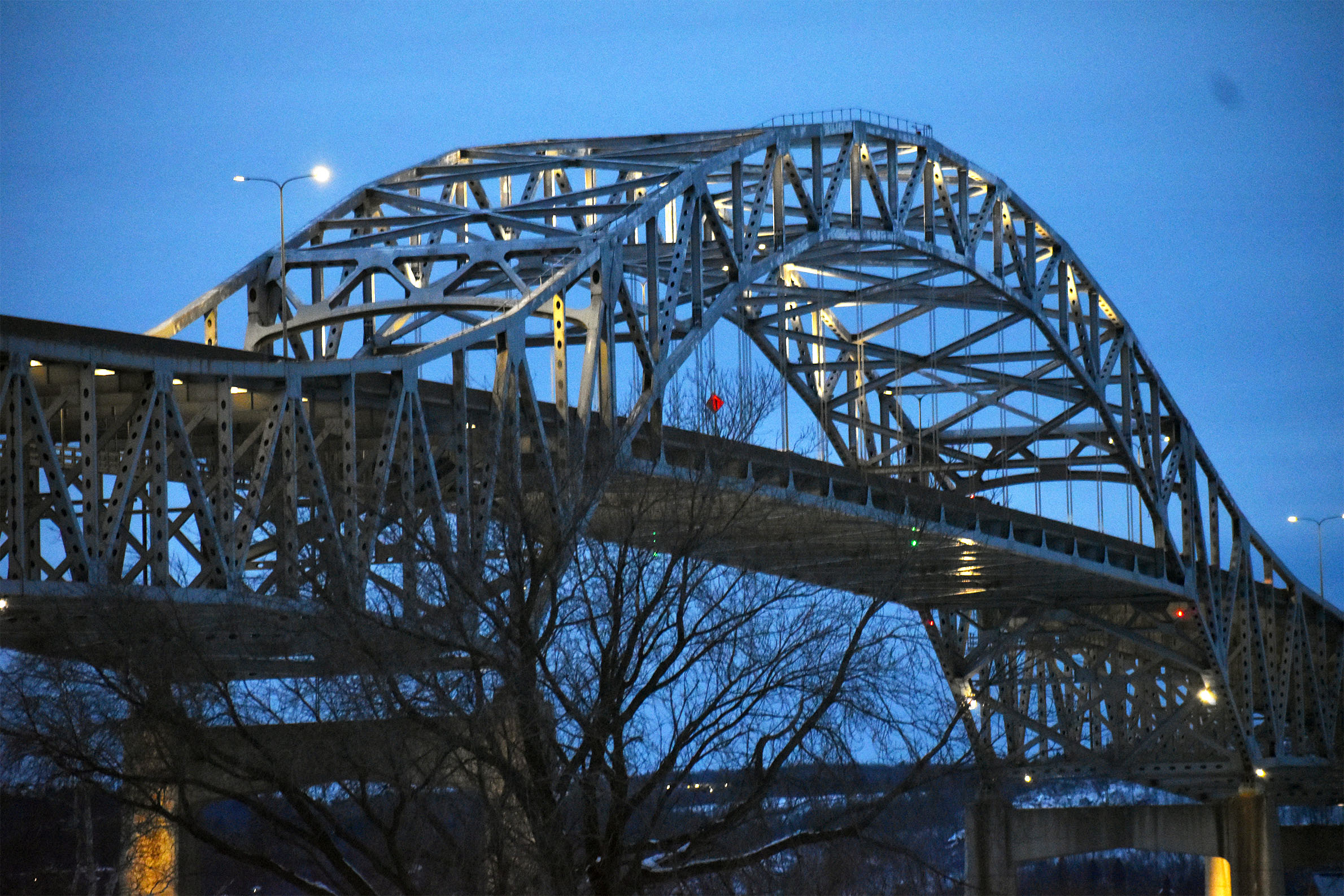
DV: They may make a temporary fix until the weather changes. What makes this a little bit trickier is that with the Blatnik Bridge replacement, we’re not sure yet if this crossing is going to be part of that federal project. We might ask them to just do a temporary fix because there will be a major fix when the project is done with federal dollars.
RW: So if the federal funding is really great, you could create a subway! Can we check back with you again in April?
DV: Yes. Orders are being written for the bridge project. Once those are complete, we will have a better answer for you.
If you have an idea about something in northern Wisconsin you think we should talk about on Morning Edition — including an opposing view on this subject — send it to us at northern@wpr.org.