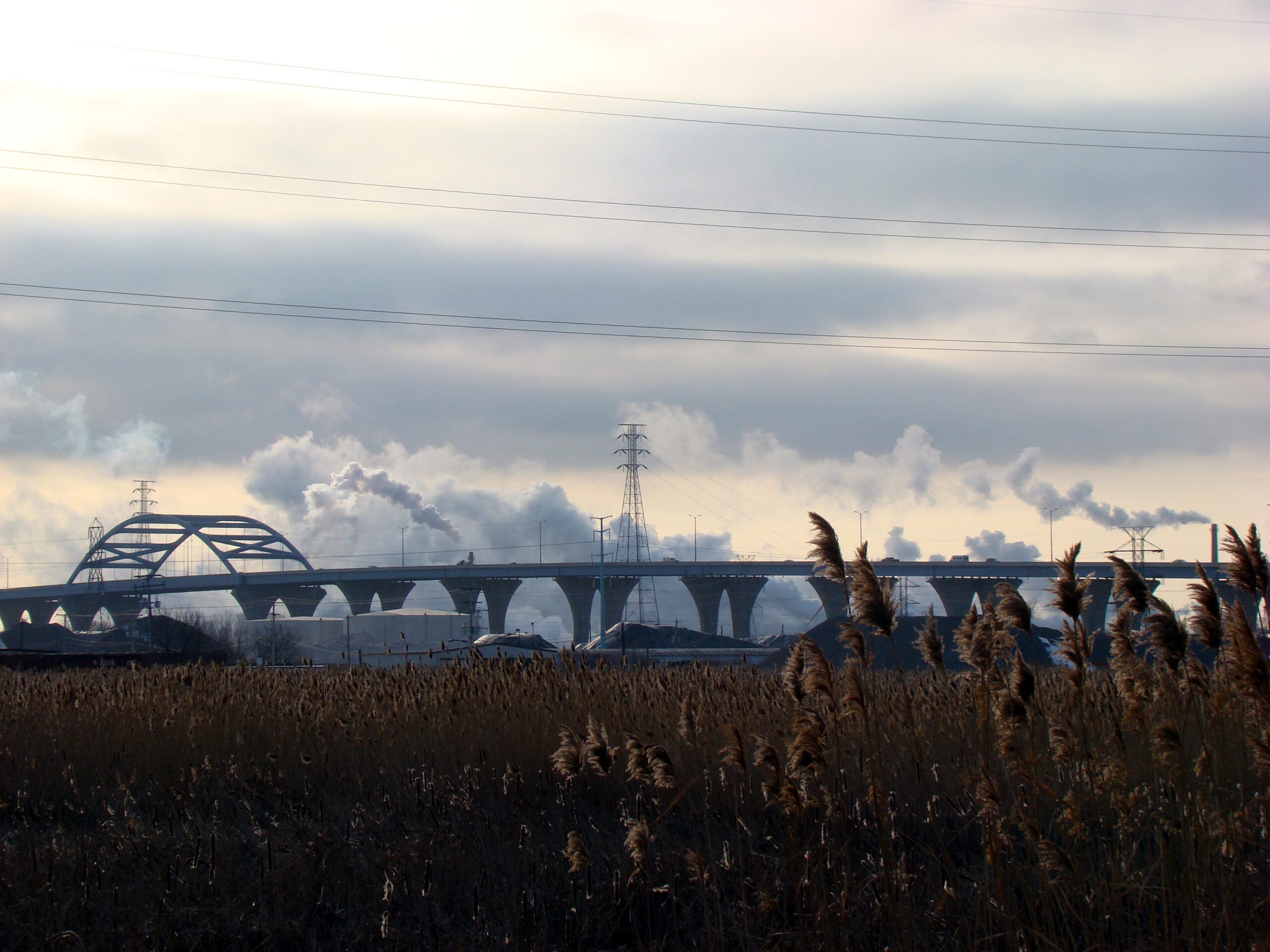
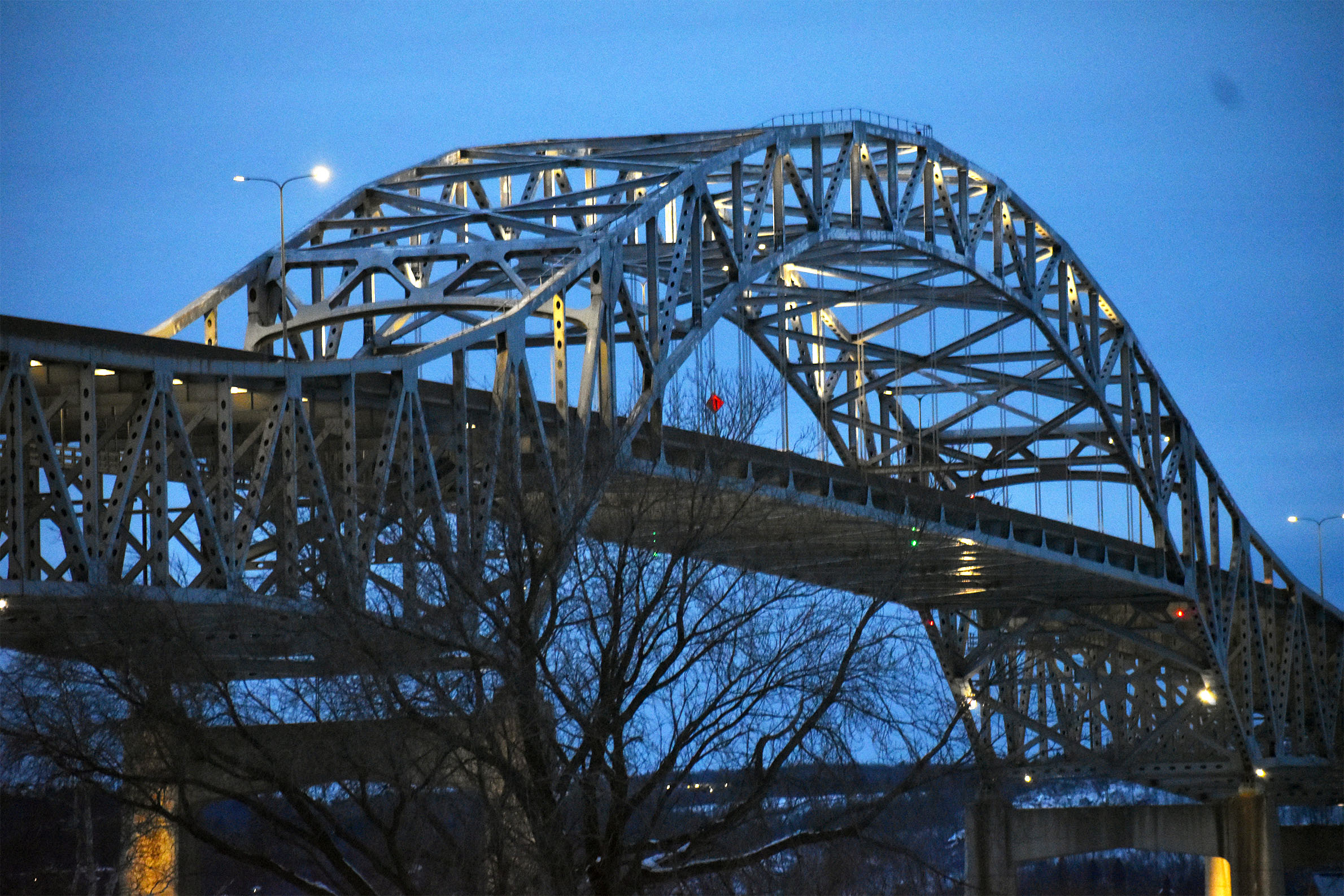
The $1.8 billion replacement of the Blatnik Bridge between Superior and Duluth comes as the 64-year-old bridge reaches the end of its lifespan.
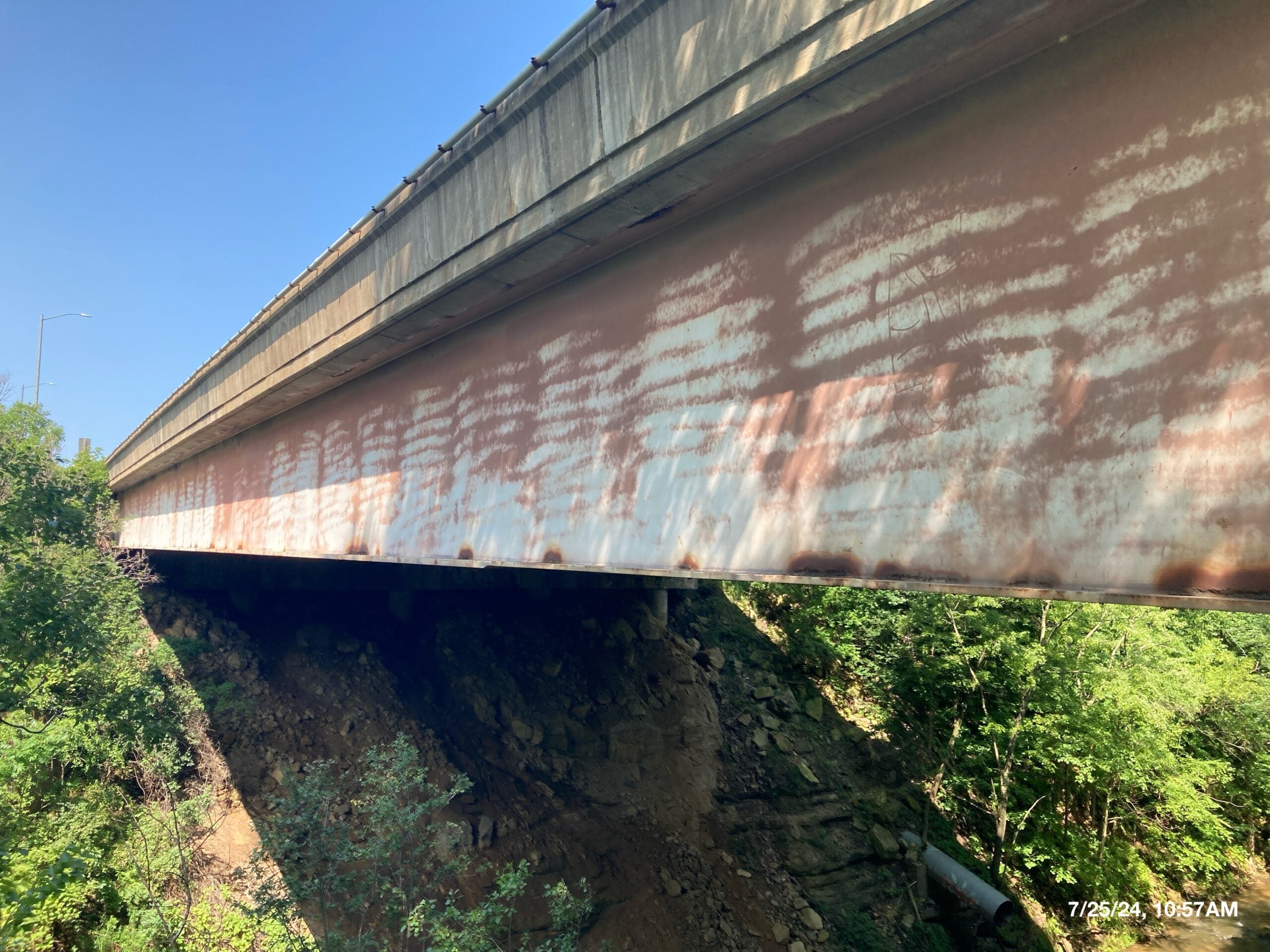
A term long used by transportation engineers referring to bridges in need of repair or replacement is structurally deficient. While the designation might sound alarming, it’s actually fairly common, applied to nearly 1,000 of the state’s 14,498 bridges, as well as more than 40,000 nationwide.
“The term is a little unfortunate in that it implies that there’s more danger or more risk than there actually is,” said Josh Dietsche, the Bureau of Structures director for the Wisconsin Department of Transportation. “There are maintenance and rehabilitation activities planned as appropriate. We make sure that we are taking action well before it’s needed.”
News with a little more humanity
WPR’s “Wisconsin Today” newsletter keeps you connected to the state you love without feeling overwhelmed. No paywall. No agenda. No corporate filter.
Dietsche spoke with WPR’s Robin Washington on “Morning Edition” about the agency’s bridge inspection, repair and replacement program.
The following interview has been edited for clarity and brevity.
Robin Washington: What does structurally deficient actually mean?
Josh Dietsche: The term is no longer used at a federal or state level. But basically, what it refers to is bridges that do have some deterioration or something wrong with them. We might refer to them now as being in poor condition and that we’re tracking them. That’s really the important thing. They haven’t gone unnoticed. We inspect bridges on a regular basis, at least a two-year cycle, and are taking action as needed.
RW: I see the term is still showing up in some industry press releases from this year. Are they safe to drive on?
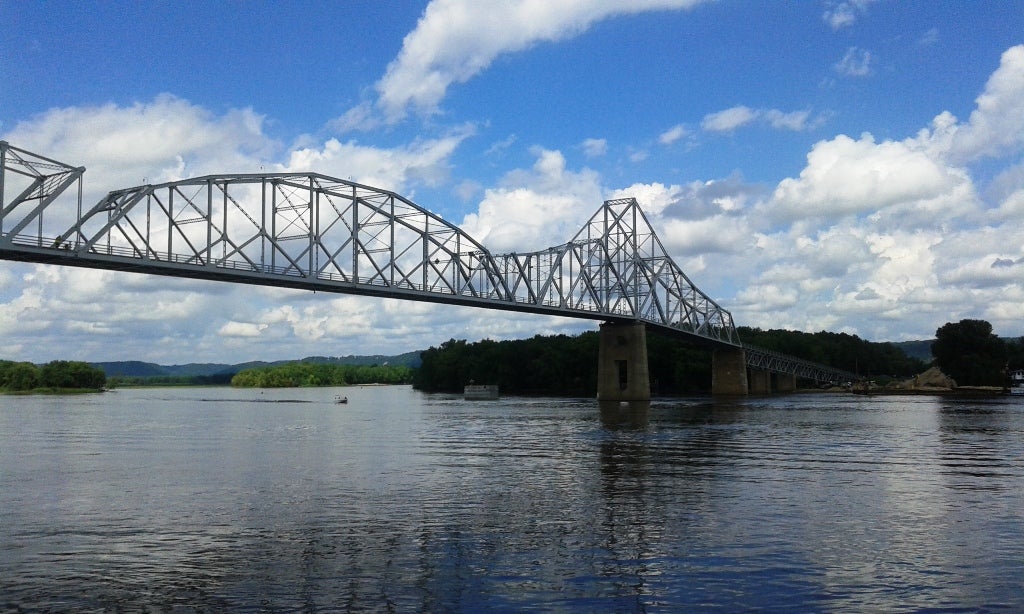
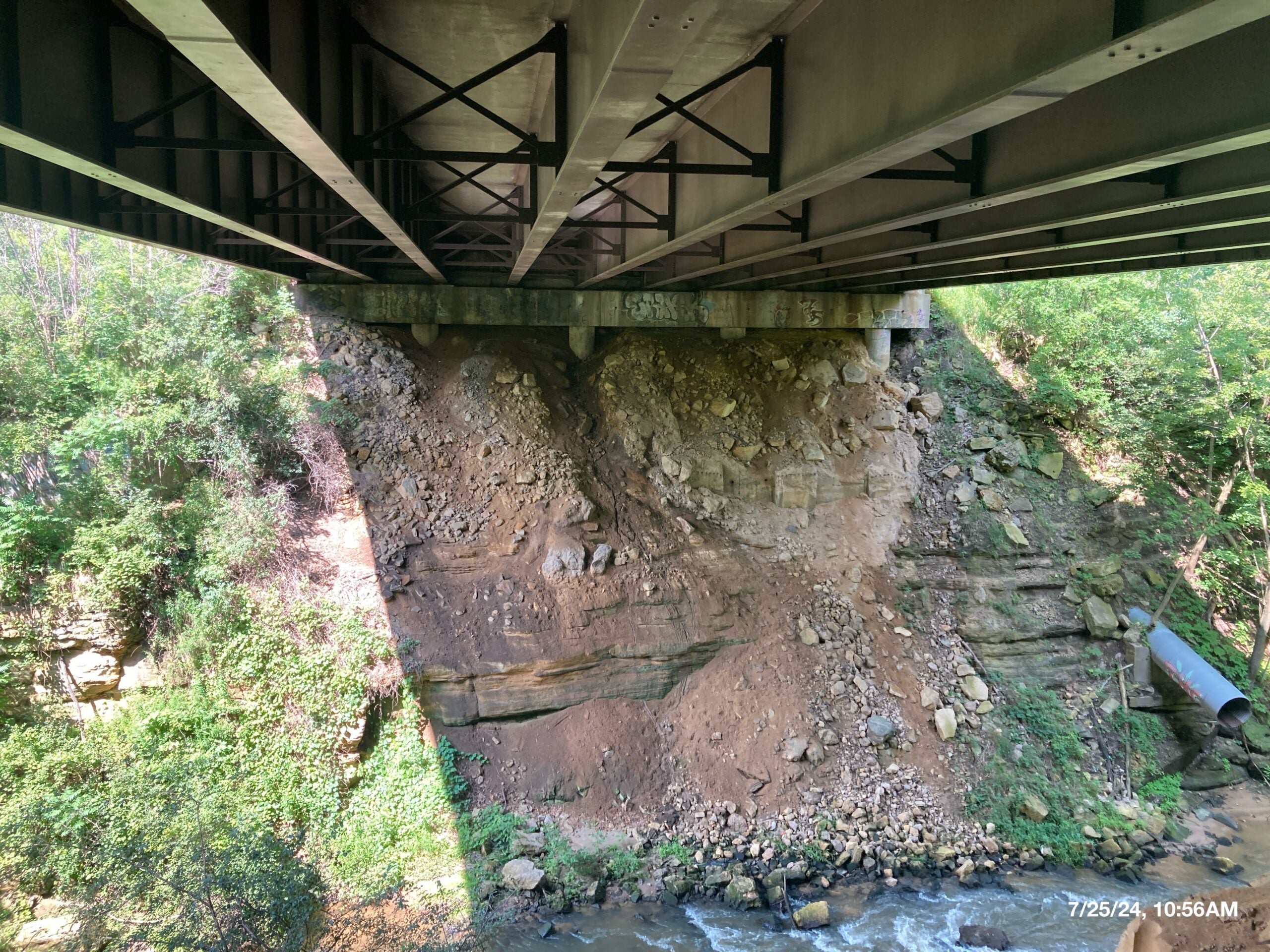
JD: They absolutely are. If there are bridges out there that are open to the public, you can feel safe driving over them because they are inspected on a regular basis. And the time comes in every bridge’s life to be replaced. The Otter Creek Bridge in Eau Claire County is nearing the end of its life. That one is due to be replaced in 2028.
RW: You’re speaking of the bridge of U.S. Highway 12 over Otter Creek near the Highway 53 interchange. You had a public hearing on it last April. What are you seeking from the public?
JD: We have those public hearings to get input from the community on various aspects of the project — not necessarily the structural aspects of how the bridge is going to be rebuilt, but what the repair process might look like, what the detours might be, things of that nature.
RW: Your department has statistics on bridges with low traffic volume and high. May I assume that the ones with more traffic are higher priority?
JD: In general, yes. We certainly take every bridge seriously and they are inspected according to the same standards whether there’s 100 cars traveling over it every day or 10,000. But those bridges on U.S. highways and interstates that see more traffic take more planning for rehabilitation and eventual replacement. So yes, they definitely are a priority for us.
RW: State Sen. Romaine Quinn, R-Birchwood, stumbled on a little quirk in the law that says something that might look like a bridge under a certain number of feet isn’t considered a bridge. Is that right?
JD: Believe it or not, the definition of a bridge is defined as being a span of 20 feet or greater. So anything under 20 feet may look like a bridge, but as it’s defined by the state, it doesn’t qualify as a bridge. They’re not inspected on the same cycle. And when you get to funding, it’s the same thing; it may have to fit into a different spot. We’re actually going through a process right now to inventory and inspect those structures on the local system.
Those smaller structures still do deteriorate, though if something does happen, it’s not going to be the kind of catastrophic failure that there might be of something larger.
RW: One of the worst cases was the Interstate 35W bridge collapse in Minneapolis in 2007. What’s the best case?
JD: That was certainly an unfortunate and tragic example of when something does go wrong.
The success stories are when you don’t hear about anything. You drive over them each and every day, and often with the smaller bridges you might not even know you’re driving over it. That’s really what we’re looking to achieve: No news is good news in the life of a bridge engineer.
If you have an idea about something in northern Wisconsin you think we should talk about on Morning Edition, send it to us at northern@wpr.org.
Editor’s note: This story was corrected on Friday, Sept. 19 to reflect that the Blatnik Bridge is 64 years old.