A shift in the Trump administration’s stance toward Afghan refugees has shaken members of Wisconsin’s Afghan community, following months of renewed uncertainty about their status in the United States.
And some say they fear being scapegoated for the actions of one man — an Afghan national who has been charged in the ambush-style shooting of two National Guard members last week.
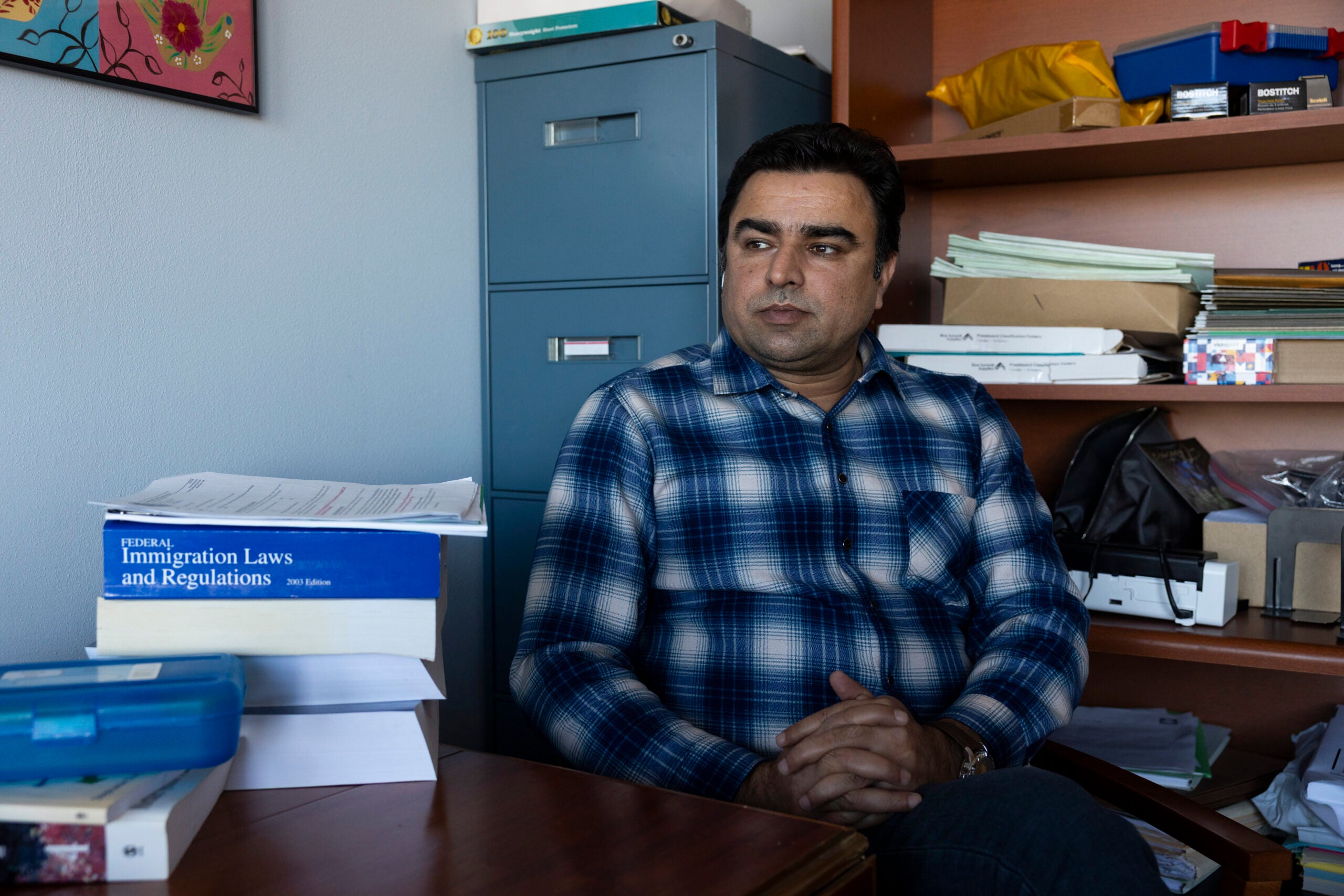
“No community is responsible for an individual’s act,” said Najib Azad, a lawyer and lecturer at the University of Wisconsin-Madison who was resettled along with his wife and children in Stevens Point almost four years ago.
News with a little more humanity
WPR’s “Wisconsin Today” newsletter keeps you connected to the state you love without feeling overwhelmed. No paywall. No agenda. No corporate filter.
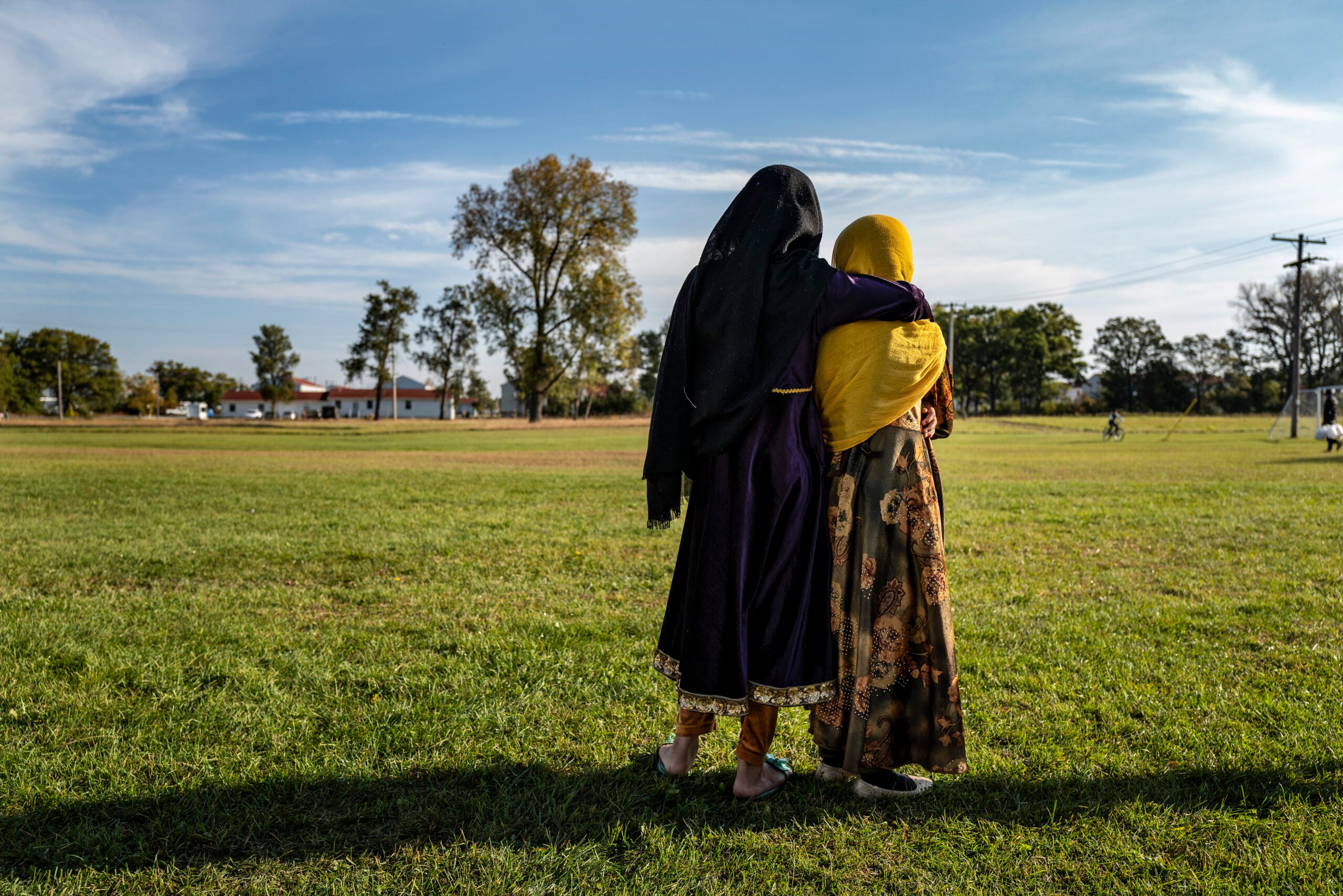
The Azad family was among the 190,000 Afghans who were evacuated to the U.S. after it withdrew from Afghanistan in 2021, following almost 20 years of war. That group included several hundred who were resettled in Wisconsin, following a months-long security vetting process. Nearly all Afghan evacuees were granted a form of legal status that reflected the dangers they would face if they returned home.
But that status may be reevaluated, as the State Department has paused all asylum decisions for migrants and halted issuing visas for Afghans, including those whose applications were already approved.
Those changes come after Rahmanullah Lakanwal, an Afghan man who previously worked with the CIA in Afghanistan, allegedly shot two National Guard members in Washington, D.C., on Nov. 26, killing one and critically injuring the other.
The news of the suspect’s nationality was shocking, said Azad, because it was followed so immediately by an announcement by the U.S. Citizenship and Immigration Services on social media that it will stop processing Afghans’ immigration requests.
“The Afghan community, the entire community, was already judged, which really shocked me,” he said. “I felt the pain of those soldiers, their families, and we felt bad. We did not even sleep that night.”
He worries for his four children, the youngest of whom was an infant when his family left Afghanistan, in part because of Azad’s work advising NATO forces there.
“We are here in Wisconsin or in (the) Midwest or in America because we are partners,” he said. “We have to be seen as not only partners, but somebody who fought for America before arriving in America.”
But Afghans’ circumstances in the United States — and that of refugees hoping to be admitted into the country from elsewhere — have been in question since President Donald Trump’s second term began in January, he added.
“(The) last 10 or 11 months have been … the worst period of time after the collapse for almost all Afghans,” he said. “Those in the United States with uncertainty, and those in third countries, waiting for assistance or waiting for their applications to be processed to make it to the United States.”
The latest in a series of changes
Indeed, changes to Afghans’ residency statuses have been under consideration for months. In June, a travel ban went into effect for most Afghans, except those closely related to citizens or who were applying for Special Immigrant Visas, which are issued to people who helped the U.S. military and its allies and faced danger when the Taliban retook power after the end of the U.S. occupation.
In July, temporary protected status for Afghans was terminated, leaving thousands of people in a legal limbo.
And according to a memo acquired by the Associated Press, and issued before Lakanwal’s arrest, the Trump administration was already planning to review every refugee admitted to the U.S. under Joe Biden’s presidency, which also includes people from the Democratic Republic of Congo, Venezuela and Syria.
Those Afghans who already arrived in the U.S. did so through a Biden-era program called Operation Allies Welcome. Most arrived under a “humanitarian parole” process, which does not offer a path to permanent residency. All went through a vetting process that is now on hold.
Humanitarian groups that worked to resettle Afghans in Wisconsin have denounced the shift in approach toward that community. In a statement, New Beginnings for Refugees, which resettles people in the Wausau area, issued a statement condemning “the harmful rhetoric and policies that seek to punish an entire community for the actions of one individual.”
The group decried the shooting of the National Guard members, and said that Afghan refugees go through extensive vetting processes.
“They are here because they were trusted and approved through one of the most thorough screening processes in the world,” the group wrote.
The recent changes to how Afghans are processed is echoed in other changes to federal refugee policy, including a review of green cards issued to people from 19 countries, mostly in the Middle East and Africa. Among Trump’s first actions in office was to suspend the nation’s refugee admissions program, cutting off federal funding to local and faith-based nonprofits across the country that resettle refugees.
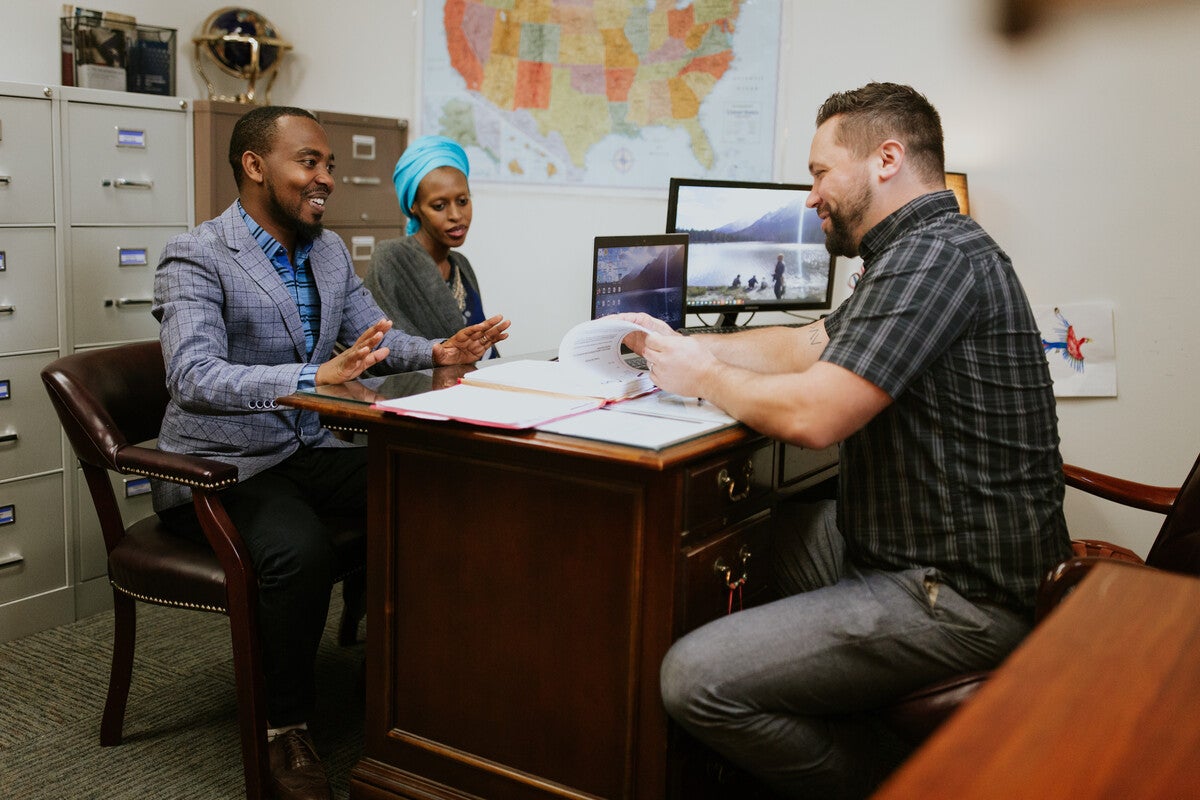
That included World Relief Wisconsin, a state branch of a Christian humanitarian organization that operates out of the Fox Valley and Chippewa Valley. That group’s regional director, Gail Cornelius, said the past few weeks have introduced new concerns.
“The first has been some reporting that indicates that the federal government is seeking to re-interview or reprocess refugees that have already been lawfully permitted to the United States, and so that process is obviously of great concern … to us as partners that walk alongside refugee families in our communities,” she said.
She said people who have to rebuild their lives after periods of war face fear and uncertainty regardless — but especially when they can’t go home again.
“To not know what that future looks like anymore, or to not be sure what that future could look like anymore, is incredibly challenging,” Cornelius said. “We try to remind folks that, you know, we’re welcomed here, and that we want them in in our communities as well.”

Wisconsin Public Radio, © Copyright 2026, Board of Regents of the University of Wisconsin System and Wisconsin Educational Communications Board.