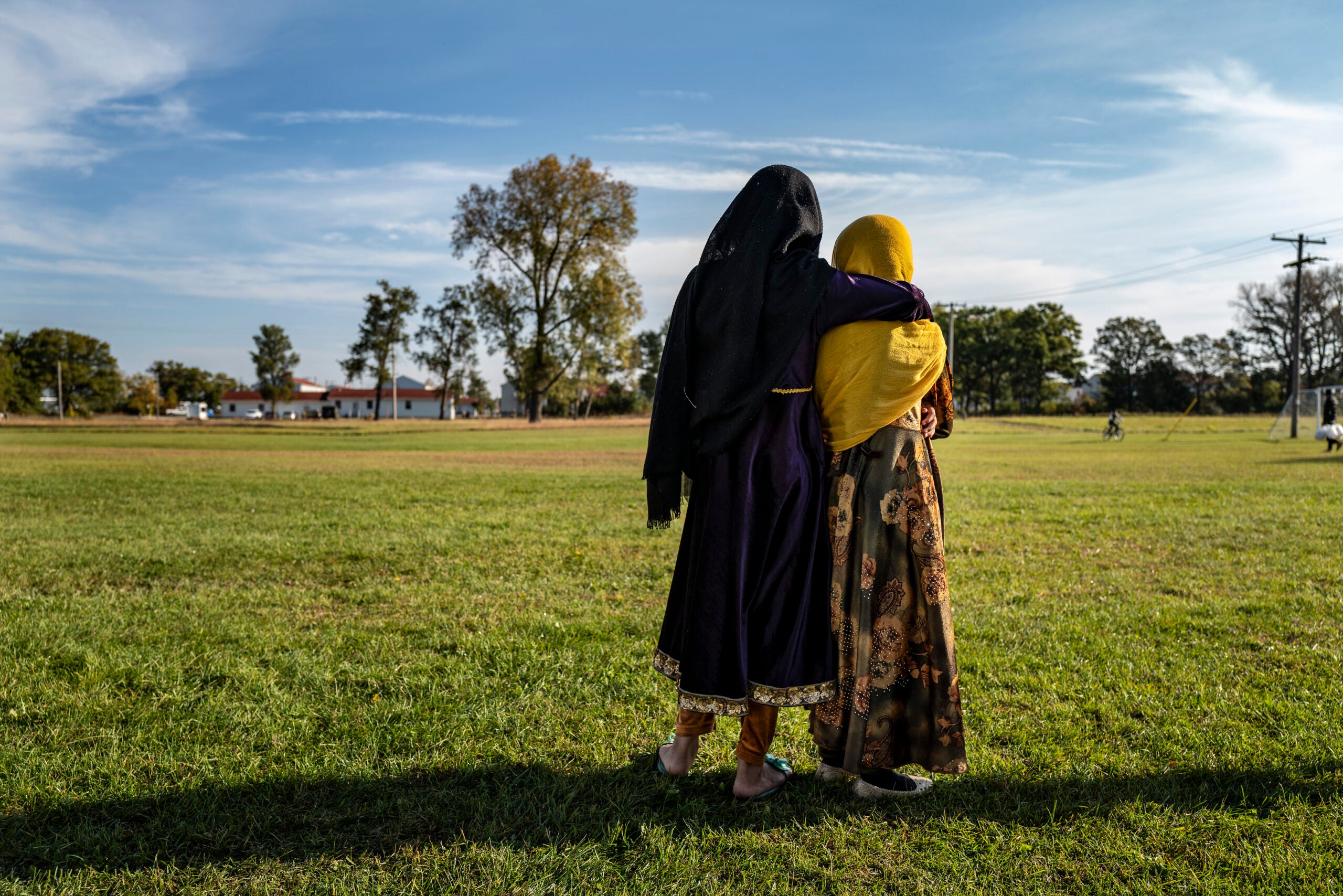
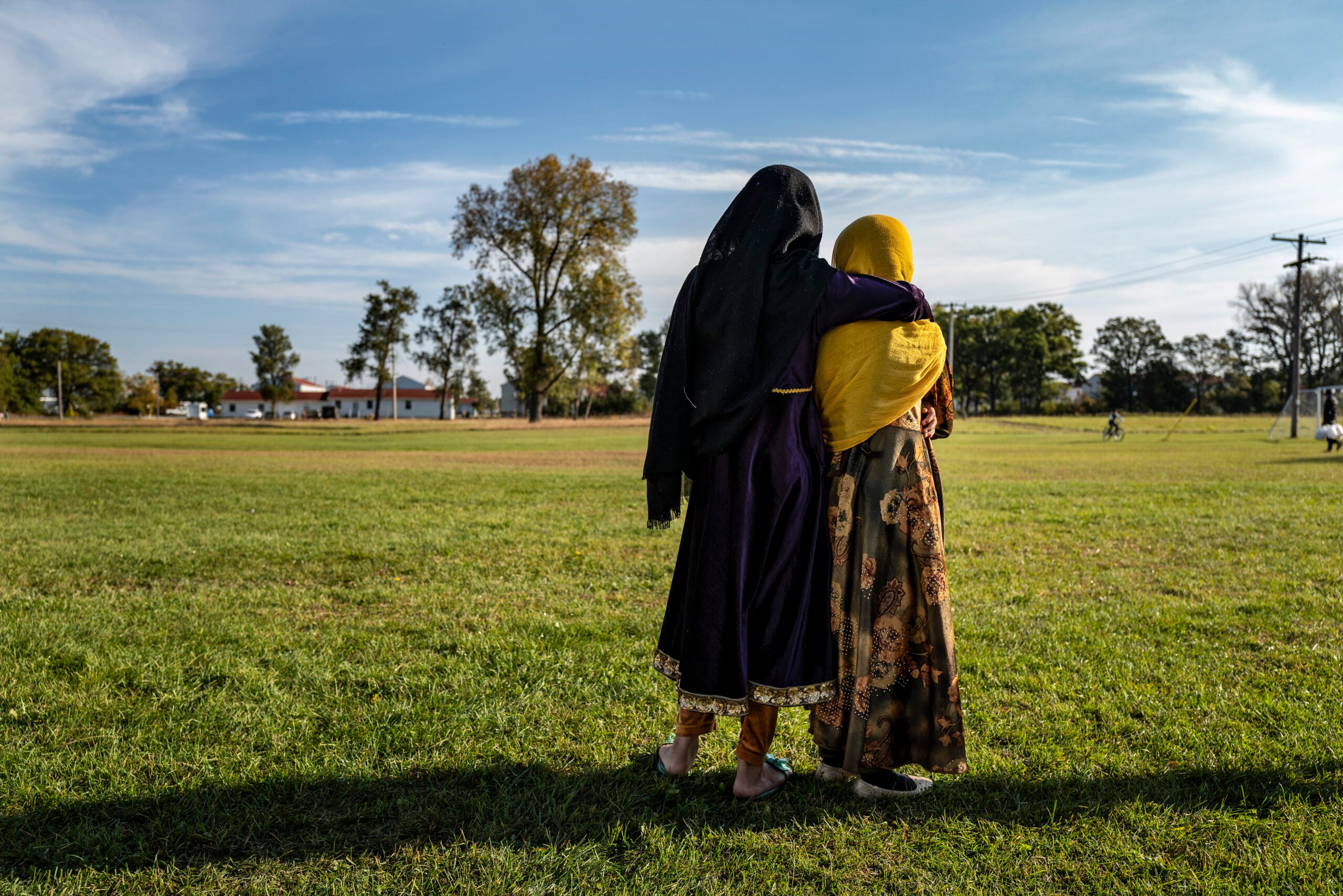
Dozens of refugees living in central Wisconsin face legal uncertainty in the coming months following the Trump administration’s decision to end temporary protected status for thousands of people from Afghanistan.
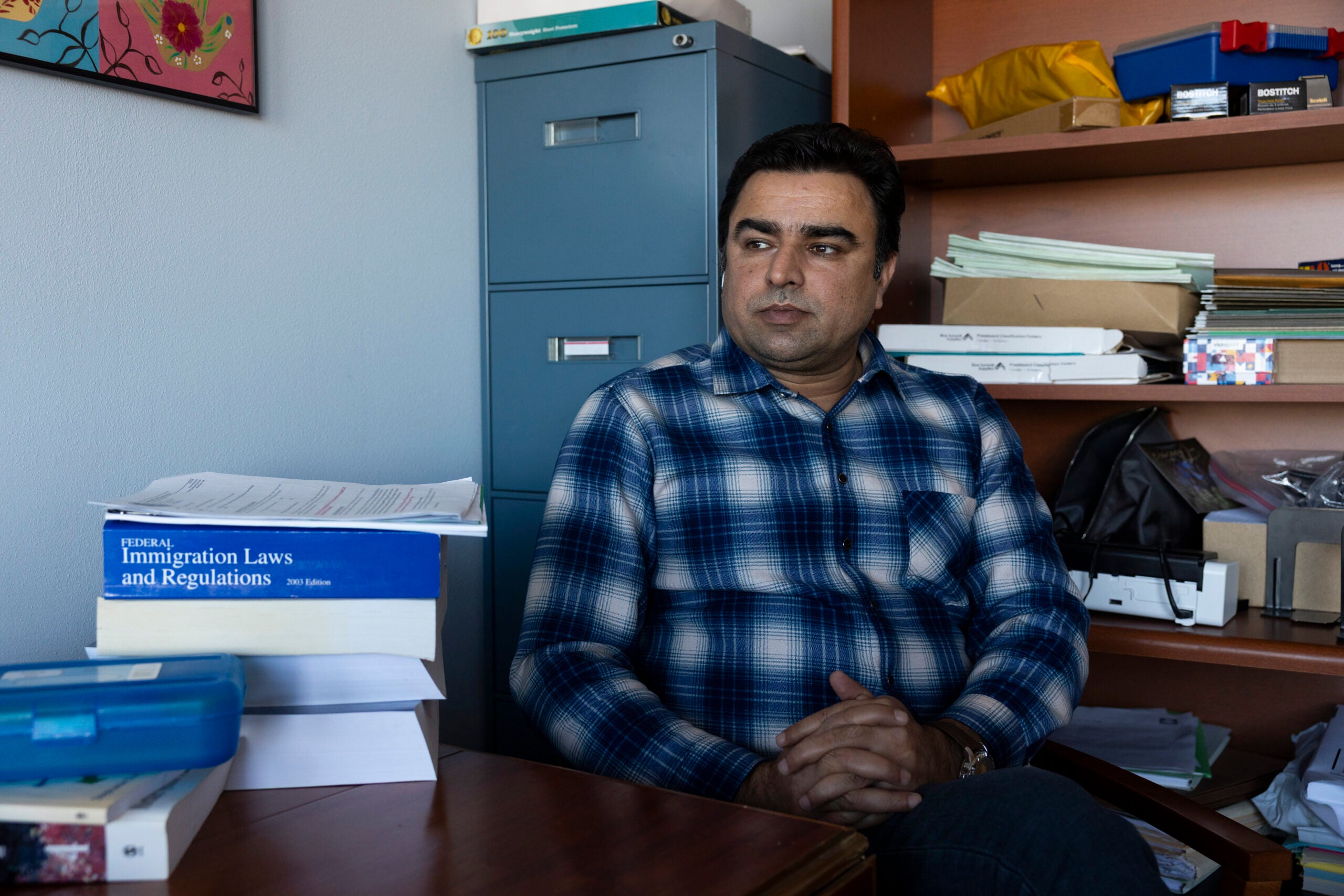
In a conversation on “Morning Edition,” Yee Leng Xiong, executive director of the Wisconsin-based New Beginnings for Refugees, said the majority of Afghan arrivals in the region came to the U.S. and gained temporary protected status, or TPS, after working with American forces during the war in Afghanistan. The federal designation, granted in 2022 following the Taliban’s return to power, allowed Afghans who worked with U.S. forces or fled escalating violence to live and work legally in the U.S.
Now, with TPS slated to expire for thousands of Afghans nationwide, including in Wisconsin, Xiong said the federal policy change is leaving Afghan refugees in limbo. The U.S. Department of Homeland Security has not publicly detailed plans for enforcement following the end of TPS.
News with a little more humanity
WPR’s “Wisconsin Today” newsletter keeps you connected to the state you love without feeling overwhelmed. No paywall. No agenda. No corporate filter.
“They’re viewed as American allies, and that puts them at risk of danger,” Xiong said. “We want to be sure we are taking care of our allies, protecting those who have been there to protect us as well.”
While none of the approximately 48 Afghan residents in central Wisconsin have been deported to date, advocates say the loss of protections is causing fear and distress among families who have already endured years of trauma. Xiong said some residents have become numb, weighed down by anxiety and a sense of isolation.
“Many of our Afghan neighbors are struggling with depression, with anxiety, with fear,” he said. “It has gotten to the point where it’s affecting their mental health.”
Xiong said most of the Afghan arrivals are men who came alone with hopes of bringing their families once settled. But the suspension of refugee admissions and now the end of TPS protections has stalled reunification efforts, leaving families separated indefinitely.
In central Wisconsin, advocates including Xiong are calling for federal leaders to meet with TPS holders directly and find permanent solutions —“to address their concerns,” Xiong said, and ensure those who aided U.S. forces are not left unprotected.
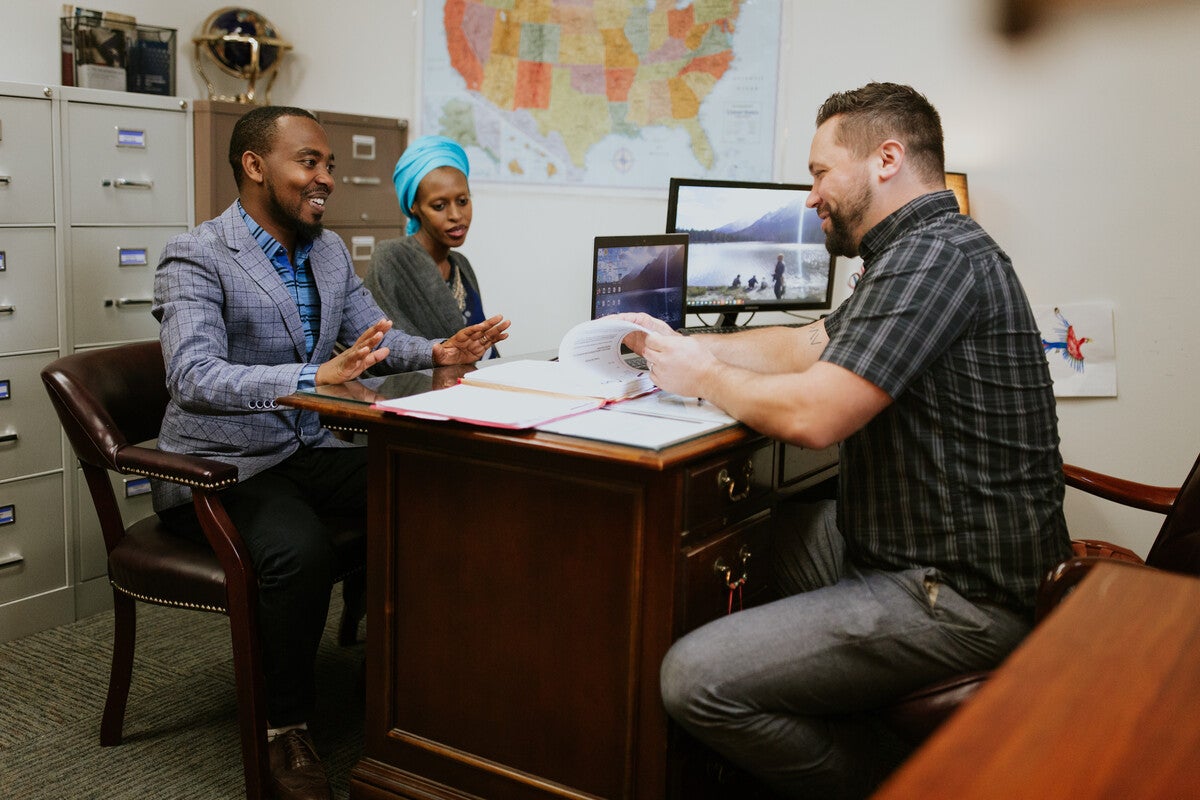
In Wausau, New Beginnings for Refugees has been working to support Afghan arrivals since 2021, offering housing, job training and advocacy as families rebuild their lives in Wisconsin.
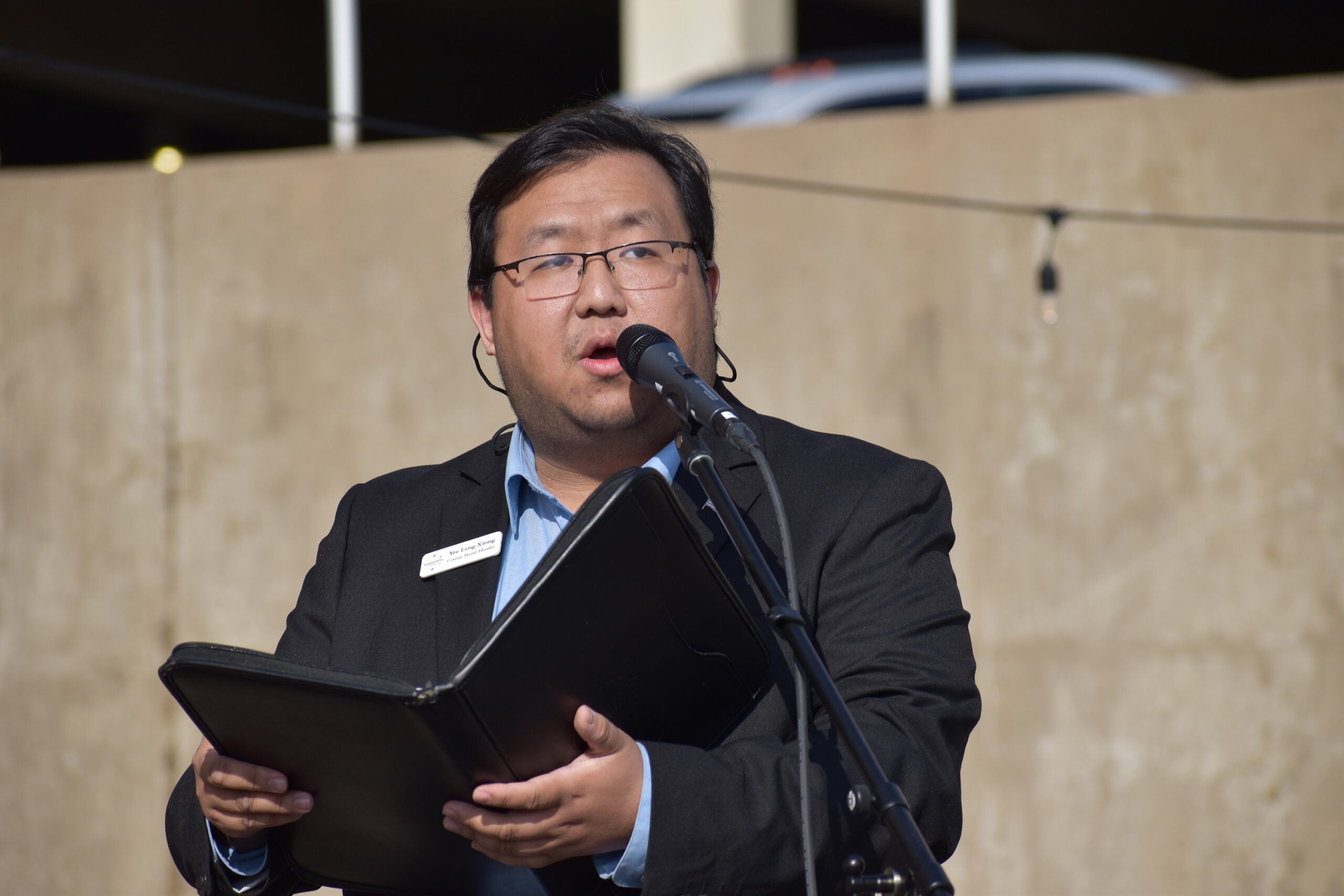
The following interview with WPR’s Shereen Siewert was edited for brevity and clarity.
Shereen Siewert: Can you explain what temporary protected status is and what that term means?
Yee Leng Xiong: People with temporary protected status are here because of the fact that there’s a situation happening in their home country that is volatile. There is violence or political unrest. They’re here and have been granted protective status and not allowed to return back to their country due to that political unrest and violence back home.
Specifically for our Afghan neighbors, they are here because of their involvement with the U.S. Some were interpreters, others were translators or people who fought on behalf of the U.S. in Afghanistan. Because the situation there is so unstable, they should not be sent back. Because the Department of Homeland Security is revoking TPS for a lot of the Afghans here, close to 9,000 of them, they’re potentially at risk. We’re unsure of what potentially could happen to them in their country at this moment.
SS: What is the greatest fear? What dangers could they face if they are deported back to Afghanistan under current conditions?
YLX: This is speculation, but we worry that they would face persecution, trial, punishment or retaliation for their involvement as allies of the United States. If you’re paying attention to the news right now, you know there is a lot of unrest at this moment specifically in Afghanistan. Our Afghan neighbors are at risk of danger if they return.
SS: What are you hearing from the people you work with? What are they sharing with you about the fear they are feeling?
YLX: They’re fearful, but sometimes I have to wonder if they’ve been traumatized to the point that they no longer feel it as much anymore. They’re saying they’ll just have to take it as it goes, becoming somewhat numb to situations.
I do know that many of our Afghan neighbors are struggling with depression. We’re trying to make sure they’re being supported by alleviating their concerns and anxieties, but there is only so much we can do. They’re also experiencing such loneliness. You can’t help but imagine the amount of pressure on their shoulders. The DHS decision to revoke TPS just adds another layer of complexities and also puts a great deal of stress on our new neighbors.
SS: Before the current uncertainty, what hopes and dreams have these people shared with you about what life in America could be like for them?
YLX: Many of them are seeking to chase what is known as the American Dream. They want to build their lives and focus on building their businesses, investing in their careers. Most of them are here by themselves. They are sons; they are husbands. They want to bring their families here but with the suspension of refugees coming in, that’s been heartbreaking for many of them. This adds more complexity to the situation, delaying any plans they had for reuniting with their families.
I do want to remind people that these are individuals who have been vetted and have been allies of the U.S. for a long time. We need to make sure we are protecting and helping them.
SS: What response are you hoping to see from the Trump administration and Congress moving forward?
YLX: What I really want is for our federally elected officials and people within the Trump administration to start off by actually meeting with our refugee neighbors and have conversations with them. I want them potentially to reconsider their decisions.
What we want now more than ever is a pathway forward for us to work together to address their concerns. We are looking to reunite families, and we’re hoping that the federal administration, along with our elected officials, realize that these individuals who are now our neighbors are eager to become American citizens and give back to society. That’s the only thing I’m asking for at this moment, for them to gain a better understanding.
If you have an idea about something in central Wisconsin you think we should talk about on “Morning Edition,” send it to us at central@wpr.org.