A refugee organization in Wisconsin told WPR that it’s filling gaps in funding after the Trump administration abruptly ended the nation’s refugee admissions program and blocked previously approved funding in January. But they said ongoing lawsuits and delays are leaving Wisconsin refugees in limbo.
World Relief Wisconsin is the state’s branch of a global Christian humanitarian organization and operates out of the Fox Valley and Chippewa Valley regions. The organization helped resettle the last wave of refugees allowed in the United States before the refugee ban took effect Jan. 20.
Gail Cornelius, the regional director for World Relief Wisconsin, told WPR’s “Wisconsin Today” that suspension of the refugee program was “bordering on devastating.”
“For those families that we have been waiting to support and welcome in our communities, it is really troublesome that they’re no longer able to come and arrive and heartbreaking to think about the circumstances that they might be waiting in overseas,” Cornelius said.
News with a little more humanity
WPR’s “Wisconsin Today” newsletter keeps you connected to the state you love without feeling overwhelmed. No paywall. No agenda. No corporate filter.
Wisconsin communities scrambled to make up canceled funding
In January, the Trump administration also suspended all refugee resettlement and pulled money intended to go to resettlement organizations through the Reception and Placement Program. The program offered one-time funds of $1,325 per refugee for resettlement organizations to spend on expenses like rent, transportation and food.
Several refugee agencies filed a class-action lawsuit against the federal government in February. The suit calls for the executive order suspending the program to be ruled illegal and for funding for the U.S. Refugee Admissions Program to be restored. The case is still working its way through the courts.
When the funding was pulled, Cornelius said her organization was in the midst of helping 125 refugees settle in Wisconsin. She said local churches and other organizations stepped in to fill that funding gap to help refugees get settled.
“It was a lot of uncertainty, both for us as an organization and certainly for the families that we were working with, because they weren’t sure what to expect,” Cornelius said.
Cornelius said the refugees they serve are currently receiving assistance from other programs that they were allowed to use after a refugee’s first 90 days in the U.S. have passed.
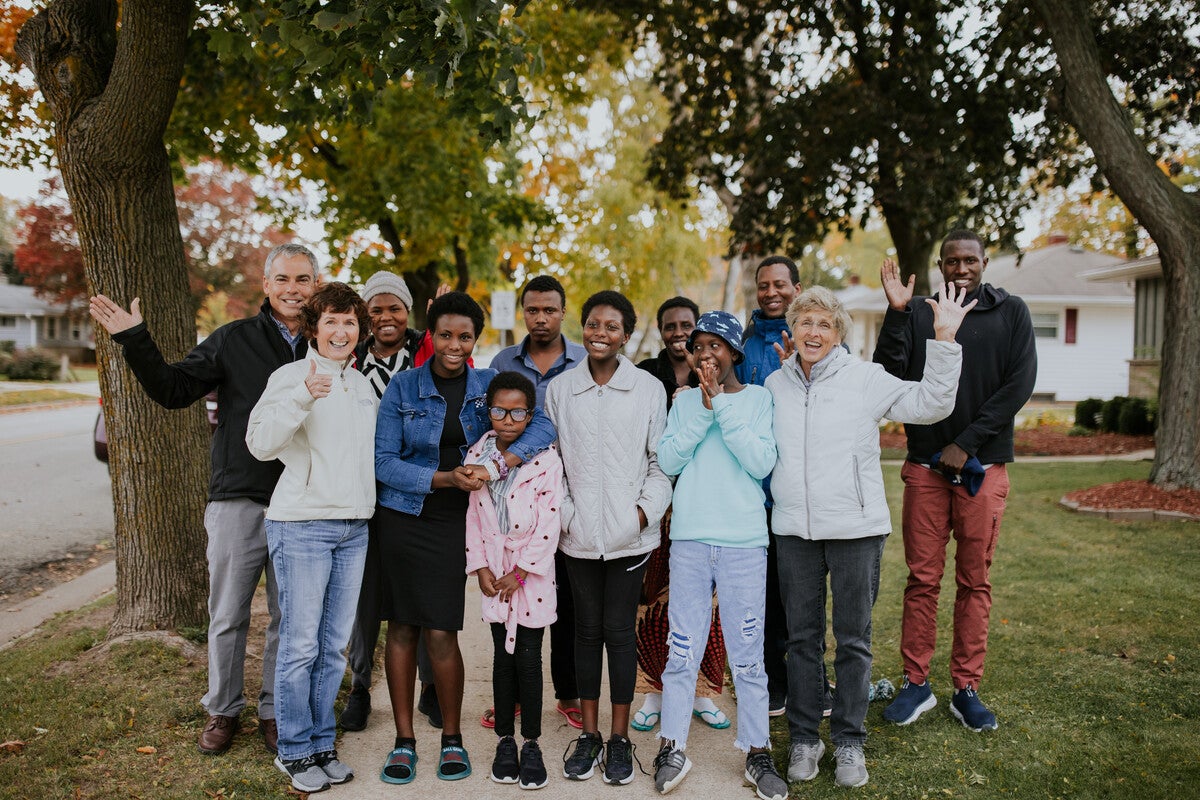
Ginny Close is a volunteer for World Relief Wisconsin and is the organizer for a Eau Claire-area group called Welcoming New Neighbors. Close and her network of volunteers supplies refugees with household items, offers English tutoring and helps them get to appointments.
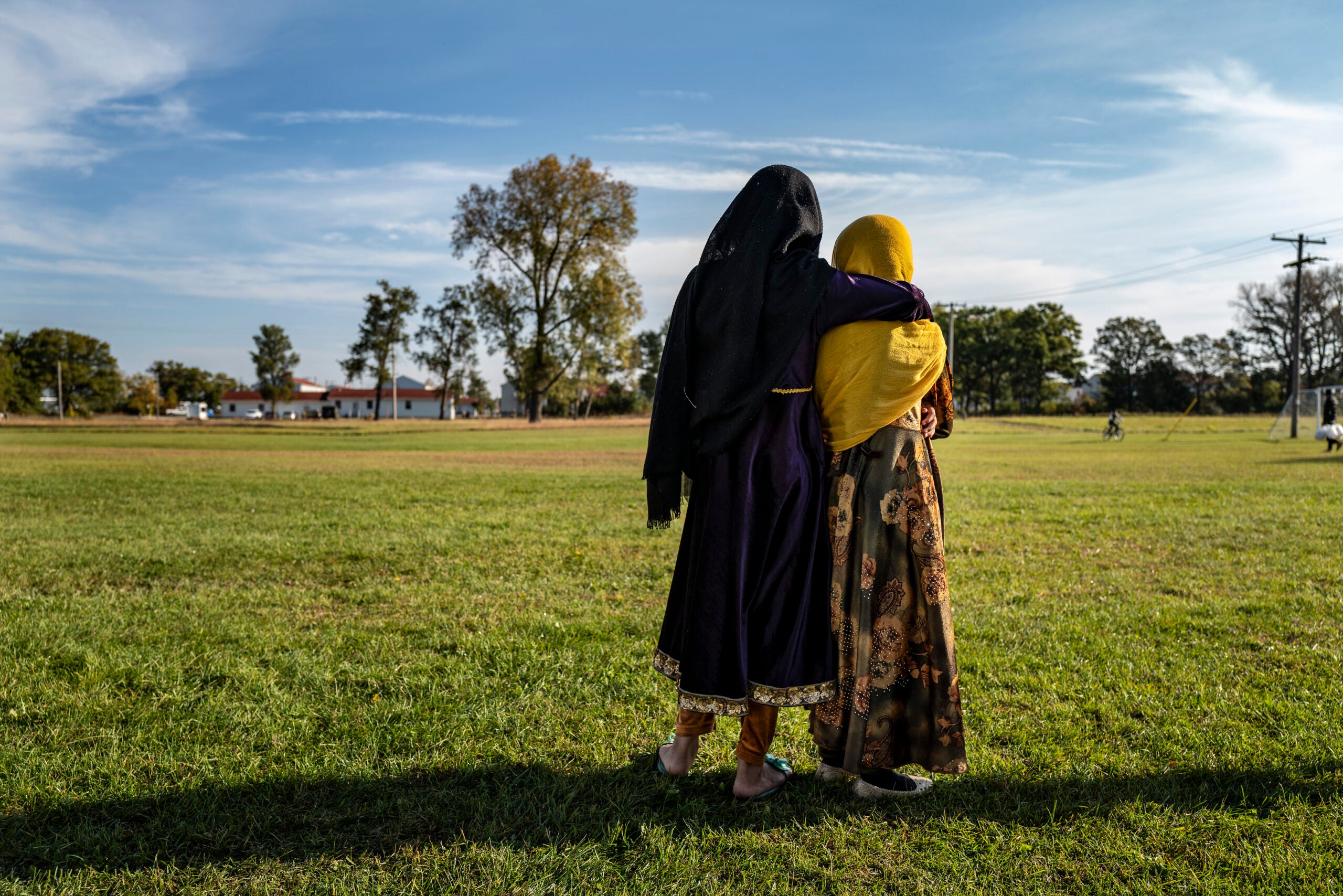
Close helped a family from Afghanistan resettle in January, days after the pause on refugee admissions took effect.
“When the funding first got cut off, there were little pockets of money where we could immediately help with rent for families stuck in hotels,” Close said. “With donations to World Relief and from the wider community around the state, I think we’ve been able to help support everybody.”
Advocates say climate has changed for refugees
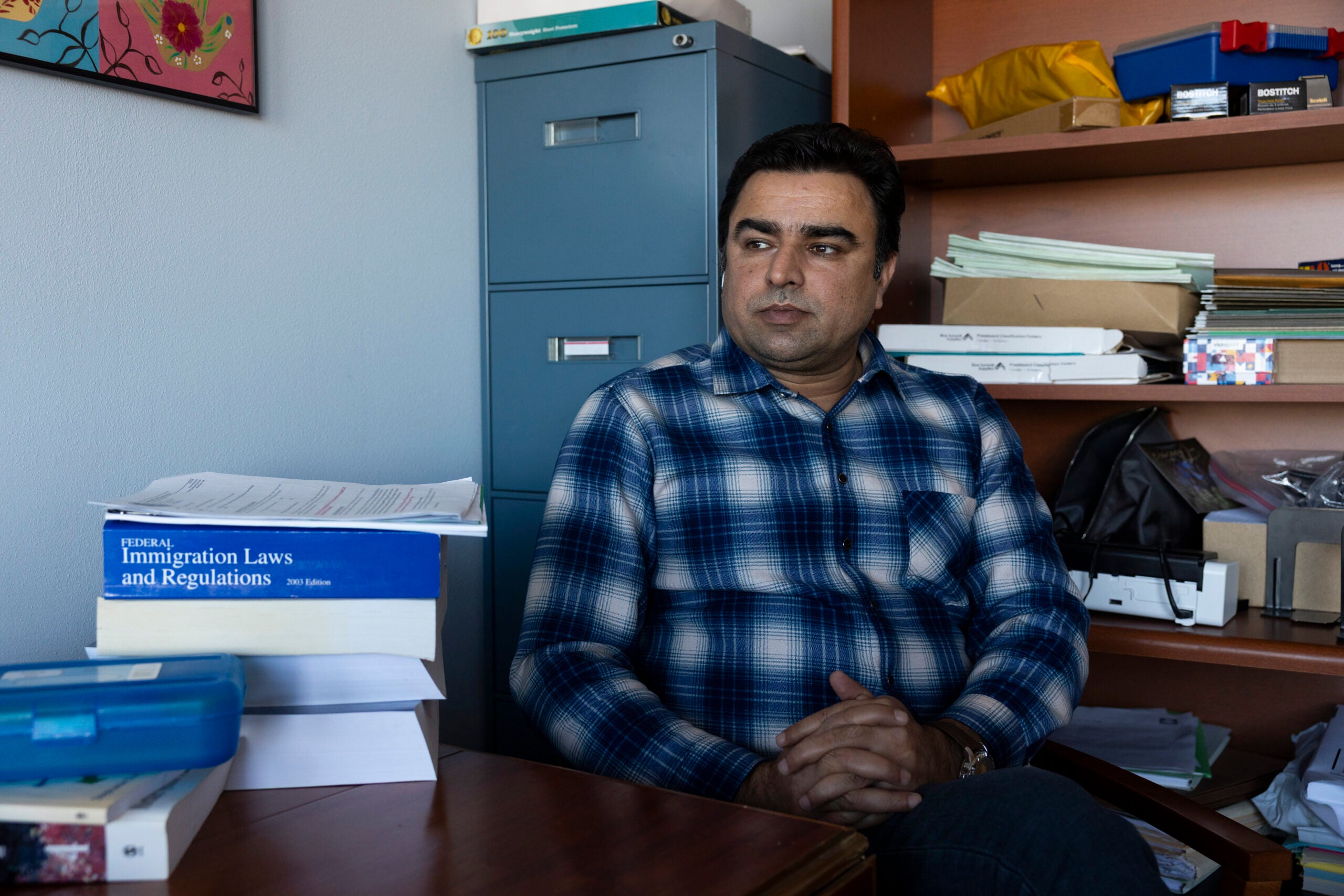
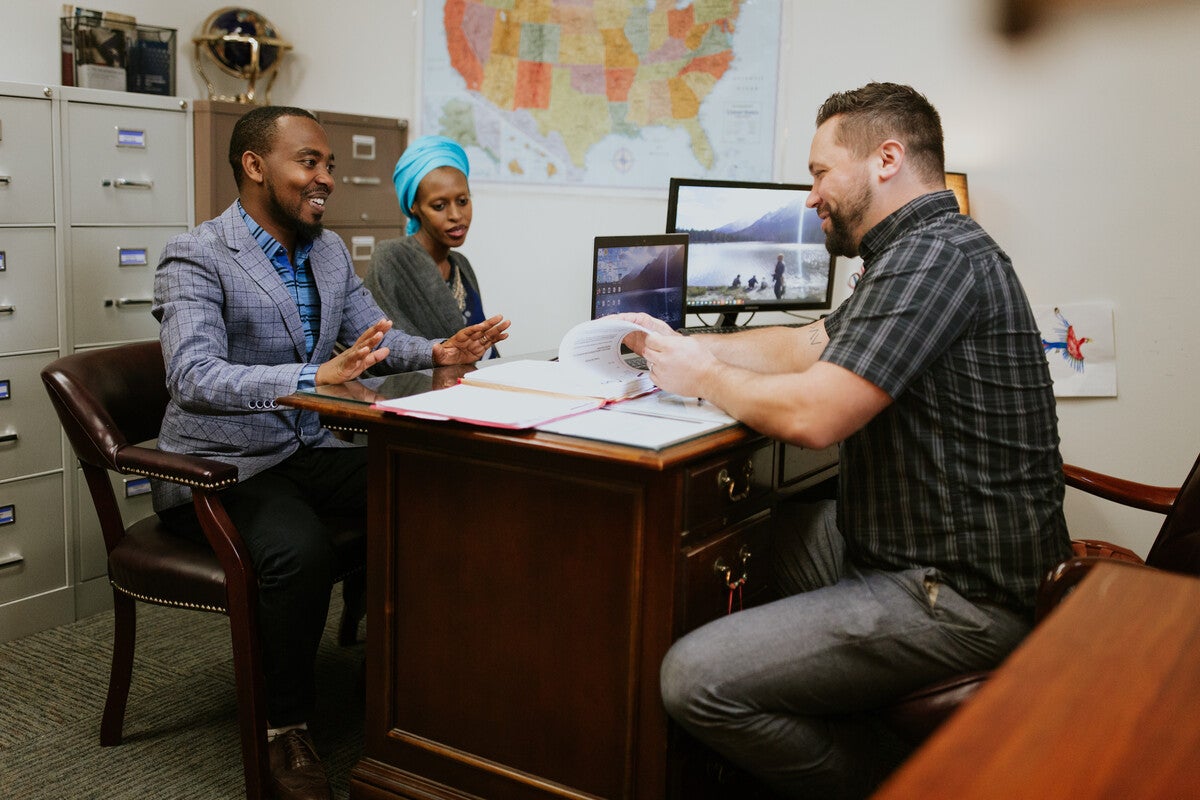
Phil Stoffel is the director of immigration legal services for World Relief Wisconsin. He and his team work on a variety of services for refugees in Wisconsin, including helping them apply for green cards, reunite them with their families, and obtain travel documents and citizenship.
Funding cuts and changes to immigration policy are having an impact beyond just finances, he said.
“We used to see people come here excited, ready to get going on their journey, get enrolled in school, start jobs, have hope for their family members coming. Now, it really seems like people are worried,” Stoffel said. “They come to our legal services team and ask, ‘Is my status secure? Am I okay? What about my family members? Will my green card arrive?’ The atmosphere has changed.”
Stoffel also said that it is taking a lot longer to process applications for green cards and the federal government isn’t accepting applications for family reunification, leaving refugees unable to start working on bringing family members to the United States from the country they emigrated from.
“They’re often told that if you come here, it’ll be okay, your family members can join you in a few months. And that’s really far from the truth,” Stoffel said. “In a majority of our cases, once someone even has their green card, (family reunification can) take roughly three to seven years. And those are the fast ones.”
Cornelius said delays and anti-immigrant rhetoric can leave refugee families feeling unwelcome in Wisconsin.
“They want to be here. They want to be able to contribute and to work and to build full and complete lives,” Cornelius said. “When we’re not able to provide concrete guidance because we don’t know, that’s really challenging for anybody that would be trying to move or live or thrive in a new community.”
Close added she’s watching to see if cuts to the Supplemental Nutrition Assistance Program and Medicaid will affect the refugees she volunteers with. Cornelius said a provision of the Big Beautiful Bill Act is set to leave refugees without green cards ineligible for SNAP and will leave them ineligible for Medicaid after September 2026.
“That’s where we’re going to see some growing needs that up until now, our families haven’t necessarily had to worry about,” Close said.