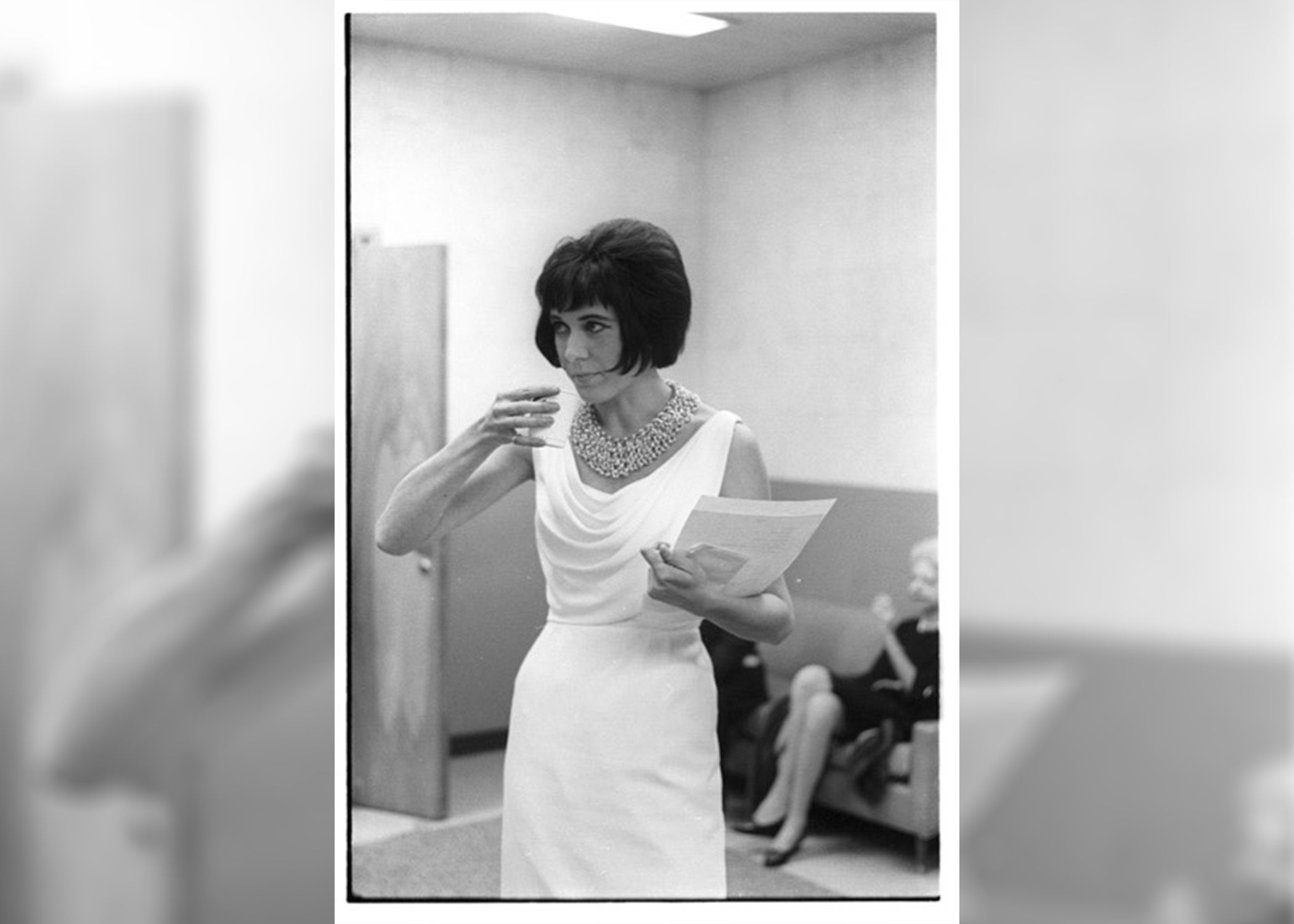
In the early 1960s, New York City’s “Queen of the Beatniks” was a young woman from Chippewa Falls.
Judy Henske wowed audiences for decades with her deep, soulful voice, sadly passing away in 2022 at age 85.
Writer Patti See of Lake Hallie looks back on Henske’s talent and western Wisconsin’s influence on her career for WPR’s “Wisconsin Life.”
News with a little more humanity
WPR’s “Wisconsin Today” newsletter keeps you connected to the state you love without feeling overwhelmed. No paywall. No agenda. No corporate filter.
==
One of Woody Allen’s most famous film characters was an aspiring singer from Chippewa Falls, loosely based on his one-time girlfriend, Judy Henske.
I watched “Annie Hall” at McDonell High, Judy’s alma mater. Our English teacher recorded this 1977 Best Picture winner from TV to show us in 1984. At 16, I was thrilled our town was even mentioned in a movie, no matter how it was depicted: a Podunk place from which creatives had no choice but to escape.
This is not the story of how a Chippewa girl became Annie Hall. Much more interesting is how Judy Henske became “Queen of the Beatniks”— a title given to her by a record producer, Jack Nitzsche, who also worked with The Rolling Stones.
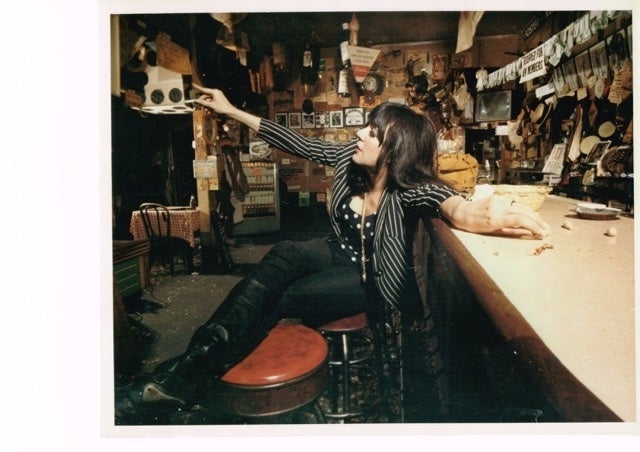
In the early 1960s, Judy sang in Greenwich Village coffeehouses where a stew of artists and poets hung out. This Beat Generation rejected consumerism and embraced free thought, like the bold and bawdy 6-foot-tall rising star they came to see. She talked about this with Al Ross on the “Spectrum West” radio show on Oct. 21, 2021 on Wisconsin Public Radio.
Al Ross of “Spectrum West” interviews Judy Henske
“I think I was a natural Beatnik,” Henske said. “If you were a Beatnik, practically all you did was read!”
Judy signed with Electra Records in 1963 when she was 26 years old. That same year she was lauded in “Time” and “Newsweek.” One reviewer wrote, “Standing head and shoulders above the new contenders is … a six-foot hollyhock who is blooming with talent. … praiseworthy for her singing of blues, folk ballads and popular songs as well as for her freely improvised patter.”
Anyone who heard her even once recognized she belonged on stage. Before she became “queen,” she sang in the choir at Notre Dame church. A nun once put a hymnal on Judy’s chest and stood on it to help her develop “vocal power.” When you hear her wailing rendition of the spiritual “Wade in the Water,” first sung by enslaved people, you can feel that power.
Rock critic Dave Marsh said Judy was “beyond all categories except ‘legendary’ and ‘great.’”
She once told a reporter, “I was a beltin’ person . . . I had a harder edge to what I was doing.”
Judy appeared in clubs, where she opened for Lenny Bruce and Woody Allen.
“I sang at the Village Gate, which was not a folk music club. It was much more a famous jazz club and I was with famous jazz people,” she said on “Spectrum West.”
Judy never forgot her roots. In 1964, she turned down a recurring role on “The Judy Garland Show” after being asked to do a skit that made fun of Midwestern farmers. She remembered, “I told them this isn’t funny; it doesn’t have anything to do with being from a small town.”
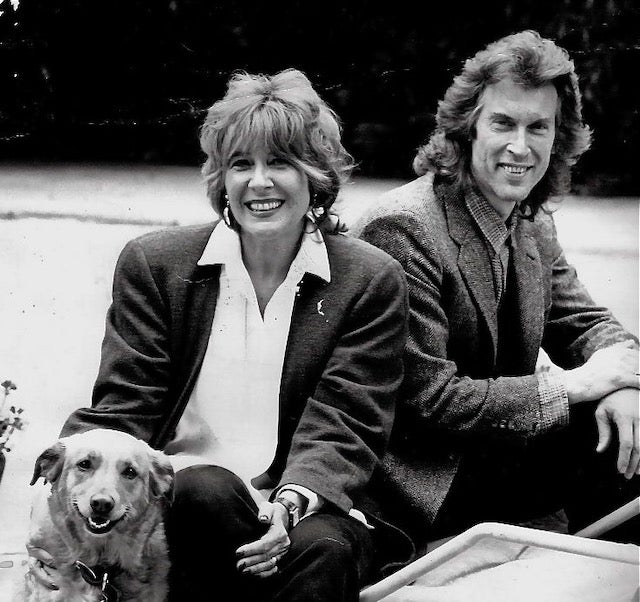
Her last public performance in the Chippewa Valley was in 2013 at the Heyde Center for the Arts — the building that was her old high school. Same stage, same booming voice in front of a sold-out, adoring crowd.
In 2021, when Judy appeared on “Spectrum West,” no one knew it would be her final interview for a Wisconsin audience.
Judy told Al Ross, “I don’t want to talk music; I want to talk about Chippewa.”
And she pronounced it like the rest of us natives.
Judy died six months later at age 85. Her obituary in “The New York Times” claimed her voice conjured Billie Holiday and foreshadowed Janis Joplin.
“Wisconsin Life” is a co-production of Wisconsin Public Radio and PBS Wisconsin. The project celebrates what makes the state unique through the diverse stories of its people, places, history and culture.