You may have heard the joke before: You’re not a true Wisconsinite unless you know how to pronounce “Oconomowoc.”
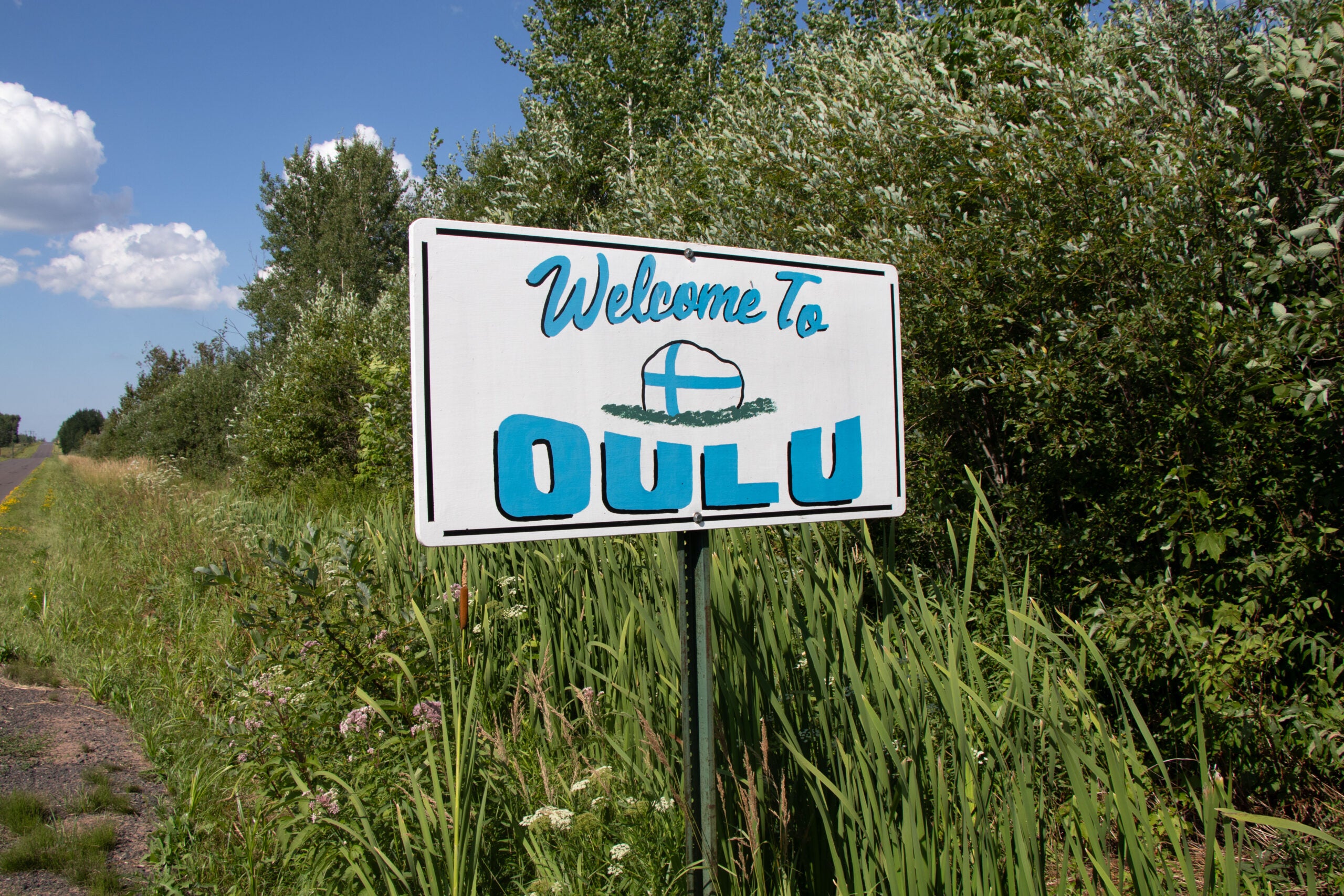
And that’s not the only tongue-twister in the state. There’s Kaukauna, Weyauwega, the Chequamegon-Nicolet National Forest — the list goes on.
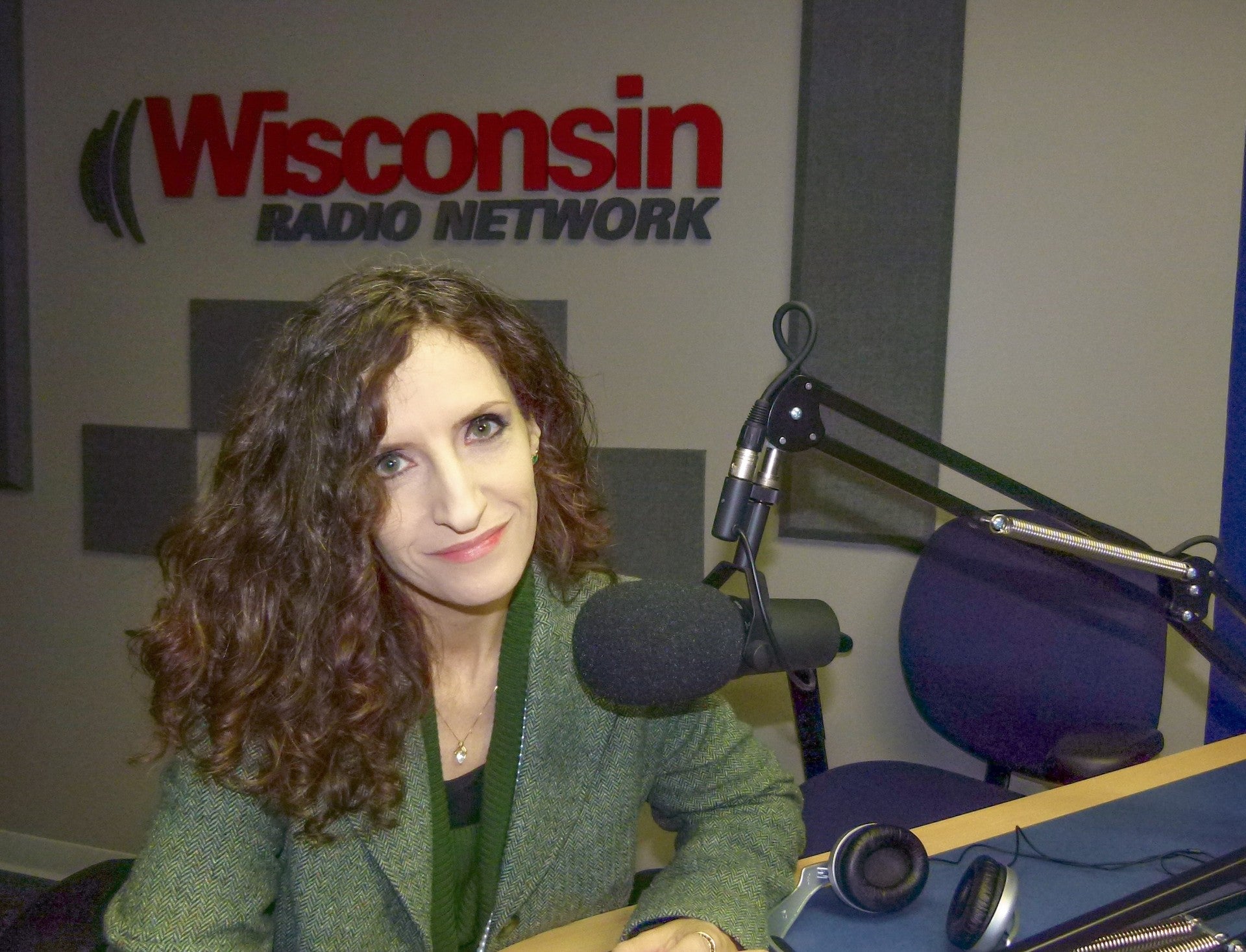
Even though she grew up in Wisconsin, Jackie Johnson told WPR’s “Wisconsin Today” she would sometimes stumble on an unfamiliar place name while working as an anchor-reporter for Wisconsin Radio Network. She recalled a time when she would work the morning shift and was often by herself at the studio.
News with a little more humanity
WPR’s “Wisconsin Today” newsletter keeps you connected to the state you love without feeling overwhelmed. No paywall. No agenda. No corporate filter.
“Sometimes, the name of a city came across that I didn’t recognize and there was nobody around,” Johnson said. “After a while, I thought, ‘Man, this can’t keep happening regularly. I need to figure this out. I need to get some sort of guide.’”
Johnson took it upon herself to create a database. She called up public libraries and tourism bureaus throughout the state to help verify local pronunciations and made hundreds of recordings of herself saying the names of cities, towns and villages. In 2005, she launched MissPronouncer.com, an audio pronunciation website she says is the first of its kind and now includes about 3,000 clips.
A rich linguistic history
While sourcing the information for Miss Pronouncer, Johnson saw firsthand the passion that Wisconsinites have for the places they live and the “correct” way to say them.
“A lot of people were proud to tell me about their city, how it’s pronounced and how other people don’t know enough to pronounce it accurately,” she said.
That includes places that look deceptively simple to say but have their own local pronunciation, like De Pere, Rio or New Berlin.
“The first time I ever used the place name ‘Two Rivers’ was around somebody from Sturgeon Bay,” said Joe Salmons, a professor of linguistics at the University of Wisconsin-Madison. “She stopped me in absolute horror and said, ‘Never say that. Say T’rivers.’”
Salmons is the co-founder of the Wisconsin Languages Project, housed at the Center for the Study of Upper Midwestern Cultures. He told “Wisconsin Today” that Wisconsin’s unique place names come in part from the fact that so many Indigenous and immigrant languages are spoken here.
“Almost every place name has its own different history. You see a lot of the … Indigenous place names in the state were first, of course, in French and then came into English. So you’ve got these really complicated patterns of transmission,” Salmons said. “And because we have so many different languages and cultures that have made up the state historically, we do have more richness than almost any place in the country.”
Mapping Wisconsin pronunciations
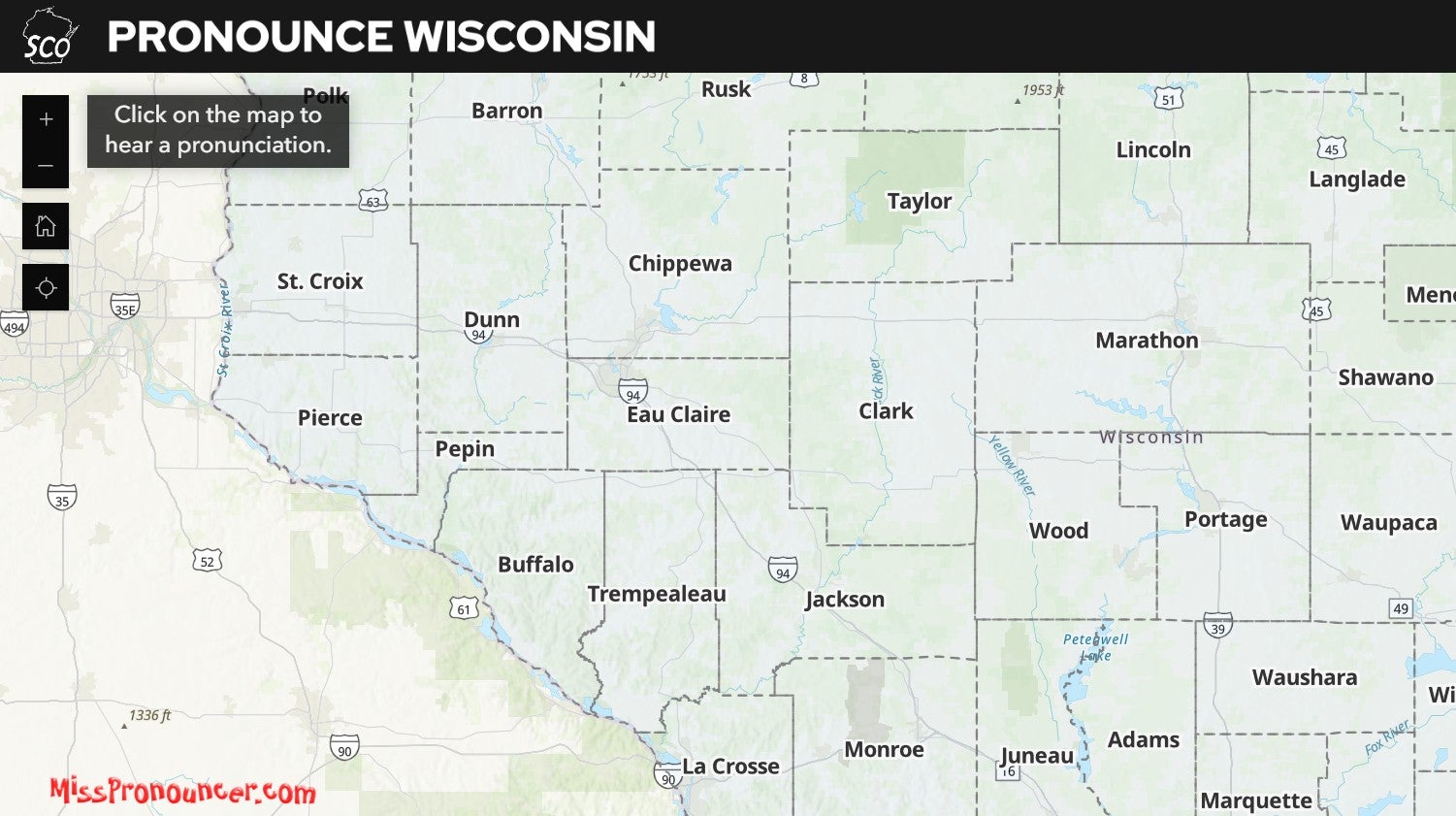
Earlier this year, the state cartographer’s office rolled out a new version of Pronounce Wisconsin, an interactive map inspired by Miss Pronouncer.
“Thanks to Jackie’s work, we now have reliable audio clips for anyone curious about the correct pronunciation of Wisconsin place names,” Eugenie Huang, project assistant at the state cartographer’s office, said in a post announcing the new version of the map.
Miss Pronouncer’s Johnson said it’s “an honor” to have her voice included in the new map and that she is proud of the work she’s done, even if it sometimes makes her cringe to listen back.
“Every once in a while, when I go back and I listen to one of the names, I’ve thought, ‘Oh, that’s nice. Nice job.’ And then I listen to another one: ‘Oh my gosh, that’s terrible! I really need to re-record that,’” she said. “I always want to re-record everything I’ve ever done.”
To this day, Johnson’s biggest pet peeve is how some out-of-staters pronounce “Wisconsin.”
“Randomly, I’d hear people say WES-consin, and it would just kind of get my goat,” she said.