As winter lingers in central Wisconsin, beekeepers are closely watching their hives and seeking guidance, connection and education at a regional conference.
Many will gather this month at Beek Meet 2026 in Wisconsin Rapids. The regional educational conference, hosted by the Central Wisconsin Beekeepers Association in partnership with Mid-State Technical College, draws attendees from throughout the Midwest and features instruction, shared experience and access to national experts, regardless of experience level or scale of operation.
In a conversation on WPR’s “Morning Edition,” Central Wisconsin Beekeepers Association President Mike Lawrence said late winter can be particularly demanding inside the hive as colonies balance food stores while responding to prolonged cold. Each year presents its own unique challenges as weather conditions fluctuate.
News with a little more humanity
WPR’s “Wisconsin Today” newsletter keeps you connected to the state you love without feeling overwhelmed. No paywall. No agenda. No corporate filter.
“Last year was really difficult for a lot of beekeepers in Wisconsin,” Lawrence said. “We’re always hopeful when spring comes.”
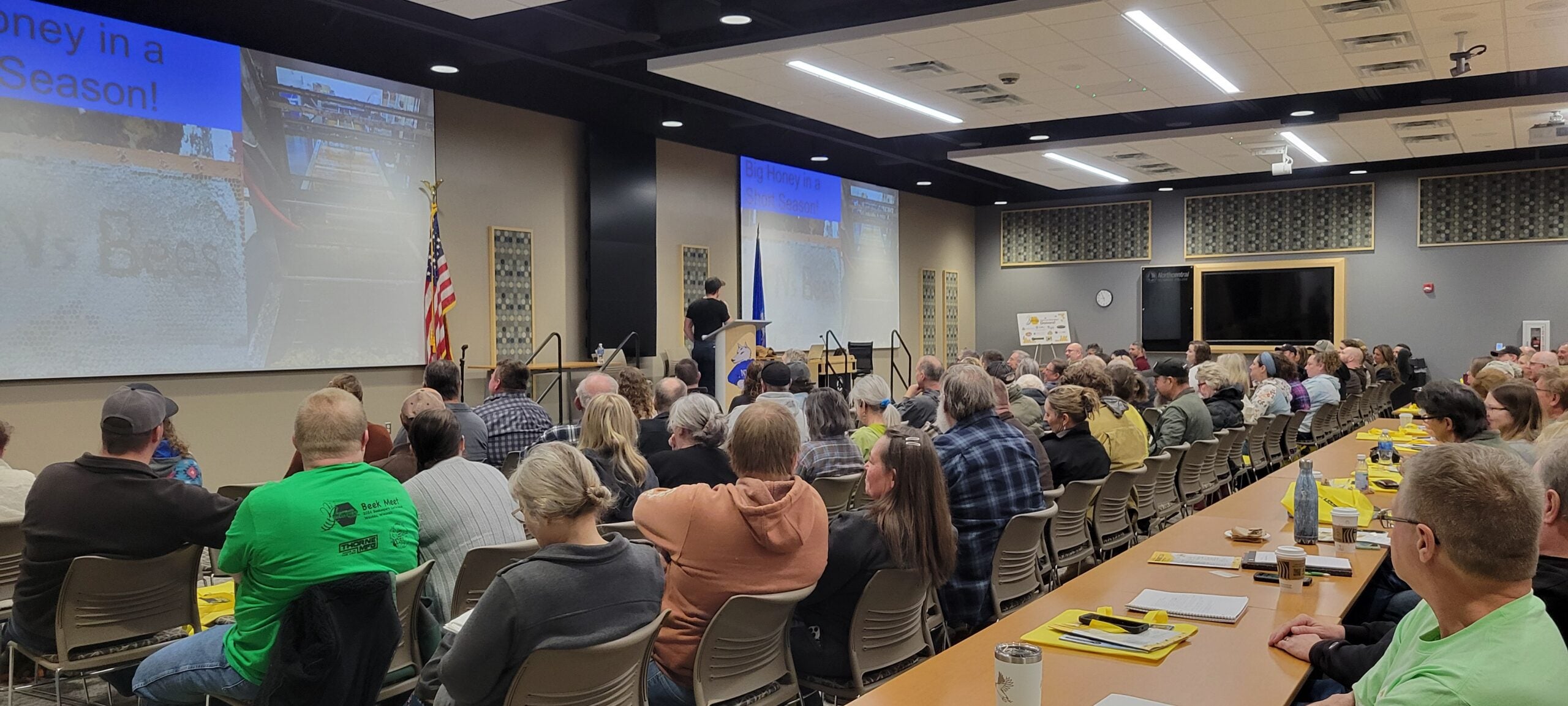
Beek Meet offers multiple session tracks tailored to new, intermediate and experienced beekeepers. Beginners can learn how to get started, while more advanced sessions focus on colony health, disease prevention, overwintering outcomes and long-term hive performance. Speakers include beekeeping educators, researchers and industry professionals from around the country.
In addition to educational programming, Beek Meet includes a vendor area featuring beekeeping equipment, supplies and services. Organizers said a limited number of vendor spaces are still available and note that participation is not limited to traditional beekeeping suppliers. Bee-themed crafts and other related goods are also welcome.
“There’s something for everyone,” Lawrence said.
More information about Beek Meet 2026, including registration and vendor details, is available here.
The following interview has been edited for brevity and clarity.
Shereen Siewert: When beekeepers crack open their hives after winter, it can be a moment of relief or one of heartbreak. What are you hearing from Wisconsin beekeepers this year about what they’re expecting?
Mike Lawrence: This year was looking much better than last year until we had that really long cold snap. Those temperatures are hard on the bees, but I do think they’ll do better this year than they did last year.
SS: Why is late February such a critical moment for beekeepers?
ML: What happens inside the hive is that the bees start to raise their brood for the spring. During the cold winter months, bees only have to keep their hives around 75 degrees inside the cluster. When they start raising brood, the temperature needs to be raised to about 93 degrees. When it’s below zero outside, they have a lot of work to do to keep it warm.
SS: Tell us about Beek Meet. Is it for experienced beekeepers, or can people who are “bee curious” attend?
ML: We have classes available for people who have never touched a beehive before. You can come to the conference and learn from step one. You can find out where to get your bees, how to raise them, and the equipment you’ll need. But the range goes all the way up to commercial beekeepers. We have some of the top speakers from around the country who will come in and teach what they know. We have entomologists. We have one speaker, a top cardiologist, who will speak about how he’s been treating Lyme’s disease with bee venom.
SS: How does local beekeeping connect to the ecosystems across central Wisconsin?
ML: It’s really important for agriculture. There are quite a few farmers who take very seriously protecting the bees, because even in something as simple as a soybean field having bees present means they can gain three to four bushels per acre. The bees help pollinate those soybeans.
If you have a garden, it’s important, too. Bumblebees and carpenter bees help most people’s gardens. Bumblebees cover a very small area, and only forage about two or three acres. It’s important that there’s always something for them to forage on, whether it’s dandelions in your yard or weeds in the field.
A honeybee will forage up to five miles if they have to, covering a larger area. But the smaller solitary bees and native bees cover a much smaller area. It’s important in your yard to keep something blooming at all times to help those pollinators.
SS: What are the biggest threats that beekeepers should be paying attention to heading into spring?
ML: The biggest threat throughout most of the year is mites that live on the bees. Mites can live within the brood and feed on the brood, transmitting viruses.
In winter, when bees have viruses, they will only live for about two months. If they don’t have viruses, they can live for up to five months through the winter. It can really take a toll on hive numbers. If numbers get too low in the hives, they can’t keep it warm enough within the nest to survive and the whole colony can collapse.
Another thing we look for early in the spring is starvation. If you don’t keep enough honey on the hive in the fall, the bees will start to starve when March rolls around.
SS: How hard is it to get into beekeeping? Is it complicated?
ML: No. It’s actually fairly easy. There is some specialized equipment you need. You have to have the hive, frames, the gloves, the suit. There is a small initial investment, but I’d say you can get your first hive and everything you need to start for around $500. There are quite a few vendors that will set up at Beek Meet for everything you could possibly need to start.
If you have an idea about something in central Wisconsin you think we should talk about on “Morning Edition,” send it to us at central@wpr.org.