
The N’goni is the Bambara name for this ancient traditional lute-like instrument found throughout West Africa. It is typically a small instrument with a big sound and an even a bigger place in the history of West African music.
The body of the ngoni is a hollowed-out, canoe-shaped piece of wood with dried animal skin stretched over it like a drum. The neck is a fretless length of doweling that is inserted into the body. Unlike the kora, whose neck goes totally through its calabash resonator, the dowling of the ngoni stops short of coming out the base of the instrument. For this reason some musicologists classify the ngoni as a “internal spike lute.”
News with a little more humanity
WPR’s “Wisconsin Today” newsletter keeps you connected to the state you love without feeling overwhelmed. No paywall. No agenda. No corporate filter.
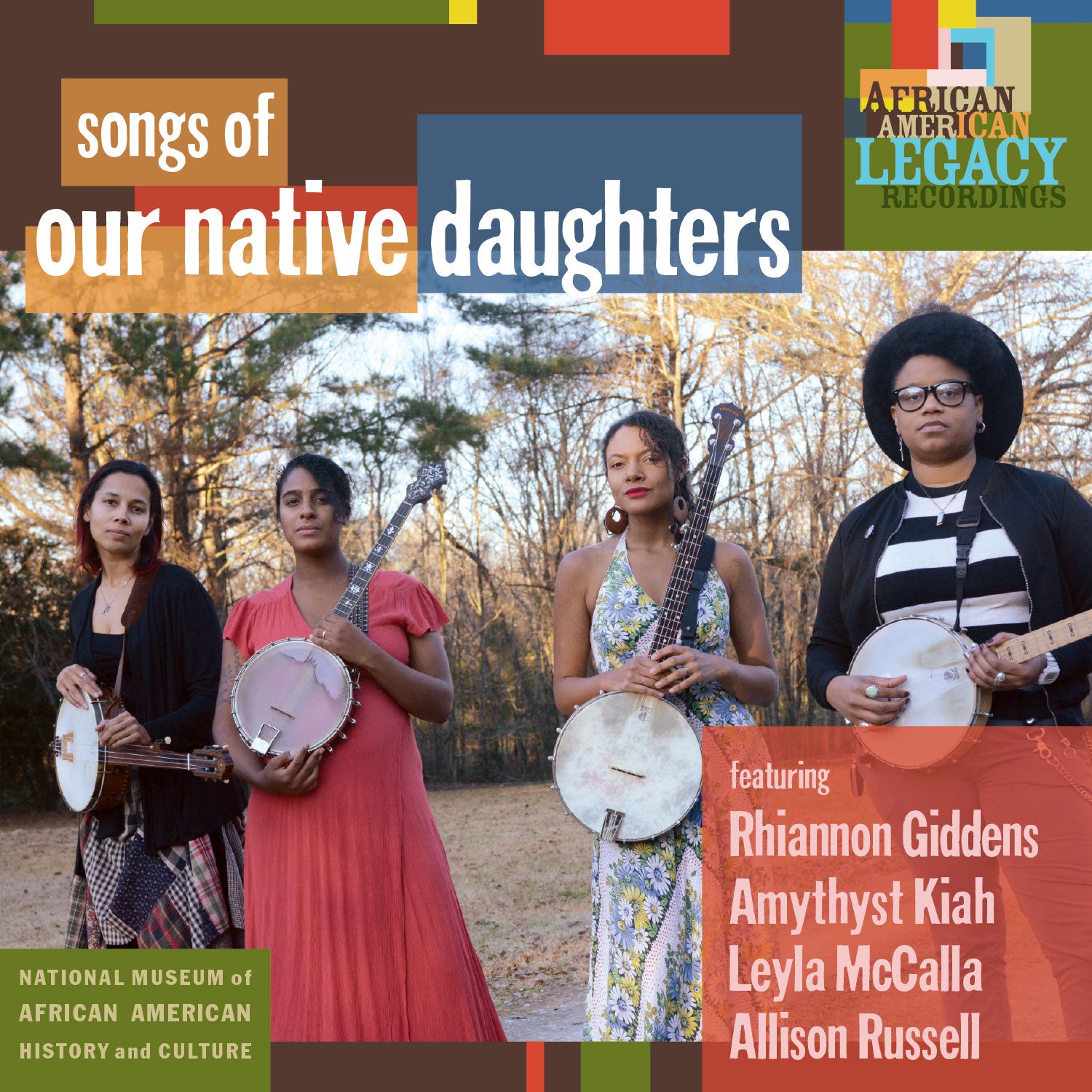
The ngoni’s strings (which are made of thin fishing line like that used with the the kora) are lashed to the neck with movable strips of leather, and then fed over a fan-shaped bridge at the far end of the body. The string closest to the player actually produces the highest pitch, and the player plucks it with his thumb, just like a 5-string banjo. This feature, coupled with the fact that the ngoni’s body is a drum rather than a box, provides evidence for some students of world music that the ngoni is in fact the African ancestor of the banjo.
References

Wisconsin Public Radio, © Copyright 2025, Board of Regents of the University of Wisconsin System and Wisconsin Educational Communications Board.