Latricia Williams relies on food stamps from FoodShare each month to feed her 4-month-old baby formula.
He drinks five bottles a day — and cans of his formula cost Williams $75.
“All my benefits go to his milk. I stock up on that,” said Williams, a Milwaukee resident. “And I can’t next month. … He drinks really fast, so I’m going to have to be going to pantries as well.”
News with a little more humanity
WPR’s “Wisconsin Today” newsletter keeps you connected to the state you love without feeling overwhelmed. No paywall. No agenda. No corporate filter.
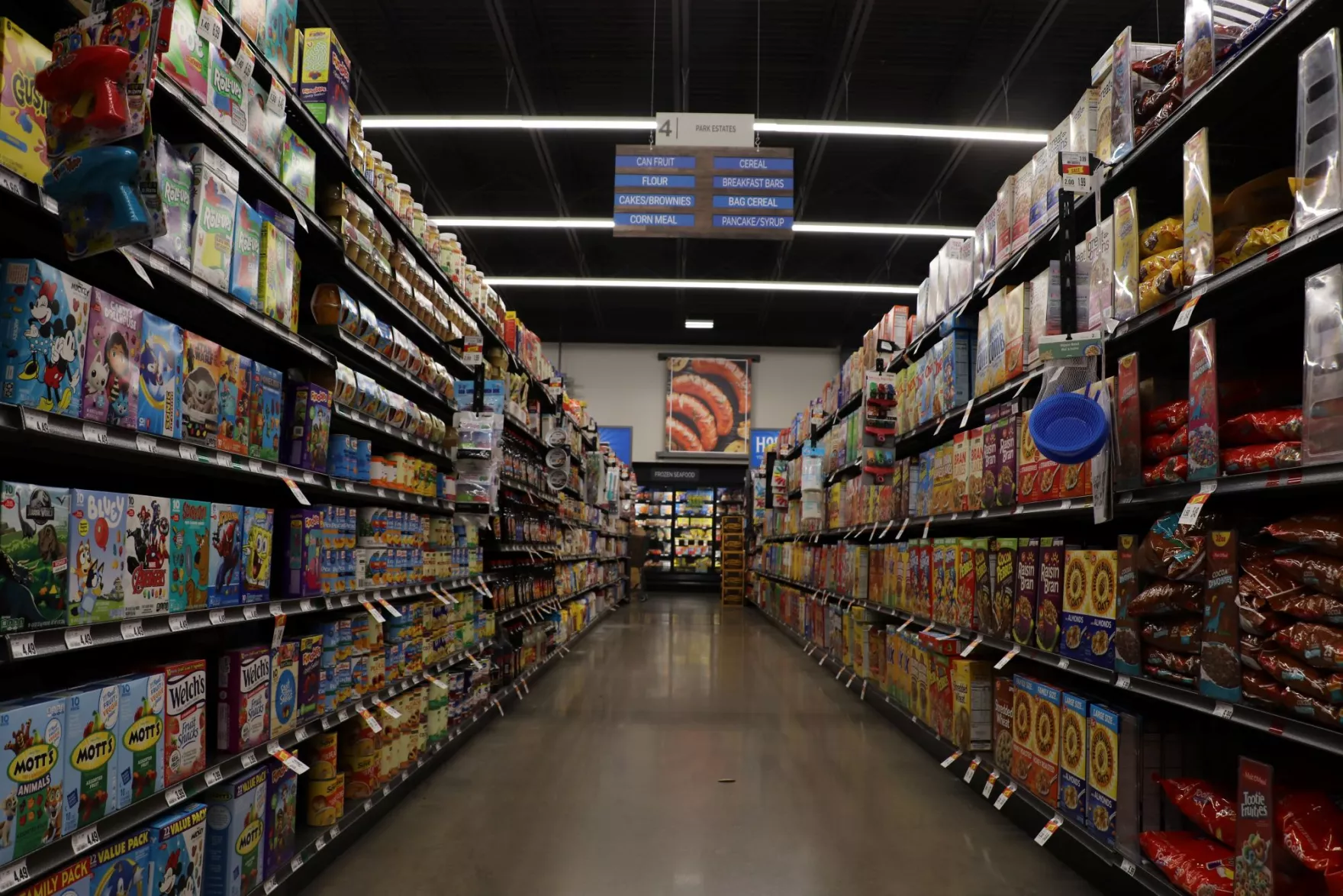
Williams is one of the more than 700,000 Wisconsinites who will lose their Supplemental Nutrition Assistance Program benefits at the end of the month as a result of the partial federal government shutdown. It’s left many wondering how they will access food next month.
Earlier this week, the U.S. Department of Agriculture said on its website that “the well has run dry” and SNAP benefits will not be distributed Nov. 1. FoodShare is the state program that distributes SNAP benefits, often known as food stamps, to Wisconsin residents. All of its funding comes from annual congressional appropriations, which lapsed Oct. 1 when the government shutdown began.
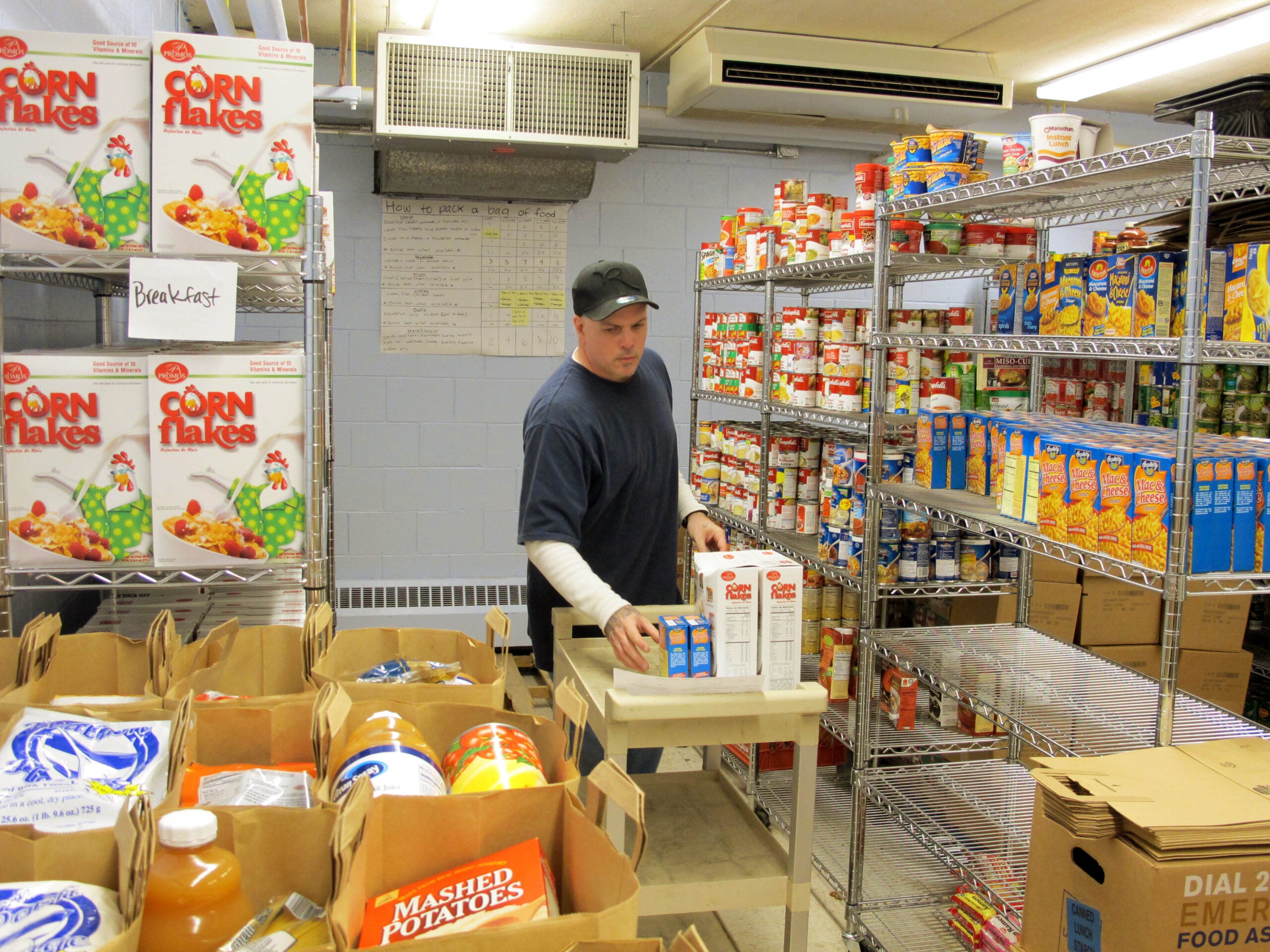
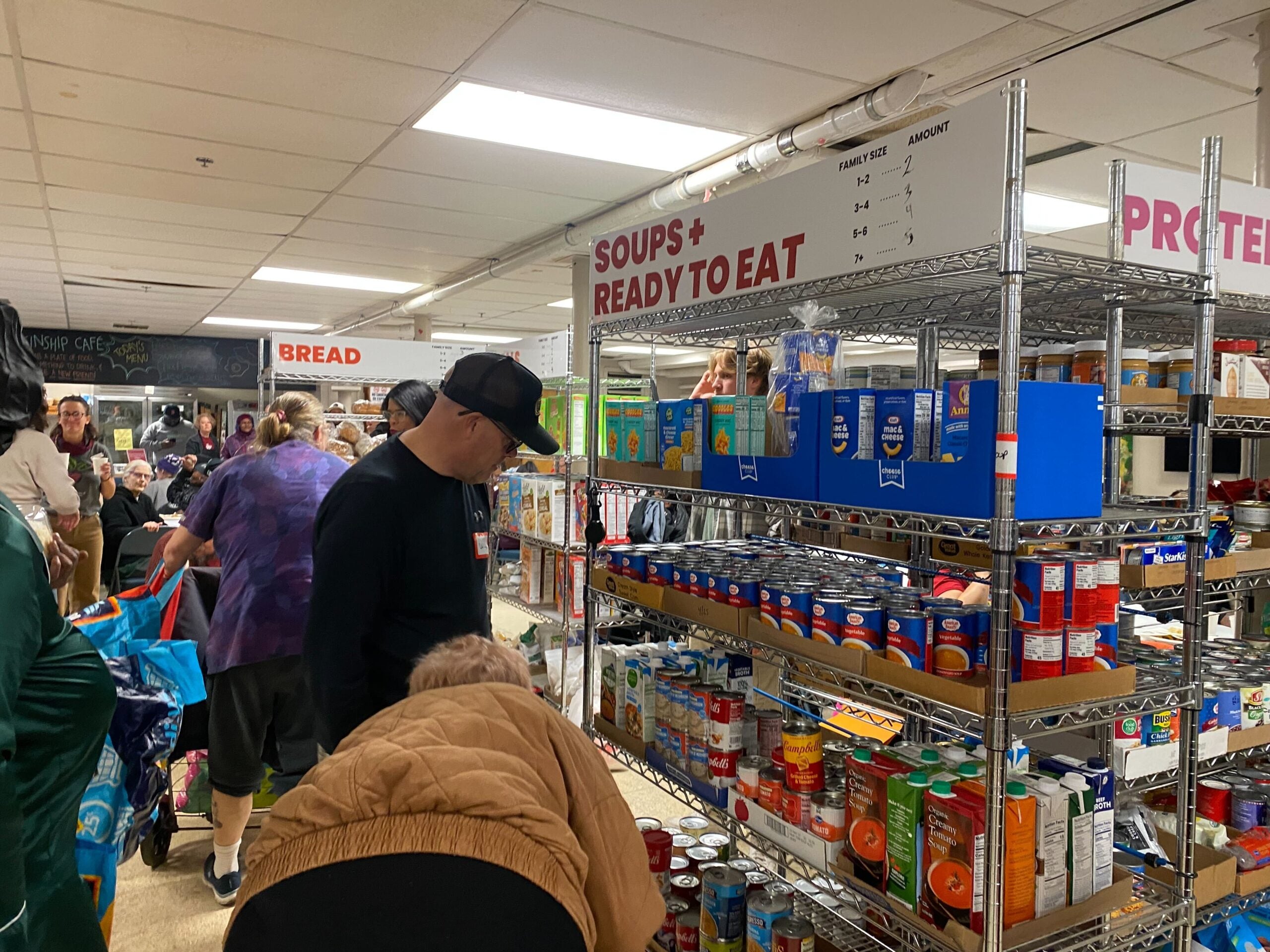
More than 1-in-4 Milwaukee County residents rely on SNAP. Food pantries like Kinship Community Food Center are among those picking up the slack.
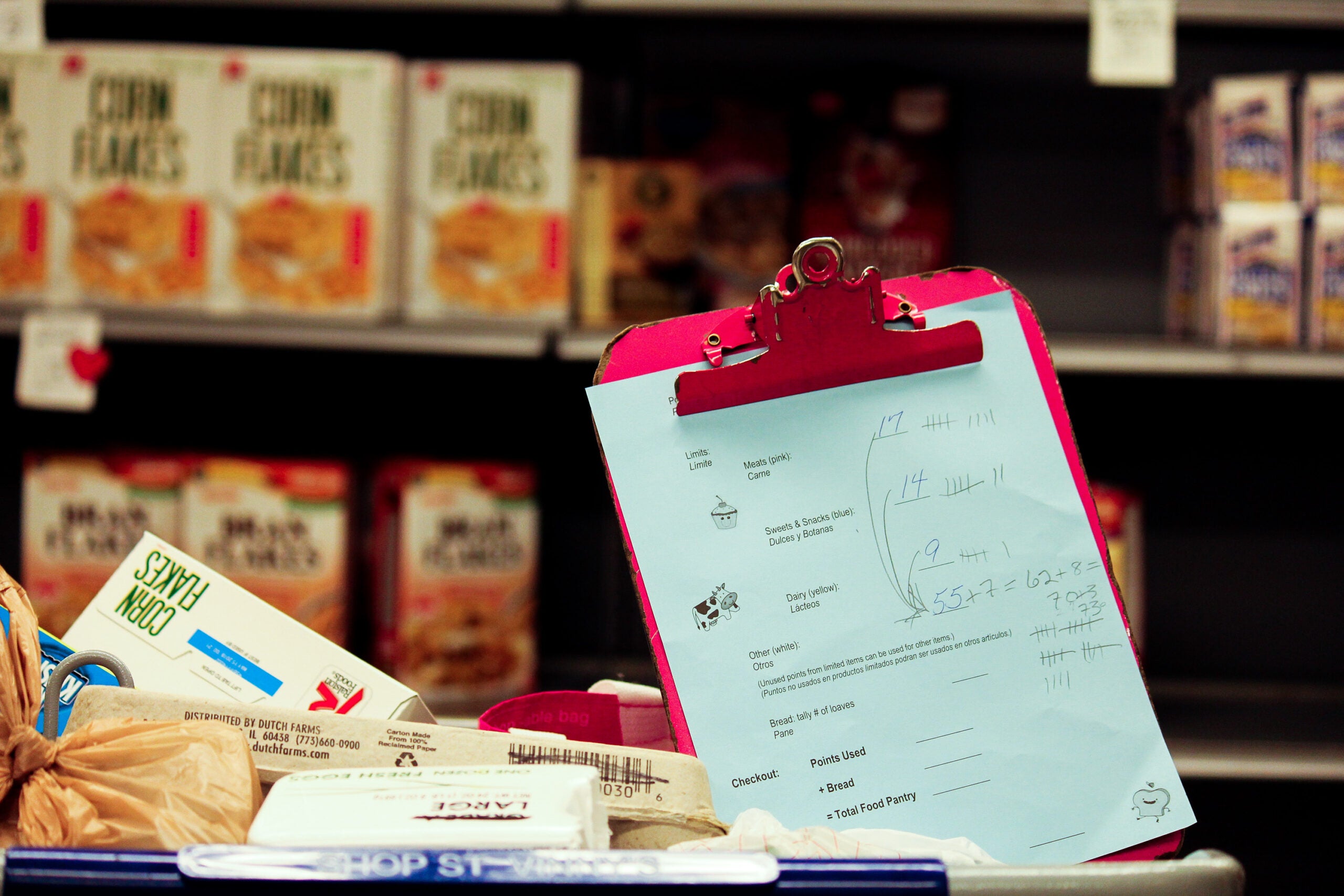
Residents line up for hot meals, food cans, toilet paper and anything else they can stock up on for the week. For many, FoodShare is the only way they can afford to make it through each month.
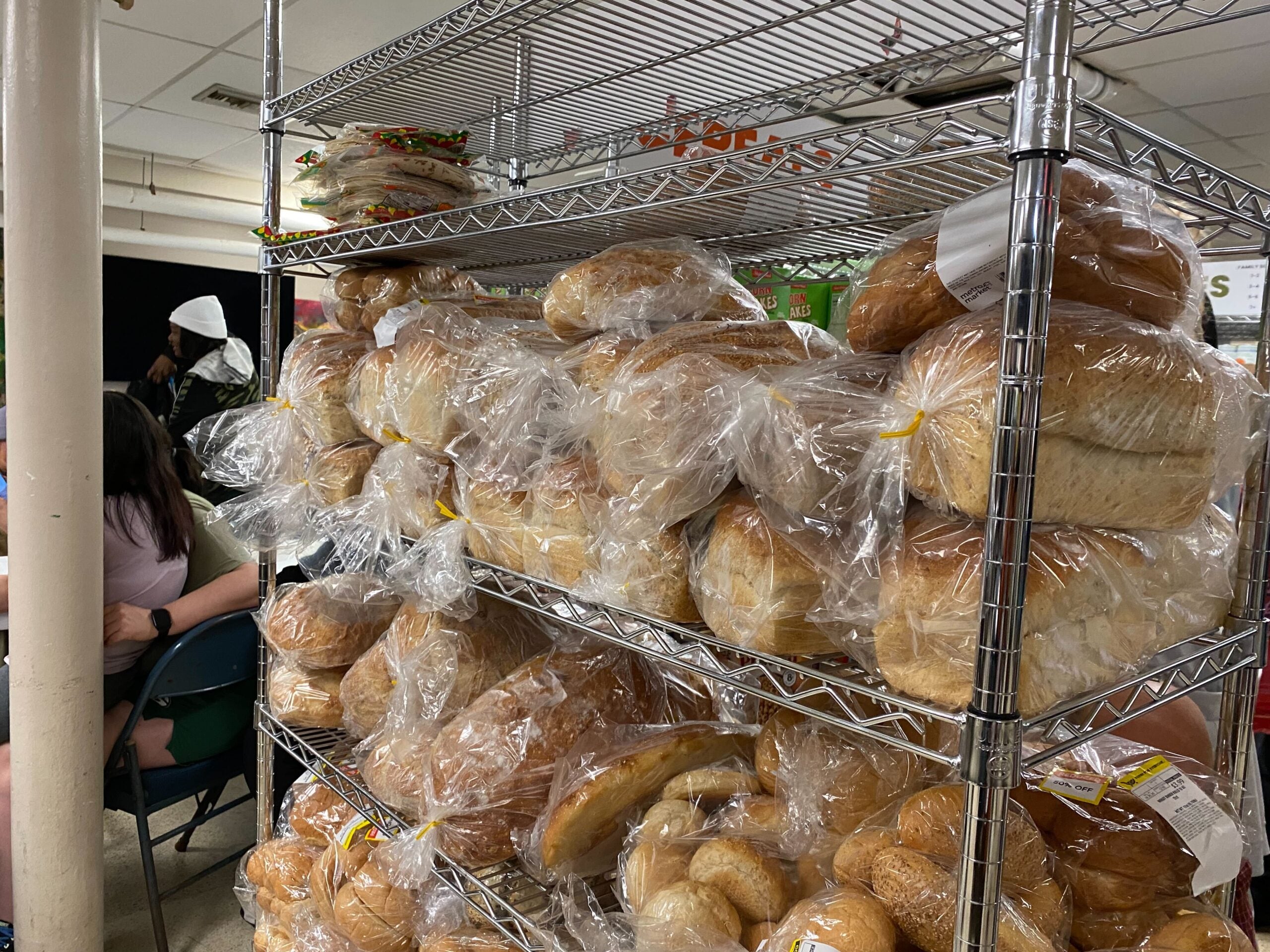
Williams, who is attending school and looking for stable housing, volunteers and attends the food pantry multiple times a week. She says she will rely on help from family and friends to ensure she can care for her son.
Bradley Kayser also volunteers at the food pantry. He has been on disability from a work accident years back. Kayser takes care of his 36-year-old son with autism. For him, his son always comes first.
“So if there’s anything ever that may lack, he has it,” Kayser said. “I put him first — always, always, no matter what.”
Like many who receive FoodShare assistance at the beginning of the month, the benefits are usually spent within weeks. By the end of each month, Kayser said he’s “always pretty much broke.”
He said the pantry is a lifeline.
“It’s hard to live, and then I have to hit pantries,” Kayser said.
He said he is relying on his faith to get through this time of crisis.
Milwaukee is one of the most expensive cities in the country for groceries. That’s according to a recent WalletHub study. Households in the city spend a larger share of their monthly income on food compared to places like Chicago, Minneapolis and Madison.
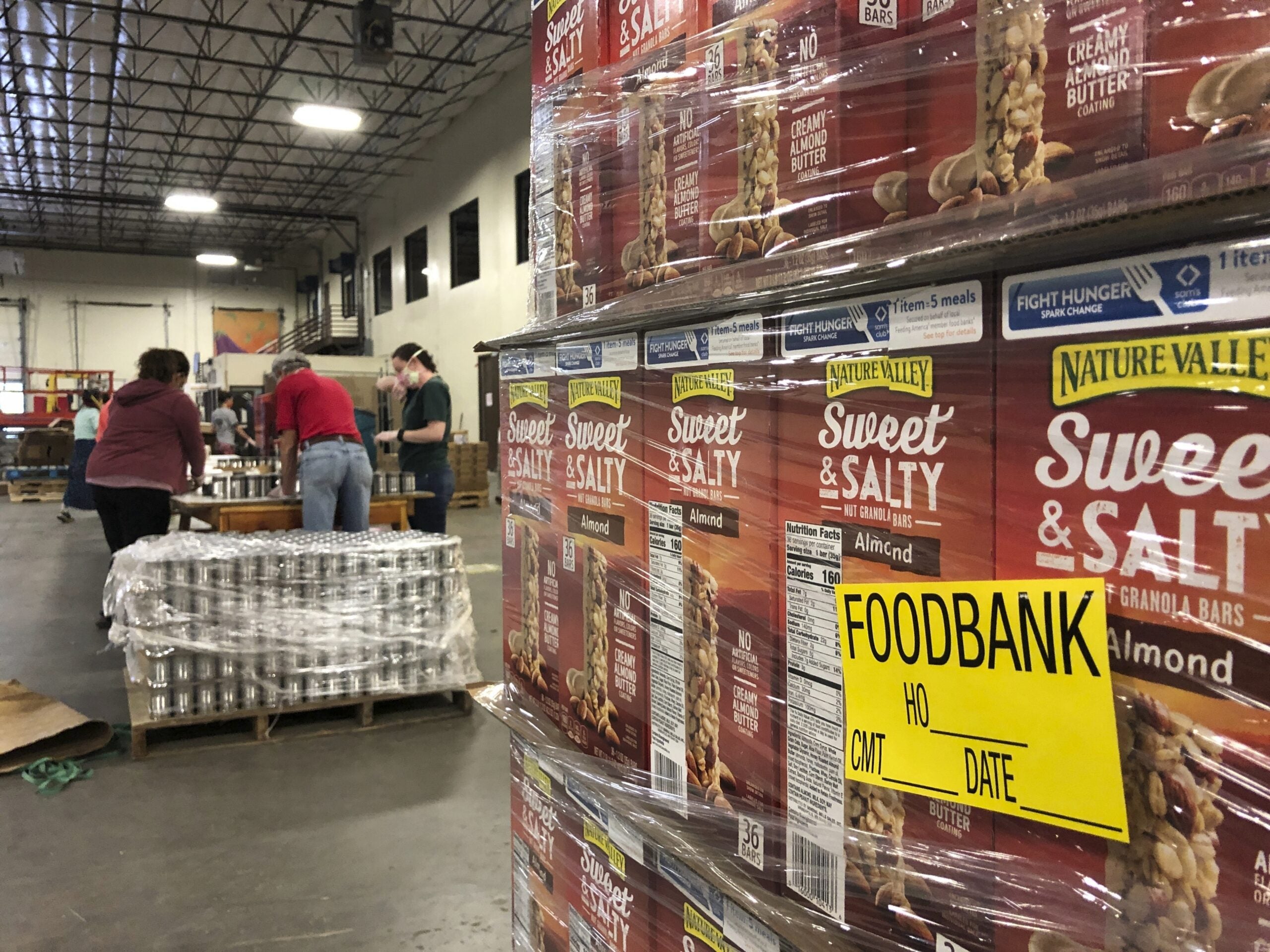
On Tuesday, Milwaukee city and county officials as well as local leaders launched a food drive to support residents affected by the FoodShare cliff. They will work with local food organizations to collect nonperishable food and funds at locations across the area.
“We recognize the very real hardship this shutdown is causing for families who rely on FoodShare,” Milwaukee Health Commissioner Mike Totoraitis said in a statement. “We can’t solve the federal problem, but we can solve part of the local one.”
Officials say the drive will continue until benefits are restored.

Wisconsin Public Radio, © Copyright 2026, Board of Regents of the University of Wisconsin System and Wisconsin Educational Communications Board.