New regulations for Wisconsin liquor licenses went into effect at the start of the new year, but a bipartisan group of lawmakers is already looking to roll back some of those restrictions.
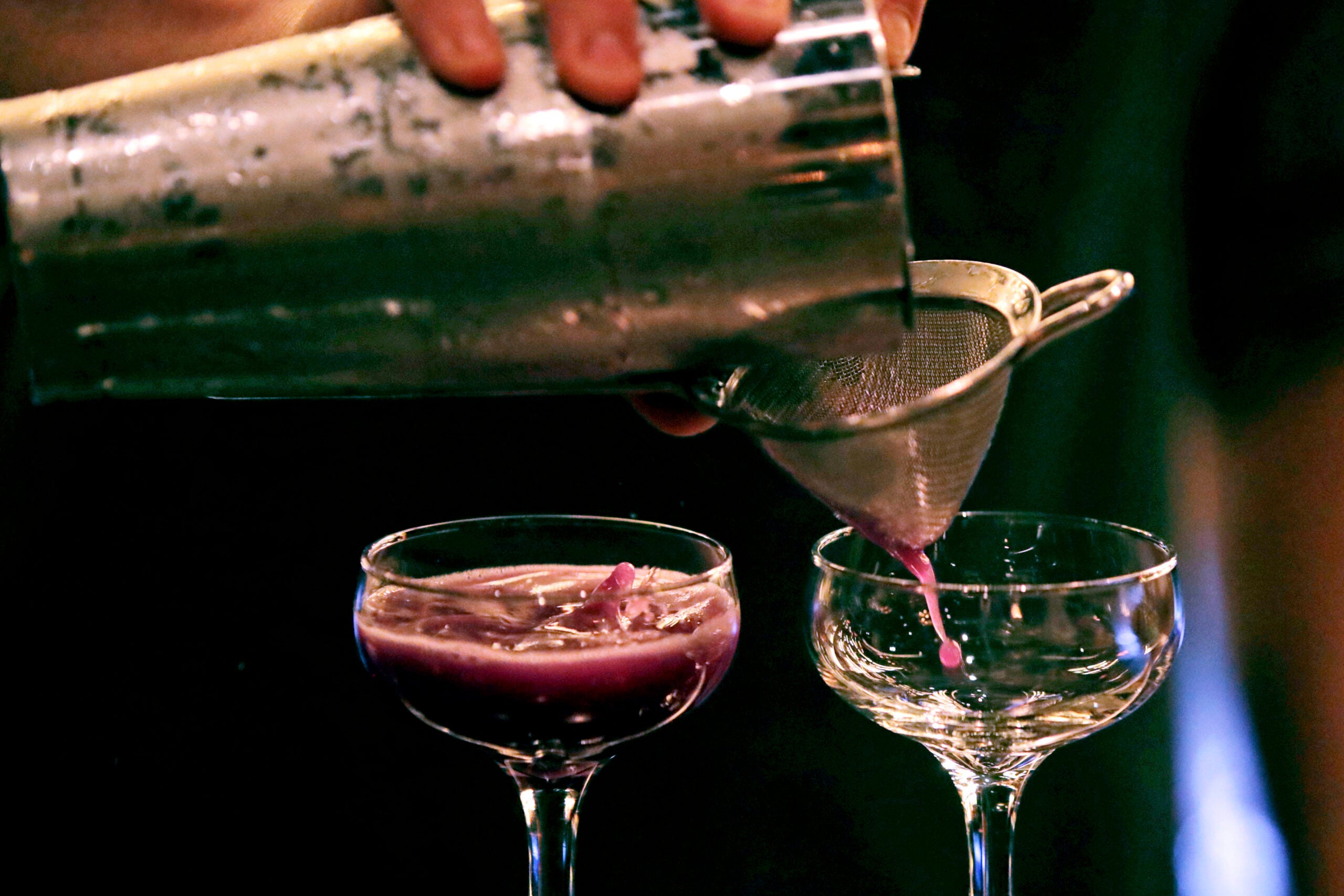
The updated law, which the Legislature passed in 2023, requires event spaces like wedding barns to obtain a liquor license from their local municipality in order to serve alcohol at all events.
The alternative option is to get a “no-sale event venue” permit, which would allow these businesses to serve alcohol at up to six events per year and no more than one event per month.
News with a little more humanity
WPR’s “Wisconsin Today” newsletter keeps you connected to the state you love without feeling overwhelmed. No paywall. No agenda. No corporate filter.
In anticipation of the change, some wedding barn owners opted for the license, which requires them to purchase and store their own alcohol on site instead of relying on outside vendors to supply and serve the drinks.
Others, like Jean Bahn, don’t want a liquor license and are hoping to see the law change.
Bahn owns Farmview Event Barn in Berlin. She told WPR’s “Wisconsin Today” that her venue is an important source of revenue that supports the rest of her family-run farm.
“That’s a whole separate business, selling alcohol. It’s nothing I have any experience with,” Bahn said. “I would have never started if I thought I had to have a liquor license. I don’t want one now. I never did. I don’t think I should have to get one. I don’t have anything to do with what people serve their guests for refreshments.”
She was part of a lawsuit with the Wisconsin Institute of Law and Liberty that challenged these requirements, arguing the law violates their right to earn a living and unconstitutionally targeted their businesses.
A Trempealeau County judge dismissed the lawsuit in November, deciding the regulations fall under the state’s responsibility to protect against excessive drinking.
Prior to the change, proponents of the law argued Wisconsin didn’t have any restrictions on when or how those renting the facilities could bring and serve alcohol at their events.
Bahn said the state doesn’t require liquor licenses or licensed bartenders at sporting clubs or tailgating events, and she hasn’t seen alcohol from wedding barns cause any issues.
“You would think if they could have found examples of problems with wedding barns, they would have addressed them and brought them up. But there were none,” Bahn said. “No one ever contacted the barn venues. I don’t think a lot of (lawmakers) know how we operate.”
A bipartisan group of lawmakers are in the early stages of trying to roll back some of these restrictions on wedding barns in particular.
Democratic state Sen. Mark Spreitzer, along with Democratic state Reps. Clinton Anderson and Jenna Jacobson and Republican state Sen. Andre Jacque introduced a bill last month that would expand what is allowed under the no-sale event venue permit.
Their bill would allow venues to sell alcohol at up to 36 events per year without a liquor license, with no monthly limit.
Anderson told WPR that he’s optimistic the bipartisan support can help them pass this relief for Wisconsin farmers.
“Six events (per year) is not enough to provide stable income,” Anderson said. “This would undo a lot of the damage that we’re seeing take place right now.”
Bahn already has her six events booked for this year, but says she’s missed out on tens of thousands of dollars in deposits she would have had for 2026.
That’s causing her to evaluate whether the fixed expenses of the wedding barn business can still bring in a profit under the new restrictions.
“The future is very much questionable for myself. I know several owners who’ve already quit,” Bahn said. “I operated a lot on word of mouth. People had great experiences, passed it along to their friends. Now I’m limited to six events, all the fewer people that are going to hear about me. I think it appears like I’m kind of failing and fading away.”