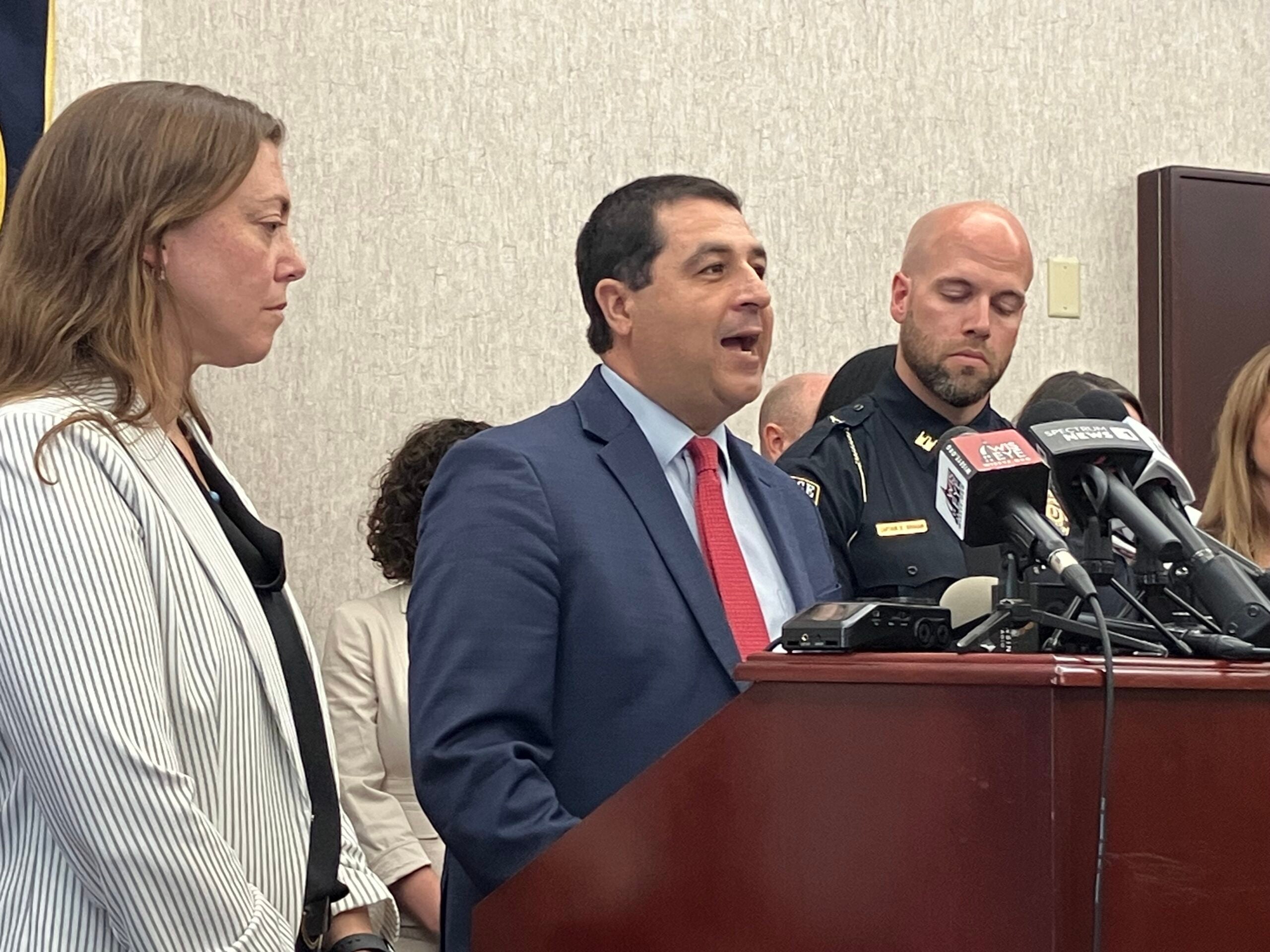
Wisconsin Attorney General Josh Kaul joined a multi-state lawsuit this week against the Trump administration over restrictions to grant funding from the Victims of Crime Act, or VOCA.
The Department of Justice is seeking to block states from accessing those federal funds if they don’t assist the Department of Homeland Security with immigration enforcement.
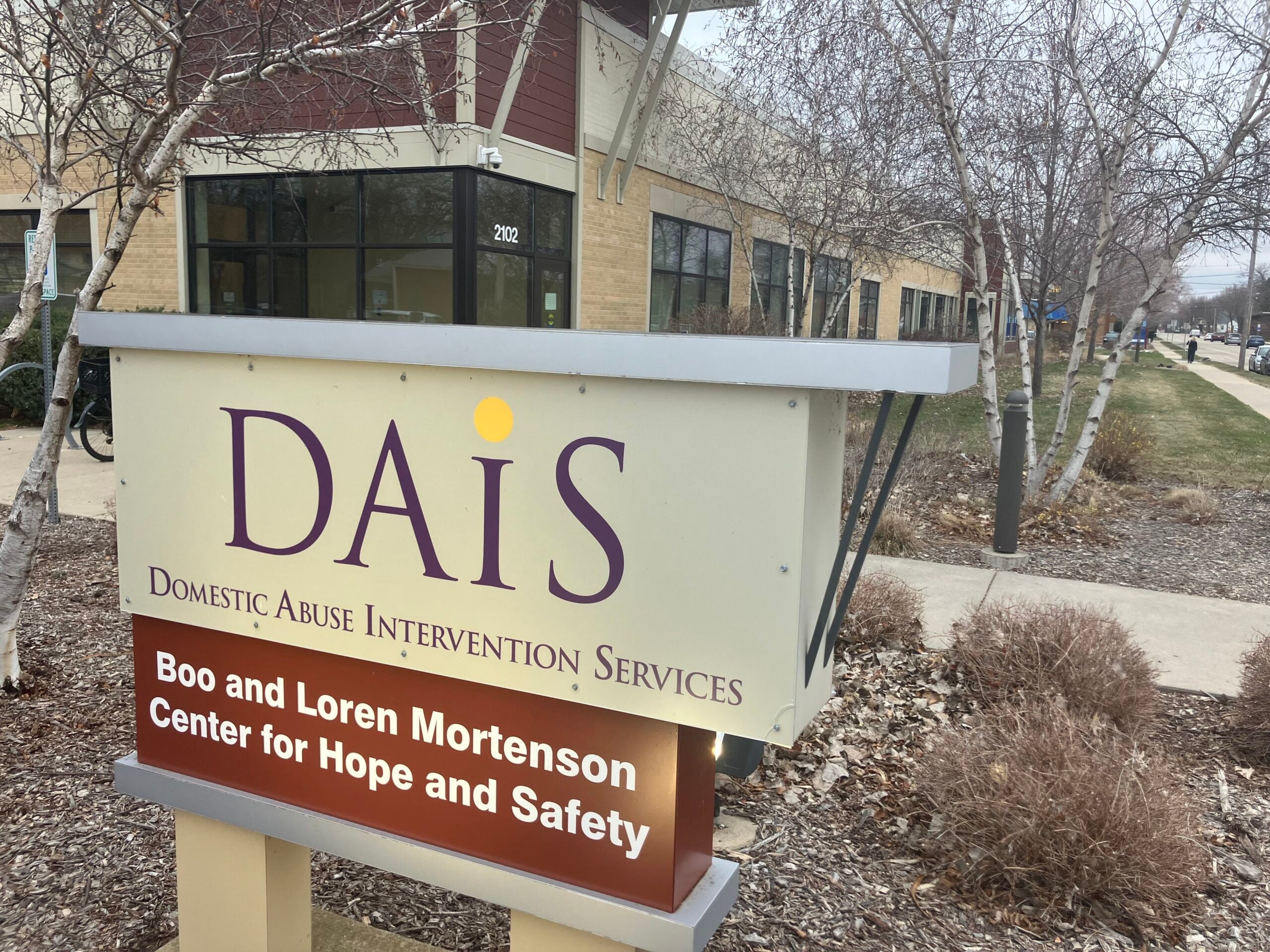
Wisconsin is set to receive over $24 million in VOCA grant funding that it distributes to over 100 victim service providers that are already grappling with previous federal funding cuts.
News with a little more humanity
WPR’s “Wisconsin Today” newsletter keeps you connected to the state you love without feeling overwhelmed. No paywall. No agenda. No corporate filter.
Family Services of Northeast Wisconsin Director Holli Fisher told WPR’s “Wisconsin Today” that this funding helps them pay for advocacy and therapy costs for victims of sexual assault and child abuse, among other crimes.
“We received (an) 87 percent decrease in our award starting last year in 2024, so it’s definitely impacted our ability to provide that barrier-free therapy for victims of crime,” Fisher said. “Many of our advocate positions are currently unfunded, so we’ve had to increase our fundraising activities, which takes away from services we’re able to provide for victims.”
At The Rainbow Project in Madison, executive director Sharyl Kato is seeing a growing waiting list for their trauma recovery programs because they’ve lost hundreds of thousands of dollars in funding so far.
She told WPR that having the funding to intervene right away after a victim experiences trauma is the most important to improve long-term health outcomes.
“If you can get in within the first three to four weeks, you can stabilize and really prevent future post-traumatic stress disorder,” Kato said. “When you chip away at some of those community mental health services, you really are going to see much more serious mental health problems occurring.”
Kato noted that VOCA cuts might save the federal government money in the short term, but having fewer services can actually cost communities more long-term as they instead pay for services like foster care, juvenile courts, addiction treatment and inpatient medical care.
Service providers are collaborating more and more as they deal with funding cuts and the latest threat to block VOCA funding for certain states.
Family Services of Northeast Wisconsin recently formed a Victims Services Partnership with six other service providers in the area to work together on fundraising to address these budget shortfalls.
The current goal is to raise $3 million that will be split between the organizations to maintain their services. That still won’t completely meet their funding gaps.
“Over the next three years, we’ll be losing over $5 million in VOCA funding,” Fisher said. “We knew that we needed to come together to sustain these services, because advocacy services for victims of crime are free and confidential, and we want to keep it that way, so that victims are able to come forward and reduce the barriers they’re facing.”
The need would be even greater if the Trump administration blocked the entirety of Wisconsin’s grant funding.
Fisher sees it as a public health issue that shouldn’t be shaped by the Department of Justice.
“Congress didn’t authorize the U.S. DOJ to impose conditions on the VOCA grant,” Fisher said. “To tie those two together would really be a disservice to victims in the state of Wisconsin and reduce their access to resources.”