Advocates are calling on the Legislature to appropriate more money for crime victim services after funding approved by a budget committee on Friday fell short of the amount requested by Wisconsin’s attorney general.
Late last week, lawmakers on Wisconsin’s Republican-controlled Joint Finance Committee approved $20 million over the next fiscal year in grants to organizations that serve crime victims.
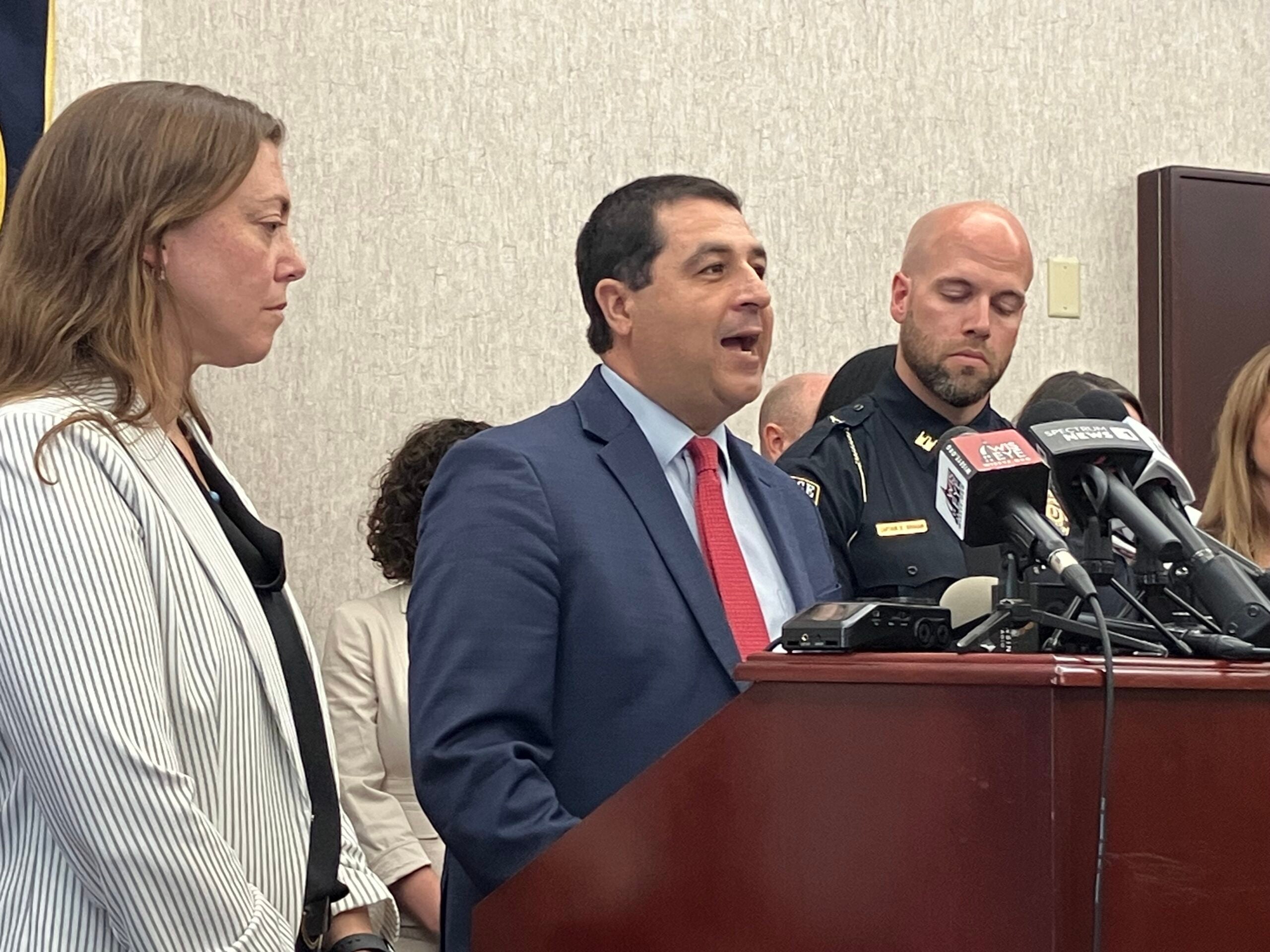
That’s tens of millions less than the $67 million requested by Wisconsin’s Department of Justice for victims services for the upcoming two-year budget cycle. During a news conference Monday, Attorney General Josh Kaul, a Democrat, said the amount approved on Friday “sadly came up far short” of what is needed.
News with a little more humanity
WPR’s “Wisconsin Today” newsletter keeps you connected to the state you love without feeling overwhelmed. No paywall. No agenda. No corporate filter.
Flanked by leaders of victim service organizations, Kaul argued it’s not too late for lawmakers to set aside additional state funds.
“When survivors are supported, they’re more likely to report crimes, to cooperate in prosecutions and begin to heal,” Kaul said. “That makes Wisconsin safer. It makes our community stronger, and it’s investment that the Legislature should make in this year’s state budget.”
Although portions of the budget, including funding for the Wisconsin Department of Justice, have cleared the Legislature’s powerful budget committee, the Legislature has not yet voted on the state’s full budget.
The committee also OK’d $4 million over two fiscal years for child advocacy centers, and it agreed to fund two time-limited positions within the Wisconsin Department of Justice’s Office of Crime Victim Services. The Republican-controlled committee did not allocate funds for victim service grants in the second year of the budget.
GOP leaders did not immediately respond to a request for comment Monday afternoon.
The state funding would be used to supplement federal dollars from the 40-year-old Victims of Crime Act, or VOCA.
The act created a fund that distributes money to private and public agencies serving crime victims across the country. In Wisconsin, VOCA dollars help pay for a broad range of services, including counseling, domestic violence shelters, crisis hotlines and programs that help victims navigate the experience of appearing in court.
Money for the VOCA fund comes from fines and fees paid by people convicted of federal charges. But over time, VOCA funding has been unstable, and the total amount of money available has fallen since its peak nearly a decade ago.
In the most recent federal fiscal year, Wisconsin got about $13 million from VOCA — a drop of more than 70 percent compared to the $44 million allocated five years prior.
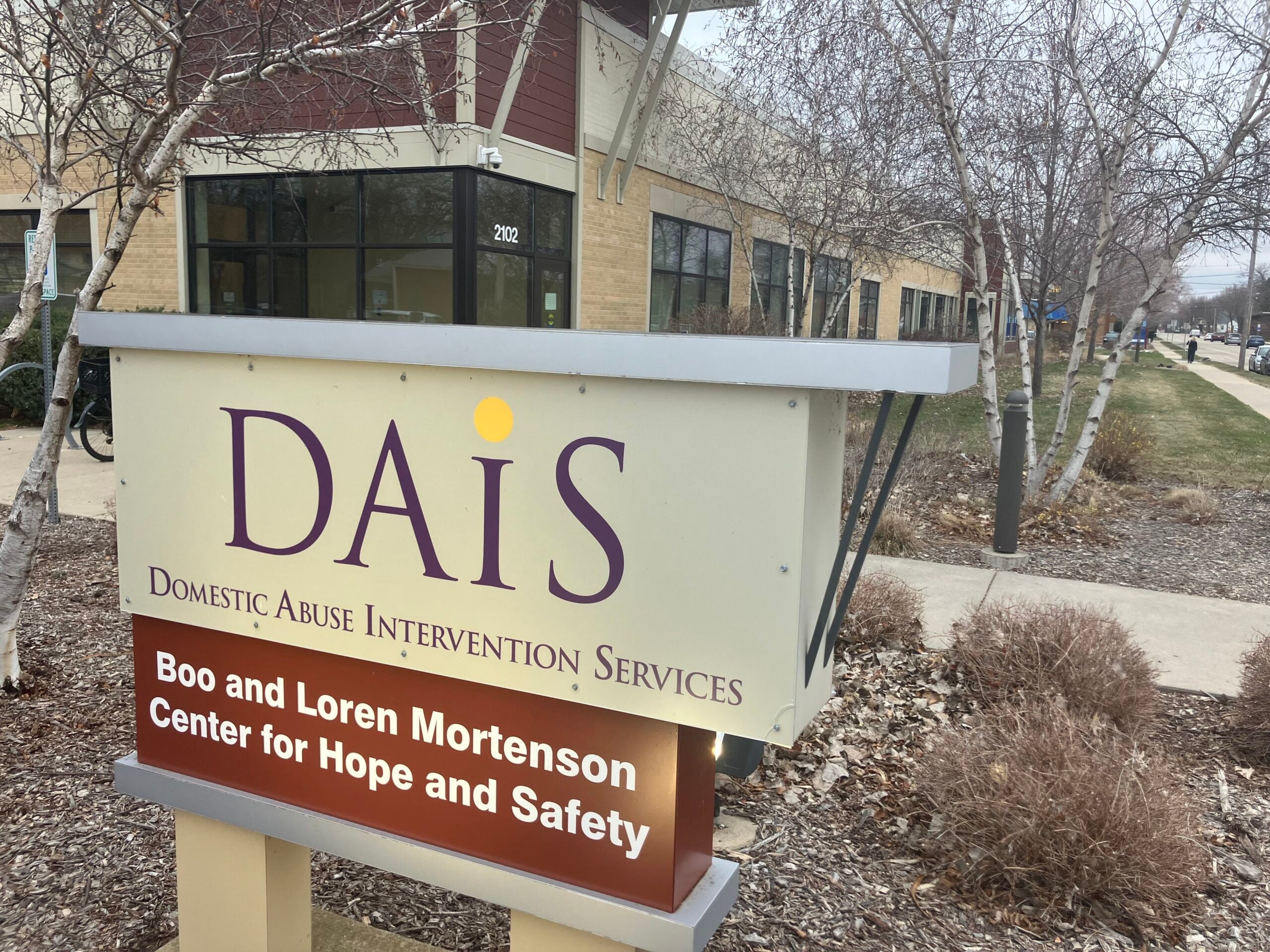
In Madison, Domestic Abuse Intervention Services has already been contending with slashed funding from VOCA, said Shannon Barry, who leads that organization serving victims of intimate partner violence. Barry said the nonprofit is trying to increase its private fundraising to fill the gap, but without additional support from the state, it will likely have to make more cuts.
“Additional cuts would mean even more severe choices for our program,” Barry said during Monday’s news conference. “Things like hiring freezes — which we’re already doing — longer wait lists for our shelter, reduced hours of service and impossible case loads for our case managers and legal advocates.”
In recent budget cycles, Wisconsin has bolstered VOCA money with a combination of federal pandemic relief dollars and one-time state allocations.
In the state’s 2023 fiscal year, Wisconsin allocated $6.6 million in federal pandemic relief money from the American Rescue Plan Act, or ARPA, to add to $37.2 million in VOCA funds.
And in the 2024 fiscal year, Wisconsin used a combination of $13 million from ARPA and $10 million in one-time state funding to bolster $30.7 million from VOCA.
Wisconsin’s new fiscal year starts Tuesday. But with a budget unlikely to be approved and signed by then, Wisconsin can continue to operate under its old taxing and spending plan until a new fiscal plan takes effect.
In February, Democratic Gov. Tony Evers proposed a total two-year spending plan of $119 billion. Republicans who control the Legislature, however, have been focused on slashing spending, and they’ve mostly advanced allocations below what Evers and state agencies have requested.
Once the budget is approved by lawmakers, Evers has the option to veto all or parts of it, and legislators are short of the super-majority that would be needed for a veto override.

Wisconsin Public Radio, © Copyright 2026, Board of Regents of the University of Wisconsin System and Wisconsin Educational Communications Board.