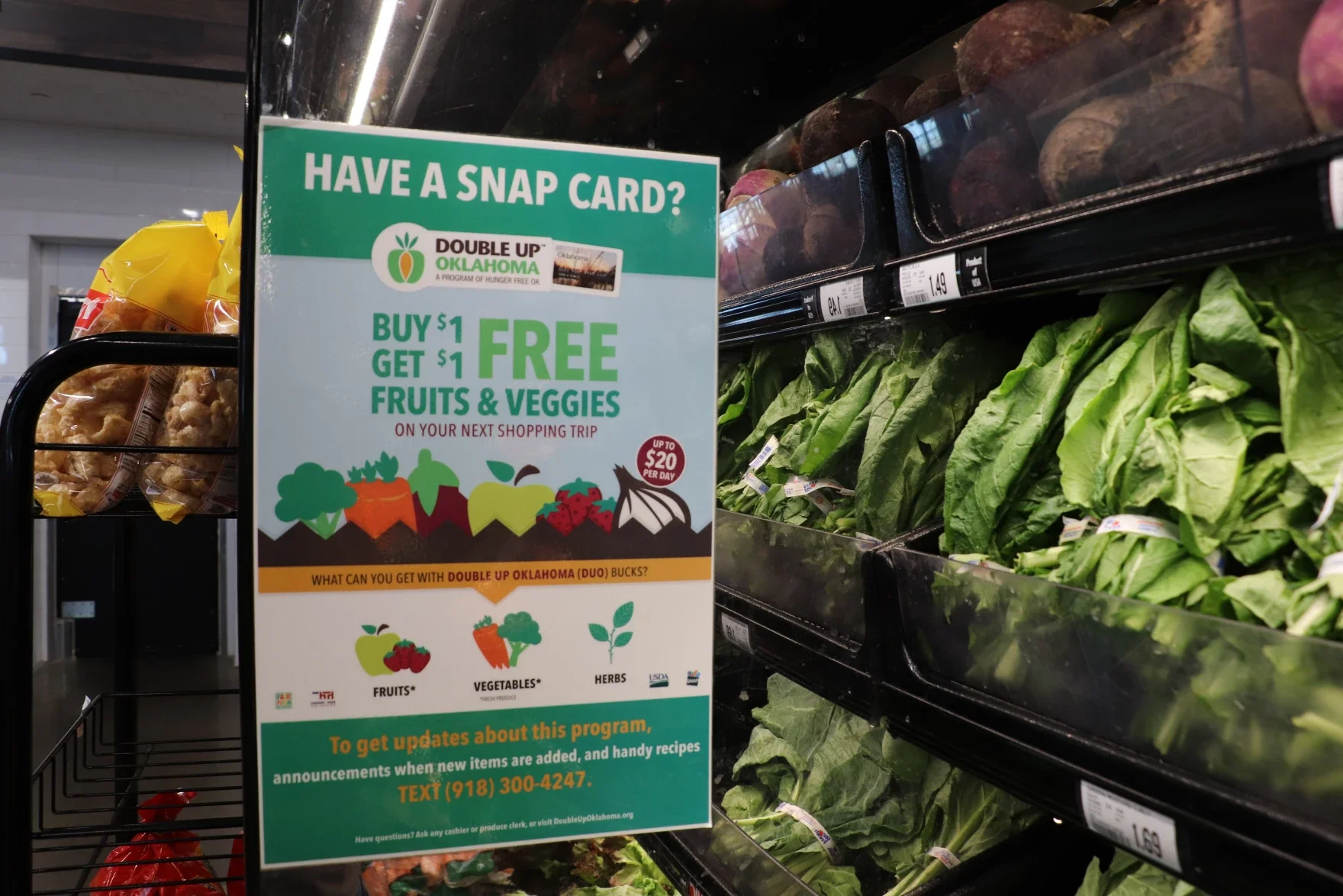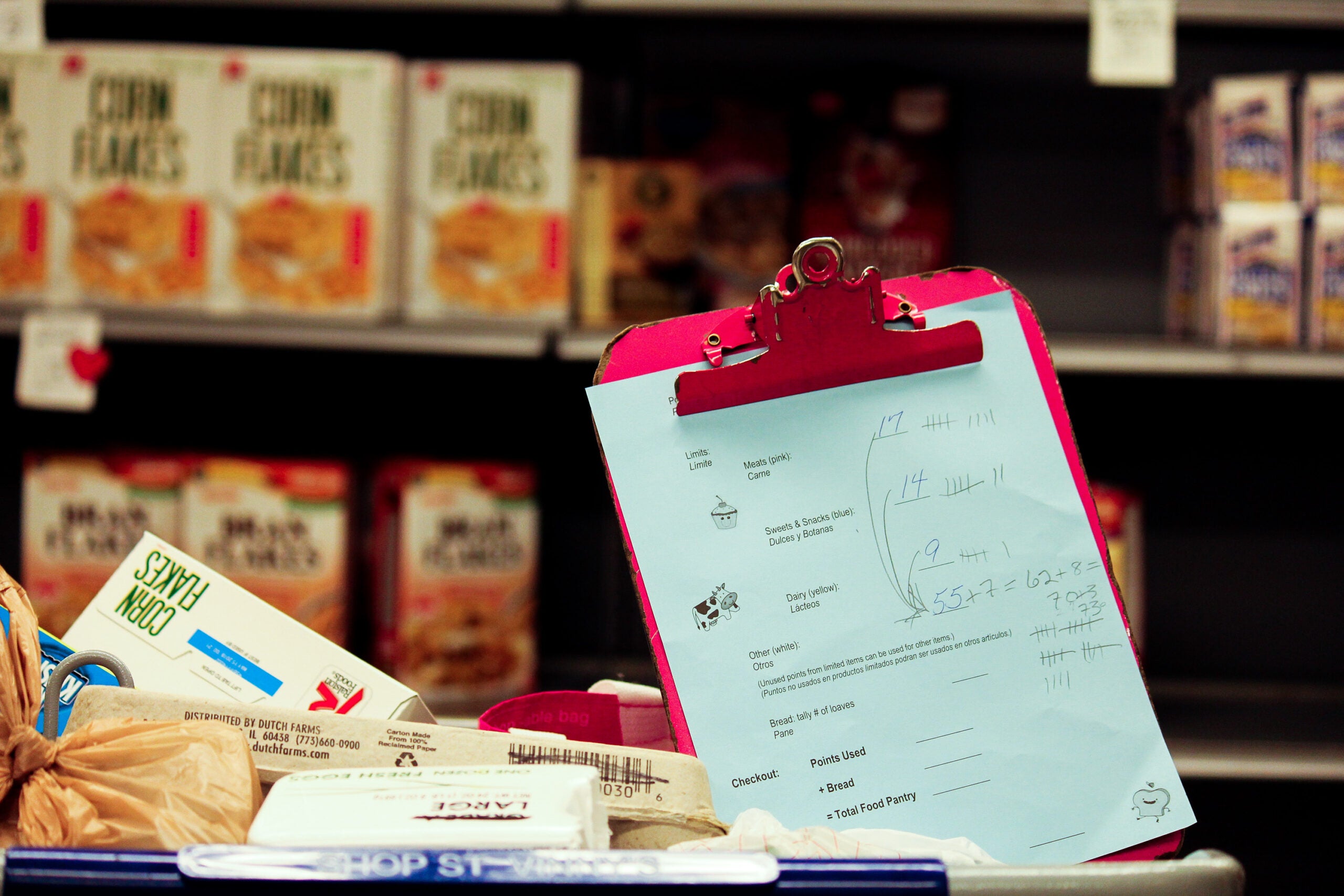
About 700,000 Wisconsinites typically receive food assistance payments at the start of each month. Unless the federal government shutdown is resolved, this Saturday, Nov. 1, those payments won’t arrive.
The U.S. Department of Agriculture announced last week that the Supplemental Nutrition Assistance Program, or SNAP, would be on hold because of the ongoing shutdown.
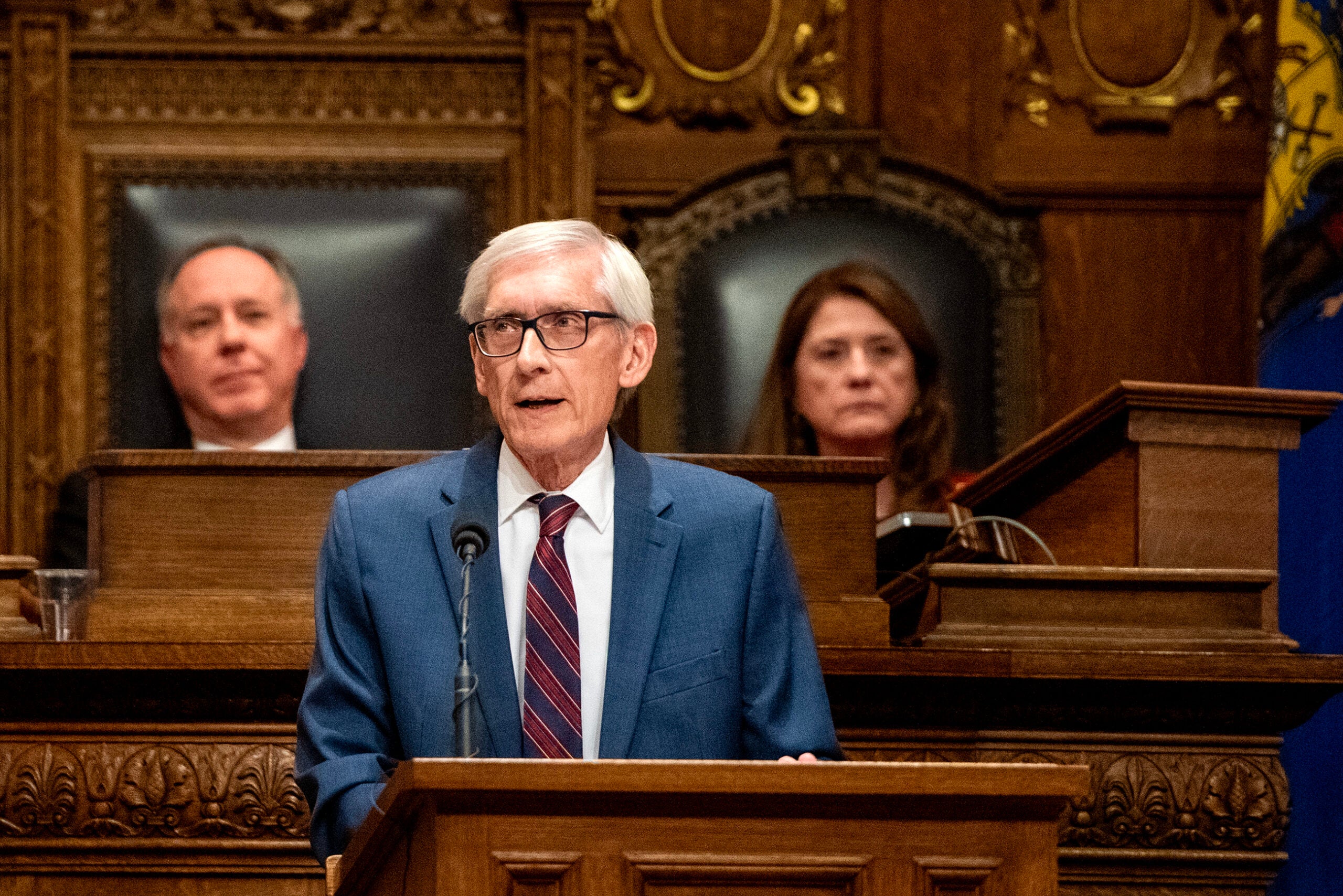
In response, Gov. Tony Evers first wrote a letter to USDA Secretary Brooke Rollins, urging the Trump administration to use discretionary dollars to fund the program. Earlier this week, Wisconsin signed onto a multistate lawsuit demanding those funds be used.
News with a little more humanity
WPR’s “Wisconsin Today” newsletter keeps you connected to the state you love without feeling overwhelmed. No paywall. No agenda. No corporate filter.
But in Wisconsin, where the Democratic governor and GOP-held Legislature are often at cross purposes — and express differing opinions about who’s to blame for the month-long shutdown — Evers has little ability to fund food assistance by himself.
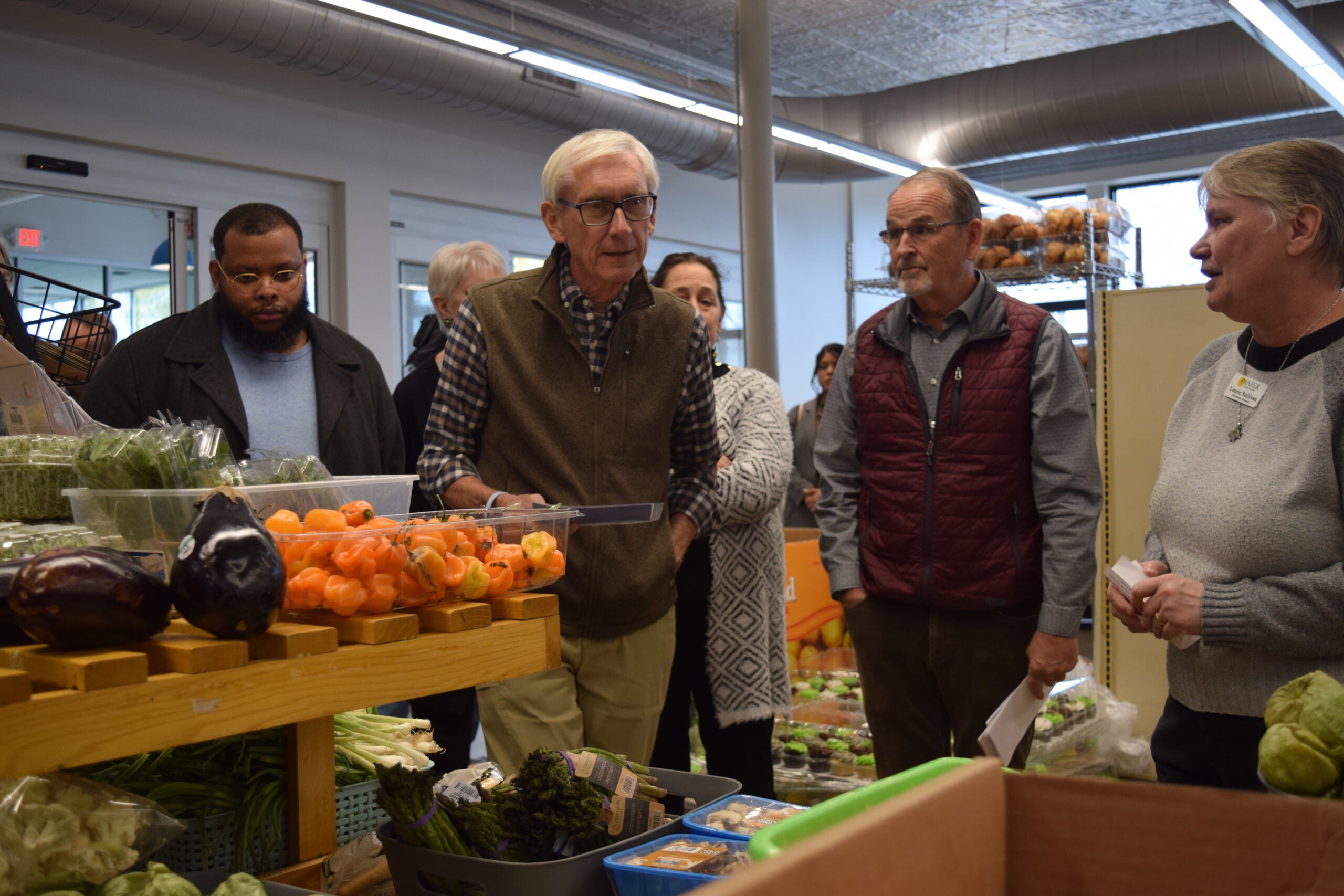
“As far as my ability to do something unilaterally, it would have to have the Legislature’s approval,” he told reporters at an event in Racine last week. “And it’s not that they wouldn’t do it. We’re not flush with money here.”
Wisconsin has a few places to draw money from. The state’s general fund, which operates like its main checking account, ran a multibillion-dollar surplus for years and totaled $4.6 billion on June 30. But after the state budget passed in early July, following a deal struck between Evers and legislative Republicans, that surplus is projected to decrease to under $1 billion in the next two years.
Wisconsin’s budget stabilization fund — often referred to as the state’s “rainy day fund” — exists to cushion against fiscal emergencies. That fund stands at about $2 billion, according to the state’s most recent annual financial report.
“The first question is just, do we have the money?” said Jason Stein, president of the Wisconsin Policy Forum. “Certainly, if we’re talking a matter of weeks, or … low number of months.”
But when it comes to spending state funds, the governor would need to call a special session of the Legislature, or the Legislature would need to call an extraordinary session of itself, to pass an appropriations bill to cover the lost federal money.
“Let’s just imagine that every time federal funding did not appear, the governor could just unilaterally take state tax dollars … and just pay for that,” Stein said. “That really leaves very little role for the Legislature in that process.”
During the COVID-19 pandemic, Evers had a higher level of authority to spend emergency dollars without an OK from the Legislature. But that money came from the federal government. Evers cannot tap into state reserves without the GOP-held state Legislature authorizing him.
Meanwhile, the exact monthly cost of FoodShare has been in flux since the height of COVID-19, when more people were out of work and reliant on government assistance and when the amount of the payments were adjusted to reflect increased cost of food, according to a report by the Wisconsin Policy Forum. Going into 2024, the program disbursed more than $100 million a month.
For their part, Wisconsin’s GOP leaders haven’t indicated whether they’ll vote to authorize emergency spending for food assistance. Senate President Mary Felzkowski, R-Tomahawk, said in an interview with WISN-TV over the weekend that the issue needed to be solved by the federal government.
Neither Sen. Majority Leader Devin LeMahieu, R-Oostburg, nor Assembly Speaker Robin Vos, R-Rochester, responded to WPR’s questions about whether they would work to backfill SNAP funding.
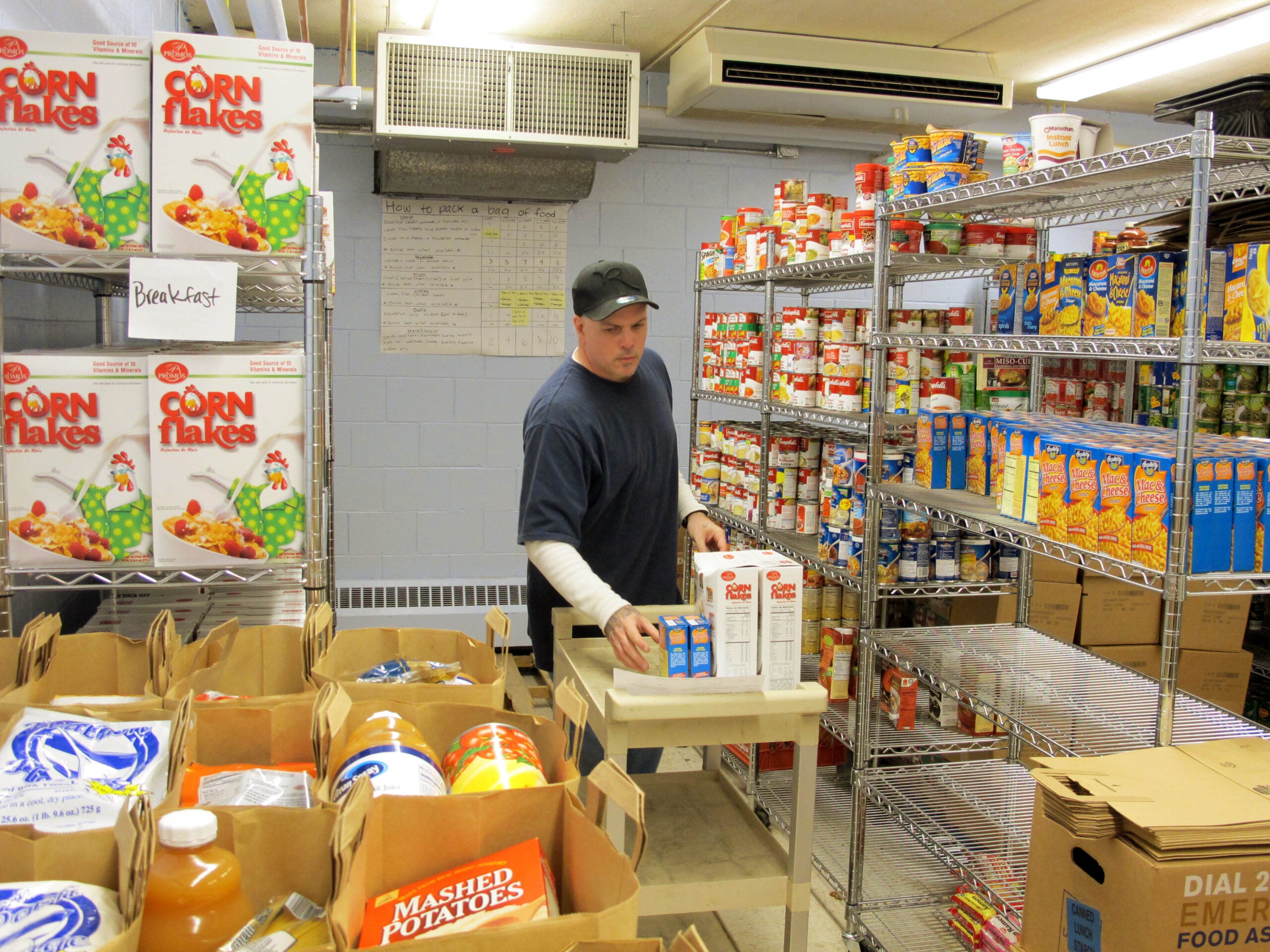
Elsewhere, some governors have redirected funds to fill in what service providers say could be a significant spike in need among food insecure people. New York’s Democratic Gov. Kathy Hochul said she’d move about $40 million to cover meals at food pantries as about 3 million people there will lose their SNAP benefits. Louisiana’s Republican Gov. Jeff Landry declared a state of emergency, asking his state’s Legislature to spend $150 million subsidizing SNAP benefits.
But both sides of the aisle seem to agree that the solution lies in Washington. Congressional Republicans call on Democrats to back the GOP’s preferred spending bill. Congressional Democrats say they won’t support cuts to health care subsidies.
“The Department of Agriculture in Washington, D.C. that runs this program, they can (fund SNAP),” Evers said. “This is something that can be fixed in Washington, D.C.”

Wisconsin Public Radio, © Copyright 2026, Board of Regents of the University of Wisconsin System and Wisconsin Educational Communications Board.