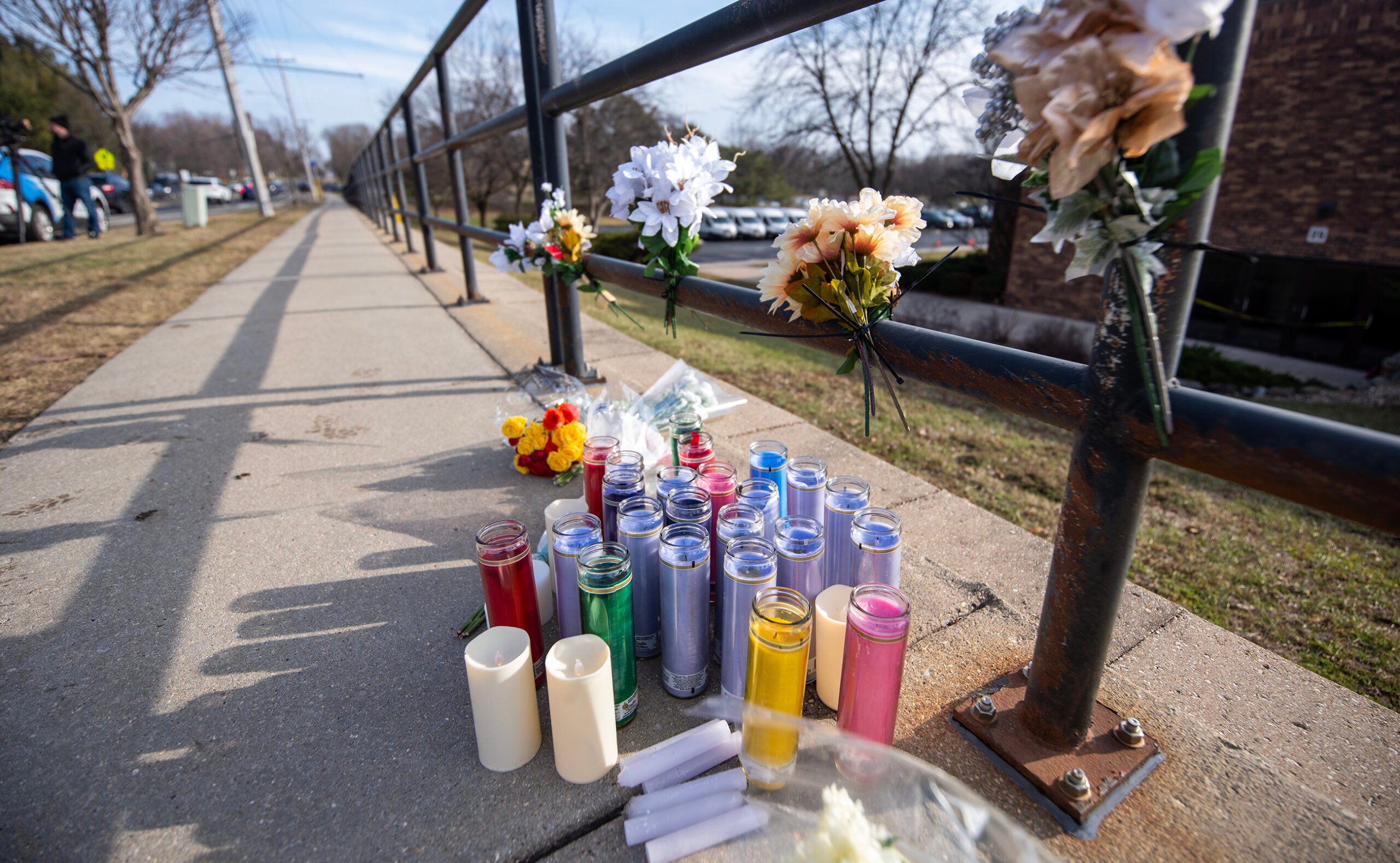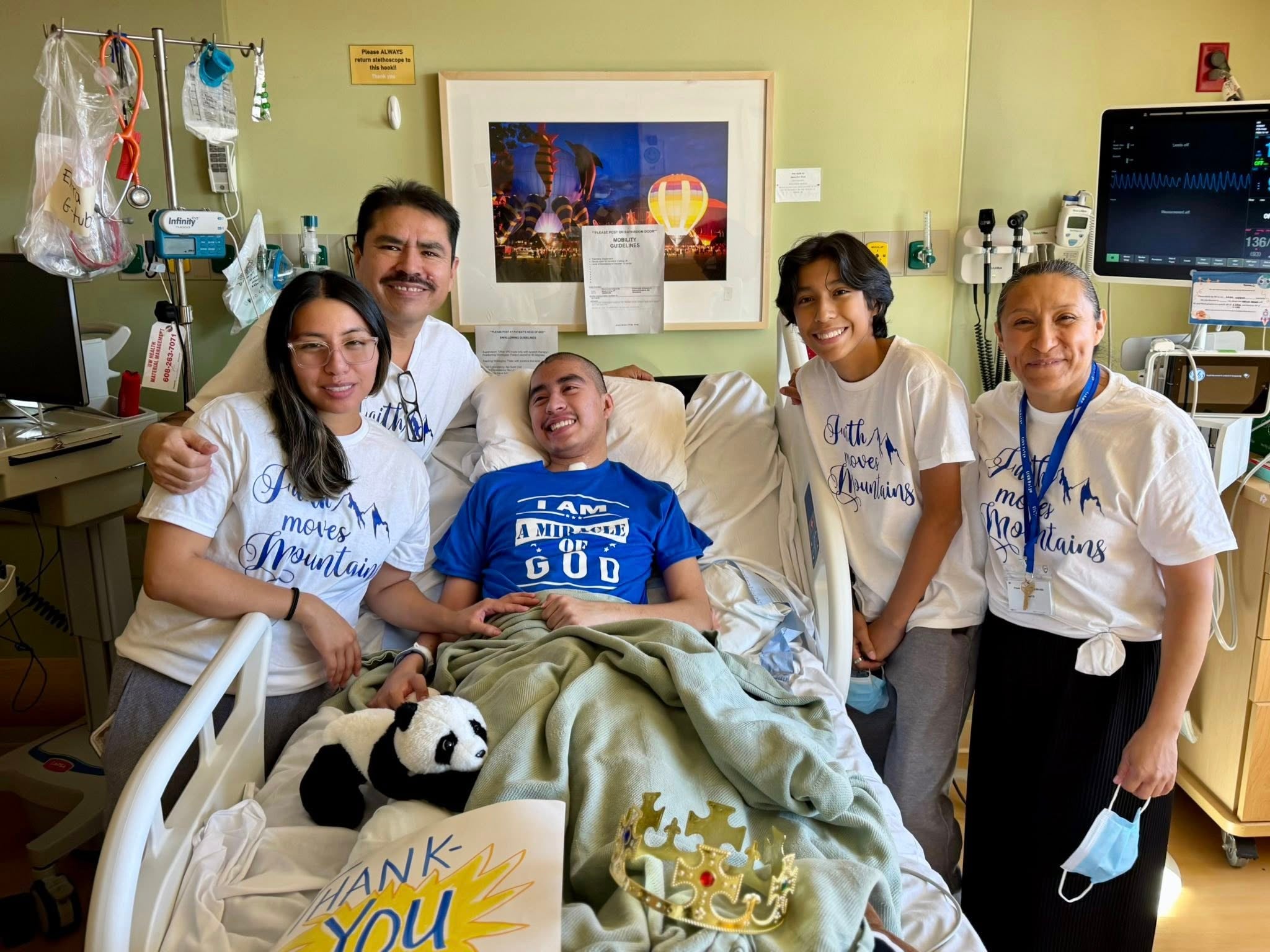
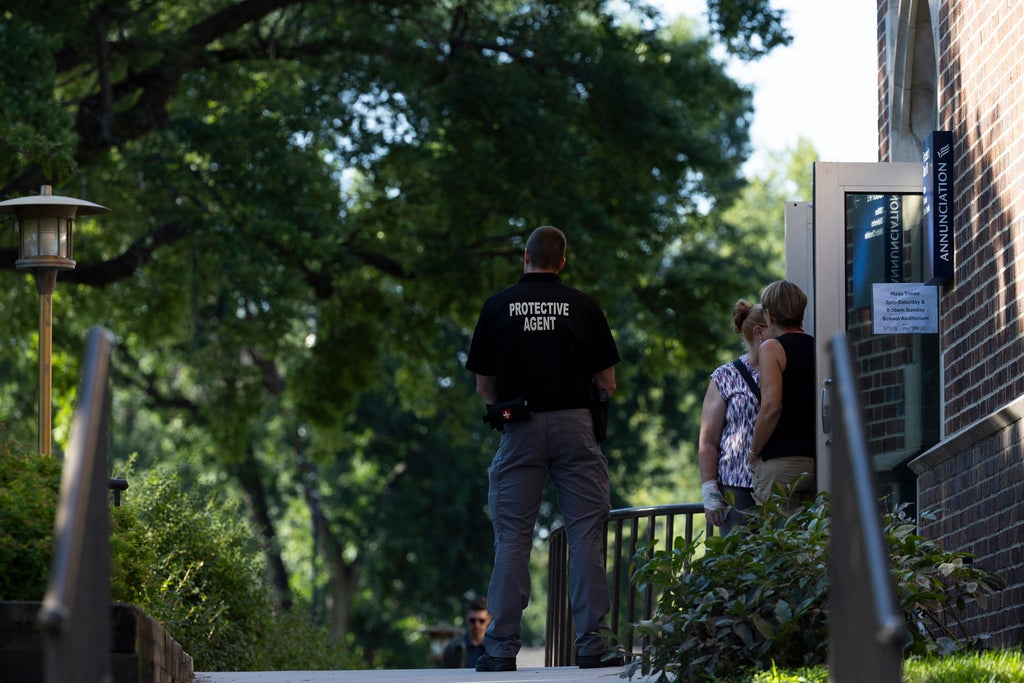
Last week, a shooter killed two schoolchildren and wounded 17 others in an attack on a Mass at Annunciation Catholic School in Minneapolis.
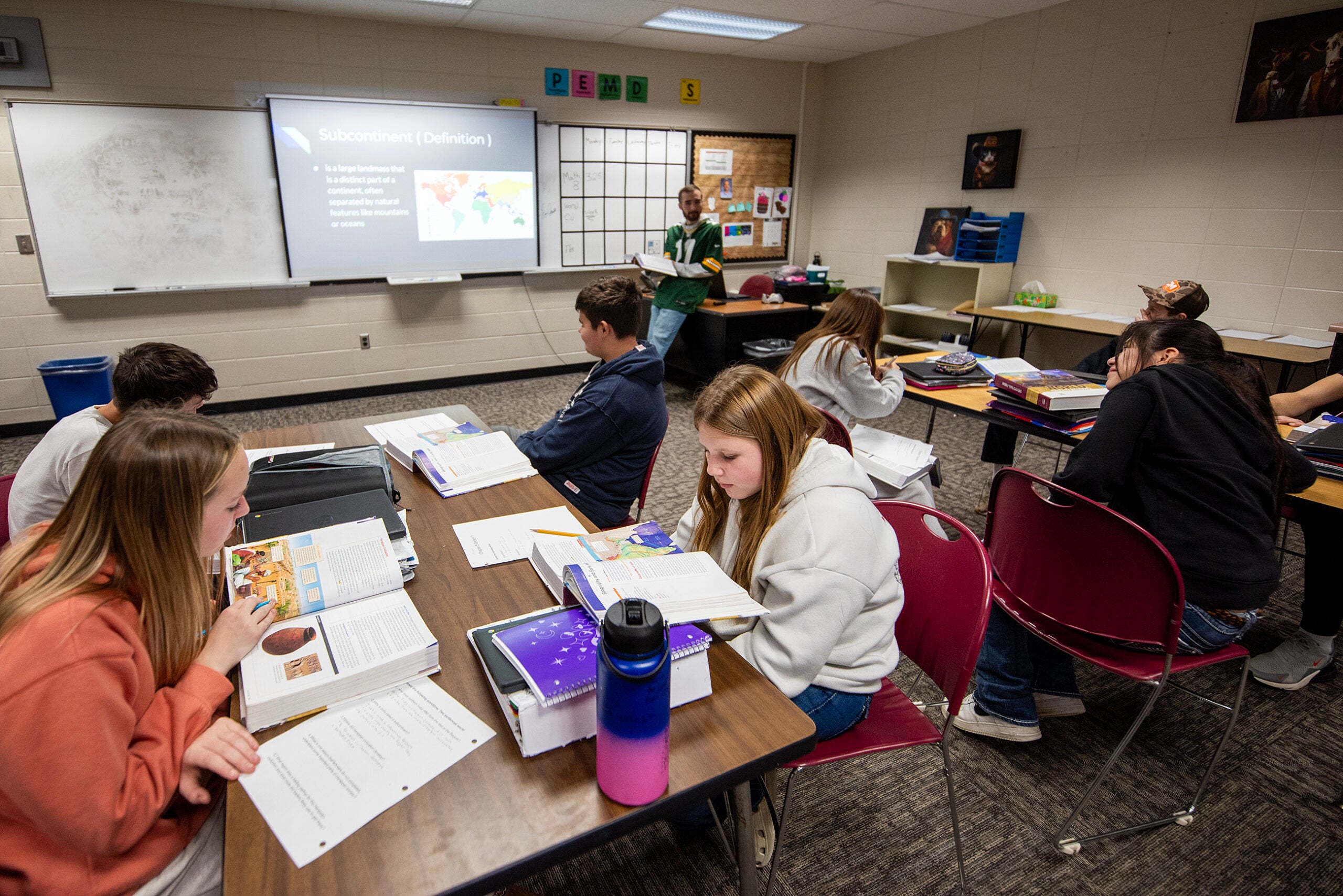
This latest attack and recent false reports of school violence have brought discussions about school safety back to the forefront as Wisconsin students and teachers return to school.
The University of Wisconsin-Madison was part of a wave of active shooter hoaxes across the U.S. when someone called in a false report of shots fired on campus and prompted a police response. And several K-12 schools in Wisconsin experienced similar false alarms in December 2024 following the shooting at Abundant Life Christian School in Madison.
News with a little more humanity
WPR’s “Wisconsin Today” newsletter keeps you connected to the state you love without feeling overwhelmed. No paywall. No agenda. No corporate filter.
These events have parents, staff and students on high alert as they return to the classroom. Anxiety is ever-present, says Trish Kilpin, executive director of the Office of School Safety at the Wisconsin Department of Justice.
“The frequency by which (students) are worrying about these school events is significant,” Kilpin told WPR’s “Wisconsin Today.” “When kids are anxious and worried, they can’t learn.”
Kilpin talked on the show about how schools in Wisconsin are responding to the threat of gun violence this year.
This interview has been edited for length and clarity.
Rob Ferrett: How consistent are trainings and lockdown procedures across Wisconsin schools?
Trish Kilpin: There is a lot of variability. … Schools across Wisconsin get to customize what they utilize. We do have certain practices that we encourage, and in fact, we’ve drafted a comprehensive school safety framework so that schools can localize in an informed way.
Now, while most of us do think of a large crisis like what happened in Minnesota, most often, schools are using (lockdown) procedures for smaller things. For example, if someone has a medical emergency in the hall, you want kids to be able to stay in their classroom so that the assistance can be delivered to the person who needs care, and also minimize their exposure to these events.
RF: What do we know about what works to keep kids safe at school?
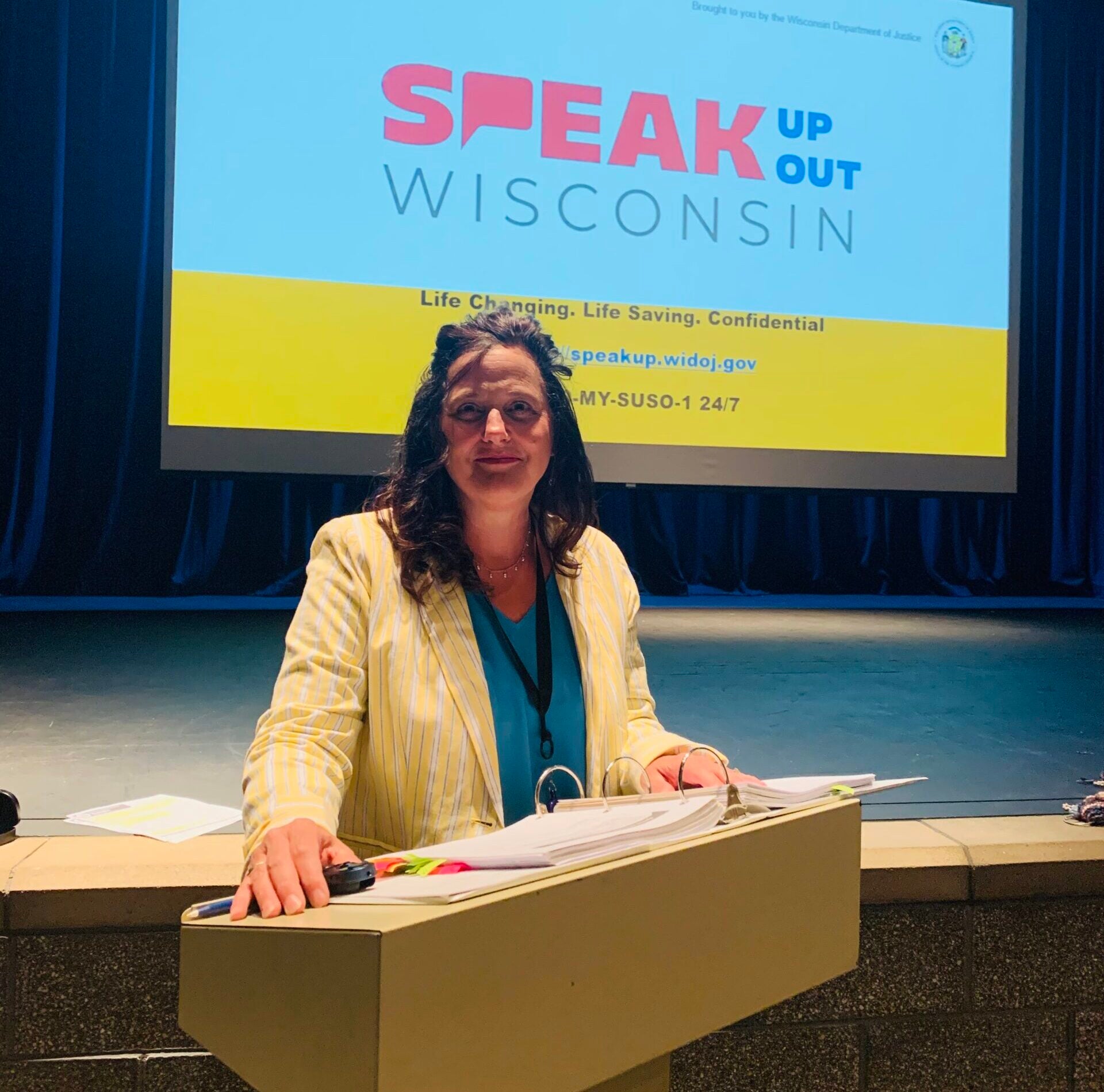
TK: We know that there are things that we can do that work to prevent school violence. One of those is Speak Up, Speak Out Wisconsin. That’s our threat reporting system that we have statewide here and it is run through our office.
Speak Up, Speak Out provides an opportunity to get help for kids who are struggling at earlier intervention points, and it also is a place where people can report if they believe somebody is thinking about planning a school attack.
These attacks don’t just happen out of the blue. When someone decides that they’re going to commit one of these acts of violence and are planning a school attack, there’s lots of pre-operational planning that occurs. That is noticed by others and we need people to report that.
RF: What kinds of behaviors and signs can people report through Speak Up, Speak Out?
TK: Any concerns about school-age youth can be reported to Speak Up, Speak Out. While the research shows us that having such a threat-reporting tipline does decrease violence in schools, we see a very broad diffusion of benefits.
The most frequent tip that we receive is about bullying — kids that feel that they’ve been maltreated in their school. They don’t feel like they have a sense of belonging. When we deliver that (tip) to the school, there can be interventions very early, where someone doesn’t get to the point where they start to think about using violence to cause harm to their school community.
Through Speak Up, Speak Out, we get concerns from youth reported to us that a peer may be thinking of suicide or they themselves might be thinking of suicide. This is also something we see often in these mass violence incidents.
We’ve received 491 tips to our office (since the program was launched in 2020) where people have been concerned that someone’s planning a school attack and interventions have happened.
RF: How do we prepare schools for the worst without creating a fearful environment?
TK: Very few schools are going to experience a targeted violence incident like a mass shooting. We have to be able to differentiate between when kids are saying and doing things of concern that require some support and intervention, and someone who’s planning a school attack.
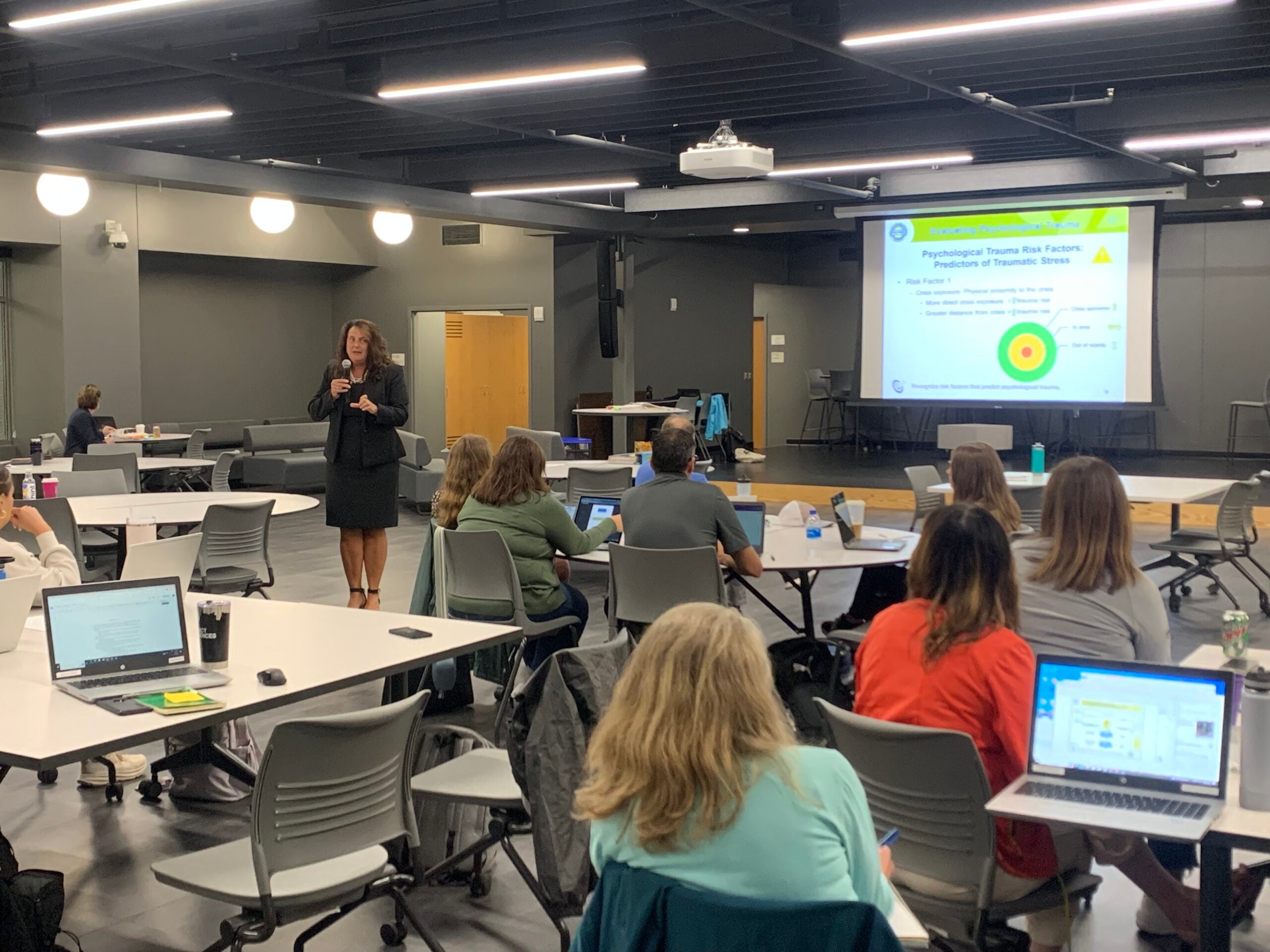
That’s where the field of behavioral threat assessment and management is powerful. We teach behavioral threat assessment and management here in Wisconsin. In fact, we’ve taught over 8,000 (school staff, law enforcement, emergency responders and community members) how to differentiate between someone making a threat and posing a threat — and, most importantly, what to do to prevent violence and get help for that person.
RF: What kind of harm does “swatting” — calling in a fake treat that can lead to a SWAT team being dispatched — do and what can we do to prevent it?
TK: It is not a victimless crime. When people fear that they’re not safe at school, it impacts them psychologically. It contributes to their worries about school and it increases their anxiety. And when kids are anxious and worried, they can’t learn.
When the swatting incidents occur, there are certain things that we look for in terms of patterns to be able to identify that it’s a swatting incident. This is one of the reasons why it’s great we have a statewide tip line, because we’re able to share information with schools about trends that are happening across the threat landscape in Wisconsin.
RF: What kinds of actions can people take to make a positive difference?
TK: Encourage students to always go to a trusted adult: their parents, their teachers, their school leaders or their coaches. But there are times when students may want to report something and those folks may not be accessible to them. So Speak Up, Speak Out is open 24 hours a day, seven days a week. And we welcome students to give us information so they don’t have to worry about it alone.
Secondly, the community at large can educate themselves about what would be warning behaviors that they might see if someone is planning an incident. And we’ve created an e-learning module that anyone in the community can watch, that can help people better identify when somebody is demonstrating those concerning behaviors.
If you or someone you know is considering suicide, call or text the three-digit suicide and crisis lifeline at 988. Resources are available online.