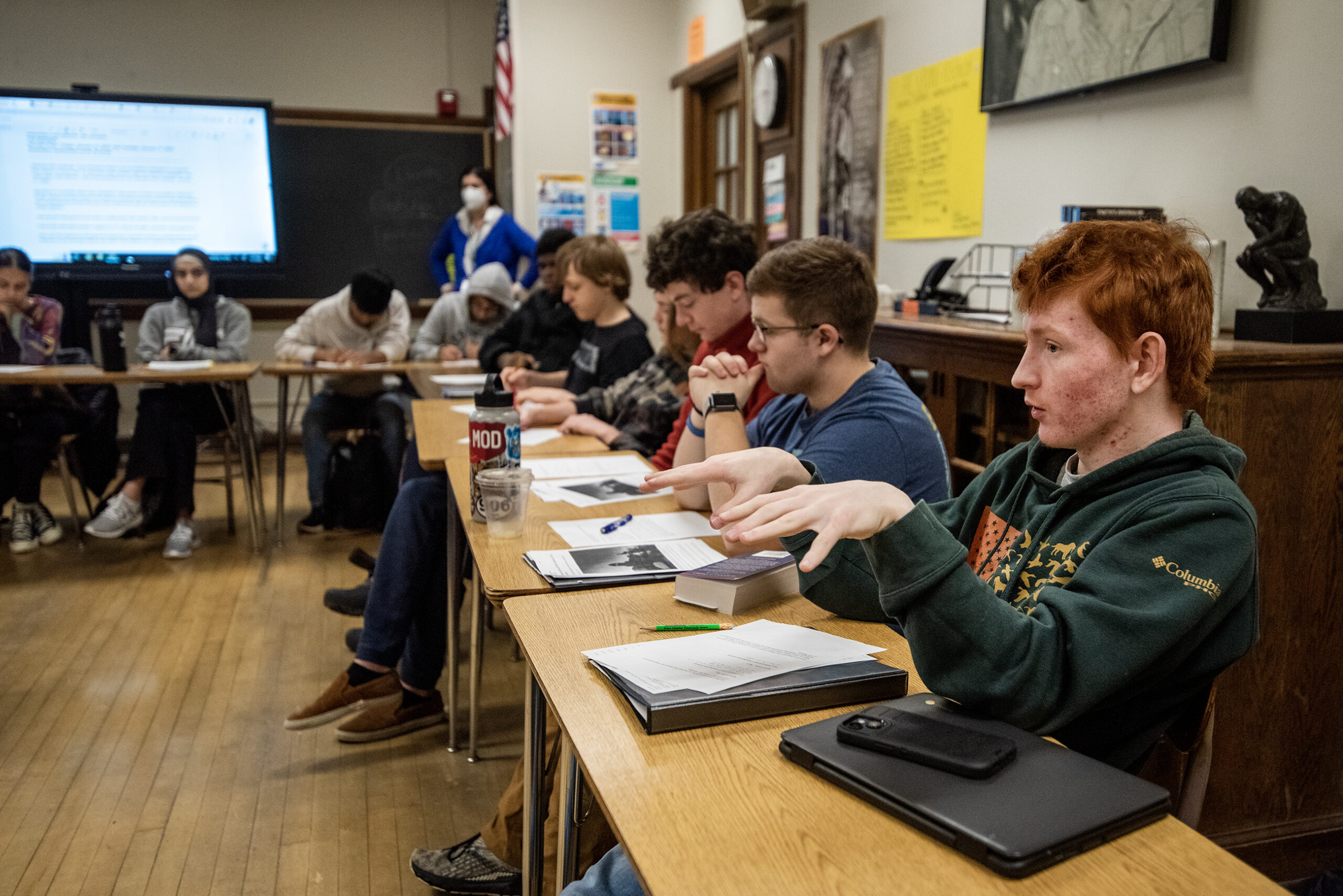
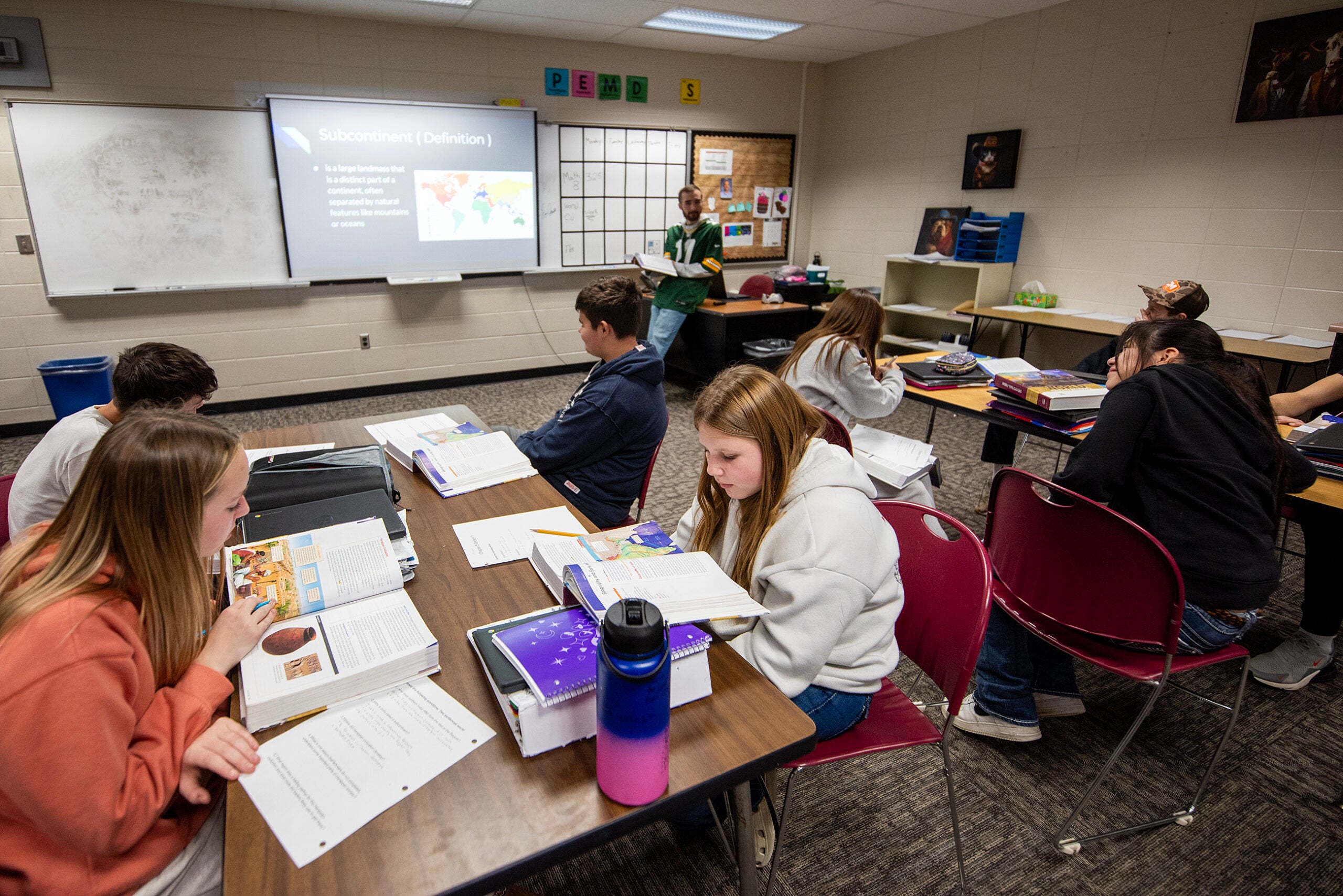
Only half of Wisconsin high school students feel like they belong in the classroom. That’s according to a recent report from the Wisconsin Office of Children’s Mental Health.
The study defines belonging as “feeling of being welcomed, accepted, respected, and valued within one’s social environment, including family, friends, school, and community.”
The numbers are even lower among minority students. Less than half of girls, Spanish-speaking students and Black students feel a sense of belonging. Among lesbian, gay and bisexual students, only 39 percent feel accepted at their school. The last decade has seen a 37 percent drop in Wisconsin youth feeling like they belong at their school.
News with a little more humanity
WPR’s “Wisconsin Today” newsletter keeps you connected to the state you love without feeling overwhelmed. No paywall. No agenda. No corporate filter.
Social connectedness is crucial to one’s mental and physical health, especially as a young adult. Without it, children can have trouble concentrating, poor academic performance, increased depression and anxiety, as well as a weakened immune system.
Linda Hall is the director of the Office of Children’s Mental Health. She says it’s important that schools create a welcoming atmosphere for all, including marginalized students.
“What we really want to have happen is that schools create a culture that kids feel comfortable in and that they want to belong to, because we know that this contributes to their mental and physical health,” Hall said.
Young people today are sleeping less, exercising or spending time outdoors less and spending less time with friends. They are also spending more time online, a major factor in worsening mental health.
The report calls recent legislation banning phone use during instructional time at Wisconsin schools is “an important step.” According to the report, it could increase students’ learning, attendance and in-person connections while simultaneously reducing their screen time, cyberbullying and anxiety.
The report says building positive interpersonal relationships at home and school helps children feel connected to their communities. Strengthening the voices of youth and allowing them to practice decision making can also help.
Various community organizations across the state are working to engage with youth.
Shauna Morris-Patterson is the director and founder of Faith in Humanity, a Milwaukee-based nonprofit aiming to restore youth mental health. She said she has seen a lack of youth mental health awareness and increased stigma around seeking help.
“Students are not as engaged in getting mental health resources, and there really aren’t that many mental health resources in our community,” Morris-Patterson said.
Some Wisconsin students are already helping to address mental health concerns at their schools through peer-led wellness programs and clubs. Programs like the Raise Your Voice Club, Hope Squad and Redgen and are in place at over 300 Wisconsin schools and reach many of the state’s school districts.
Morris-Patterson says these clubs can help youth talk to each other about problems they might relate to.
“Especially if you have kids that are having similar mental health disparities, they’re able to communicate that with each other, and then also kind of work through their own coping skills,” Morris-Patterson said.
But, she says it comes down to funding mental health inside Milwaukee and Wisconsin schools.
“I know that telehealth has become more popular in schools these days, which can be very, very beneficial,” Morris-Patterson said. “But when you have that one-on-one, face-to-face interaction with someone, it really does make a difference.”

Wisconsin Public Radio, © Copyright 2026, Board of Regents of the University of Wisconsin System and Wisconsin Educational Communications Board.