A new slate of incentives and a film office will soon be supporting TV and movie projects here in Wisconsin.
The new state budget, recently signed by Gov. Tony Evers, reestablishes the Wisconsin Film Office within the state Department of Tourism. It also offers up to $5 million in tax credits for filmmakers.
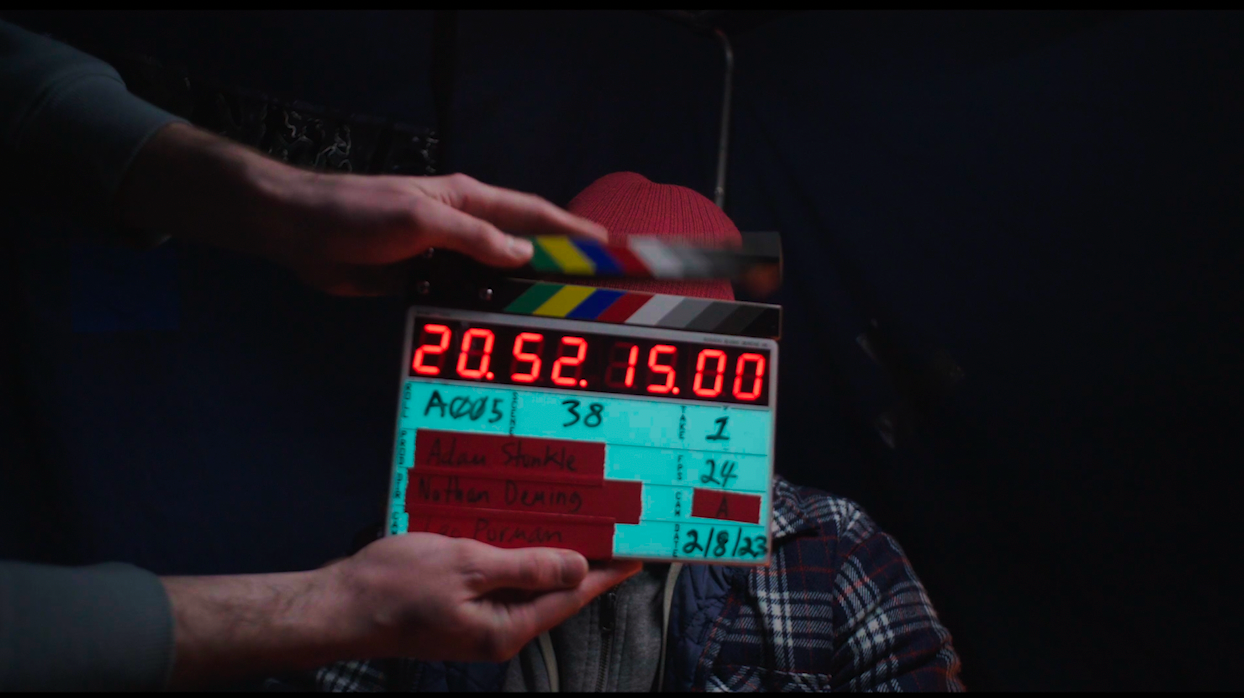
Nathan Deming is one of those filmmakers who could benefit from the new incentives. Last year saw the release of his film “February,” which is part of a series of films named after each month of the year. He said Wisconsin is a great place to make a movie.
News with a little more humanity
WPR’s “Wisconsin Today” newsletter keeps you connected to the state you love without feeling overwhelmed. No paywall. No agenda. No corporate filter.
“To all the Hollywood producers who might be vacationing in Wisconsin this summer: come film here!” he said.
“We’ve got great crew, great locations,” he added.
Deming recently spoke with WPR’s Ezra Wall on “Morning Edition.”
The following has been edited for brevity and clarity.
Ezra Wall: Even though most of us spend hours a week videoing random things on our phones, we don’t actually know how to make films. What goes into making a movie that people might not know about?
Nathan Deming: Yeah, I agree. I think a lot of people don’t know how a bigger-budget movie works — or even a small-scale independent project. They’re pretty expensive. There are a lot of costs: labor, location rentals, gear rentals. All these things make it a complicated thing to mount.
That’s why this policy — tax incentives — has become really popular. I know it sounds a little esoteric. When I first heard about it, my eyes would glaze over. I’d hear “taxes” and just zone out. But it’s actually really interesting because it’s completely reshaping the film industry right now.
If any of your listeners have been following the headlines, Hollywood might be leaving Hollywood. And it’s not because of the fires or AI or anything like that — it’s all because of tax incentives.
EW: Even the small films that qualify for this program would have to spend a minimum of $50,000 — which, for most people, is a lot of money. But in filmmaking terms, it’s really not very much.
ND: [With the new incentives,] productions benefit because they can stretch their budgets 30 percent further. That’s why it’s a win-win: the community wins something and the production wins something.
People think that if a Hollywood production comes to town, they’re just going to fly in everybody. But they’re not going to fly in a florist if they need flowers. They’re not going to fly in carpenters. They’re going to hire locally for that. They’ll also hire local crew.
The really nice thing about this program is that the tax credit is only available for expenditures on Wisconsin crew or Wisconsin vendors. So it prevents any kind of gaming of the system. That’s why this has become such a popular policy.
EW: Your films aren’t huge-budget productions. I mean, you’re not making Marvel movies — yet. I’m speaking positivity into your future!
ND: Yeah, yeah. I will say — let’s get a Wisconsin superhero going. Is there one yet? I don’t know.
EW: It would have to involve lutefisk in some way.
ND: Somebody out there is probably yelling at the radio right now, going, “Oh, it’s so-and-so!” But I’ve never heard of one. Let’s make it up.
But yeah, this is really exciting for me. One thing I love about this program is that it’s just the start. It’s a great stepping stone.
One thing I really like is the “minimum spend.” The amount you have to spend to access the tax credits is $100,000 [for feature films. $50,000 for short films]. That sounds like a lot of money — and it is — but in filmmaking terms, it’s virtually nothing. Minnesota’s minimum spend is $1 million. They’re trying to attract only big-budget productions. By setting ours at $100,000, we’re saying this is also for independent filmmakers like myself. “March” [the next film in “The Year Project”], which I hope to start soon, will very likely be able to access these credits because it’s now in an affordable budget range.