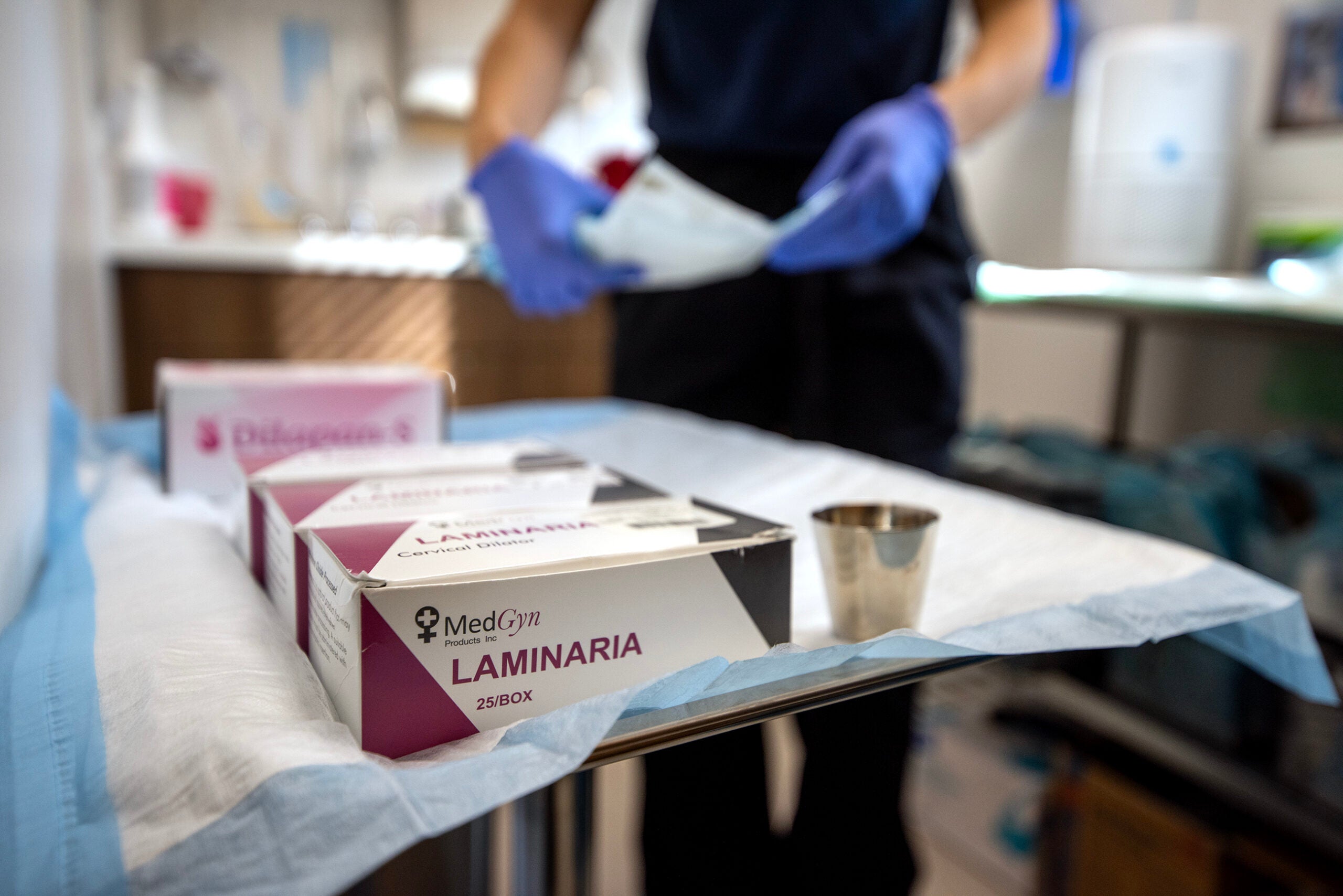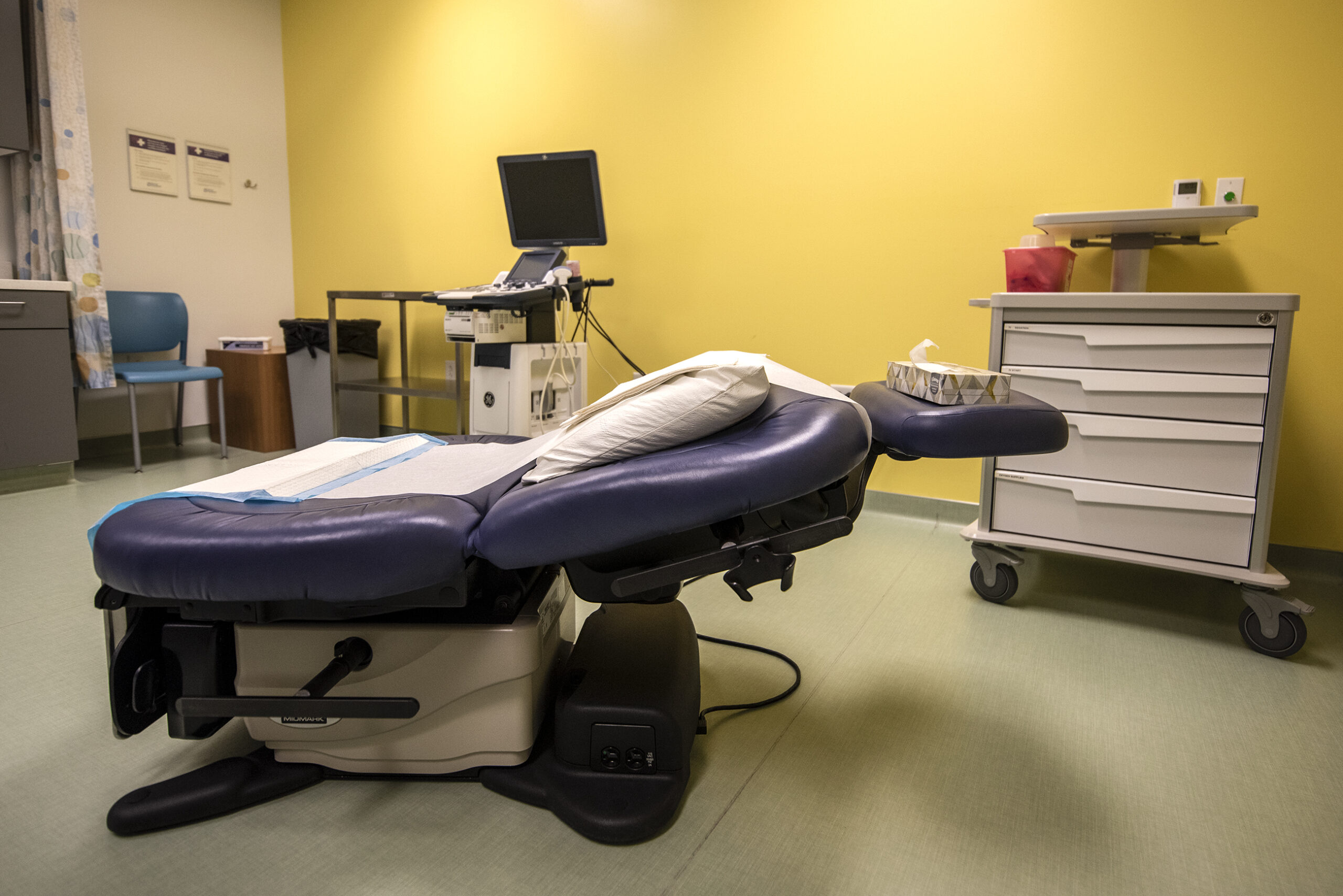
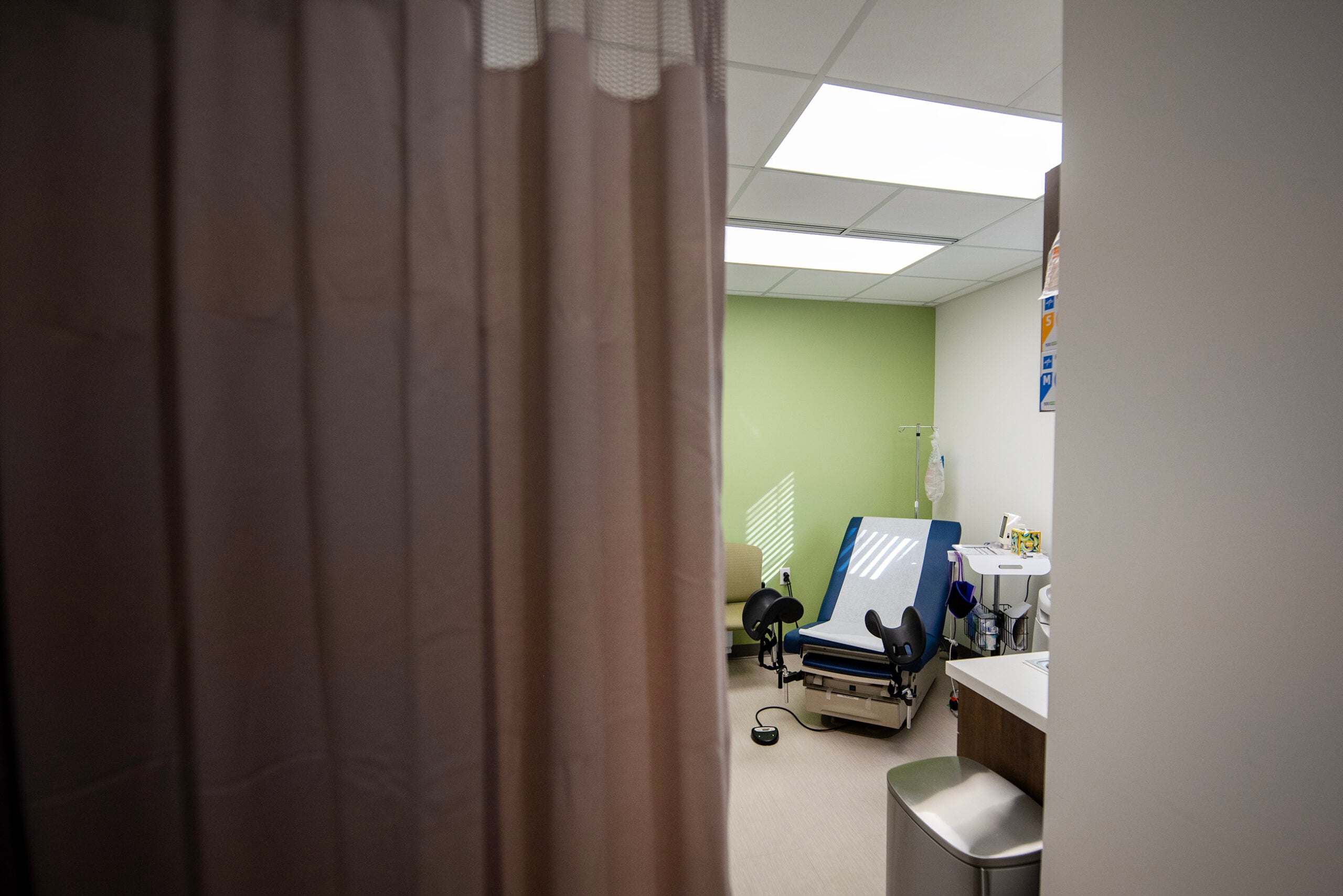
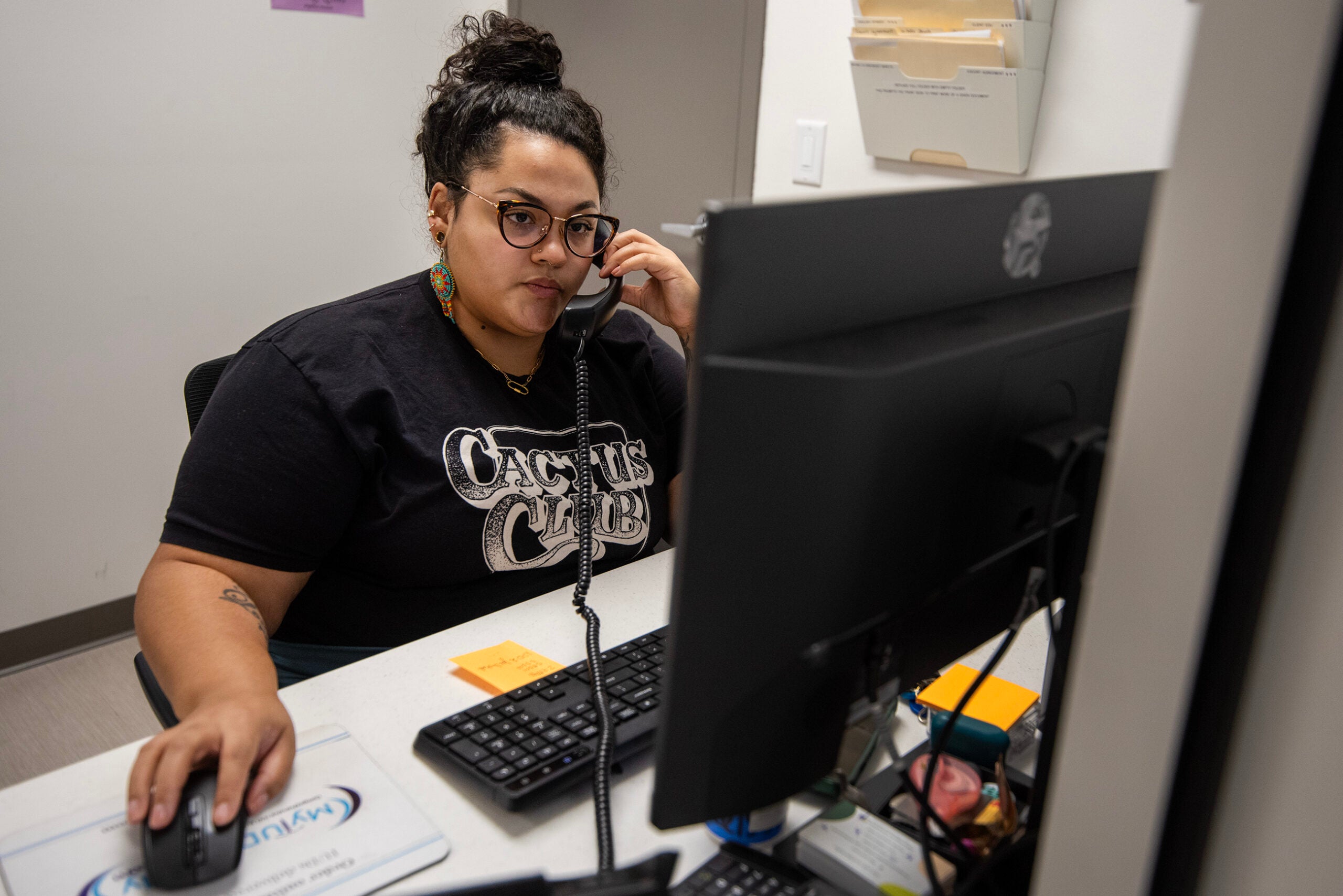
On a recent Tuesday morning at the Care for All community clinic in Milwaukee, receptionist Kailee Evans spent most of her day answering phone calls.
“The phones are always going off,” she said. “Sometimes there will be two people on hold at a time.”
The independent clinic offers surgical and medication abortions. As the waiting room filled up, Evans offered clients snacks and water.
News with a little more humanity
WPR’s “Wisconsin Today” newsletter keeps you connected to the state you love without feeling overwhelmed. No paywall. No agenda. No corporate filter.
“I’m just kind of managing expectations as far as the wait goes, letting people know how long it’s going to take,” she said.
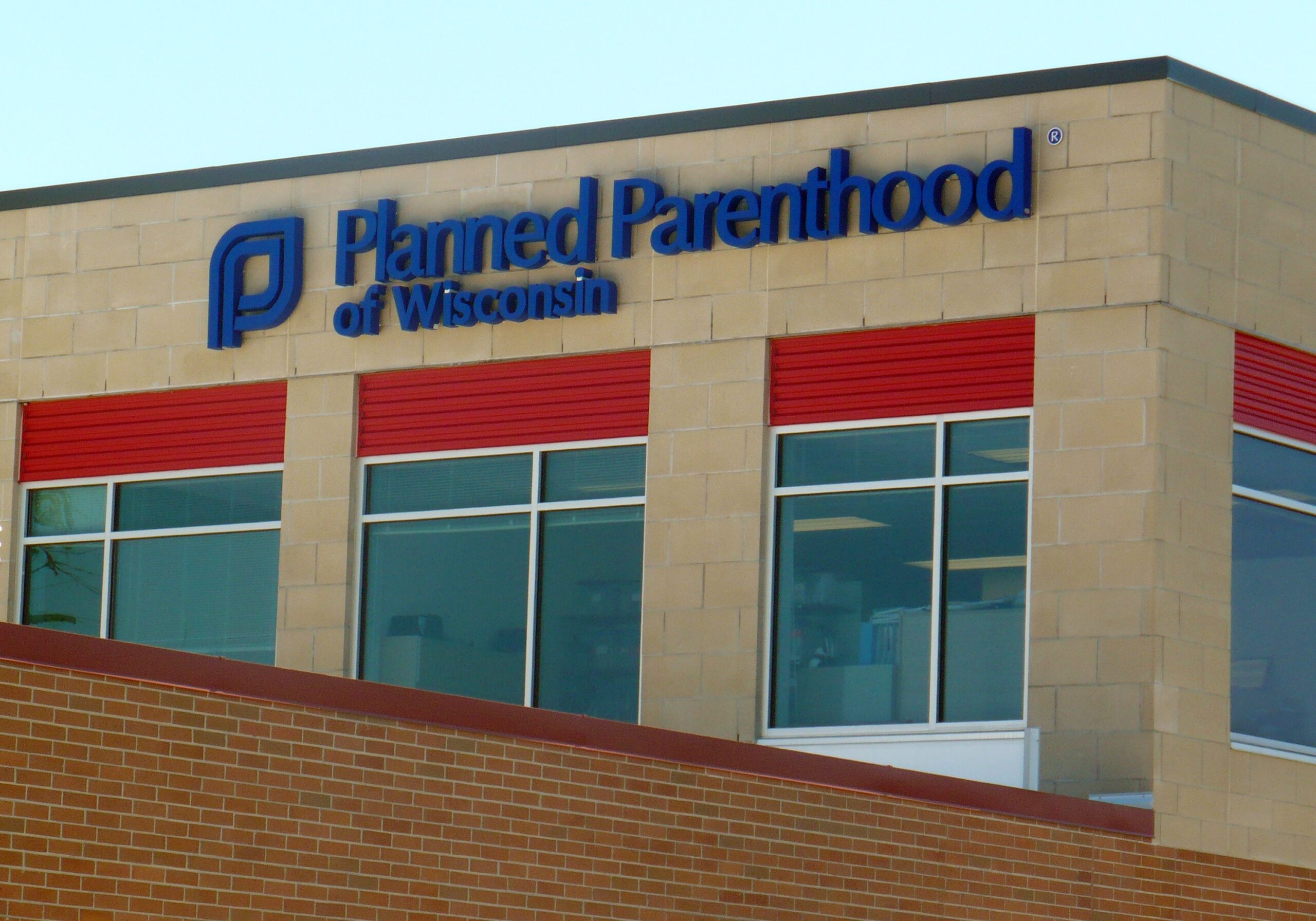
At the time, Care for All was one of only two abortion providers operating in the state, as Wisconsin’s largest provider — Planned Parenthood of Wisconsin — had paused abortion services, and Care for All was scrambling to meet the demand. Then last week, Planned Parenthood announced it would resume abortions.
Since the fall of Roe v. Wade, abortion policy and availability has been in flux in Wisconsin, and providers and advocates say it can leave patients confused.
Wisconsin’s changing abortion access landscape
When the U.S. Supreme Court released its decision in Dobbs v. Jackson Women’s Health Organization in June 2022, all of Wisconsin’s abortion providers immediately stopped offering the service. But a successful challenge to state law eventually led clinics to reopen more than a year later.
Abortion access was a leading issue in the 2023 Wisconsin Supreme Court election. The liberal candidate, Janet Protasiewicz, won and flipped the court’s ideological majority. Earlier this year, the court’s liberals aligned to strike down Wisconsin’s abortion statute that was first written in 1849.
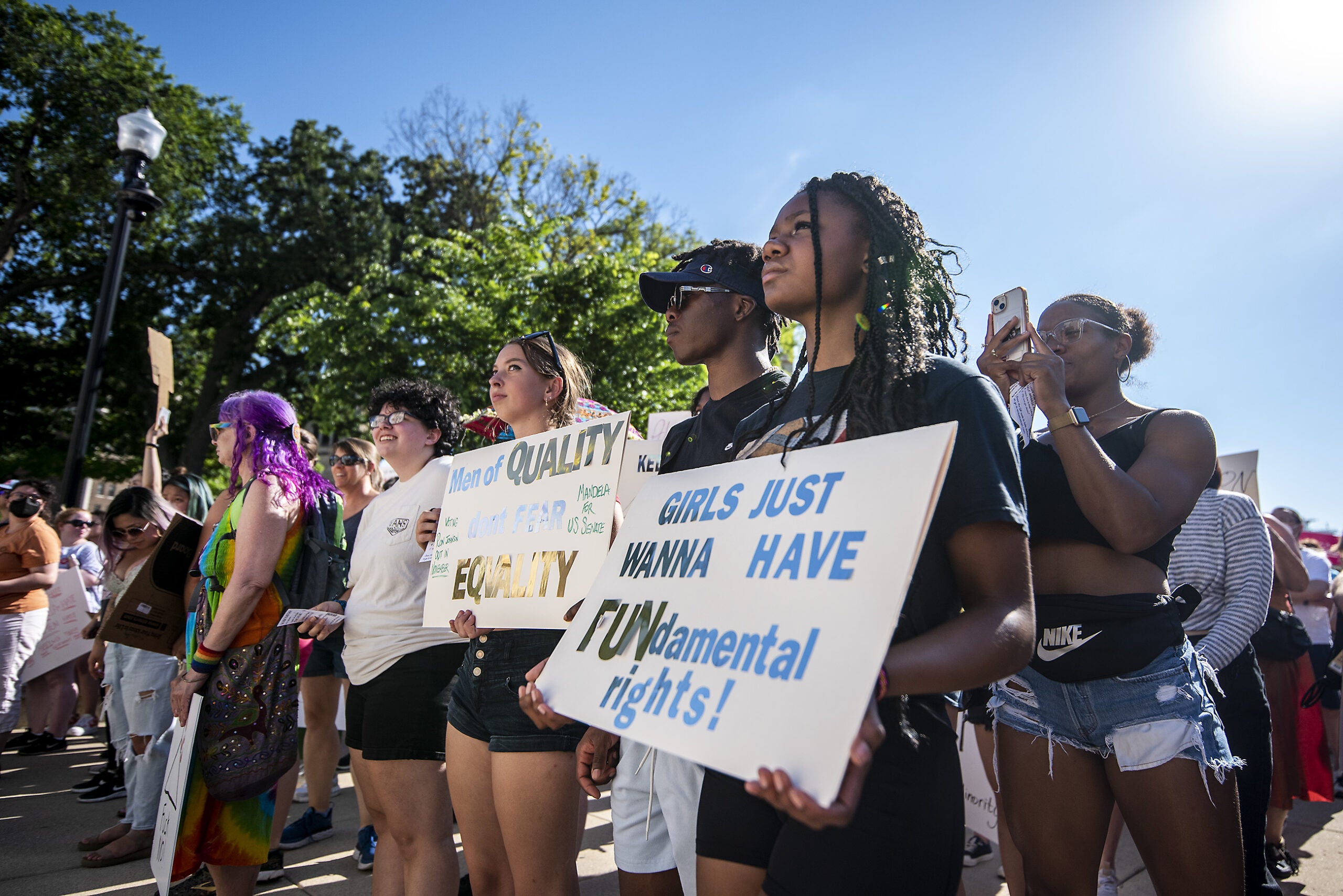
And the landscape continued to change. On Oct. 1 of this year, Planned Parenthood of Wisconsin again paused abortion services, citing the provision in President Donald Trump’s tax and spending law that bans any large health care nonprofits that offer abortions from getting Medicaid reimbursements for one year.
Federal law has long banned providers from using Medicaid funds to pay for abortions, but these cuts affect all services by organizations that received more than $800,000 in 2023 and provide abortions. This summer, Planned Parenthood sued to block enforcement of the cuts, and that case is ongoing.
For nearly a month during the pause, there were just two clinics offering abortions in the state — Care for All and Affiliated Medical Services, which are both in Milwaukee. Both were unaffected by the Medicaid changes.
Last week, Planned Parenthood again announced it would resume abortions. It did so after relinquishing its status as an “Essential Community Provider” with the Department of Health and Human Services, a move the organization says makes it no longer a “prohibited entity” under federal law, and therefore not barred from receiving Medicaid funds.
Anti-abortion advocates have voiced support for the changes to Medicaid, and leaders of Wisconsin Family Action said they were “deeply saddened” by the decision to resume abortions at Planned Parenthood.
Newly opened independent clinic stayed open throughout Planned Parenthood pause
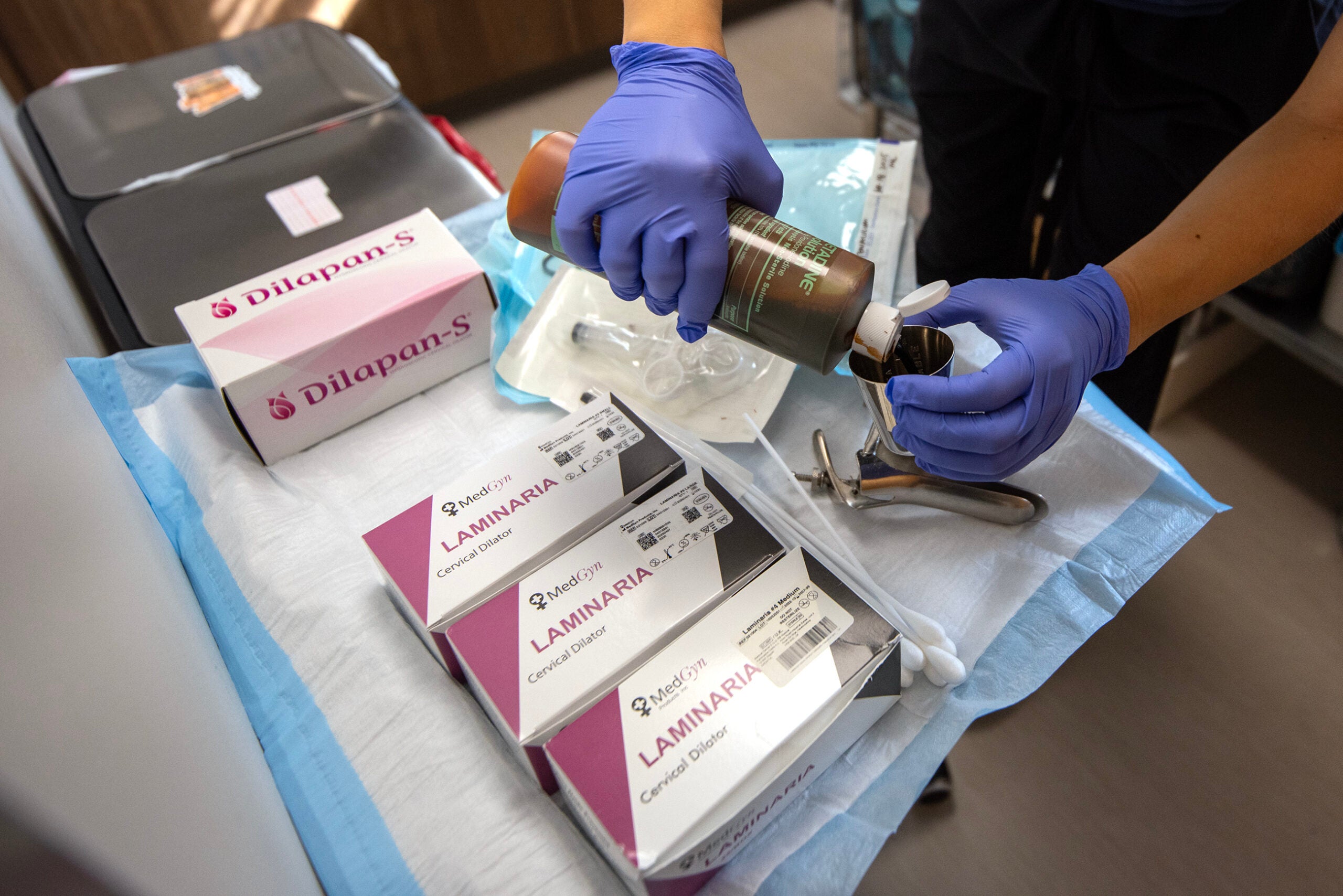
Care for All opened in June of 2025, after about a year of planning and construction on Milwaukee’s west side. Cofounder and Executive Director Ali Kliegman said the clinic’s volume doubled or tripled during Planned Parenthood’s pause.
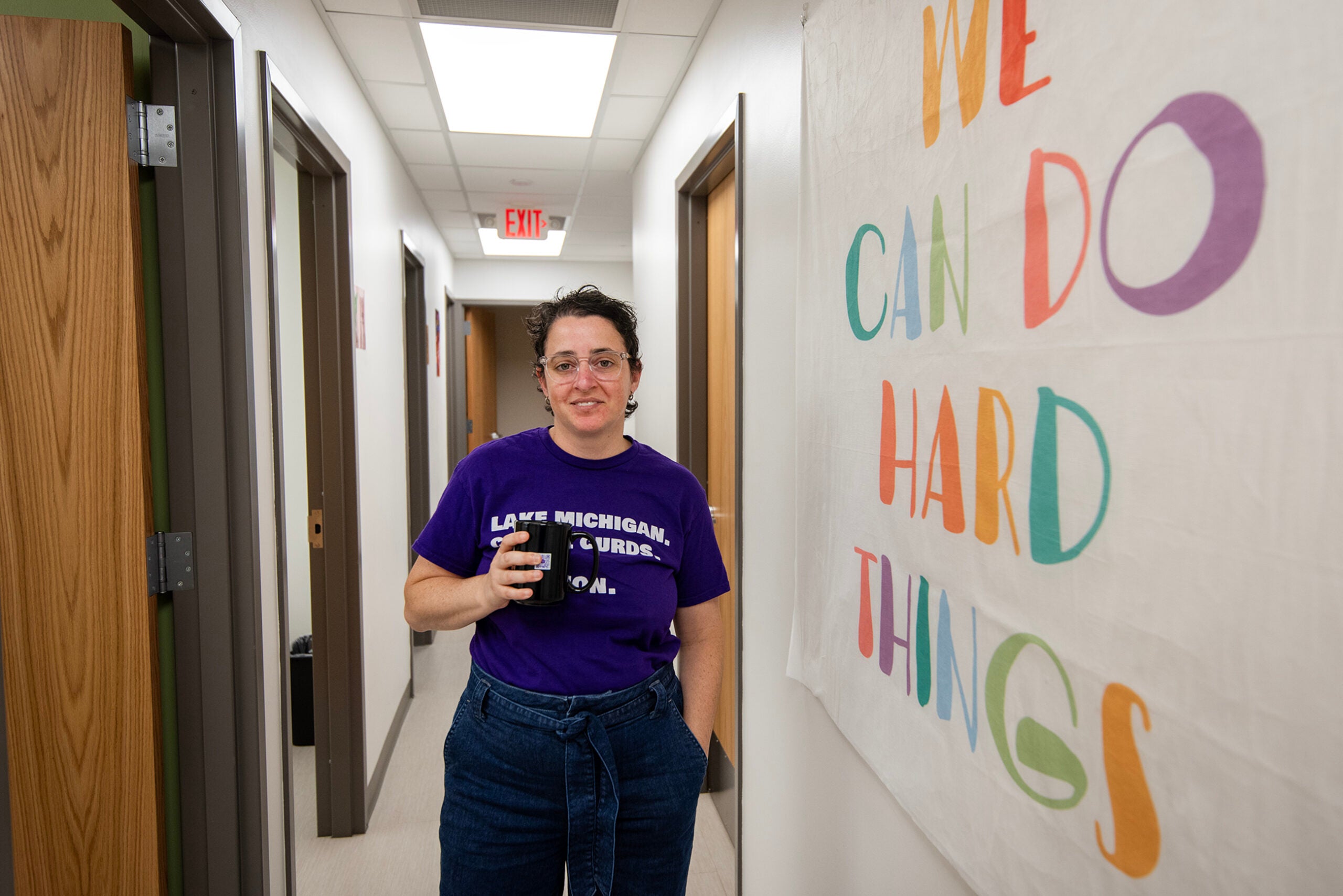
“We were slowly building capacity, slowly building our volume, fine tuning our systems, and then suddenly, the faucet turned on full,” they said.
For at least the last decade, Planned Parenthood has provided the large majority of brick-and-mortar abortion care in Wisconsin, according to researchers at the Collaborative for Reproductive Equity at the University of Wisconsin-Madison. The number of Wisconsinites ordering medication abortion pills from providers in other states has also been growing in recent years.
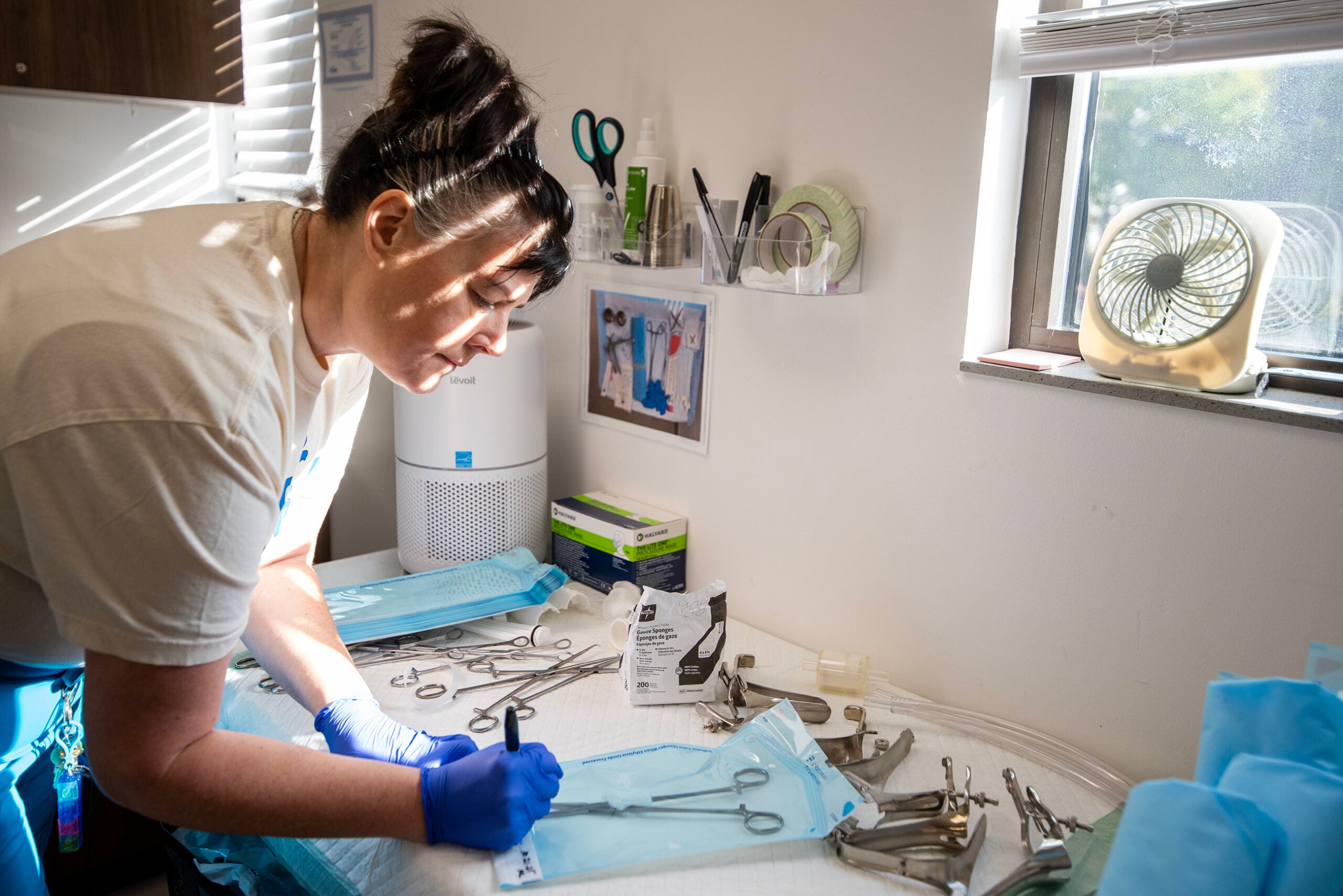
During the pause, Care for All’s doctor and nurses saw as many patients as they could, sometimes doubling up appointments or staying hours after the last patient was scheduled. Since June, the clinic has served “a few hundred” people, Kliegman said.
Care for All offers abortions up to the gestational age allowed by state law, around 20 weeks. When faced with overwhelming demand, Kliegman said they prioritized patients over 13 weeks gestation and pushed out appointments for anyone fewer than six weeks along.
“It’s hard,” they said. “It’s hard to tell people you have to wait.”
Care for All also offers contraception but paused contraception-only appointments because of the demand for abortions.
Now that Planned Parenthood is offering abortions again, Kliegman said Care for All staff is redirecting certain callers to them, especially those who live closer to the Planned Parenthood clinic in Madison.
“We would like people to not have to travel,” Kliegman said.
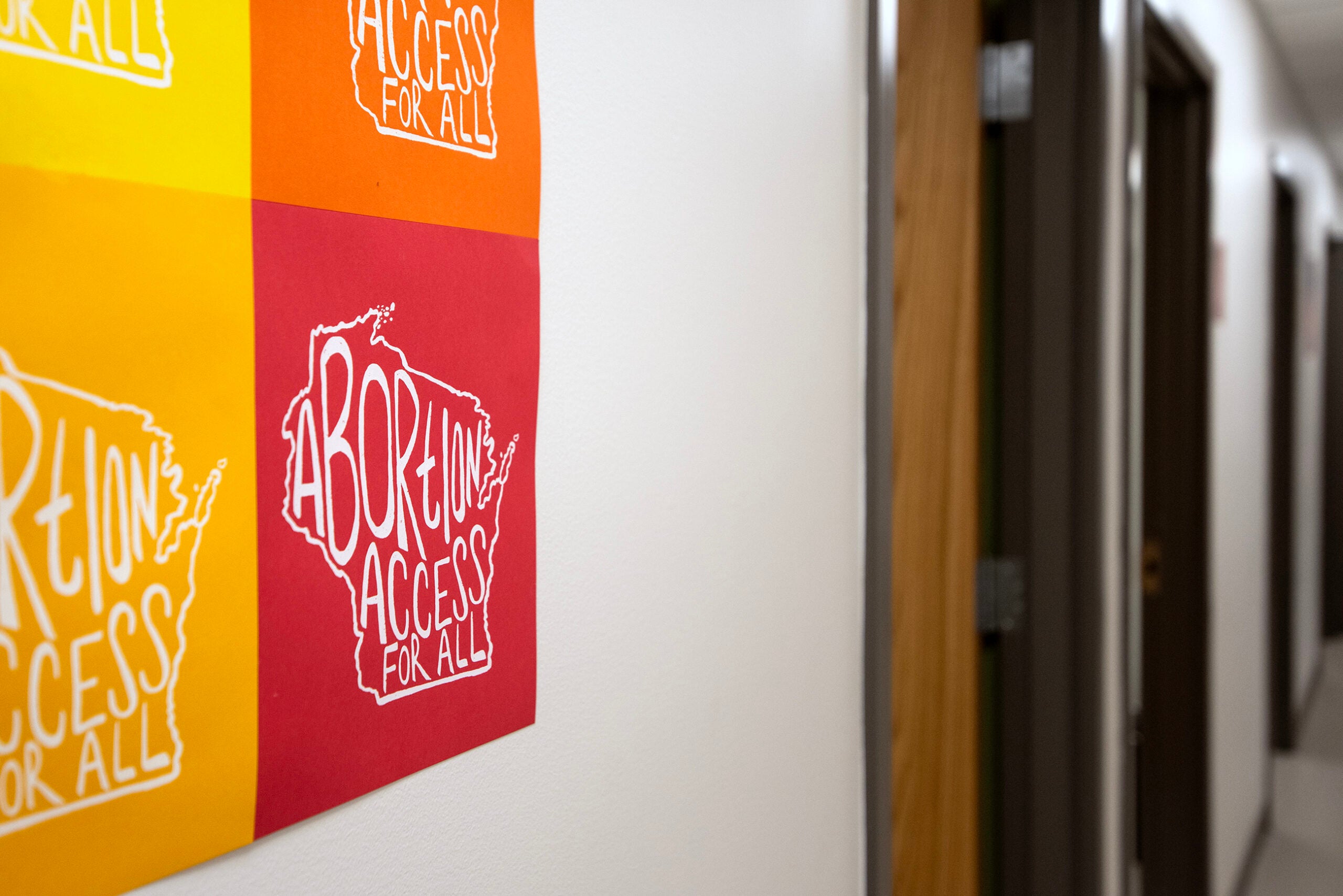
Still, the years of back-and-forth on whether abortions are legal or available in Wisconsin has been confusing for patients, Kliegman said.
“We have had people ask, ‘Is it legal here?’ even once they’re here for the appointment, asking ‘Is this legal?’” they said.
And Kliegman acknowledged that this might not be the last time the landscape changes.
“I sort of have to prepare for anything,” they said. “It’s just hard to know what’s going to happen, because there’s already been so many things that have happened that we weren’t expecting. We’re always doing contingency planning.”
Care for All operates on a pay-what-you-can basis. Kliegman said most of their clients have paid a reduced price or nothing at all, and their goal is to be completely free of charge within 5 years. Prices for abortion pills and procedures are listed on the clinic’s website, although they tell clients over the phone that whatever clients can offer will be accepted as full payment.
“That is part of our mission, and that’s not going to be sacrificed,” Kliegman said. “So if the volume gets to a point where we can’t continue that, we will have to pull back.”
Erin Grant is the co-executive director at the Abortion Care Network, a group of independent clinics that Care for All and Affiliated Medical Services belong to. Grant said independent clinics, or “indies,” are often the last to close when new policy restricts abortion.
“Generally, when these changes happen, we see that indies stay open and available and accessible in those states until the bitter end, until the state decides to close them down,” they said.
Nationally, Planned Parenthood said nearly 200 of its health centers in 24 states are at risk of closure because of the Medicaid reimbursement changes. Grant said independent providers won’t be able to fill the gaps left by clinic closures.
“We need every clinic, it’s less cut and dry than indies versus Planned Parenthood,” Grant said. “We need more clinics. It doesn’t matter who owns them.”
‘It may be legal here, but it’s not easy’
Care for All gets funding from family foundations and abortion organizations like Freedom Fund, which funds abortions for people in central and northern Wisconsin.
Freedom Fund Executive Director Kristin Conway said even before Planned Parenthood paused services, there were only a few places where people could get abortions in the state. All of their clients had to travel at least to a different county, and many travel to a different state.
“It may be legal here, but it’s not easy,” she said.
Conway said the constantly changing landscape has left some people confused about whether or not abortion is legal in the state.
“When people find out they’re pregnant and they are looking for an abortion, they kind of go into panic mode,” Conway said.
Mary Ziegler is a law professor at the University of California, Davis who studies reproductive rights. She said it’s possible that Planned Parenthood affiliates in other states will use the same strategy to skirt the Medicaid changes from the One Big Beautiful Bill Act.
Still, Ziegler said it’s important to note that Planned Parenthood’s case challenging the Medicaid changes is ongoing.
“So we might see more drama about this down the road,” she said.
The seemingly constant legal battle can have real consequences, Ziegler said.
“It’s pretty hard for ordinary people to keep up with what the law actually is at any time when there is so much whiplash,” she said. “And that means often that people believe things are illegal that are not and may be making dangerous health care decisions based on that.”
Kliegman said Planned Parenthood has a certain brand awareness and status that influences what people think about the abortion landscape as a whole.
“When people hear that they’re closed, they kind of assume, well, then there must be no abortion in Wisconsin,” they said.
In 2024, 38 percent of abortions provided to Wisconsinites took place across state lines, more than double the proportion pre-Dobbs.
“Going back and forth between a ban and not a ban is extremely confusing,” Kliegman said. “And that’s why you still have tons of people who go to Illinois because they think that they can’t get care legally here.”
And Kliegman doesn’t see that changing any time soon.
“We’ll continue to talk to people and share with them what’s going on,” they said.

Wisconsin Public Radio, © Copyright 2026, Board of Regents of the University of Wisconsin System and Wisconsin Educational Communications Board.